

Get Free Quote


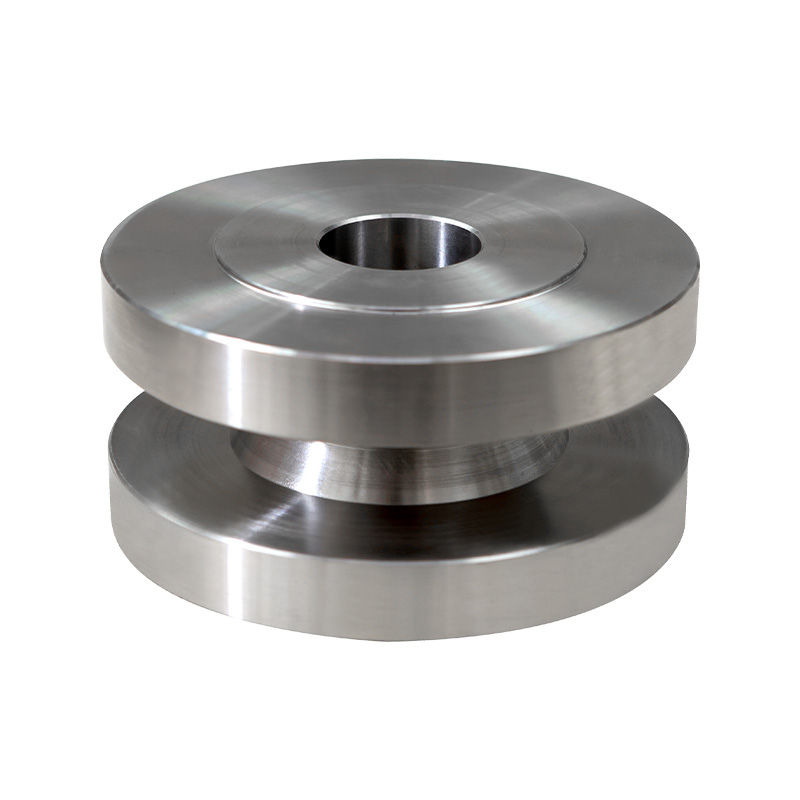
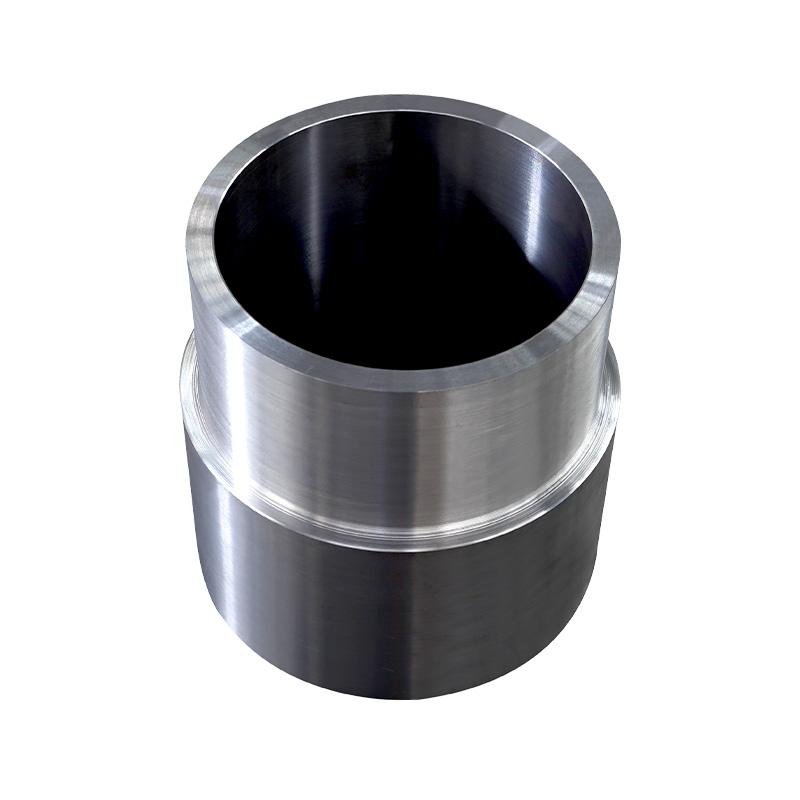
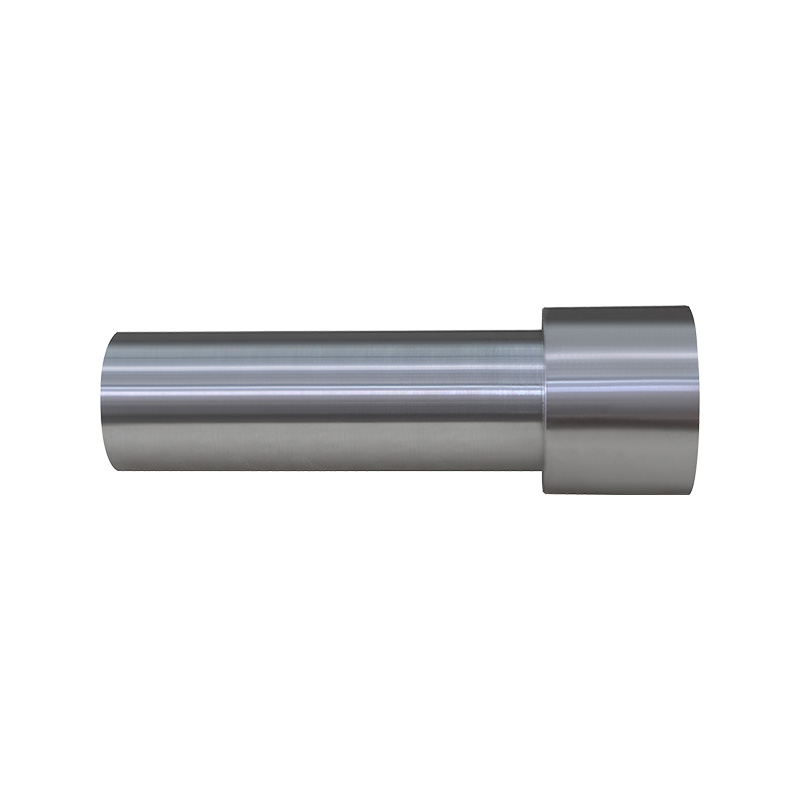
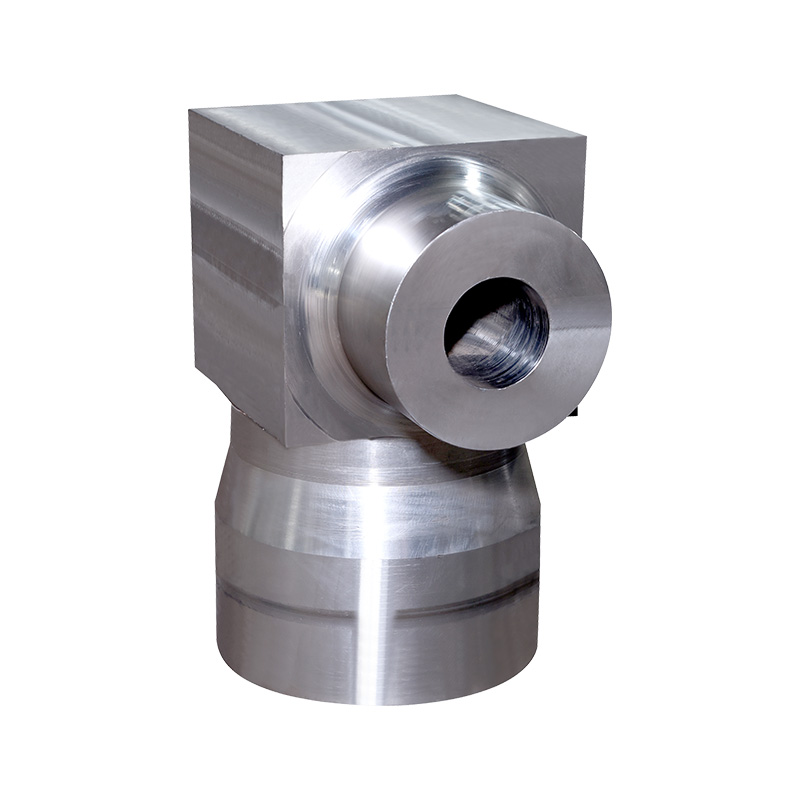
Our valve forgings cover a wide range of valve types, including ball valves, butterfly valves, globe valves,plug valves and check valve...
We provide a range of high-quality material options, including carbon steel, stainless steel, and alloy steel. Due to their different properties, these materials are widely used in the manufacture of various industrial valves.
We are committed to providing customers with customized solutions, whether it is standard-size forgings or special customized parts, we can provide a one-stop service. Our forging products are strictly quality controlled and tested to ensure that each forging can meet the customer's precise specifications, as well as reliability and durability in various harsh environments.
Nuclear power project forgings are specialized high-strength metal parts. Our forging product line covers a variety of alloy steel materials, including A182 F91, F92, F11, F22, F5, and F9, etc., forged to meet the stringent requirements of nuclear power plants and related facilities, ensuring that they can withstand conditions such as high pressure, high temperature and radiation while maintaining structural integrity and safety over a long service life. Our forging products are widely used in various key equipment components in nuclear power projects, providing important support for ensuring the safe and stable operation of nuclear power plants, and we have rich experience in participating in domestic nuclear power projects.
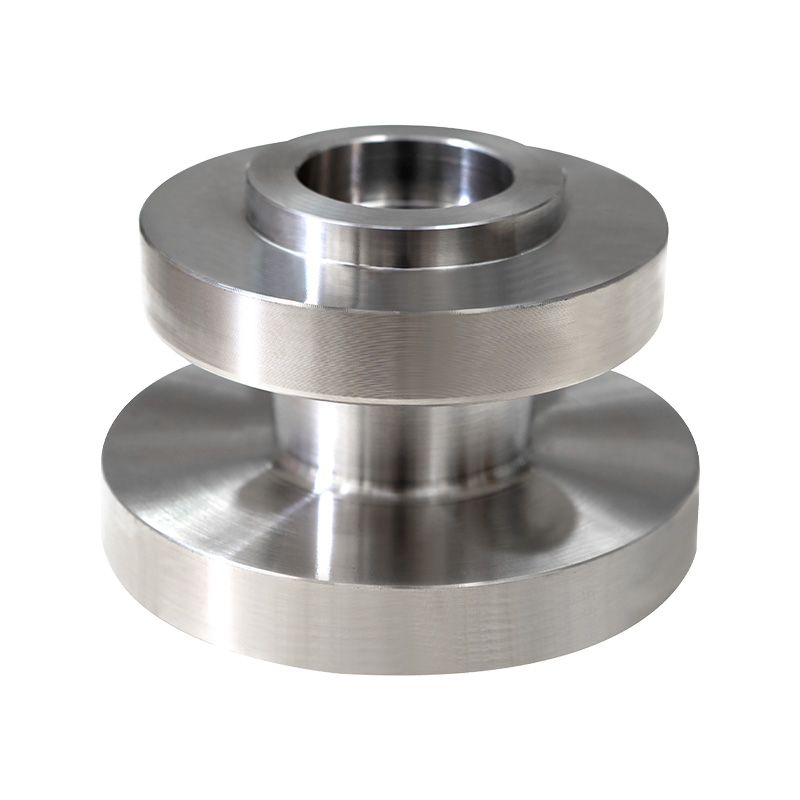
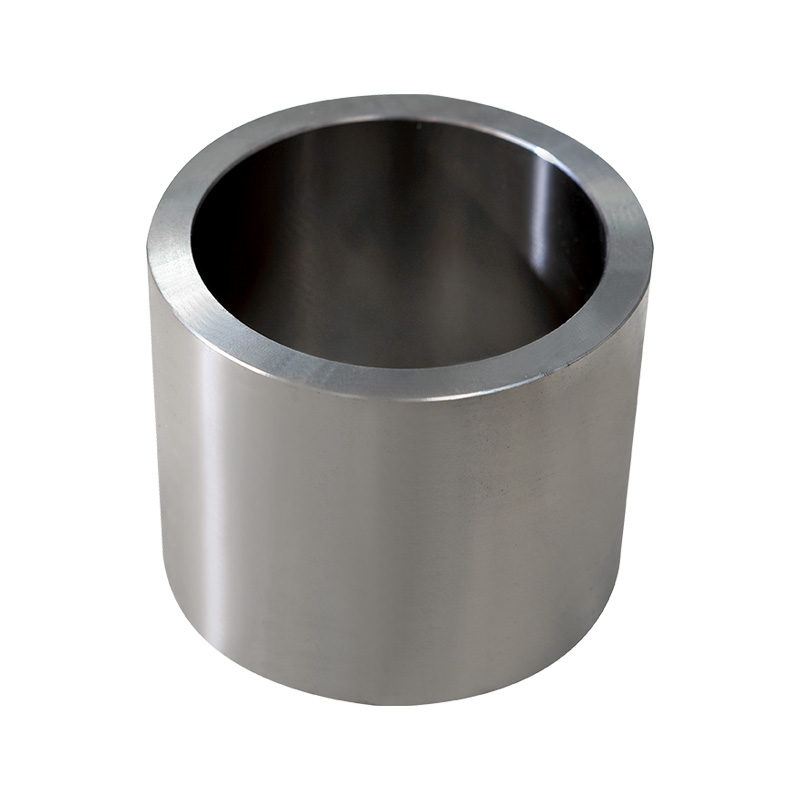
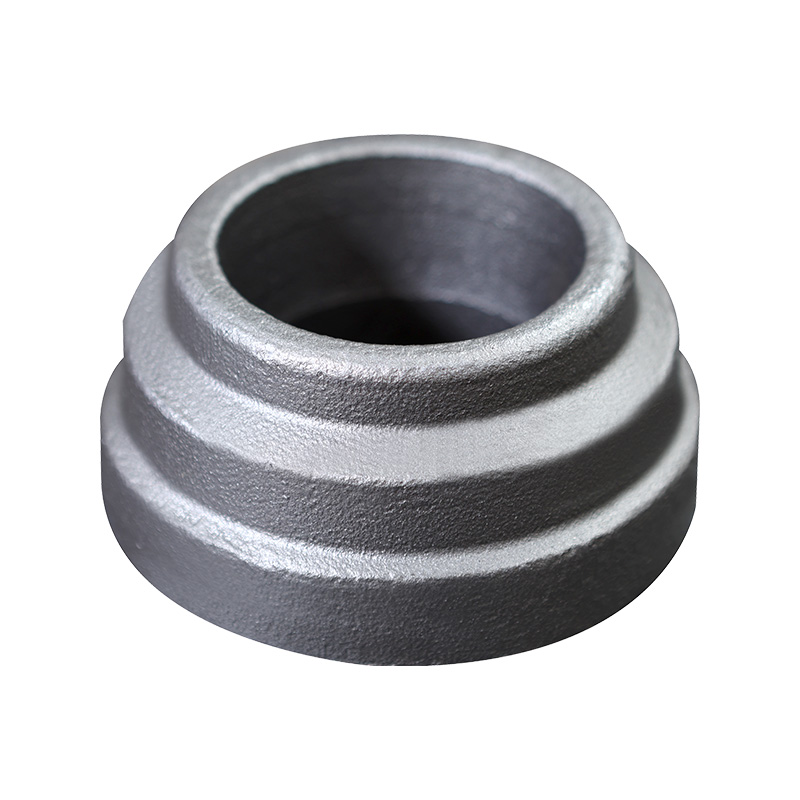
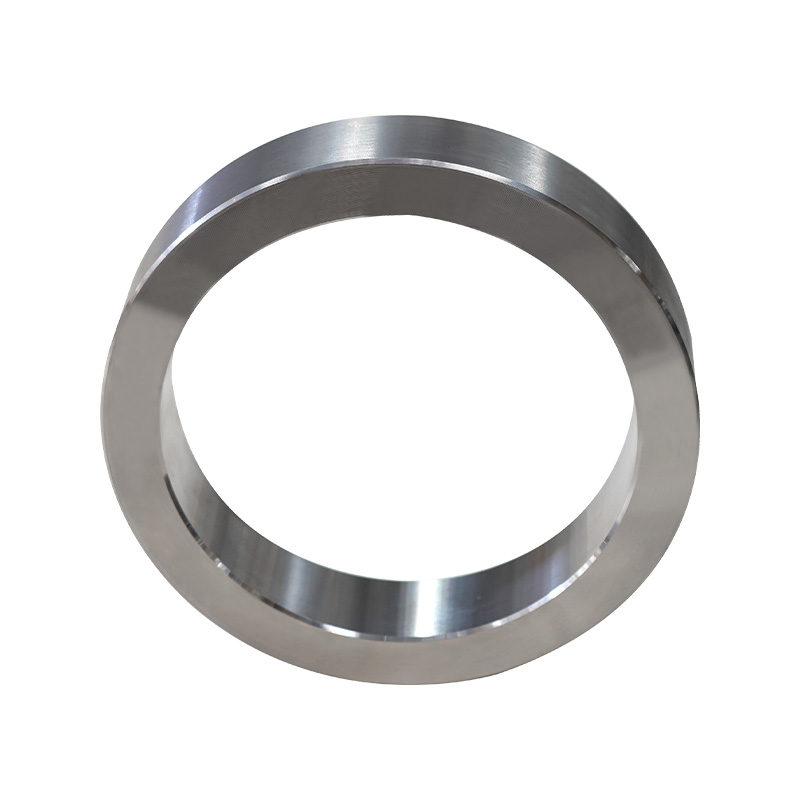
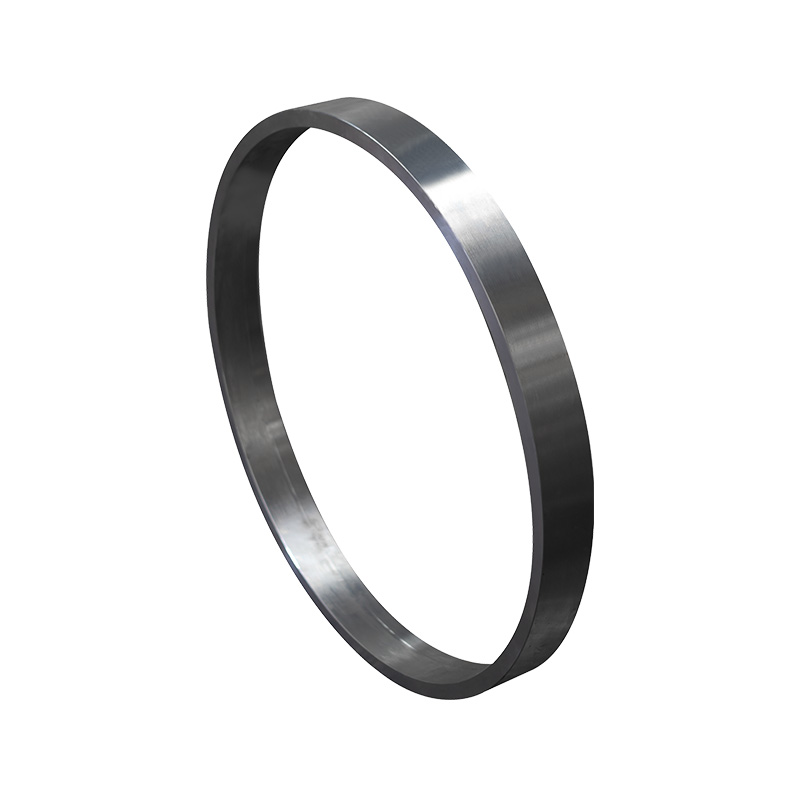
Mining machinery forgings are strong metal parts made of high-strength steel, including 4130, 4140, 4330, 4340, 8620, and 8630, formed by the forging process and used in various mining equipment. These parts are designed to withstand the conditions and heavy loads encountered in mining operations, ensuring the durability and reliability of the machinery. We specialize in providing high-quality forging materials for mining machinery and equipment. Our forgings are suitable for parts of various mining machinery and equipment.
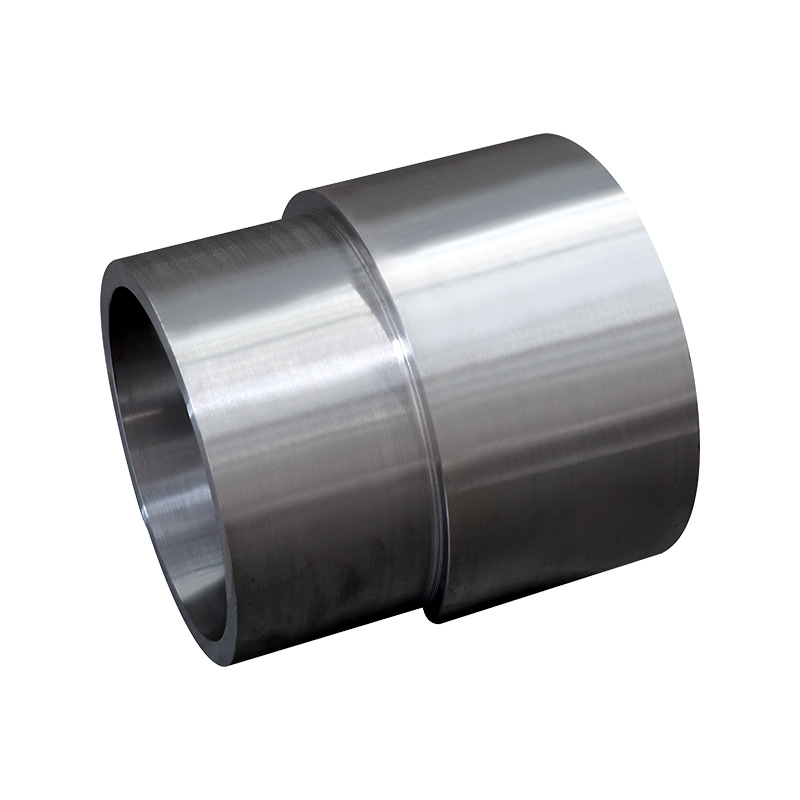
Main material:4130 4140 4330 4340 8620 8630
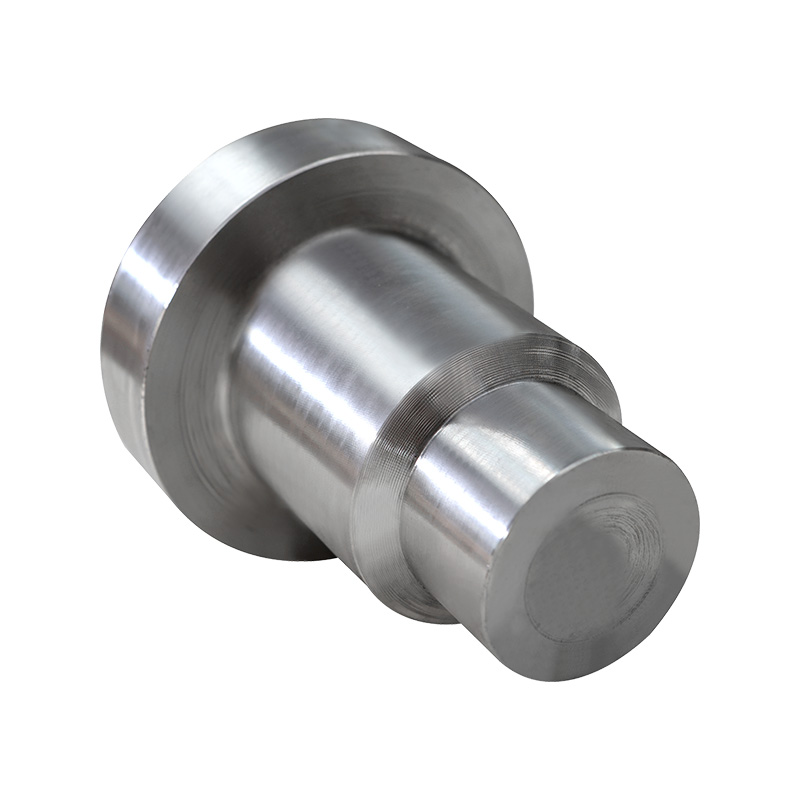
Main material:4130 4140 4330 4340 8620 8630
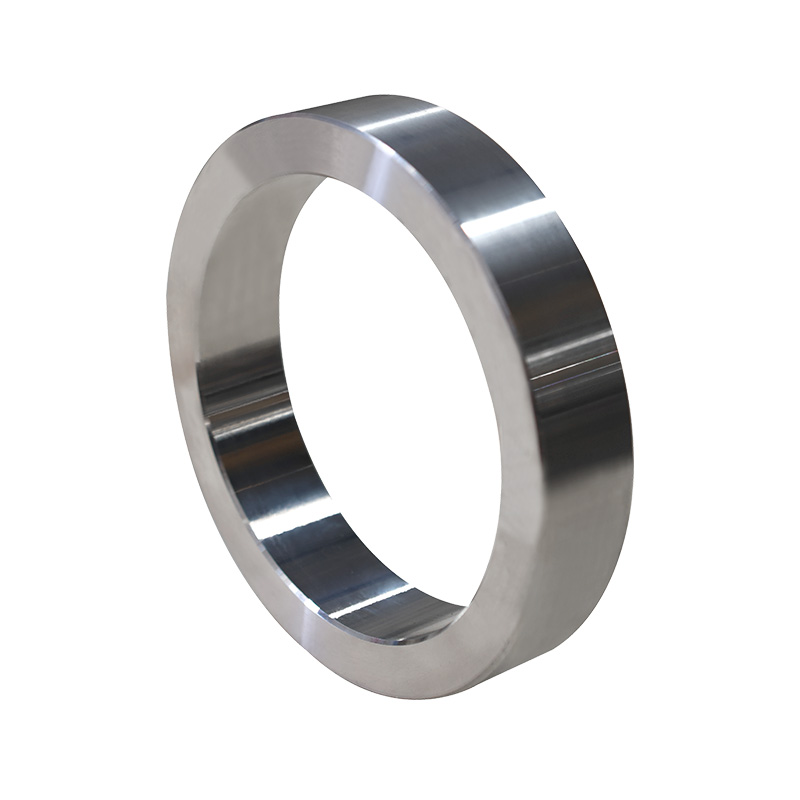
Main material:4130 4140 4330 4340 8620 8630
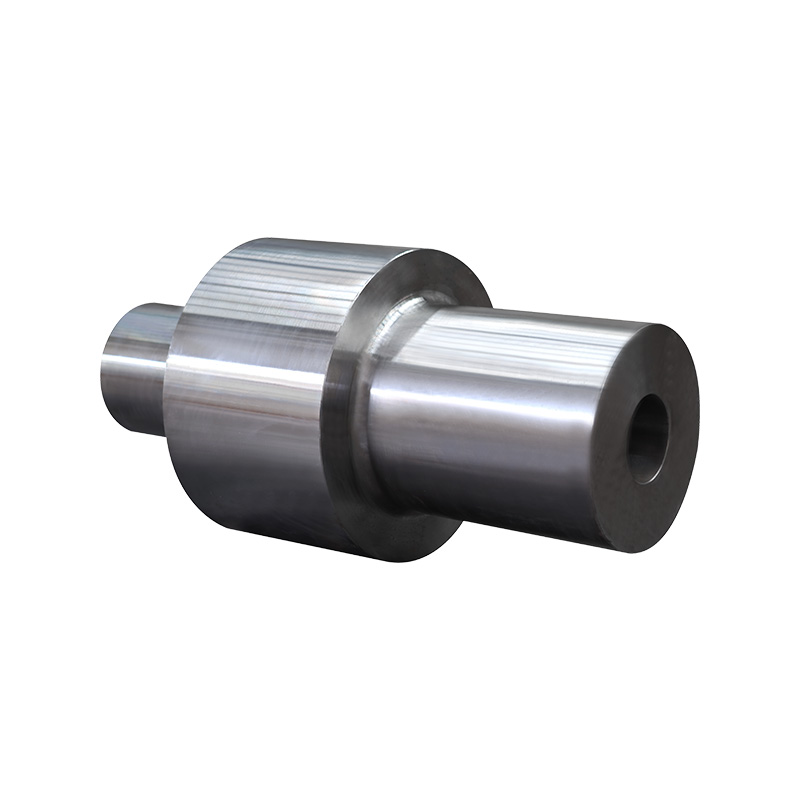
Main material:4130 4140 4330 4340 8620 8630
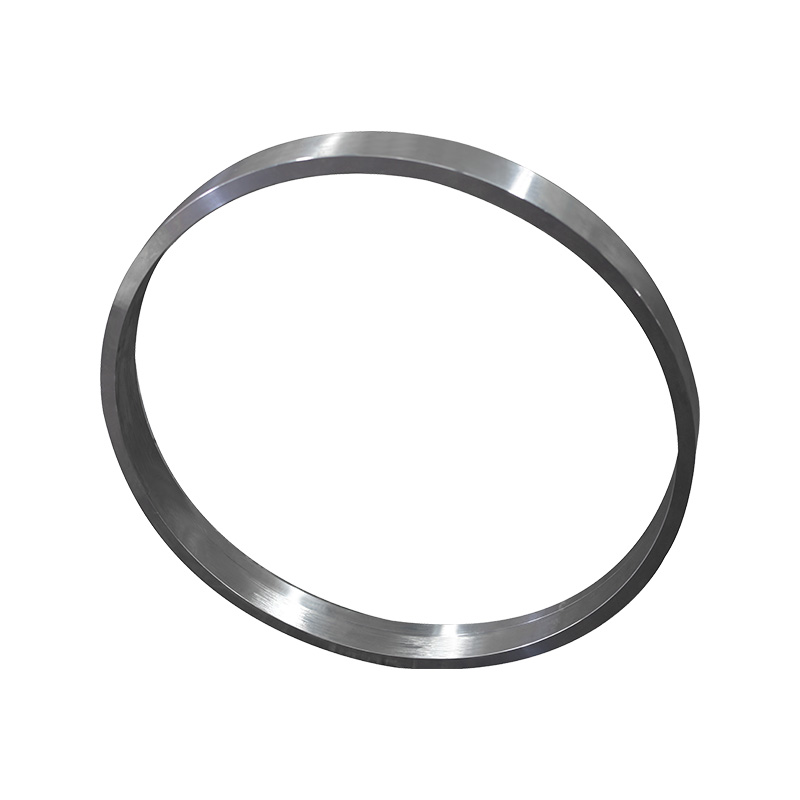
Main material:4130 4140 4330 4340 8620 8630
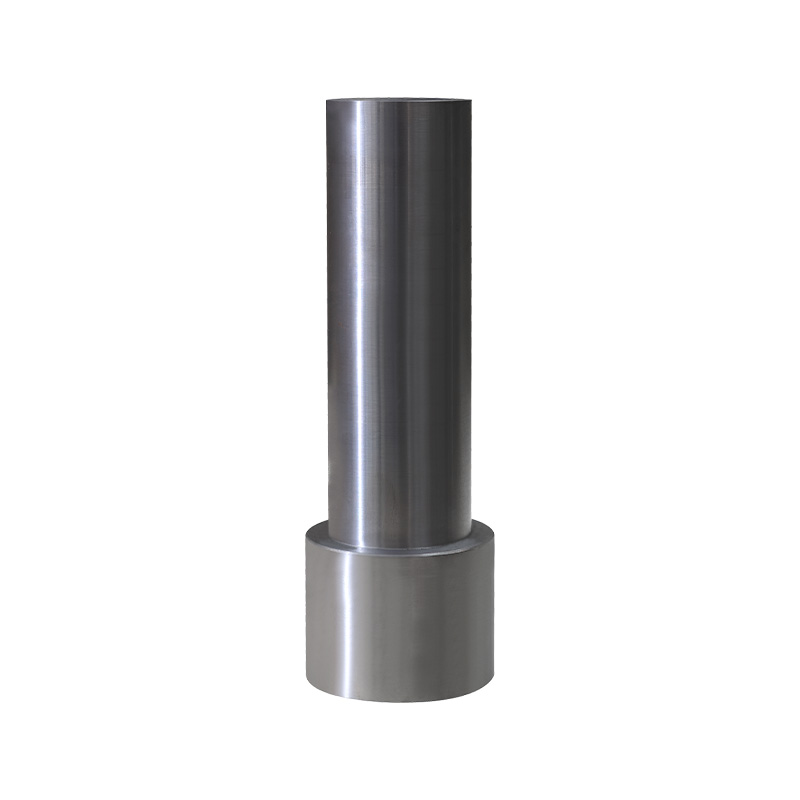
Main material:4130 4140 4330 4340 8620 8630
Oil and gas petrochemical forgings are high-strength metal parts designed specifically for the oil, gas, and petrochemical industries. Their metal materials are 4130, 4140, 4330, 4340, 8620, and 8630, which have mechanical properties and the ability to withstand environments. Forging eliminates internal defects and produces a coherent metal structure that guarantees performance. Where stress and intragranular corrosion are severe, forgings can guarantee a long service life and trouble-free use. Forgings have significant advantages in the oil and gas sector. It is widely used in pipelines, valves, pressure vessels, drilling equipment, wellhead devices refining and chemical equipment, etc., providing a solid guarantee for industrial safety, reliability, and efficient operation.
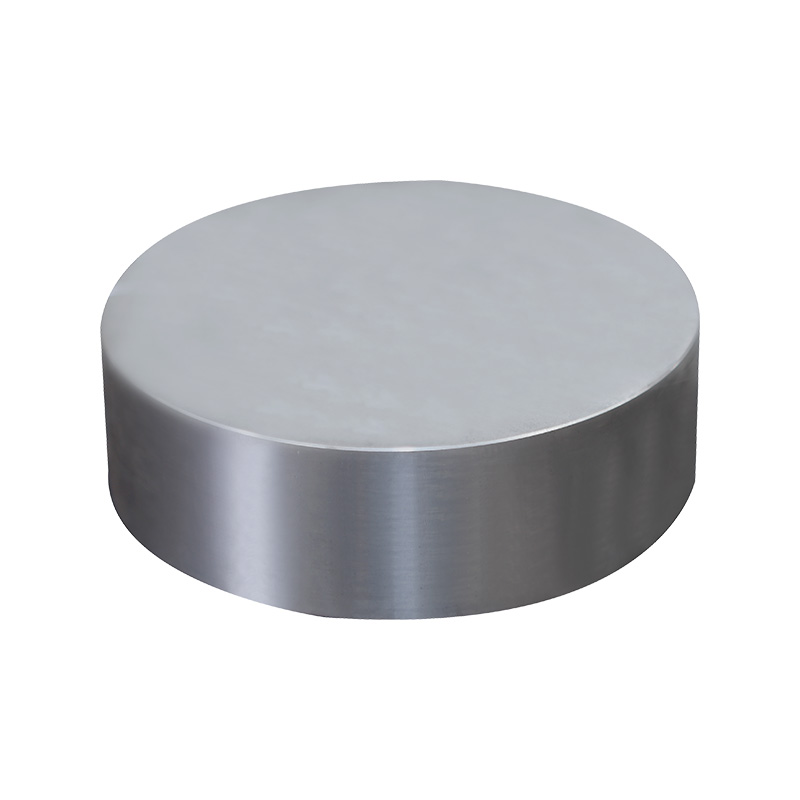
Main material:4130 4140 4330 4340 8620 8630
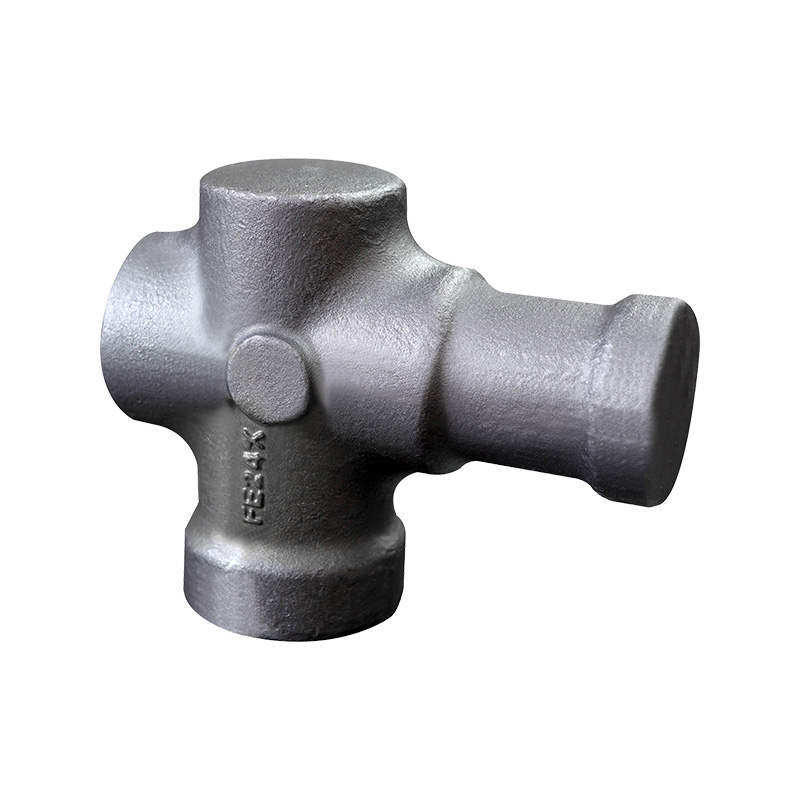
Main material:4130 4140 4330 4340 8620 8630
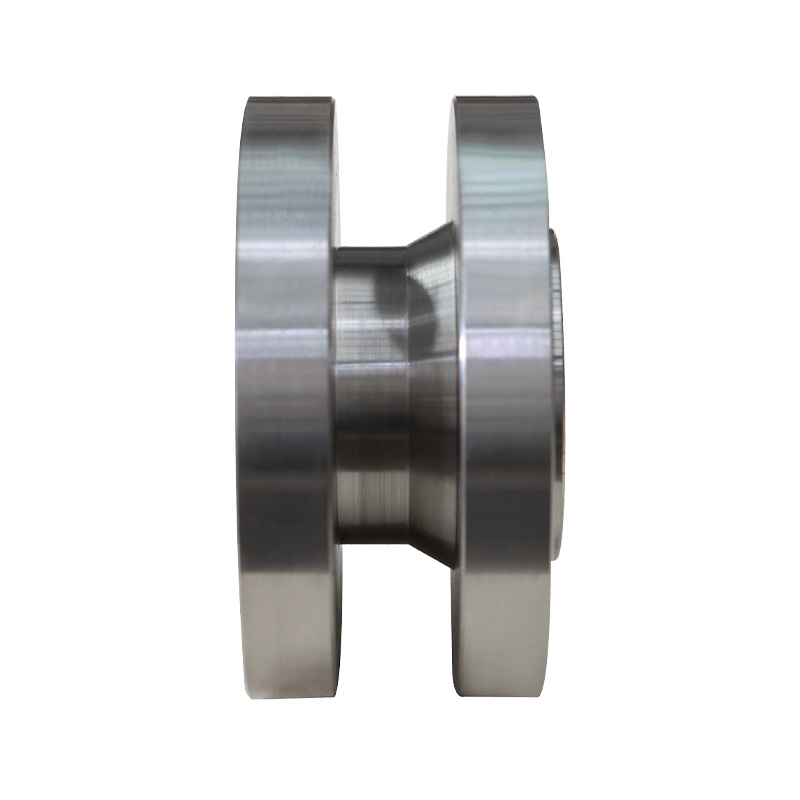
Main material:4130 4140 4330 4340 8620 8630
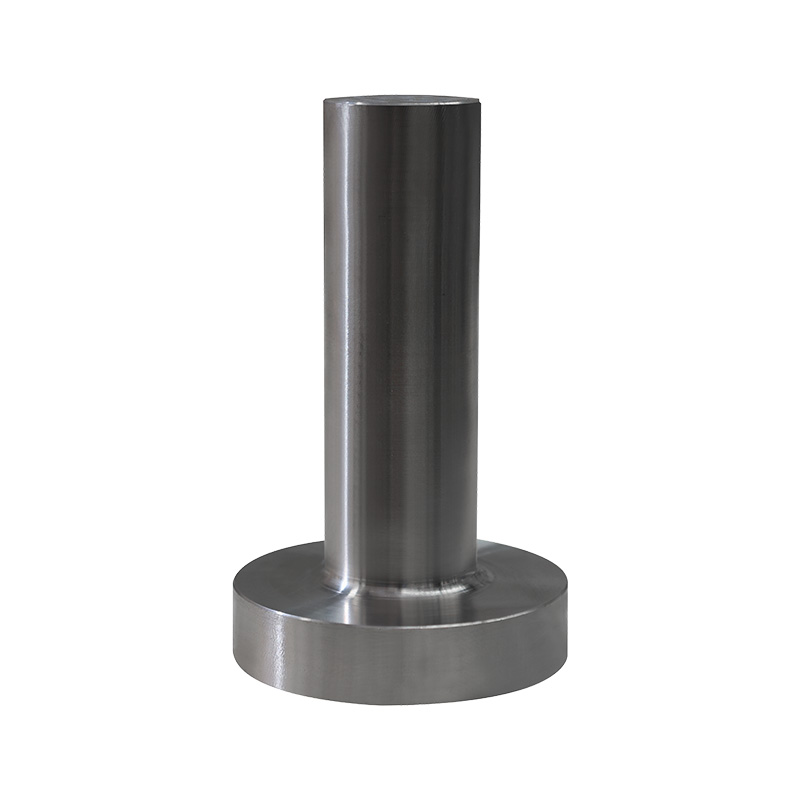
Main material:4130 4140 4330 4340 8620 8630
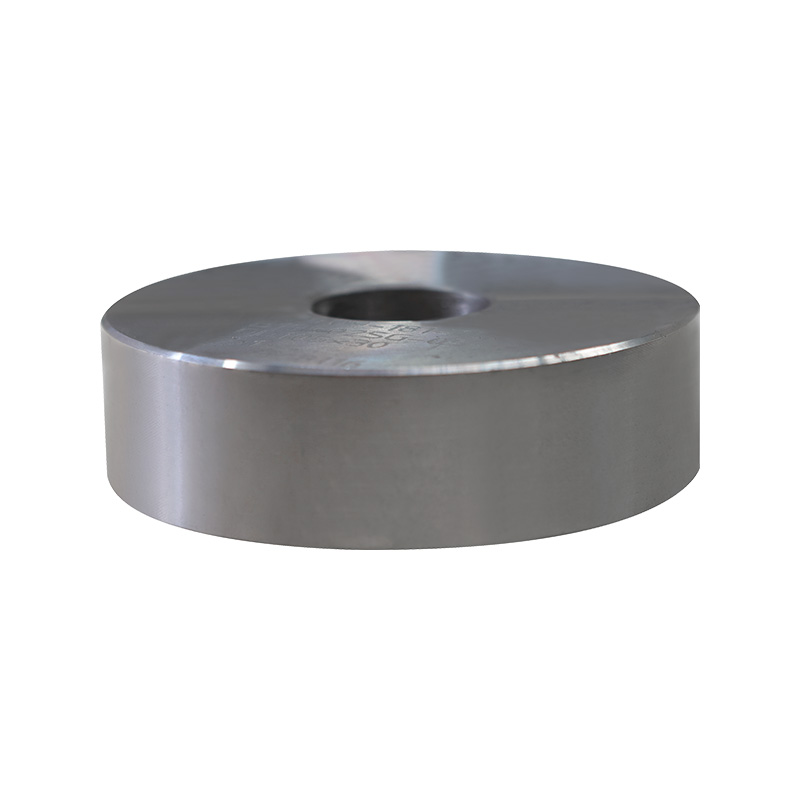
Main material:4130 4140 4330 4340 8620 8630
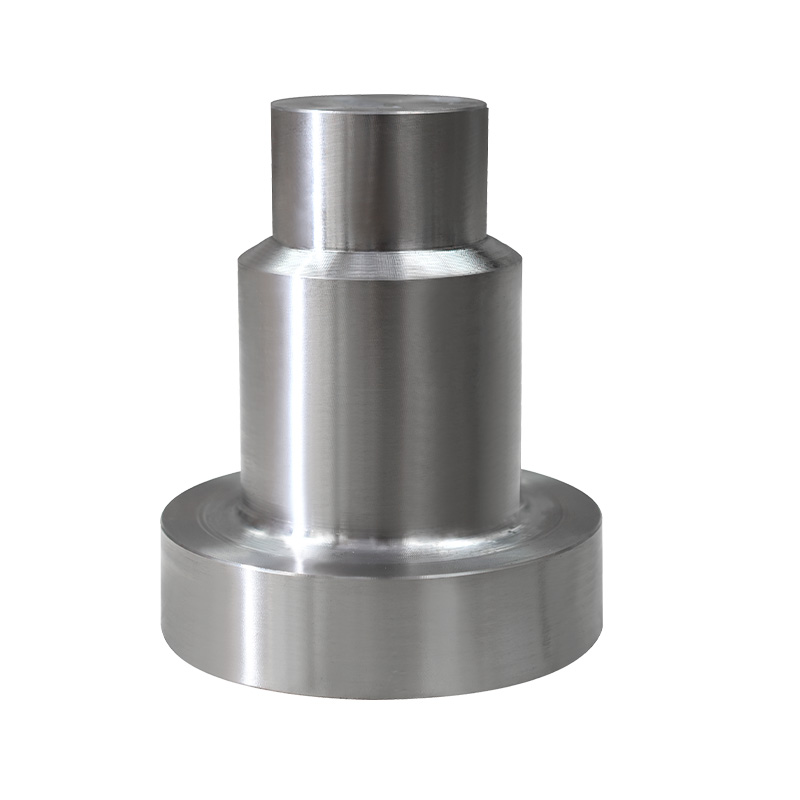
Main material:4130 4140 4330 4340 8620 8630
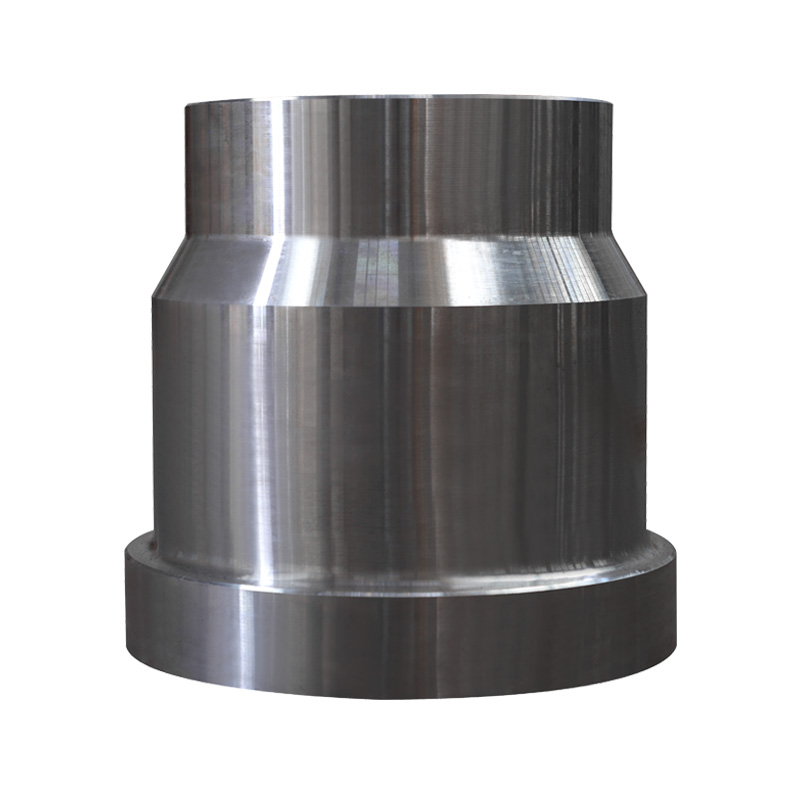
Main material:4130 4140 4330 4340 8620 8630
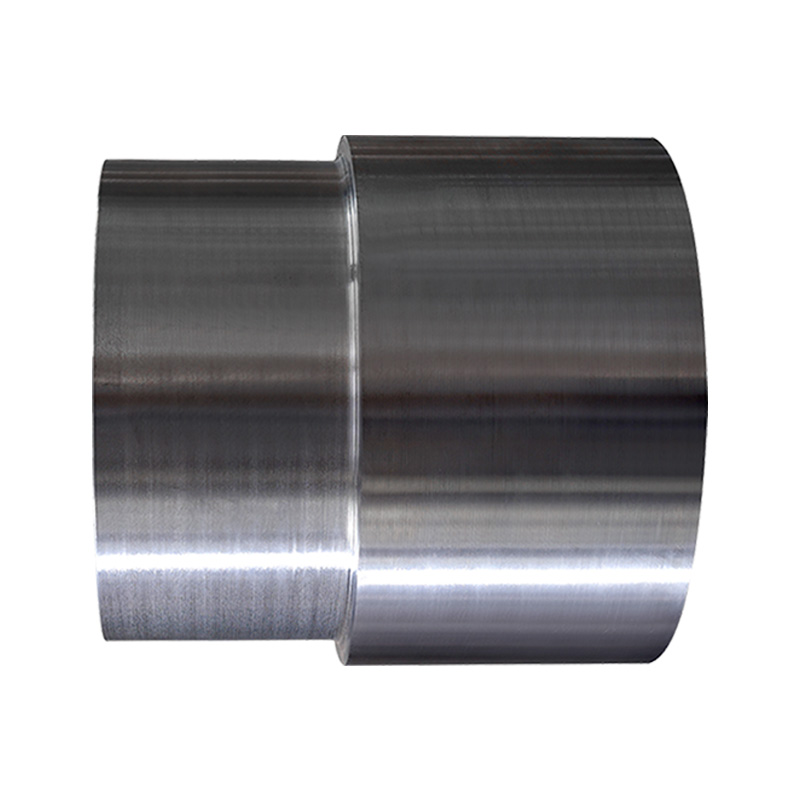
Main material: F6NM F316 F91 N04400
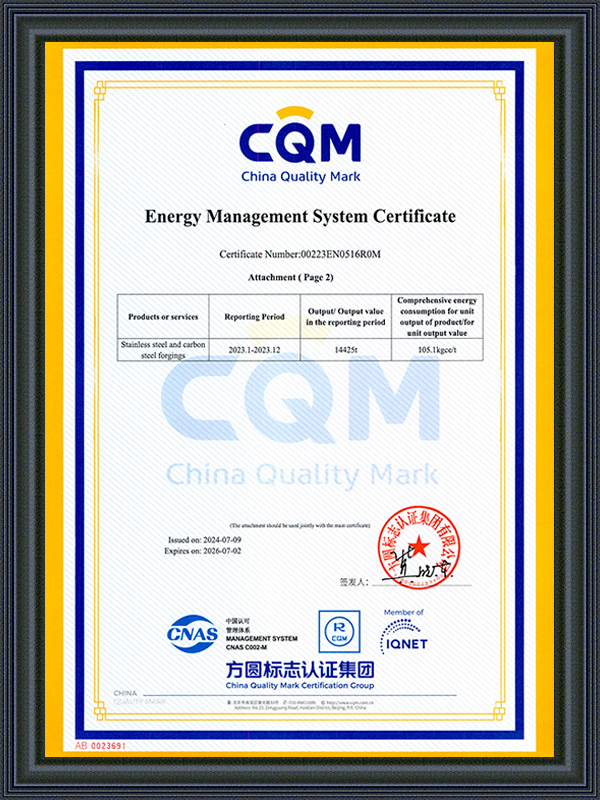
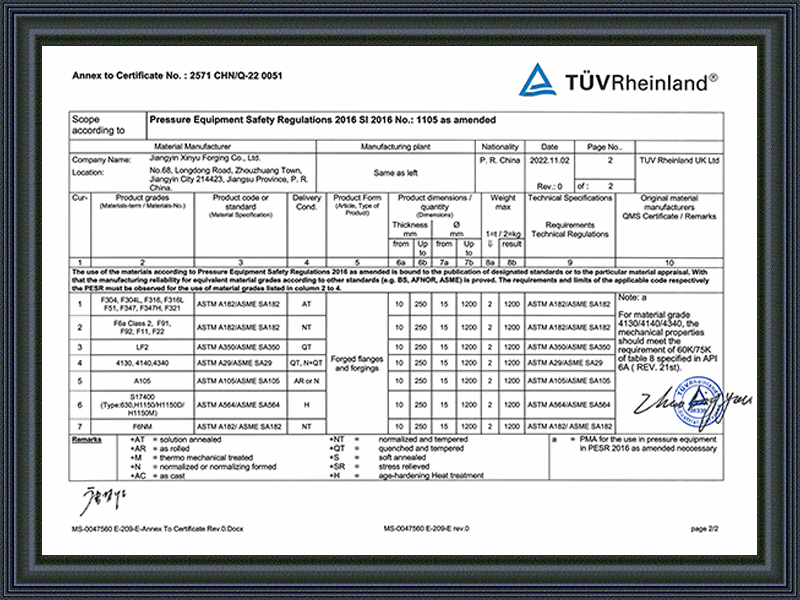
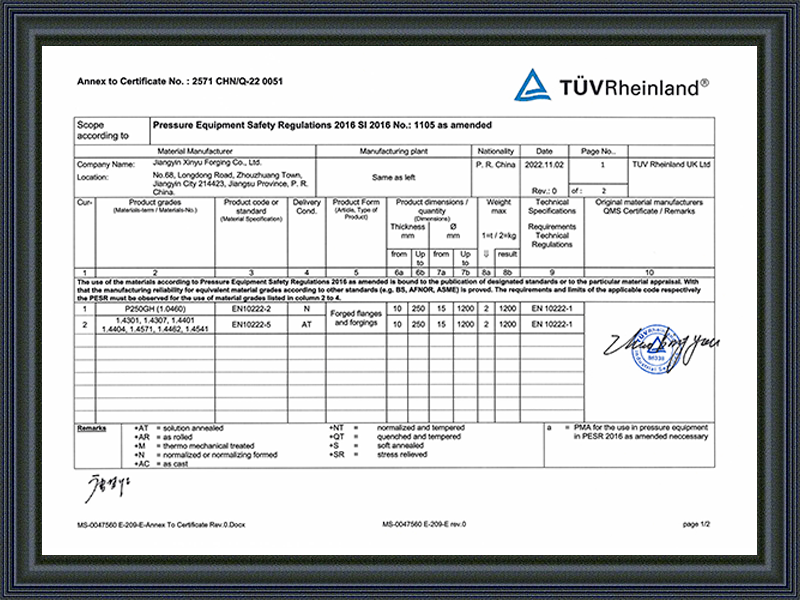
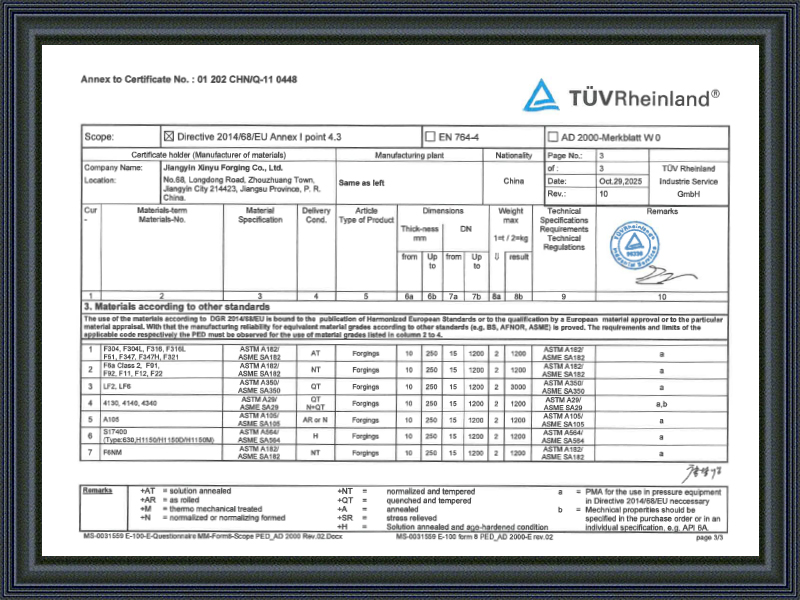
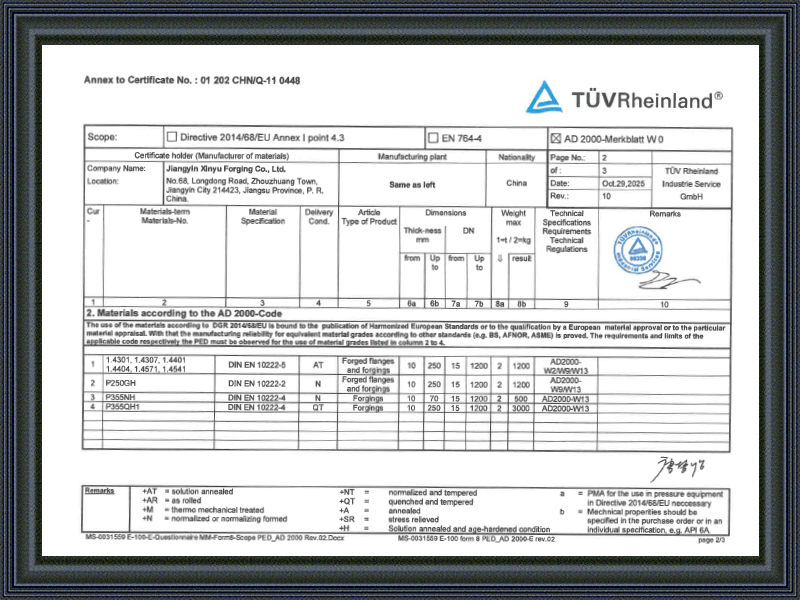
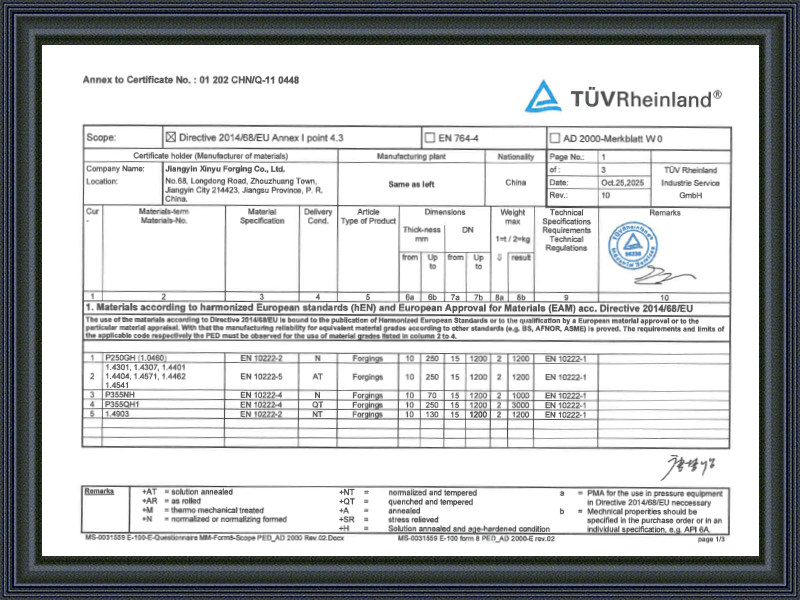
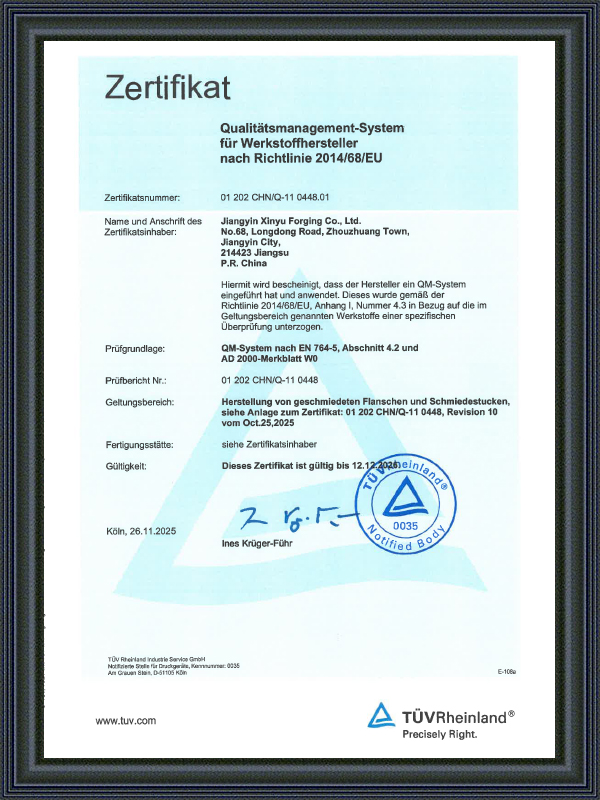
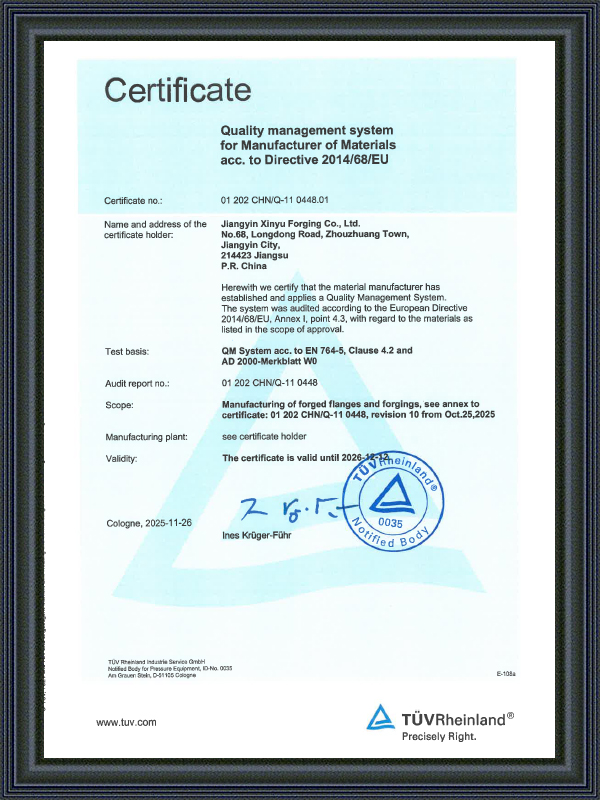
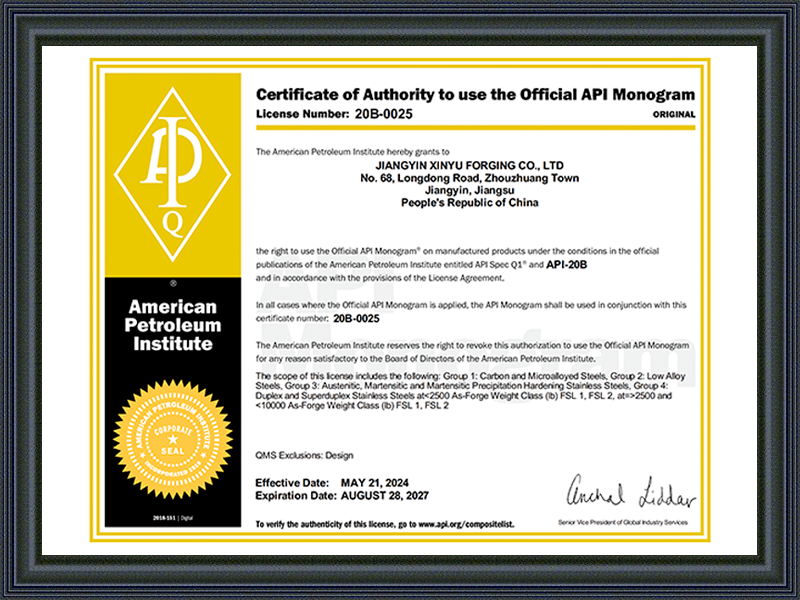
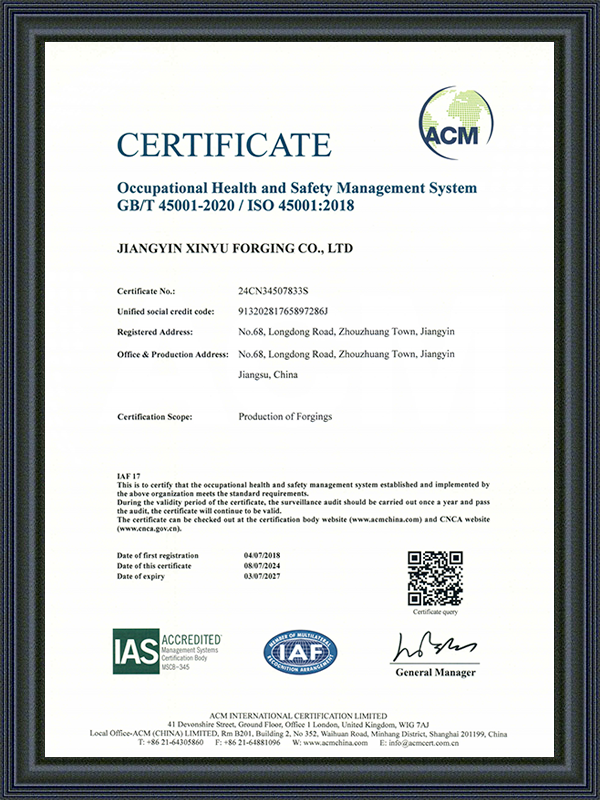
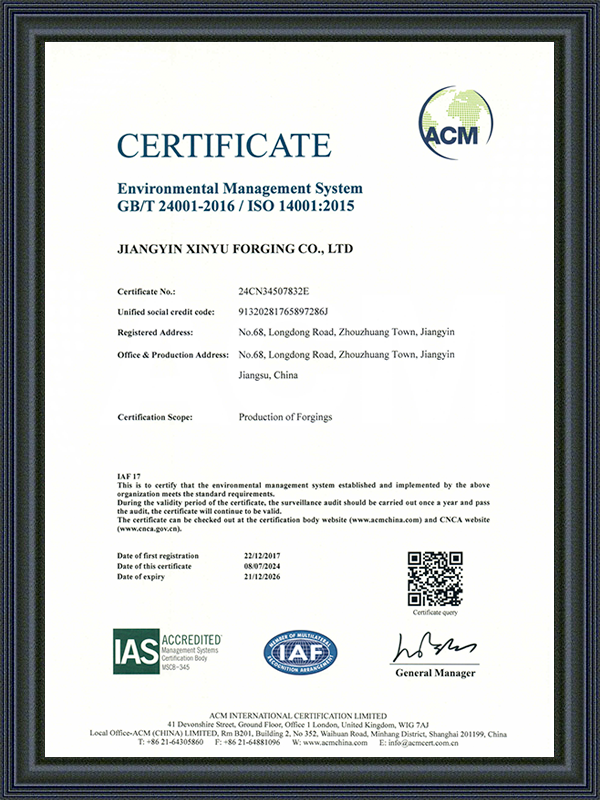
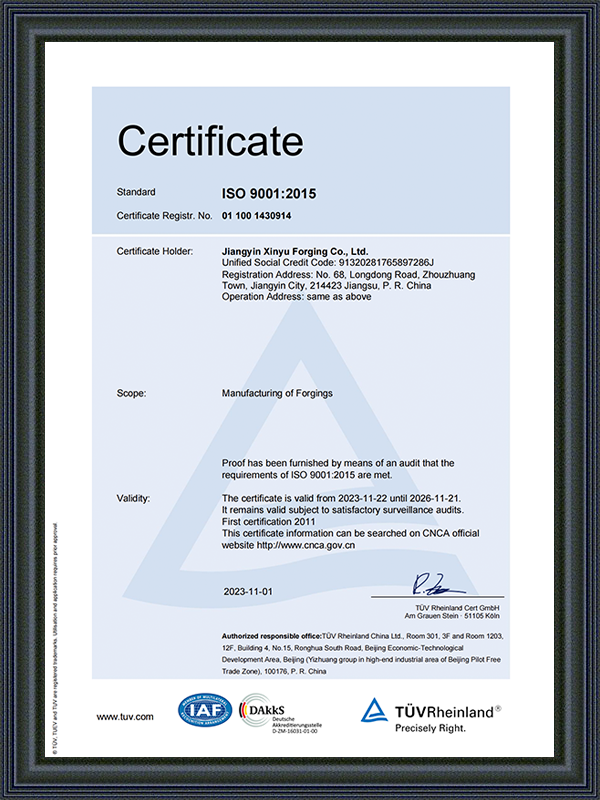
Alloy steel is significantly stronger than plain carbon steel. Depending on the grade and heat trea...
View MoreSteel forging is one of the oldest and most reliable metalworking processes in manufacturing. The s...
View MoreDirect Answer: The Formula for Forging Cost Calculation Calculating the total cost of steel forging...
View MoreDirect Answer: Which Method is More Cost-Effective? In the short term and for simple, high-volume p...
View MoreThe Best Steel for Forging: Direct Conclusion There is no single "perfect" steel for every project,...
View MoreIn oil, natural gas, and complex chemical media transportation systems, the safety of pressure vessels and wellhead equipment directly depends on the mechanical properties of core components. Jiangyin Xinyu Forging Co., Ltd., leveraging its deep industry experience, integrates materials science and precision forging technology to provide customized solutions for extreme operating conditions to global industrial clients.
I. Tubing Head Steel Forgings: The Core Barrier for Wellhead Safety
As a crucial connecting component between the Christmas tree and the casing head, the forging quality of the tubing head directly impacts the wellhead's sealing performance and pressure-bearing capacity.
Stress Distribution and Structural Integrity
Tubing head forgings undergo rigorous initial and final forging temperature control before processing. A high-compression forging process effectively breaks down coarse grains within the ingot, ensuring a uniform distribution of metal fibers along the part's shape. This streamlined structure significantly enhances the fatigue strength of the part under multi-directional alternating loads.
H2S Resistance
In deep well development, acidic environments pose a significant challenge to metallic materials. High-quality tubing head forgings, through precise compositional fine-tuning and special hardness control processes, effectively prevent hydrogen-induced cracking (HIC) and sulfide stress cracking (SSC), ensuring the absolute safety of the wellhead equipment throughout its service life.
Surface Strengthening of Sealing Surfaces
The forging process imparts a dense microstructure to the material, providing a solid foundation for subsequent precision machining. Especially in the hanger sealing area, the high-density metallic structure ensures that the sealing ring does not creep under long-term high-pressure extrusion.
II. Stainless Steel Forgings: Preferred for Corrosion Resistance and Ultra-Low Temperature Environments
Stainless steel forgings dominate in the pharmaceutical, food processing, and deep-sea engineering industries. Jiangyin Xinyu Forging Co., Ltd. has unique temperature control strategies when processing different series of stainless steel materials.
Intergranular Balance between Austenitic and Duplex Steels
When forging austenitic stainless steel (such as 316L), rapid penetration of the sensitization temperature range is key to preserving its corrosion resistance. Subsequent solution treatment eliminates forging stress and completely dissolves chromium-carbon compounds, preventing intergranular corrosion during use.
Adaptability to Extreme Environments
Stainless steel forgings not only exhibit stability at high temperatures but also maintain good impact toughness in liquid nitrogen-level cryogenic environments. Compared to castings, forgings eliminate porosity and looseness, providing unparalleled sealing advantages in high-vacuum or ultra-clean systems.
III. Alloy Steel Forgings: A Balance of Mechanical Properties and Toughness
Alloy steel forgings are the cornerstone of the heavy equipment manufacturing industry. The addition of alloying elements such as chromium, nickel, and molybdenum significantly enhances the hardenability and overall mechanical properties of the material.
Deep Penetration of Heat Treatment
The advantage of alloy steel lies in its heat treatment response. Alloy steel forgings, after quenching and tempering (quenching + tempering), achieve a tempered sorbite structure, maintaining high hardness while possessing an excellent balance of plasticity and toughness.
Wear Resistance and Impact Resistance
In applications such as drive shafts, high-pressure gears, and large flanges, alloy steel forgings exhibit superior surface hardness and core toughness. This "hard exterior, tough interior" characteristic makes it an ideal choice for heavy-duty applications.
IV. Comparison Table of Core Performance Characteristics
The table below objectively illustrates the characteristic emphasis of three main types of forgings in industrial applications:
| Dimension | Tubing Head Steel Forgings | Stainless Steel Forgings | Alloy Steel Forgings |
| Core Advantage | Superior pressure containment and sealing integrity. | Exceptional chemical stability and oxidation resistance. | Outstanding balance of mechanical strength and hardness. |
| Microstructure | High-density forged flow lines with grain refinement. | Stable austenitic or duplex ferritic-austenitic structure. | Uniform tempered sorbite structure via heat treatment. |
| Typical Working Conditions | High-pressure wellheads, sour gas (H2S) environments, cyclic loading. | Harsh corrosive media, sanitary-grade systems, subsea applications. | Heavy-duty power transmission, high-temp/high-pressure vessels. |
| Manufacturing Focus | Internal defect detection (UT/MT) and structural grain flow control. | Work-hardening management and precise solution annealing. | Hardenability optimization and residual stress relief. |
V. Frequently Asked Questions (FAQ)
Q1: Why must forged tubing heads be used instead of castings in oil and gas extraction?
A: Wellhead equipment faces unpredictable crustal pressure and fluid impact. Castings are prone to micropores or shrinkage cavities, which can lead to catastrophic leaks under high pressure. Forging completely eliminates internal porosity through physical extrusion, significantly improving the tensile strength and yield ratio of the material.
Q2: How can we ensure that stainless steel forgings do not lose their corrosion resistance after forging?
A: The key lies in heat treatment. Jiangyin Xinyu Forging Co., Ltd. strictly implements post-forging solution treatment to ensure that chromium is evenly distributed in the matrix, avoiding the formation of chromium-depleted zones, thereby blocking corrosion pathways at the microscopic level.
Q3: What is the significance of "quenching and tempering" for alloy steel forgings in practical applications?
A: Quenching and tempering can significantly improve the yield strength ratio of the material. This means that under the same load, alloy steel forgings can be designed to be lighter, and when subjected to unexpected overload impacts, they undergo slight plastic deformation rather than brittle fracture, increasing the system's safety margin.
Q4: How does ambient temperature affect the selection of these three types of forgings?
A: If low temperatures of around -196°C are involved, stainless steel (austenitic) is the only choice; for conventional high-temperature and high-pressure applications (such as 300-500°C), alloy steel has better creep resistance; while tubing head forgings require a specific thermal stability assessment based on formation fluid temperatures.
VI. About Jiangyin Xinyu Forging Co., Ltd.
As a leading supplier in the industry, Jiangyin Xinyu Forging Co., Ltd. always adheres to a customer-centric approach. We not only provide raw materials that meet international standards, but also integrate "integrity management" into every forging process. From raw material spectral analysis upon arrival to multi-dimensional non-destructive testing of finished products, Xinyu ensures that every tubing head, stainless steel, and alloy steel forging leaving the factory can serve stably in harsh environments.
We deeply understand that every forging is part of the lifeline of our customers' equipment. Choosing Xinyu means choosing reliable engineering guarantees and a long-term quality commitment.

Tel: +86-13915203580 / +86-18861681298

E-mail: info@xinyuforging.com

Add: 68# Longdong RD, Zhouzhuang Town, Jiangyin, China.
Copyright © by Jiangyin Xinyu Forging Co., Ltd. Rights Reserved. Wholesale Tubing Head Steel Forgings Supplier

 英语
英语 德语
德语 阿拉伯语
阿拉伯语