

Get Free Quote


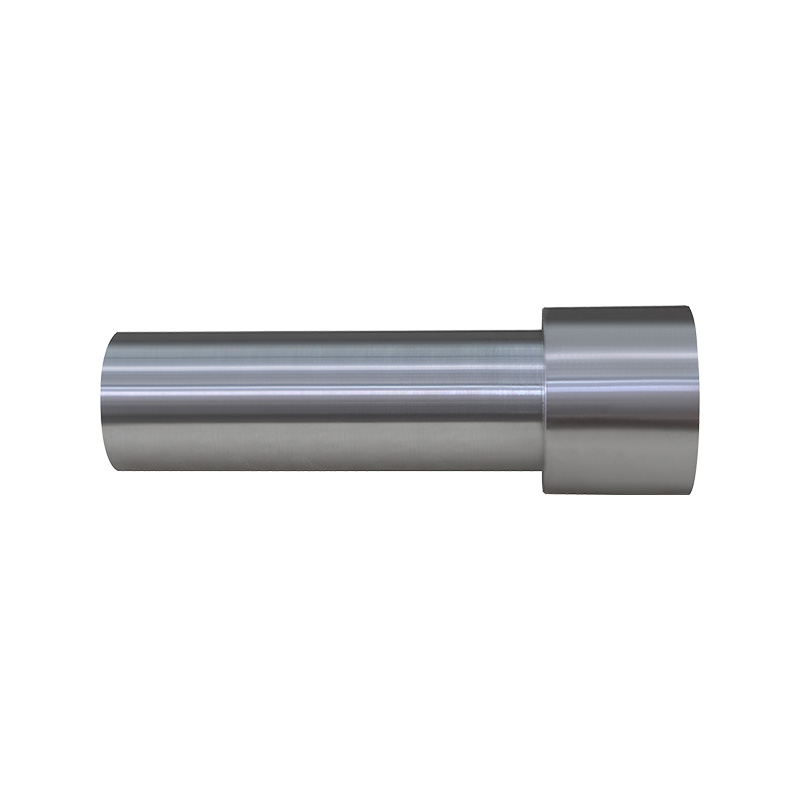
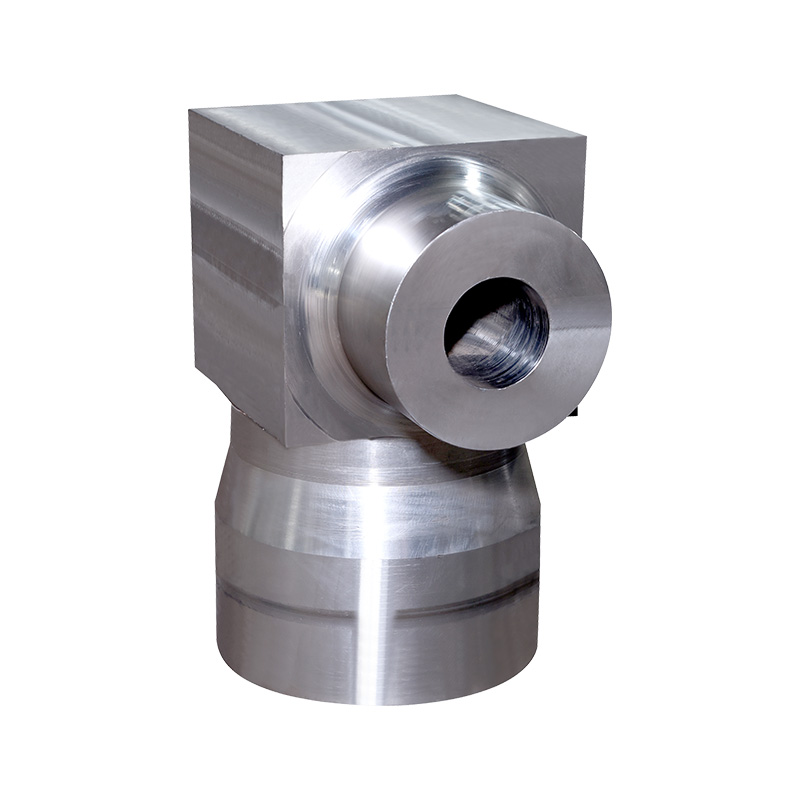
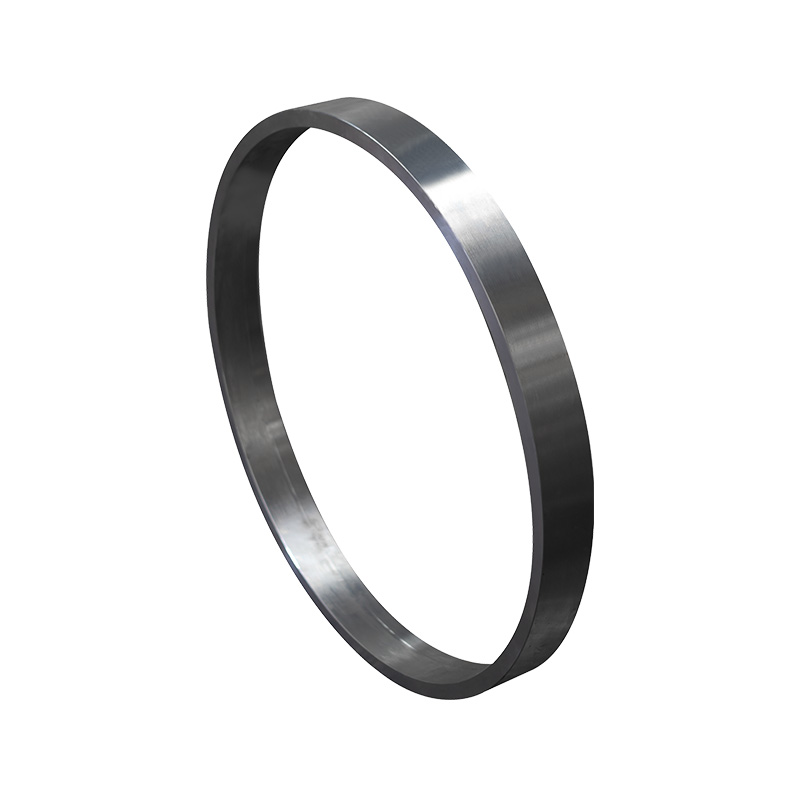
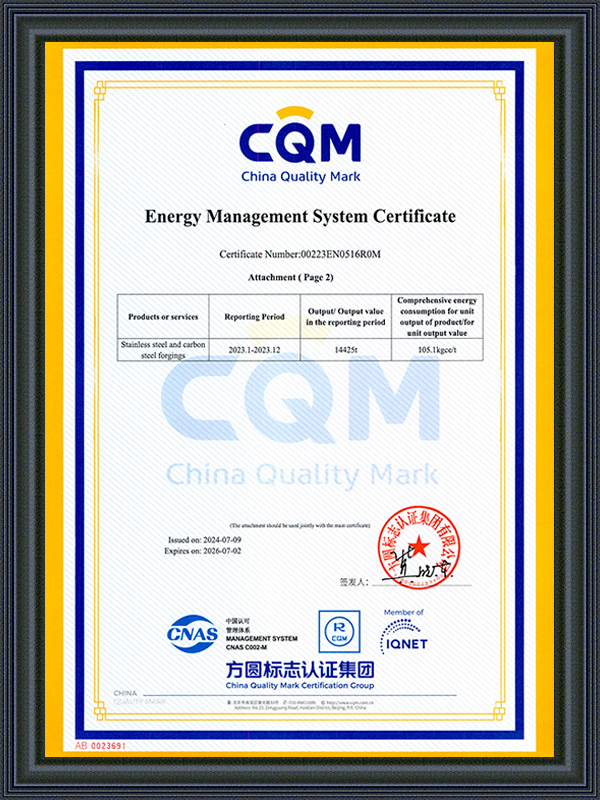
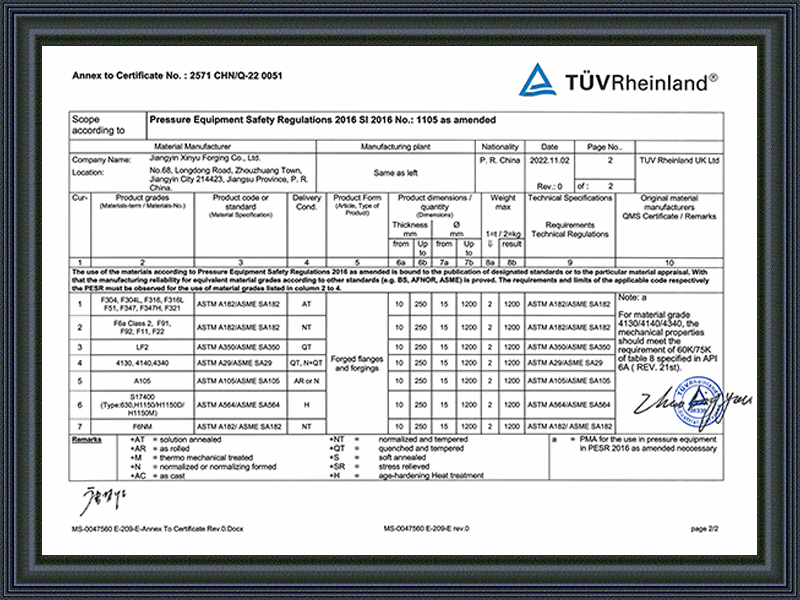
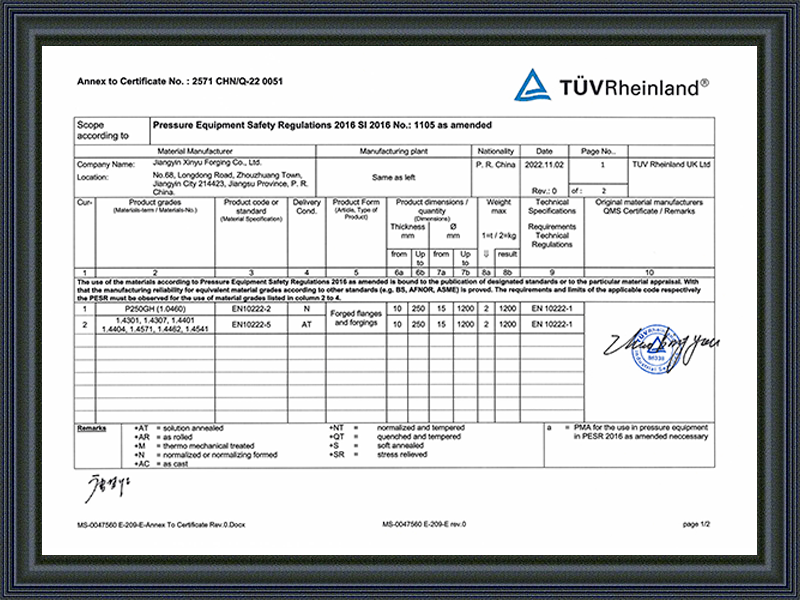
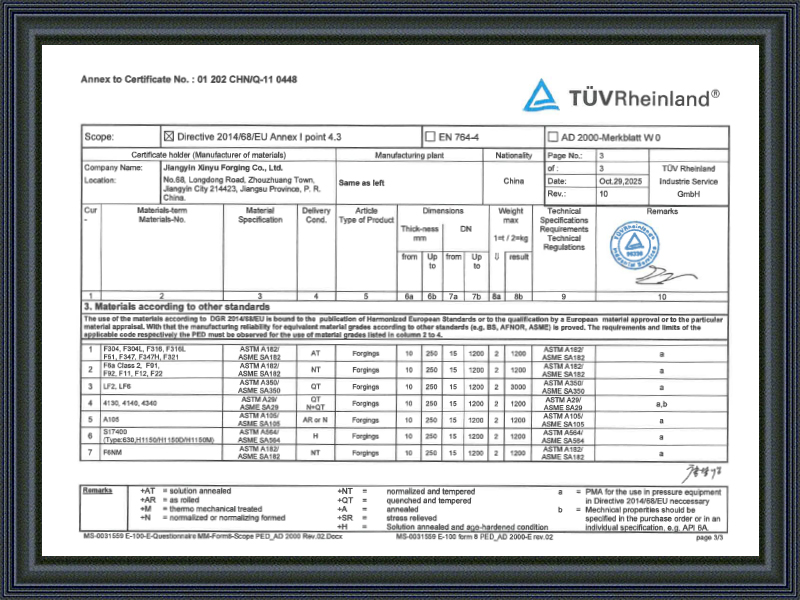
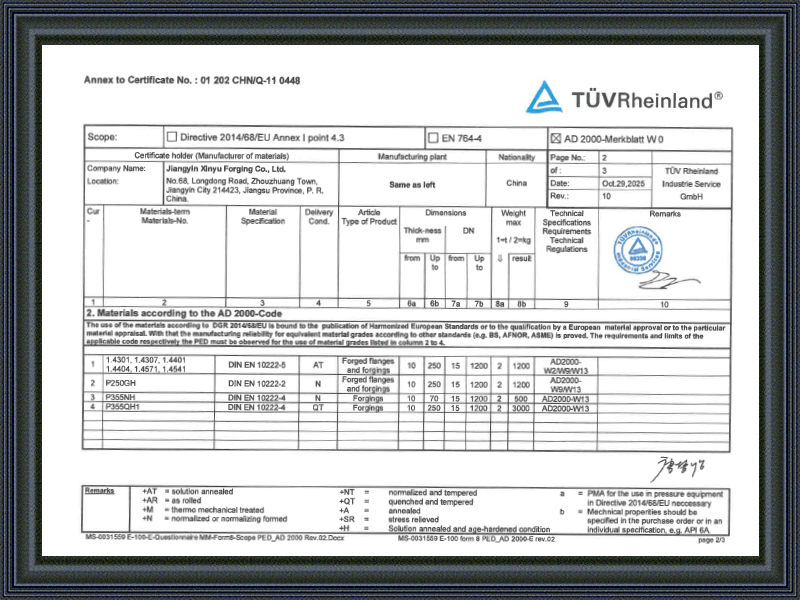
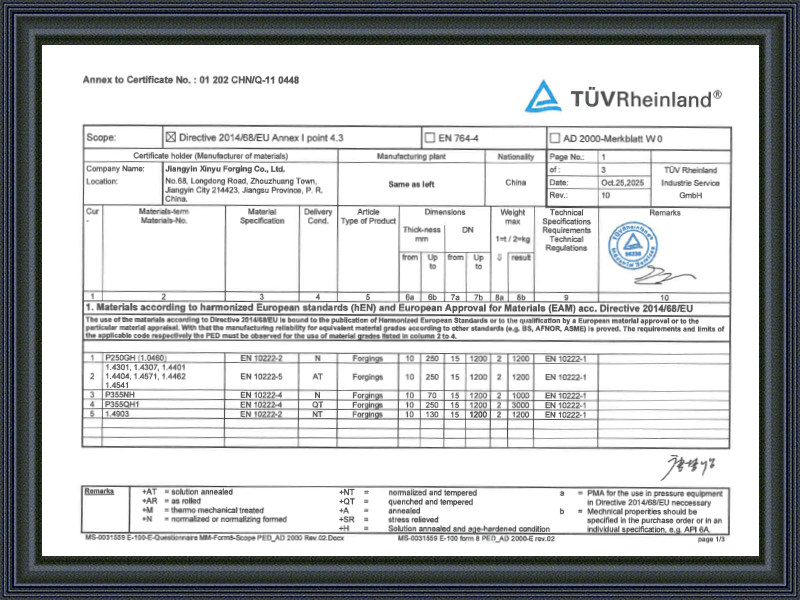
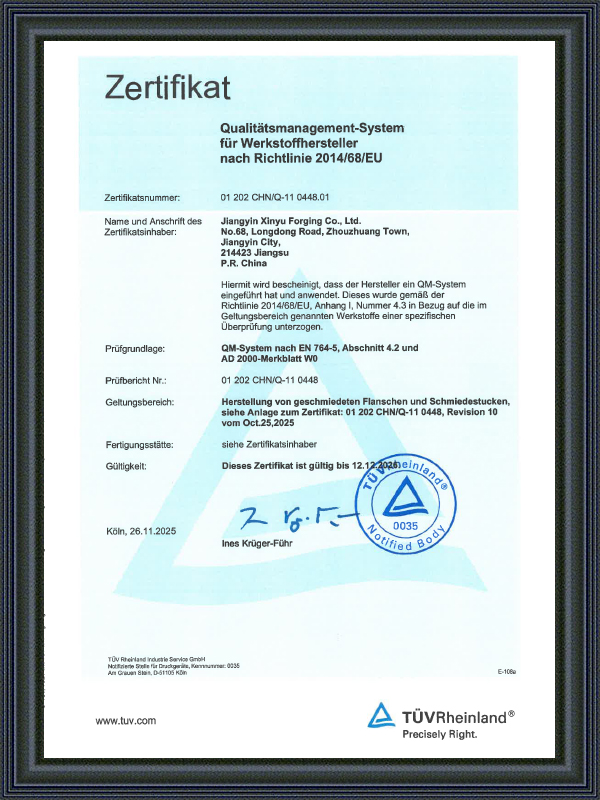
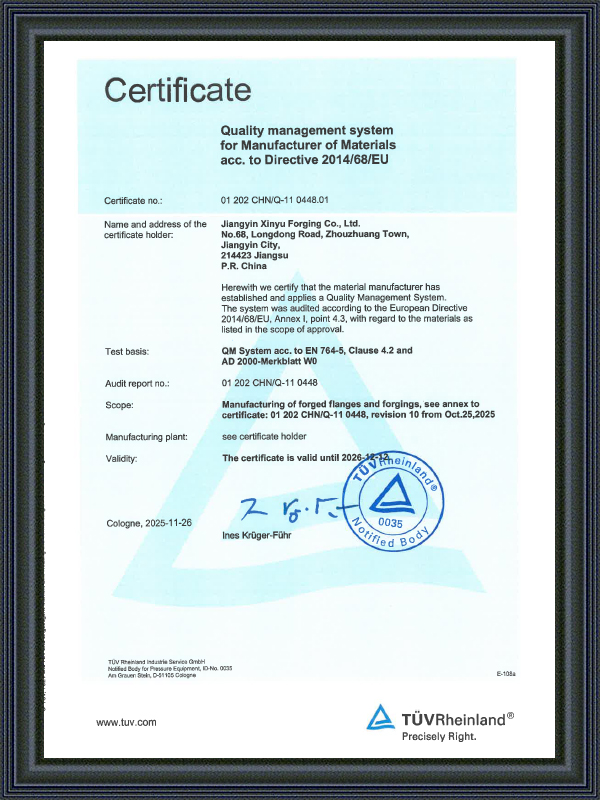
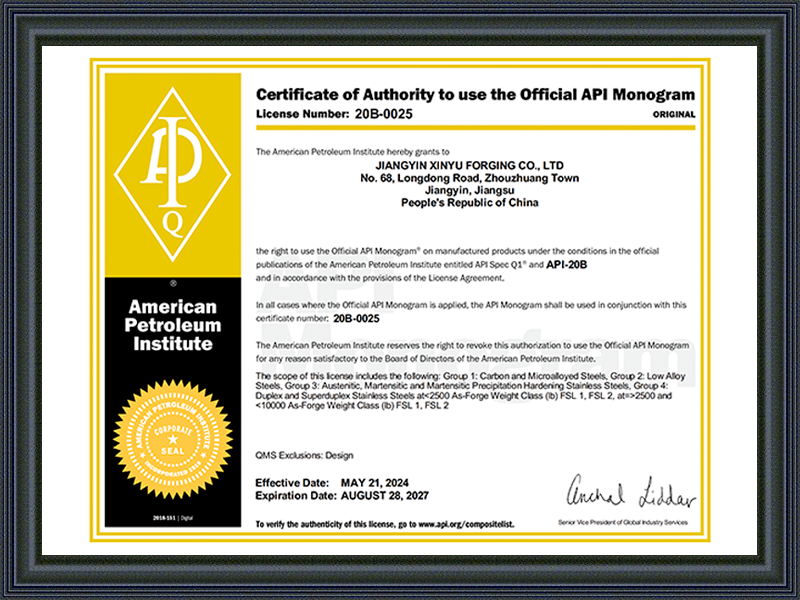
Nuclear power project forgings are specialized high-strength metal parts. Our forging product line covers a variety of alloy steel materials, including A182 F91, F92, F11, F22, F5, and F9, etc., forged to meet the stringent requirements of nuclear power plants and related facilities, ensuring that they can withstand conditions such as high pressure, high temperature and radiation while maintaining structural integrity and safety over a long service life. Our forging products are widely used in various key equipment components in nuclear power projects, providing important support for ensuring the safe and stable operation of nuclear power plants, and we have rich experience in participating in domestic nuclear power projects.
Most metals with enough ductility can be forged, but not every metal is practical for industrial parts. The metals commonly chosen for forged compone...
View MoreWhen selecting a material for a forged industrial component, the choice between stainless steel and mild steel is one of the most consequential decis...
View MoreThe bypass valve for high-temperature and high-pressure power station valves is a critical component that assumes core functions within thermal power ...
View MoreThe Direct Answer: 316L Wins in Corrosive Environments When you compare 304 and 316L stainless steel for forged components, the deciding factor is mo...
View MoreIn the modern energy landscape, nuclear power projects represent humanity's ultimate pursuit of precision manufacturing and materials science. As the "skeleton" of the nuclear power loop system, nuclear project forgings not only bear the heavy operational pressure of core equipment but also concern the safety boundaries of the entire system. Jiangyin Xinyu Forging Co., Ltd., leveraging its profound experience in open die forging, closed die forging, and seamless ring production, deeply integrates process precision with the harsh operating environment of nuclear power plants.
I. Core Technological Dimensions of Nuclear Project Forgings
The unique nature of nuclear power projects dictates almost obsessive requirements for the physical properties, microstructure, and long service life of forgings.
Material Purity and Uniformity
Key components such as pressure vessels and steam generators in nuclear power environments require materials to maintain structural stability under extremely high temperatures and pressures. During the production process, Xinyu Forging ensures high uniformity of chemical composition through strict control of the quality of the original steel ingots, reducing the impact of impurities on grain boundary strength from the source and meeting the stress corrosion resistance requirements of nuclear power plants.
Forging Ratio and Streamline Distribution
The mechanical properties of nuclear power forgings largely depend on the amount of deformation during the forging process. Flexible switching between open and closed die forging ensures a continuous distribution of metal fiber streamlines along the part's shape. This continuity of streamlines is crucial for resisting fatigue crack propagation, especially in the manufacture of seamless ring-shaped parts. Xinyu's forming process ensures a high degree of consistency in radial and axial properties.
Microstructure Refinement and Performance Optimization
Nuclear power components are exposed to long-term irradiation, and coarse grains increase the risk of embrittlement. Precise post-forging cooling control and microstructure regulation before finishing enable forgings to achieve a fine, uniform tempered martensite or bainite microstructure, thereby improving strength while maintaining excellent low-temperature impact toughness.
II. Key Process Classification and Their Application in Nuclear Power
Jiangyin Xinyu Forging Co., Ltd. offers diversified production capabilities, covering all aspects of nuclear power project needs, from basic components to core parts.
| Production Process | Core Technical Characteristics | Nuclear Project Application Scenarios |
| Open Die Forging | High flexibility; ideal for large cross-sections and complex, non-standard geometries; ensures deep grain refinement. | Reactor pressure vessel (RPV) support rings, pump casings, and main coolant pipeline connectors. |
| Closed Die Forging | Superior dimensional precision and material utilization; internal metal flow lines closely follow the final part contour for enhanced fatigue resistance. | Small-scale valve bodies, high-pressure pipe fittings, and core components of control rod drive mechanisms (CRDM). |
| Seamless Ring Rolling | Dense micro-structure; eliminates welding weak points; provides exceptional tangential and radial strength under high pressure. | Vessel flanges, main seal rings, and steam generator support rings. |
| Finished Machining State | Mitigates secondary processing risks for the client; ensures high-integrity surface finish and maximizes Ultrasonic Testing (UT) accuracy. | Final delivery of critical safety-grade components to minimize assembly deviations on-site. |
III. Considerations for the Service Environment of Forgings in Nuclear Power Projects
Thermal Cycling Resistance: Nuclear power systems experience severe temperature fluctuations during start-up and shutdown. Forgings must possess extremely low fluctuations in the coefficient of thermal expansion and excellent resistance to thermal fatigue to prevent microcracks from initiating under alternating stress.
Media Compatibility: Long-term contact with high-purity cooling water or boric acid solutions requires forgings to have extremely high corrosion potential on the surface and near-surface structure. Jiangyin Xinyu Forgings emphasizes surface roughness control during finishing to enhance corrosion resistance.
Long-Term Service Reliability: Nuclear power plants typically have a design life of 40 to 60 years, meaning that the performance degradation of forgings must be at a predictably low rate. Xinyu eliminates the risk of aging cracks that may exist in traditional welded parts through its seamless ring production process.
IV. Frequently Asked Questions (FAQ)
Q1: Why are seamless ring forgings preferred over welded parts for nuclear power projects?
A: Seamless rings are forged as a single piece, completely eliminating the potential stress concentration point and weak area of the weld. In the high-pressure environment of nuclear power plants, seamless structures significantly improve the overall structural compressive strength and sealing reliability.
Q2: How to choose between open-die forging and closed-die forging in nuclear power production?
A: This depends on the geometric complexity and batch size of the parts. Large, irregular nuclear power components typically use open-die forging to ensure sufficient forging ratio; while for standardized, small, critical components with extremely strict dimensional tolerances, closed-die forging provides better streamline distribution and consistency.
Q3: What is the practical significance of providing a "finished state" for nuclear power customers?
A: Finishing is not only about meeting dimensional standards, but also a deep inspection of the internal quality of the forgings. Ultrasonic and magnetic particle testing performed in a finished state has a higher signal-to-noise ratio, can more clearly capture minute defects, and ensures that every product delivered to nuclear power projects has extremely high safety redundancy.
Q4: How does the material flow line affect the lifespan of nuclear power forgings?
A: Flow lines are like the "bones and legs" of metal. In nuclear power plant pumps, valves, and main pipelines, a well-designed streamline distribution can effectively disperse mechanical stress during operation, preventing stress corrosion cracking caused by uneven microstructure.
Jiangyin Xinyu Forging Co., Ltd., through its deep expertise in forging, has transformed complex theories of metal plastic deformation into highly reliable nuclear power plant components. From raw material to finished product, every step of the process evolution is designed to ensure that critical forgings can firmly support the cornerstone of energy security in the demanding field of nuclear energy.

Tel: +86-13915203580 / +86-18861681298

E-mail: info@xinyuforging.com

Add: 68# Longdong RD, Zhouzhuang Town, Jiangyin, China.
Copyright © by Jiangyin Xinyu Forging Co., Ltd. Rights Reserved. Wholesale Nuclear project forgings Supplier

 英语
英语 德语
德语 阿拉伯语
阿拉伯语