


Get Free Quote


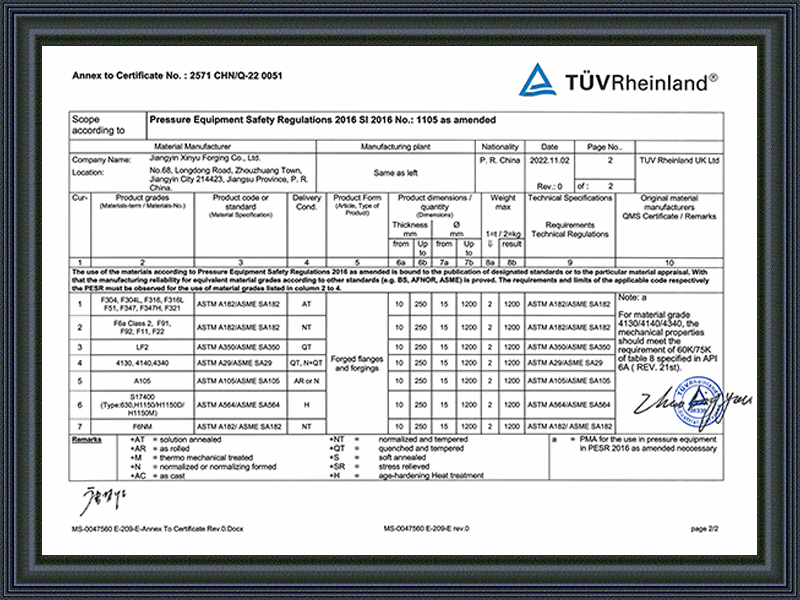
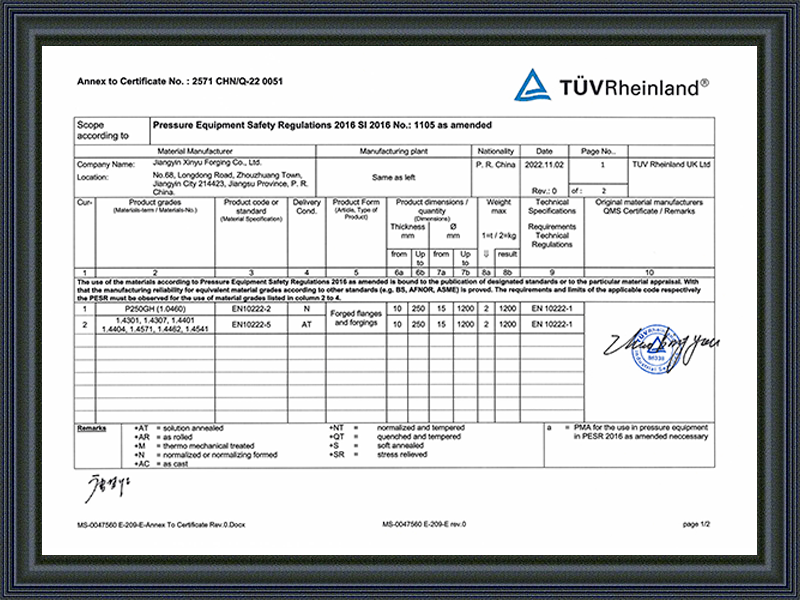
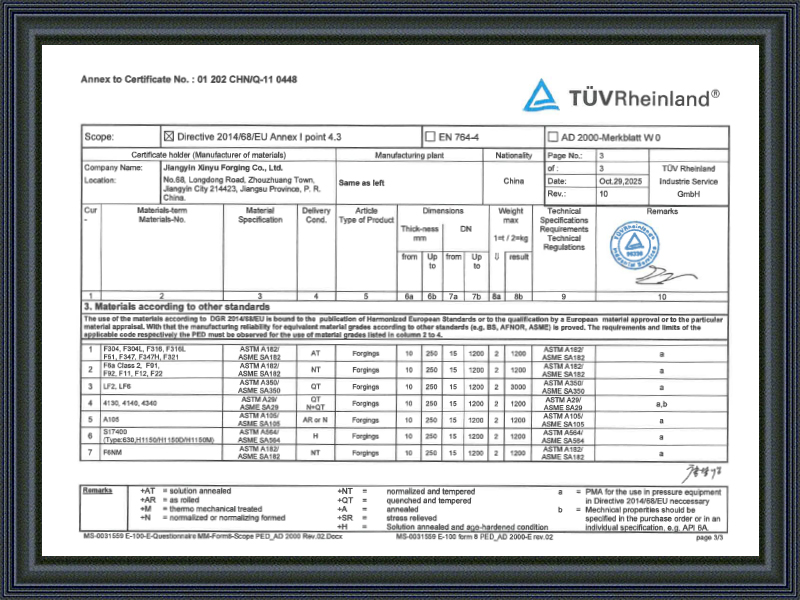
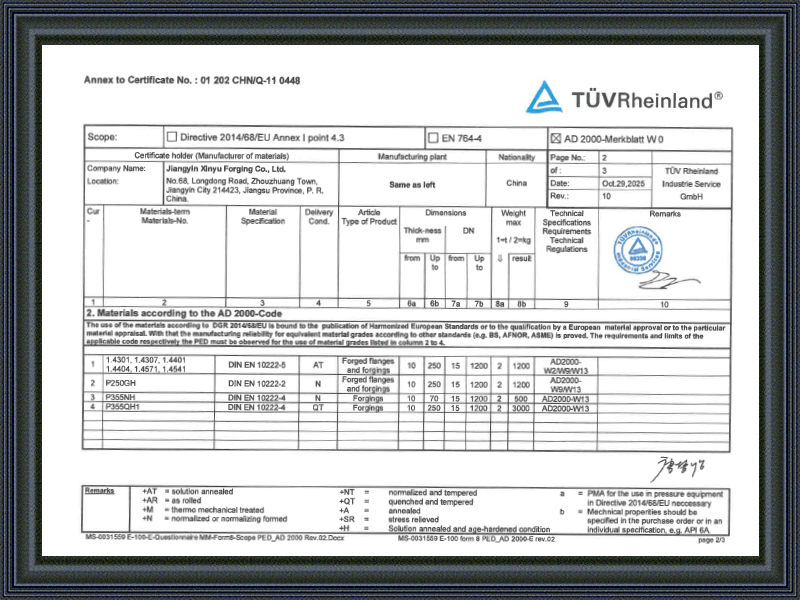
Mining machinery forgings are strong metal parts made of high-strength steel, including 4130, 4140, 4330, 4340, 8620, and 8630, formed by the forging process and used in various mining equipment. These parts are designed to withstand the conditions and heavy loads encountered in mining operations, ensuring the durability and reliability of the machinery. We specialize in providing high-quality forging materials for mining machinery and equipment. Our forgings are suitable for parts of various mining machinery and equipment.
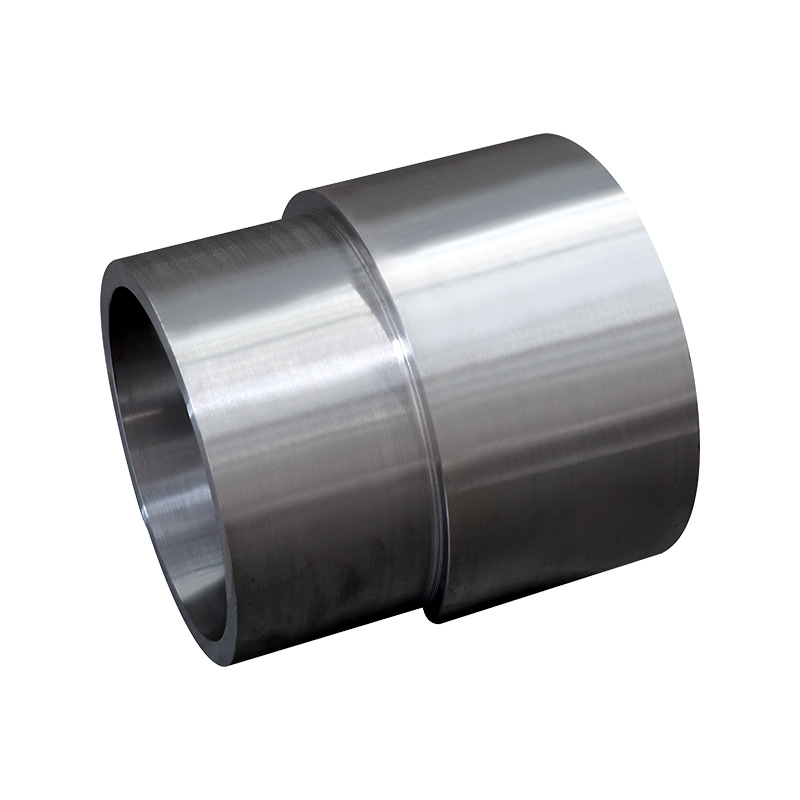
Main material:4130 4140 4330 4340 8620 8630
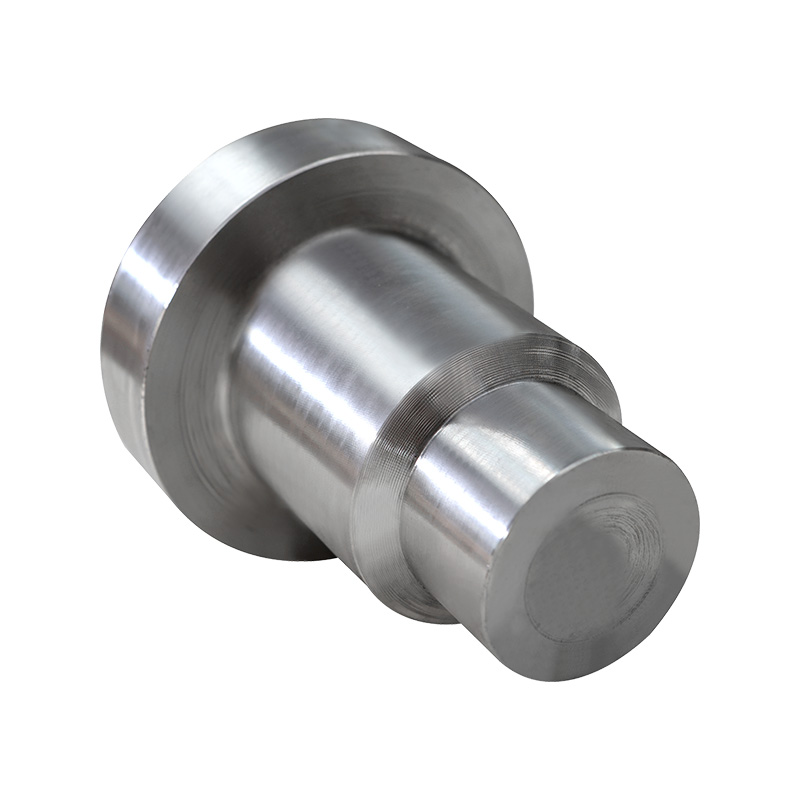
Main material:4130 4140 4330 4340 8620 8630
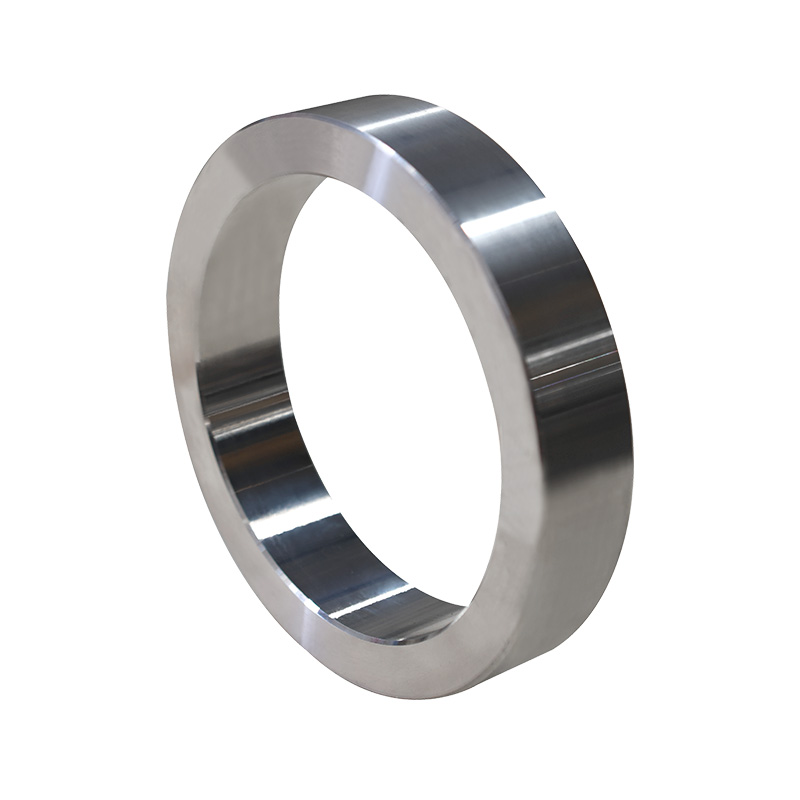
Main material:4130 4140 4330 4340 8620 8630
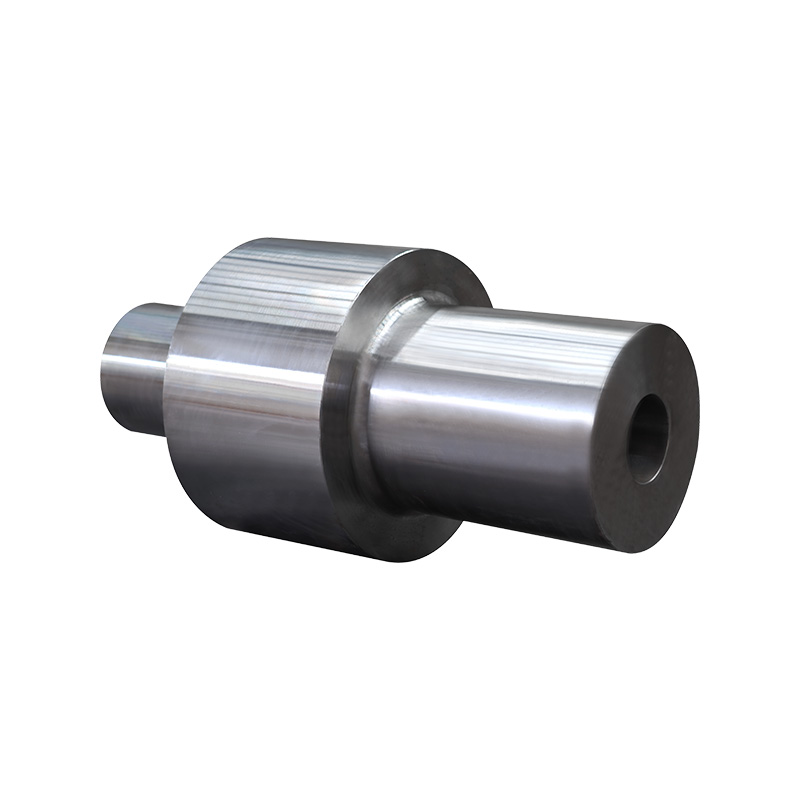
Main material:4130 4140 4330 4340 8620 8630
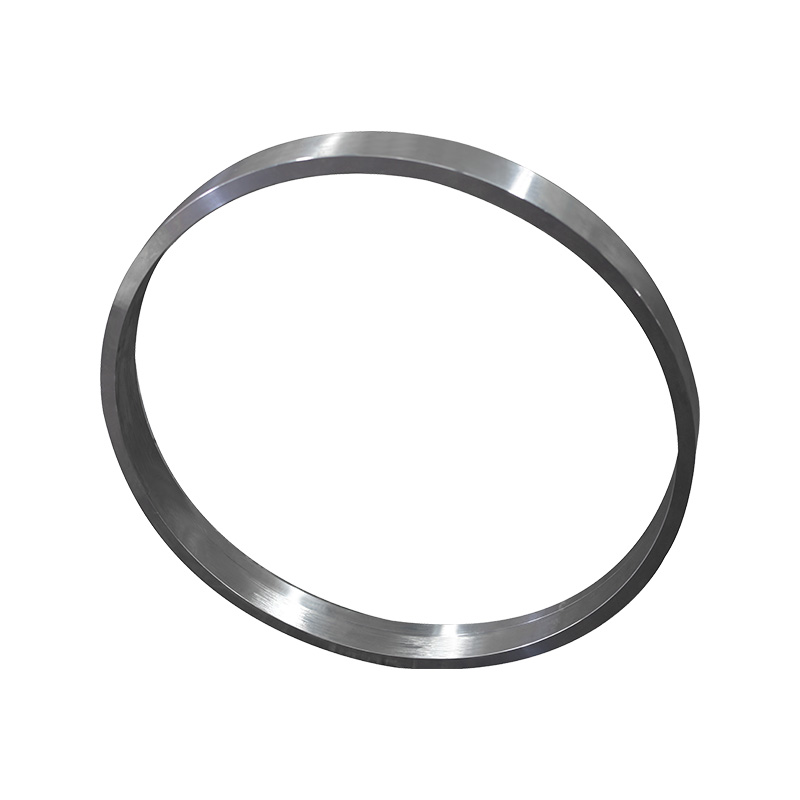
Main material:4130 4140 4330 4340 8620 8630
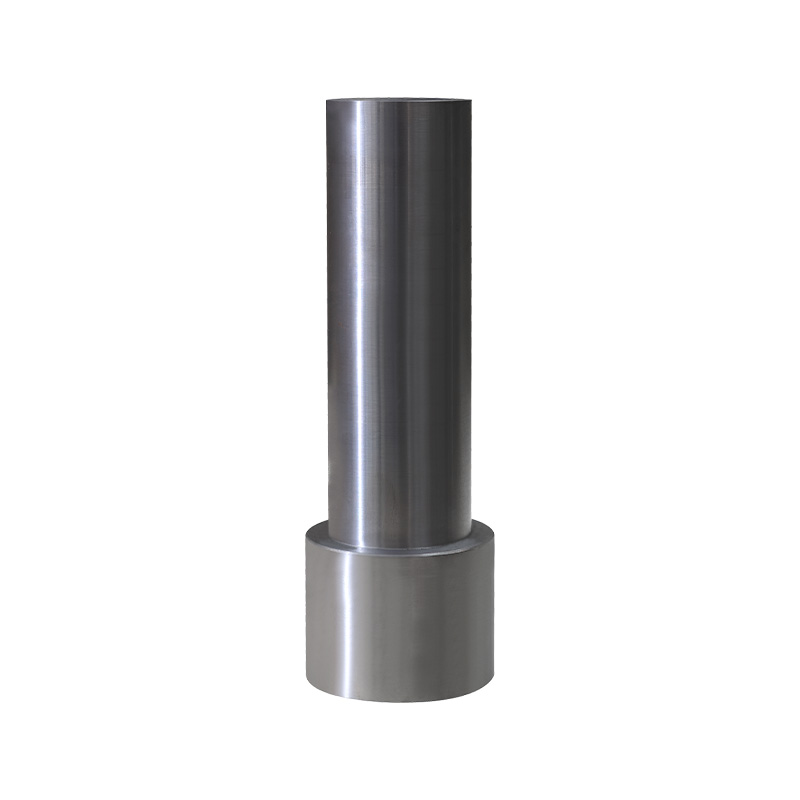
Main material:4130 4140 4330 4340 8620 8630
How Strong Is Carbon Steel — The Direct Answer Carbon steel is one of the strongest and most widely used engineering materials in the world. Its tens...
View MoreWhat Steel Forging Actually Is — and How It Works Steel forging is the process of shaping steel by applying compressive force — either through hammer...
View MoreWhat Case Hardening Actually Does to Steel Case hardening is a heat treatment process that hardens the outer surface of a steel part while keeping th...
View MoreAlloy steel is significantly stronger than plain carbon steel. Depending on the grade and heat treatment condition, alloy steel tensile strength rang...
View MoreIn heavy industry, mining machinery forgings bear the structural strength and operational reliability under extreme working conditions. Mining environments are complex and variable, with equipment operating for extended periods in hard rock formations subjected to high impact, heavy loads, and severe wear. Jiangyin Xinyu Forging Co., Ltd., leveraging its deep industry experience, has integrated precision forging technology with the stringent requirements of mining machinery, providing core support components for global mining equipment.
Key Technical Dimensions of Mining Machinery Forgings
Continuity of Metal Fiber Flow Lines
The core advantage of forging lies in improving the internal structure of the metal through plastic deformation. Compared to castings, during the forming process, the internal grains of mining machinery forgings are broken down and refined, resulting in uniform distribution of metal fiber flow lines along the part's shape. This continuity of flow lines significantly enhances fatigue resistance, enabling components to exhibit extremely high structural integrity when facing the alternating stresses of mining crushers or excavators.
Closing and Densification of Internal Defects
Under immense pressure, microscopic defects such as porosity and air bubbles that may exist within the raw materials are effectively compacted. For critical components such as large gear rings, main shafts, and heavy-duty connecting rods, this densification process is crucial to ensuring that the equipment does not experience brittle fracture under high-pressure environments. Xinyu Forgings ensures that the internal physical properties of each piece of metal reach their optimal state through rigorous forging ratio control.
Heat Treatment and Microstructural Stability
The final performance of mining forgings depends not only on the shaping process but also on the controlled heat treatment process. By adjusting the microstructure of the metal matrix (such as tempered sorbite or tempered troostite) through normalizing, tempering, or quenching processes, forgings can maintain high hardness while possessing excellent impact toughness. This "combination of rigidity and flexibility" is the cornerstone for protecting mining cutting gears, pins, and other components from rock impacts.
Comparison of Typical Mining Machinery Forging Performance
The table below lists the functional positioning and technical characteristics of common forged components in mining equipment:
| Component Name | Primary Application | Key Technical Requirements | Structural Performance Advantages |
| Heavy-Duty Drive Shaft | Mining Excavators / Hoists | Extreme torsional strength and fatigue limits | Superior power transmission stability and extended service life |
| Crusher Eccentric Shaft | Jaw / Cone Crushers | High impact load resistance and dimensional stability | Withstands periodic compressive stress without plastic deformation |
| Large Gear Ring Base | Ball Mills / Rotary Kilns | Microstructural uniformity and excellent machinability | Ensures uniform tooth surface hardness and reduces operating noise |
| Hydraulic Support Connectors | Longwall Mining Support | High yield strength and corrosion fatigue resistance | Provides safe support under extreme pressure and prevents stress corrosion |
Jiangyin Xinyu Forging Co., Ltd.'s Professional Practices
From the initial product development stage, the professional team at Jiangyin Xinyu Forging Co., Ltd. intervenes in refining the technical solutions. We deeply understand that every prototype of mining machinery is related to the safety boundary of the entire system. Through precise control of the forging temperature curve and scientific allocation of deformation, we ensure that the prototypes exhibit excellent geometric accuracy and intrinsic quality in initial testing. This extreme pursuit of detail is not only to meet specifications but also to reduce unplanned downtime in actual mining applications, creating long-term value for customers.
Frequently Asked Questions (FAQ)
Q: Why must critical load-bearing components of mining machinery be forged rather than cast?
A: While castings are suitable for complex-shaped parts, they are prone to shrinkage cavities and coarse grains. Mining machinery bears enormous dynamic loads during operation. Forgings, through pressure processing, eliminate internal defects and form a continuous fibrous structure. Their impact resistance and fatigue life far exceed those of similar castings, making them the inevitable choice to ensure safe mining operations.
Q: How does the machining allowance of forgings affect the performance of the final product?
A: A reasonable machining allowance not only affects production costs but also the preservation of the surface properties of the parts. Excessive allowance leads to the removal of too much of the high-performance forging streamline layer during machining, while insufficient allowance fails to completely remove the surface oxide layer. Our team designs the optimal preform structure based on the specific application of the component, preserving the strongest parts of the metal.
Q: How do you assess the reliability of mining machinery forgings in low-temperature or high-humidity mining environments?
A: This mainly depends on the material's low-temperature impact toughness and the purity of its chemical composition. By controlling the content of harmful elements such as phosphorus and sulfur, and combining this with specific heat treatment processes, the stability of forgings in extreme environments can be significantly improved. Xinyu Forgings simulates complex operating conditions during the prototype stage to ensure that every product can withstand harsh natural challenges.
Q: How do you ensure the manufacturability of forging designs in the early stages of new product development?
A: An experienced engineering team will intervene early on, optimizing the initial design by evaluating mold angles, rheological stress, and forging ratio. This early intervention effectively avoids defects such as folds and cracks during the molding process, ensuring that the prototypes accurately meet specifications and shortening the development cycle.

Tel: +86-13915203580 / +86-18861681298

E-mail: info@xinyuforging.com

Add: 68# Longdong RD, Zhouzhuang Town, Jiangyin, China.
Copyright © by Jiangyin Xinyu Forging Co., Ltd. Rights Reserved. Custom Mining machinery forgings Manufacturer

 英语
英语 德语
德语 阿拉伯语
阿拉伯语