

 英语
英语 德语
德语 阿拉伯语
阿拉伯语

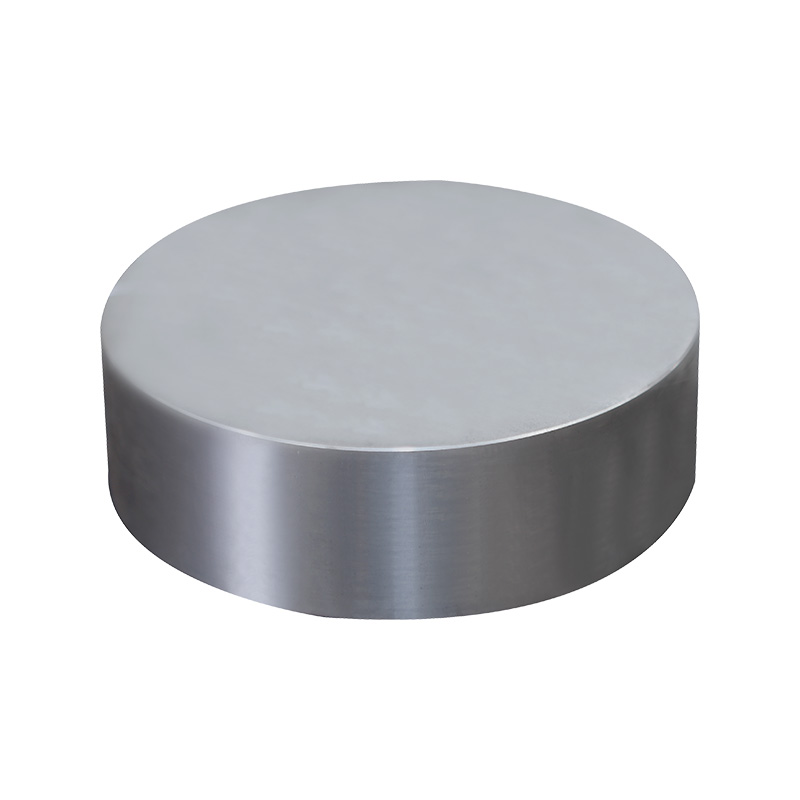
Technical Features and Specifications
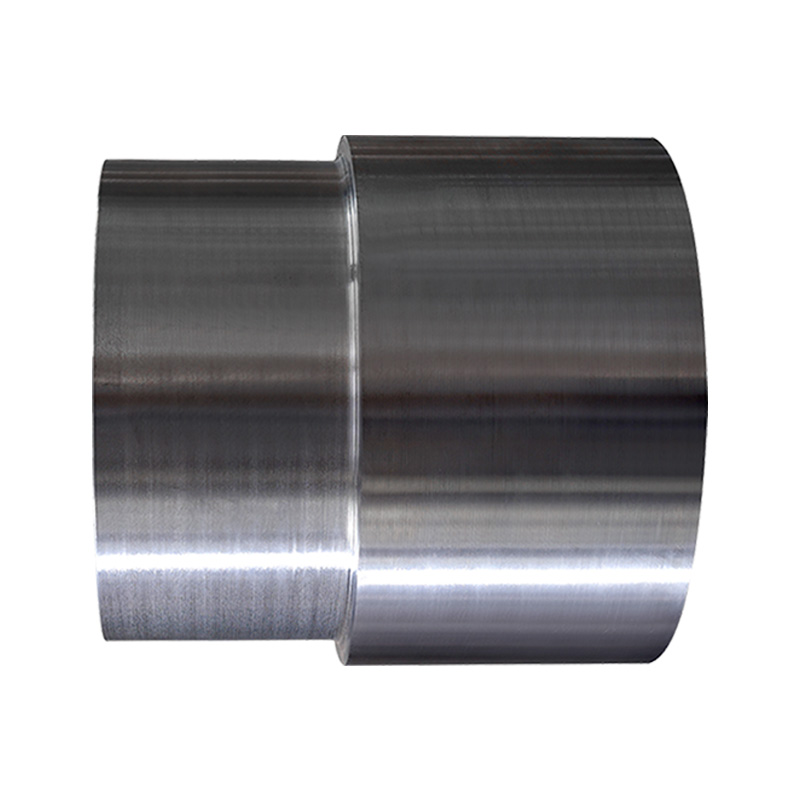
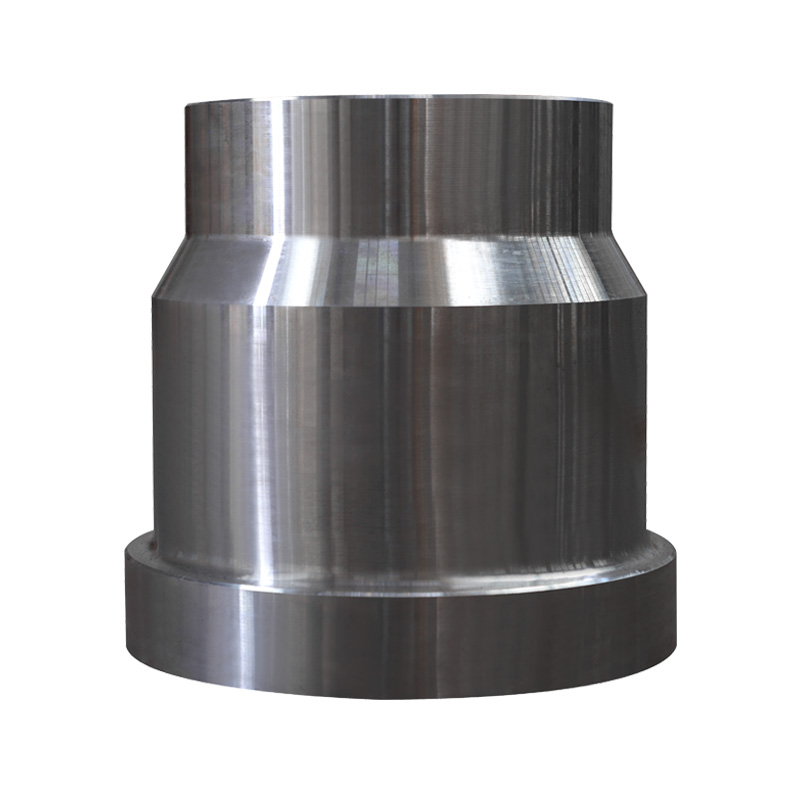
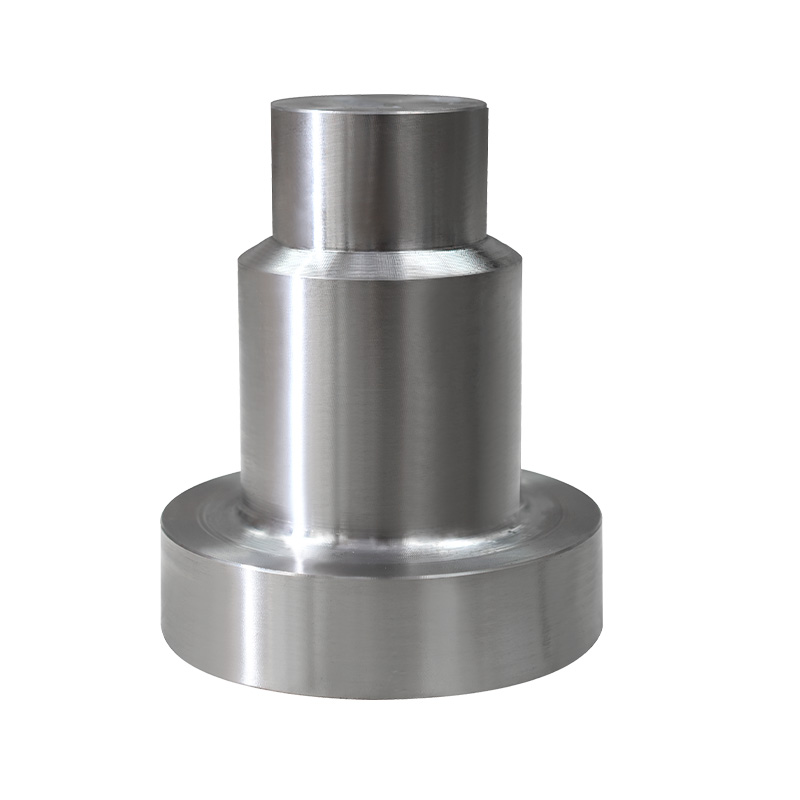
Petrochemical forgings are characterized by their massive size and the high purity of the steel used.
| Component | Technical Requirement |
|---|---|
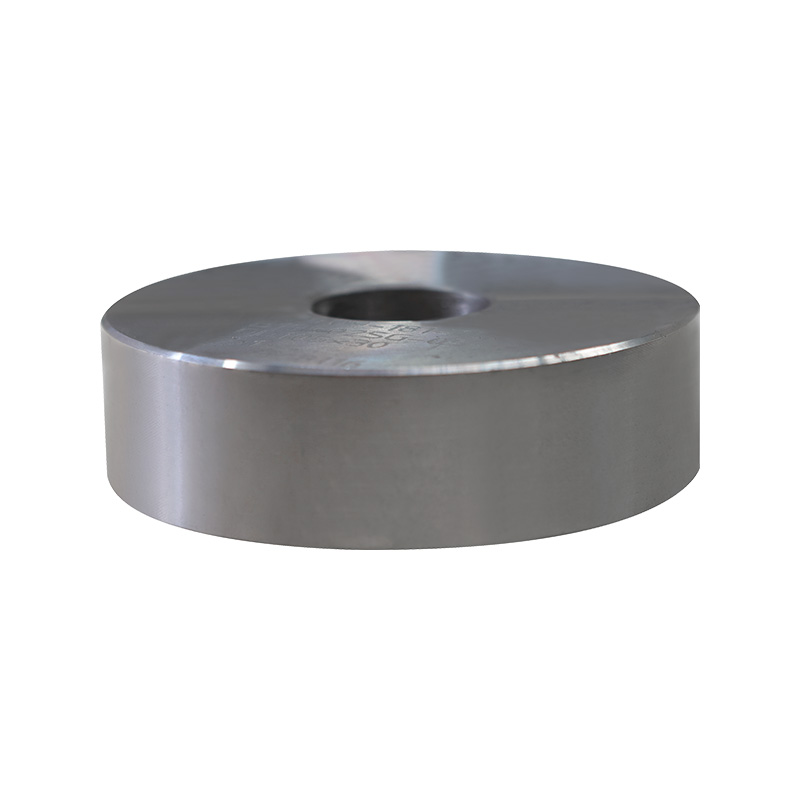
| Shell Rings | Seamless forged rings up to 5 meters in diameter. |
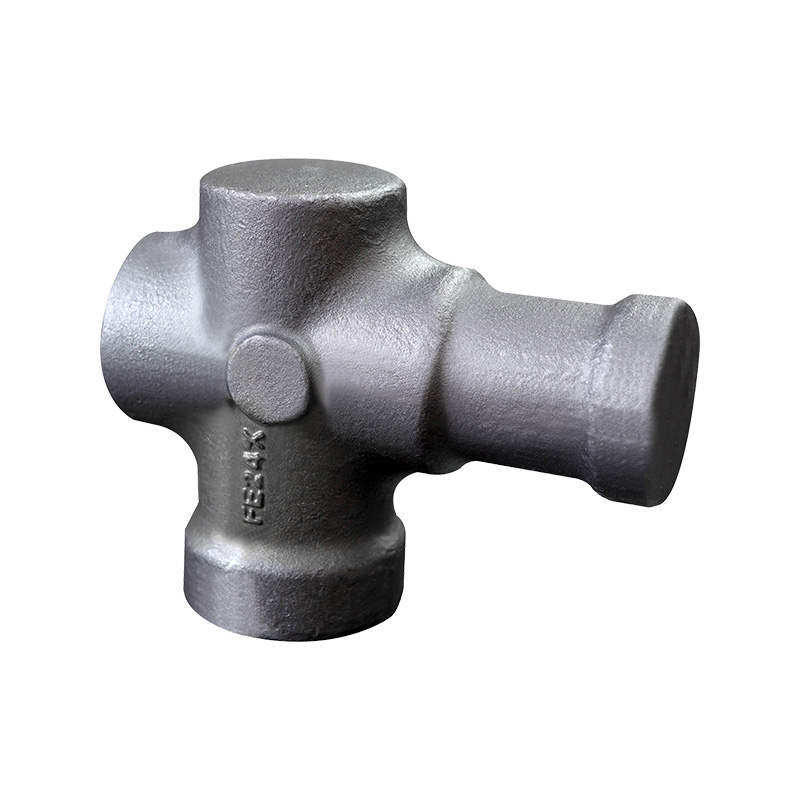
| Vessel Nozzles | Integral forged nozzles for superior weld-strength at connections. |
| Tube Sheets | Forged and drilled for heat exchanger tube bundles. |
| Design Codes | ASME Section VIII Div 1 & 2, EN 13445. |
Material selection is governed by the "service conditions." For example, 2.25Cr-1Mo alloy is often used for high-temperature hydrogen service because it resists "hydrogen attack" (embrittlement). Every forged vessel part is subject to 100% Ultrasonic Testing (UT) to ensure there are no internal lamellar tears or inclusions. The heat treatment process is particularly critical for large sections, requiring a "soaking" period that can last for days to ensure the entire thickness of the metal achieves the desired mechanical properties.
-
 Development Conceptscientific and technological innovation as the driving force.
 -
 Quality PolicyPeople, integrity, truth-seeking, innovation
 -
 Core ValueCommon development to achieve symbiosis and win-win.
Procurement Tips for Vessel Components
When sourcing forgings for new vessel construction or refinery turnarounds, consider these technical factors:
- Seamless Construction: Specify "Seamless Rolled Rings" for shell sections to eliminate the need for longitudinal radiography and reduce the risk of weld-related failure.
- Integral Nozzles: Choose forged "self-reinforced" nozzles over welded pipe-stubs. They provide better stress distribution and reduce the amount of onsite welding required.
- Hydrogen Service: For refinery units handling hydrogen, ensure the forging manufacturer has experience with the "Nelson Curves" and specifies the correct Cr-Mo alloy.
- Surface Finish: For vessels handling sticky or fouling chemicals, specify a fine internal bore finish to reduce the rate of material buildup.
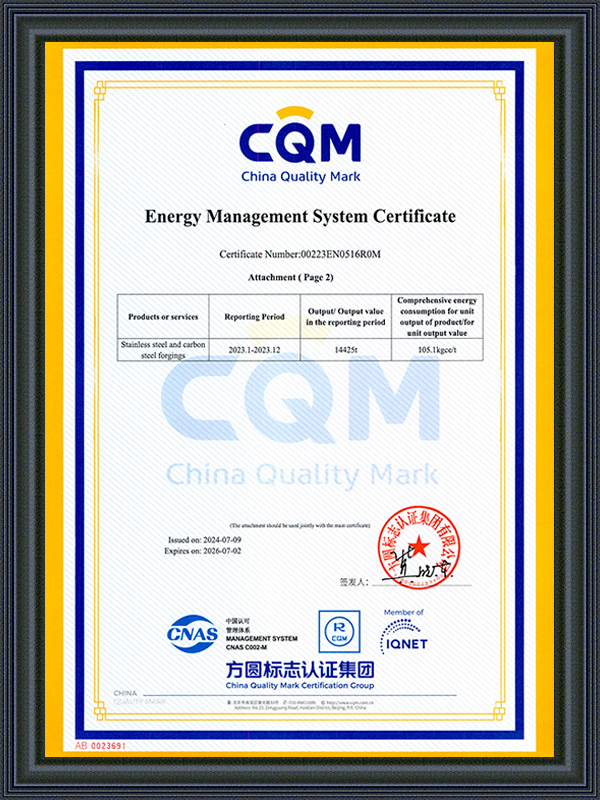
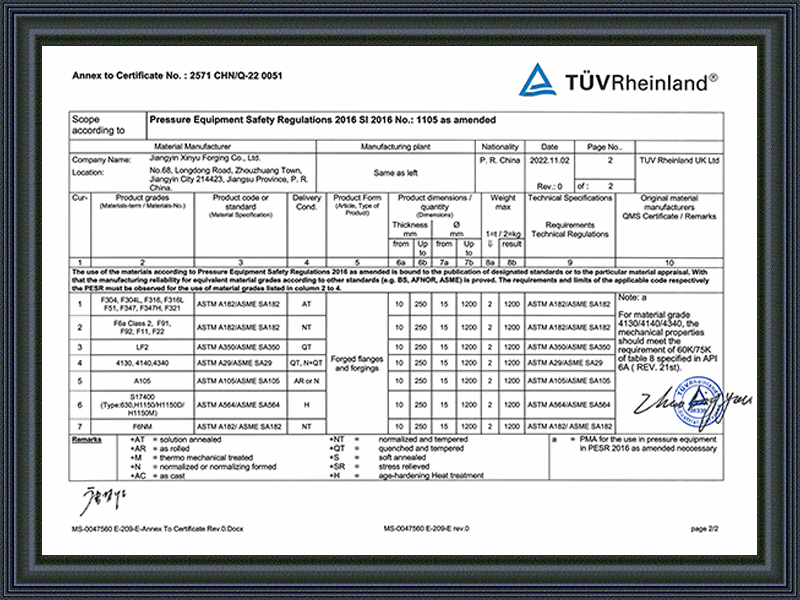
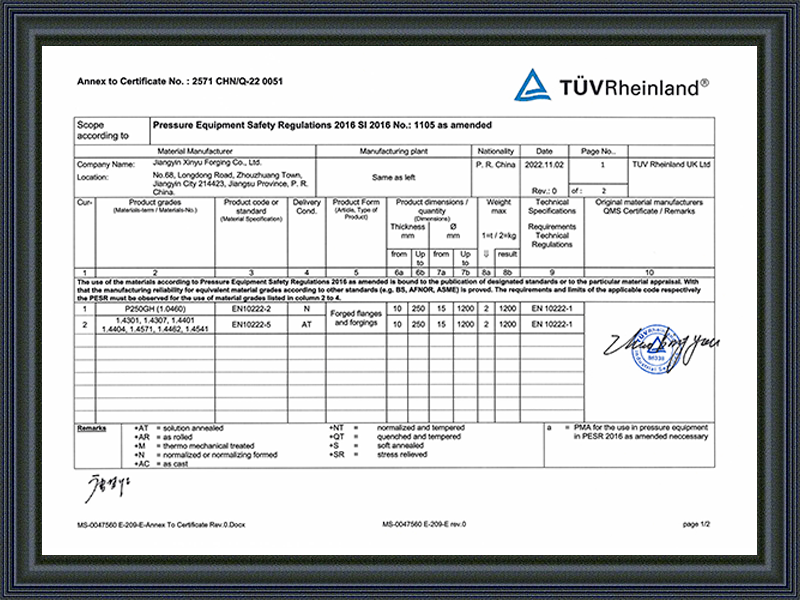
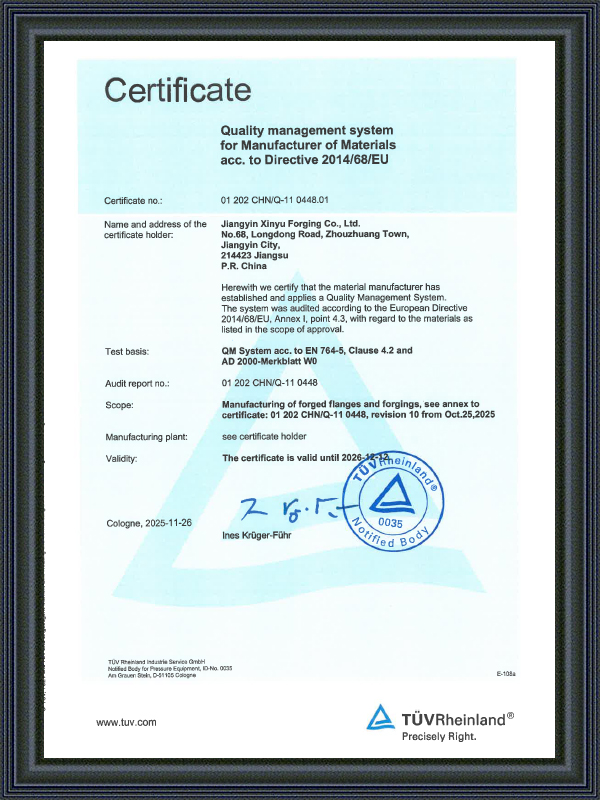
Always verify that the forge shop is "ASME Certified," as this is a legal requirement for most pressure vessel components used in international petrochemical projects.
Advantages of Forged Vessel Components
Forged components offer a level of safety and durability that is unmatched by welded or cast alternatives.
| Advantage | Operational Benefit |
|---|---|
| Reduced Inspection | Seamless forgings require less in-service weld inspection (UT/RT). |
| Thermal Stability | Uniform structure resists cracking during rapid heat-up/cool-down. |
| Corrosion Resistance | Fewer weld seams mean fewer areas for "localized corrosion." |
| High Strength | Allows for thinner walls in high-pressure designs, reducing total weight. |
The primary advantage is the "Safety Factor." In a refinery, the failure of a pressure vessel can be catastrophic. Forged components provide a homogenous material that behaves predictably under stress, allowing engineers to design vessels with higher confidence levels. This reliability is especially critical for vessels containing "lethal substances" where zero-leakage is an absolute mandate from environmental and safety authorities.
Global Petrochemical Applications
Forged vessel parts are the building blocks of the world’s most advanced chemical refineries.
| Facility Type | Usage of Forgings |
|---|---|
| Oil Refineries | Hydrocracker shells, reactor heads, and high-pressure heat exchangers. |
| Ammonia Plants | Forged converter vessels and high-temperature nozzles. |
| Ethylene Crackers | Seamless quench-fitting forgings and large flanges. |
| LNG Plants | Cryogenic vessel components for gas liquefaction. |
In the green energy transition, these same forging techniques are being applied to "Hydrogen Storage Vessels." Because hydrogen is a tiny molecule that can leak through the smallest defects, the ultra-dense, non-porous nature of forged steel is the only viable material for high-pressure hydrogen tanks. This makes forged petrochemical components a key part of the future energy infrastructure.
- Q: Why is a seamless forged ring better than a welded plate shell?
- A: A seamless ring has no longitudinal weld, which is typically the weakest point of a vessel. It provides 100% material efficiency and requires less radiographic testing over its lifetime.
- Q: What is "hydrogen attack" in vessel forgings?
- A: It is a form of corrosion where hydrogen atoms penetrate the steel and react with carbon to form methane bubbles, leading to internal cracking. Forged Cr-Mo alloys are designed to resist this.