

 英语
英语 德语
德语 阿拉伯语
阿拉伯语

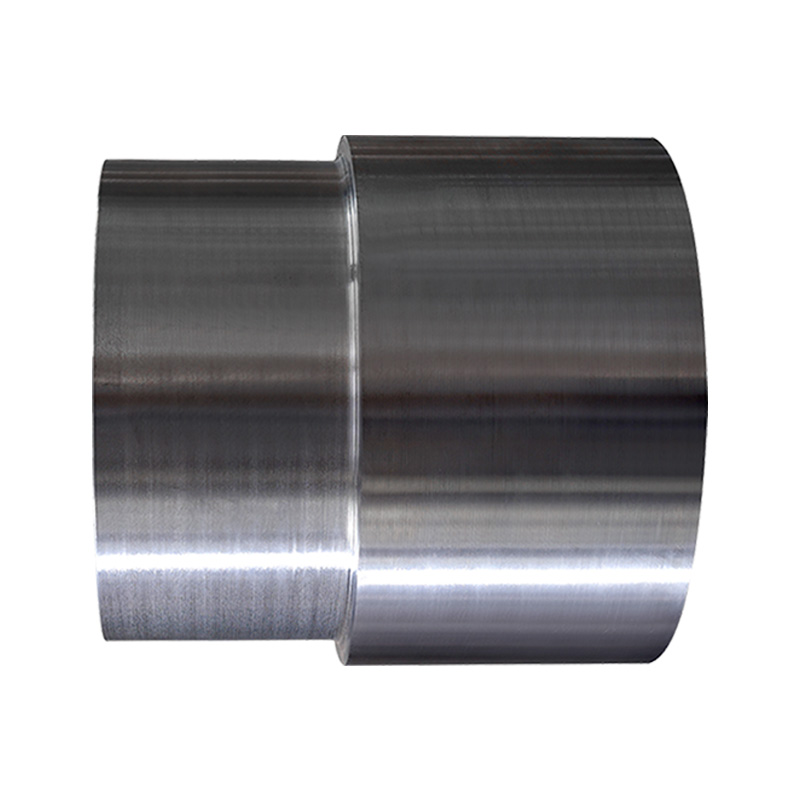
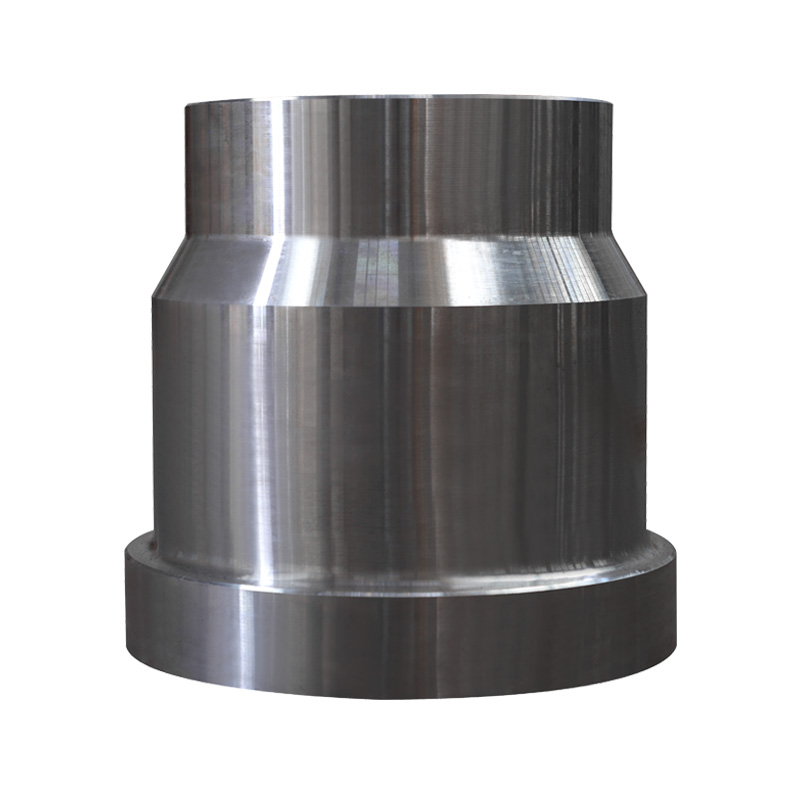
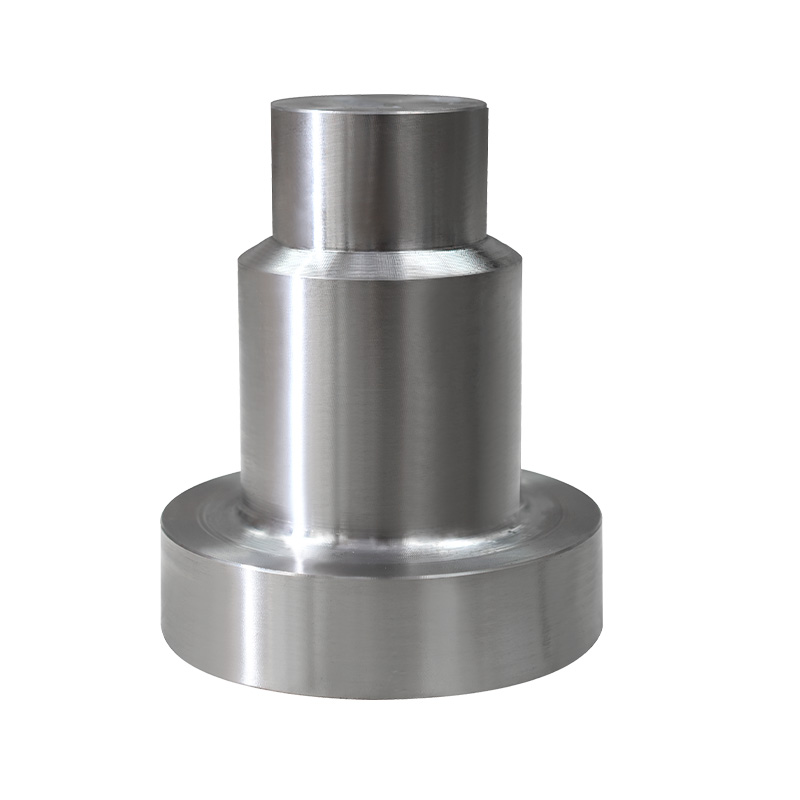
Technical Features and Specifications
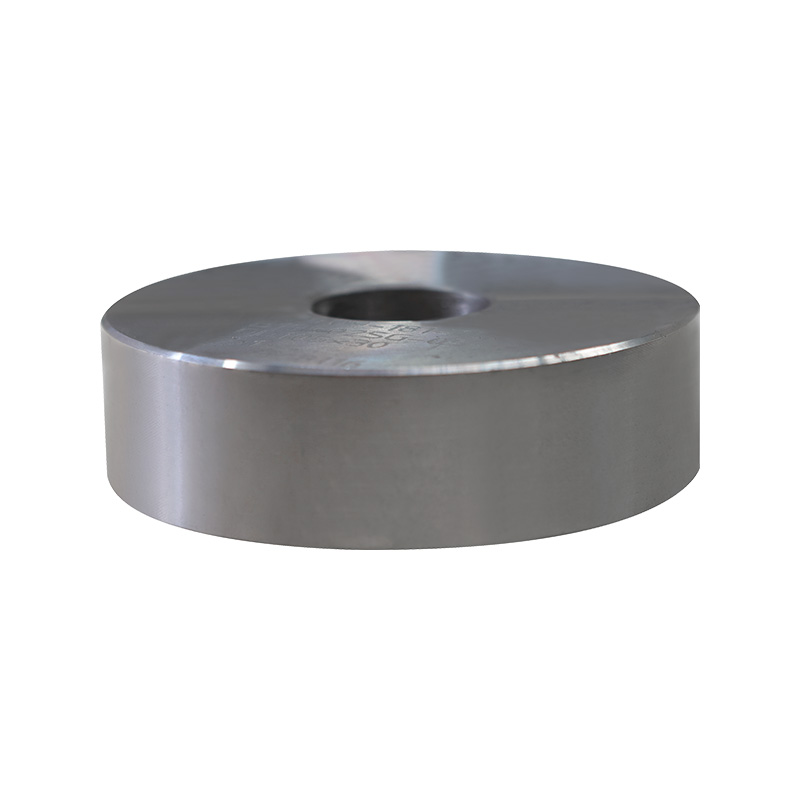
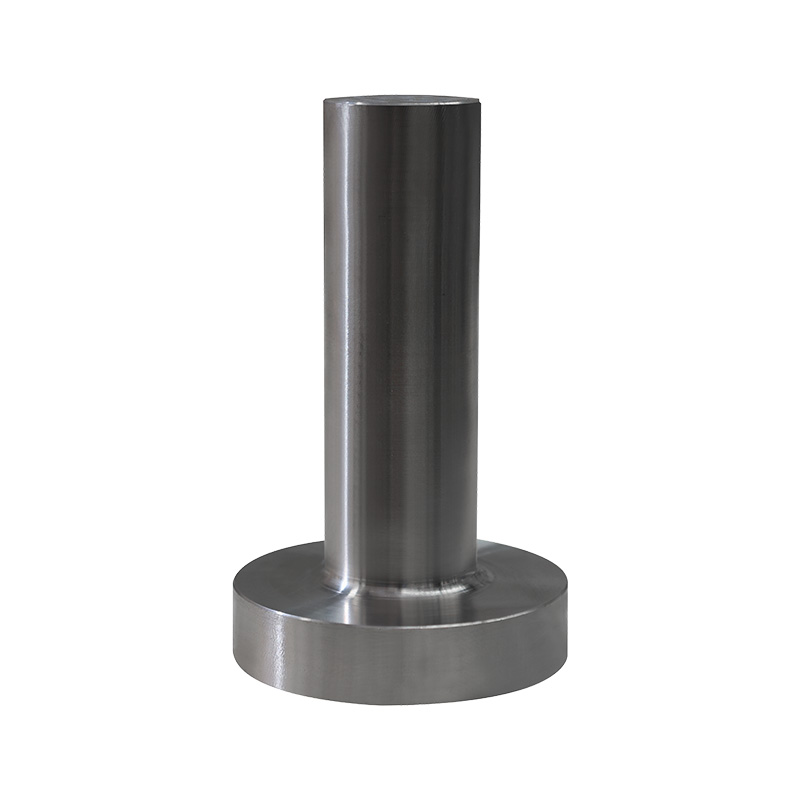
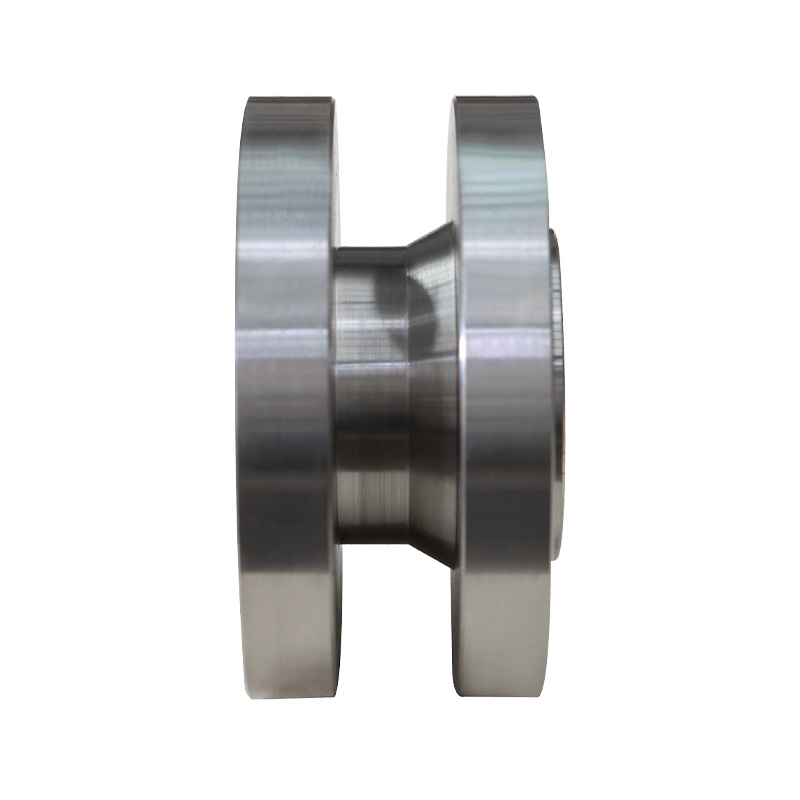
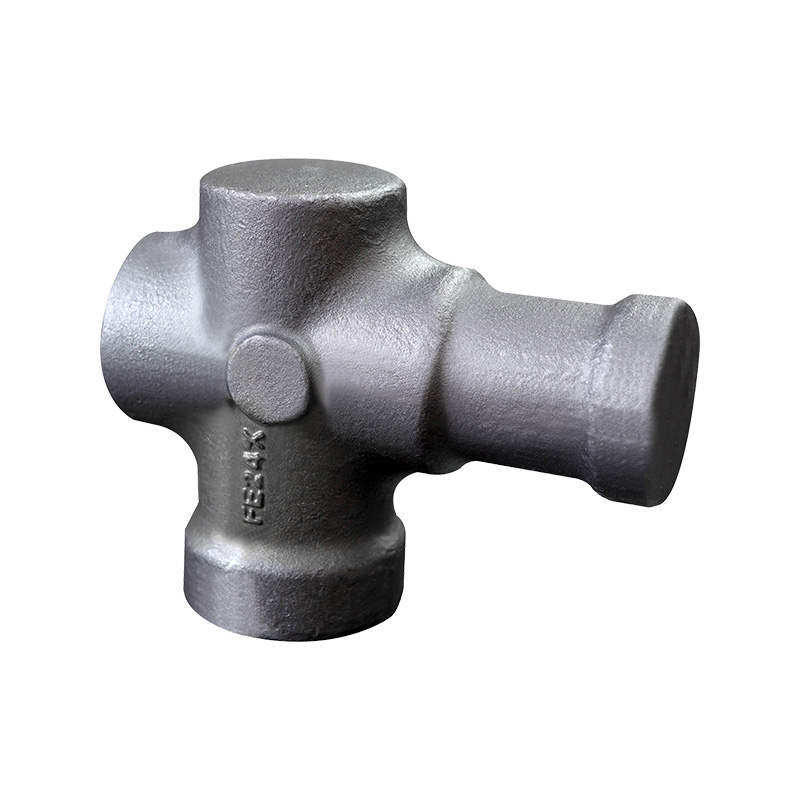
Forgings for mining excavators are defined by their ability to survive high-stress cycles.
| Component | Material & Property Requirement |
|---|---|
| Bucket Teeth | Alloy Steel (e.g., 4140) with high surface hardness (HRC 45-50). |
| Pivot Pins | Induction hardened forged steel for wear resistance. |
| Track Links | Deep-hardened forgings for rail and seal surface durability. |
| Hydraulic Rod Ends | High tensile forged steel to prevent fatigue in high-pressure ram systems. |
The manufacturing process for these components often involves "Closed Die Forging" to achieve a near-net shape, which minimizes the need for extensive machining. Precision heat treatment, such as quenching and tempering, is applied to ensure that the parts achieve the required Charpy V-notch impact values, even in sub-zero mining temperatures found in regions like Canada or Siberia.
-
 Development Conceptscientific and technological innovation as the driving force.
 -
 Quality PolicyPeople, integrity, truth-seeking, innovation
 -
 Core ValueCommon development to achieve symbiosis and win-win.
Selection Tips for Mining Forgings
Procurement managers for mining fleets should evaluate forgings based on the specific geology of the mine site:
- Impact vs. Abrasion: If the excavator is working in hard granite, prioritize impact toughness. If working in sandy soil, prioritize surface hardness (HRC).
- Surface Treatment: For pins and shafts, specify induction hardening to a specific depth (e.g., 3mm-5mm) to ensure the part doesn't wear down too quickly.
- Fatigue Life: Request fatigue testing data for structural forgings like boom connectors, as these parts endure millions of loading cycles.
- Material Traceability: Ensure all mining forgings come with heat-lot traceability, as a single failed pin can cause a "boom-drop" accident.
Consider "Enhanced Cleanliness" steels (low sulfur and phosphorus) for critical structural forgings to reduce the risk of internal inclusions that could initiate cracks.
Advantages of Forged Excavator Parts
The shift from cast to forged parts in heavy mining is driven by the need for maximum equipment "up-time."
| Advantage | Operational Benefit |
|---|---|
| Superior Toughness | Prevents catastrophic failure during high-impact digging. |
| Weight Optimization | Stronger materials allow for lighter parts, increasing bucket payload. |
| Consistent Quality | Eliminates the hidden defects often found in large-scale castings. |
| Wear Resistance | Forged grain flow improves the effectiveness of surface hardening. |
Forged excavator parts are also easier to weld in the field. If a bucket tooth holder or a track link requires a hard-facing overlay after months of use, the uniform chemical composition of the forging ensures a high-quality weld bond, which is much more difficult to achieve with cast iron or low-quality cast steel.
Primary Applications in Heavy Mining
These forgings are used throughout the heavy excavator and shovel category.
| Machine Type | Forged Application |
|---|---|
| Hydraulic Excavators | Main boom pivots, bucket hinges, and cylinder trunnions. |
| Electric Rope Shovels | Drive tumblers, hoist drum shafts, and dipper handles. |
| Crawler Dozers | Final drive gears and track roller shells. |
| Draglines | Massive rigging connectors and hoist chain links. |
In the world’s largest open-pit mines, excavators weighing over 800 tons rely on forged components to keep the operation running 24/7. These parts are the "muscles" of the machine, converting the massive power of the hydraulic systems into the mechanical force needed to move mountains of ore.
- Q: Why are bucket teeth forged instead of cast?
- A: Forged bucket teeth have a much higher impact resistance, meaning they can strike hard rock without shattering, whereas cast teeth are often too brittle for such high-force applications.
- Q: How long do forged excavator pins last?
- A: Depending on the maintenance and the material being dug, a forged and induction-hardened pin can last 20% to 50% longer than a standard cast pin.