

 英语
英语 德语
德语 阿拉伯语
阿拉伯语

Technical Features and Specifications
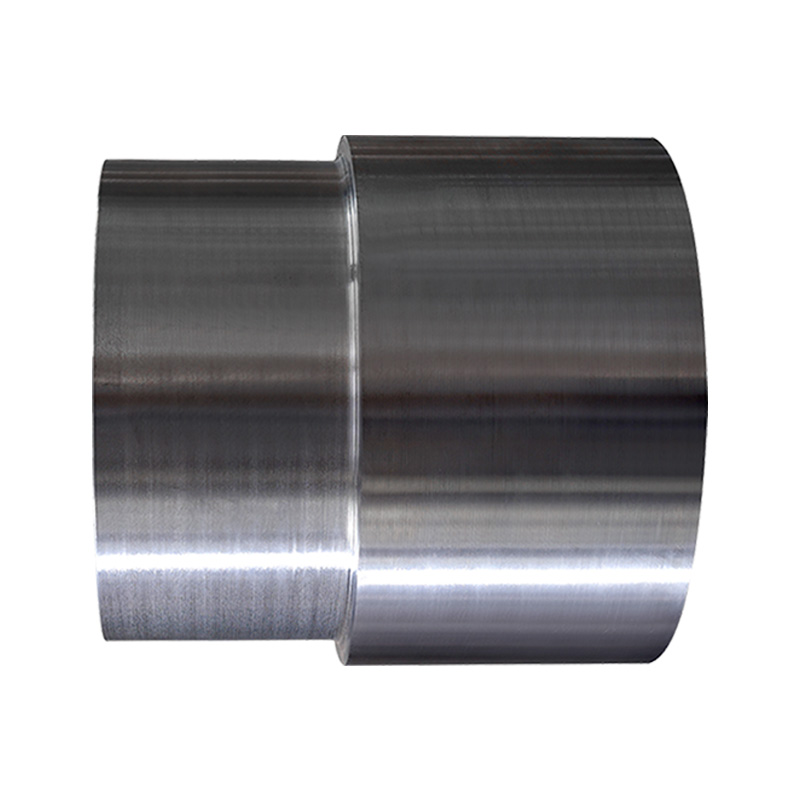
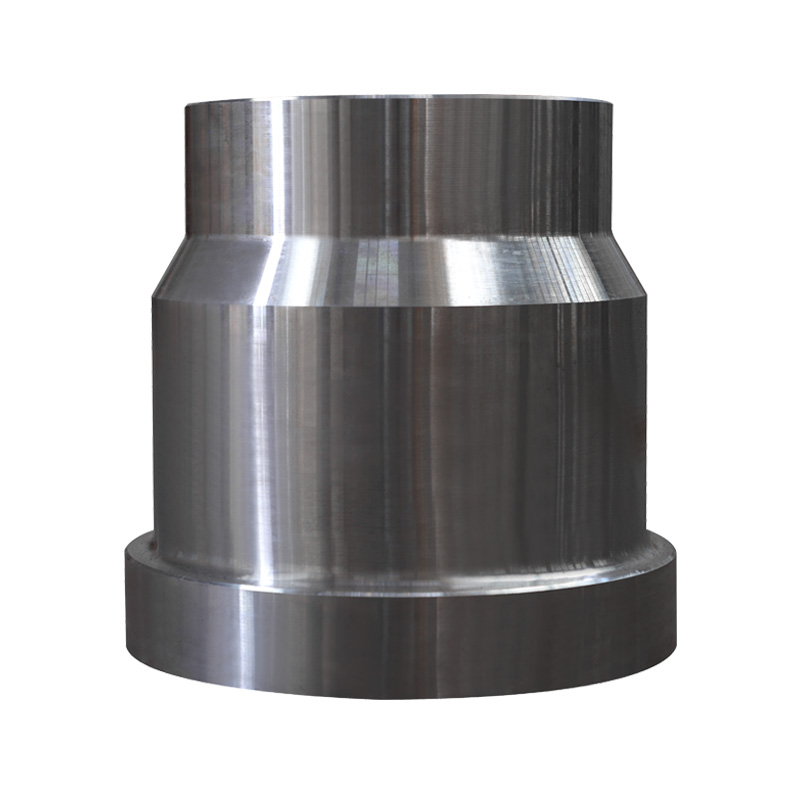
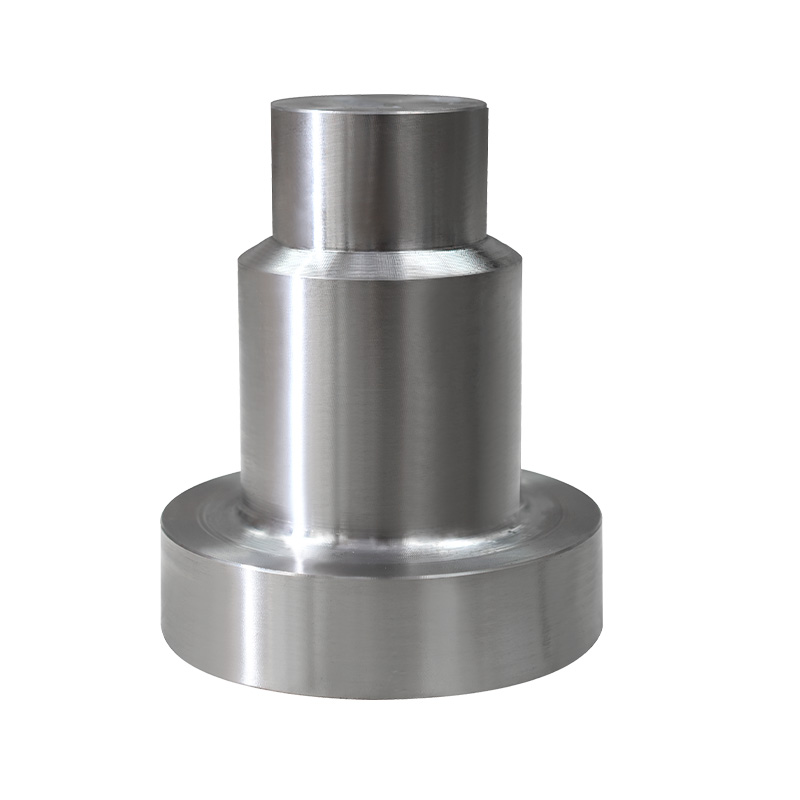
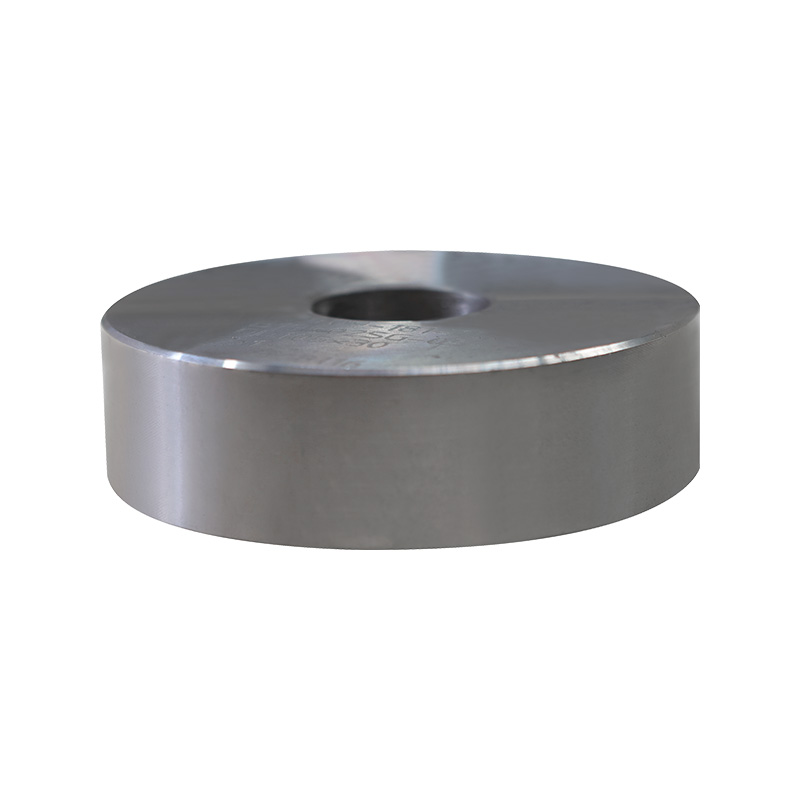
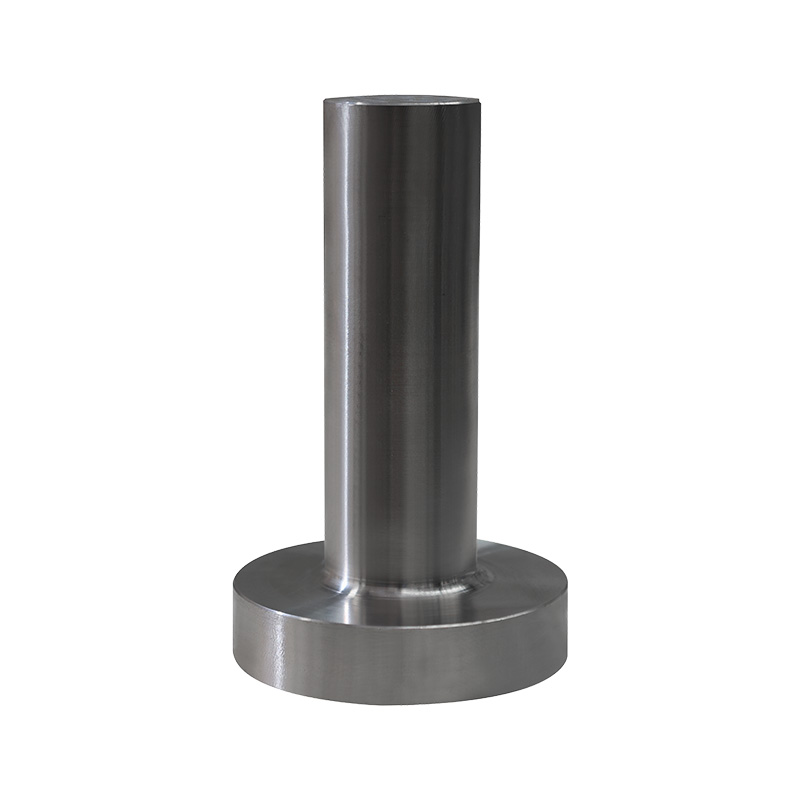
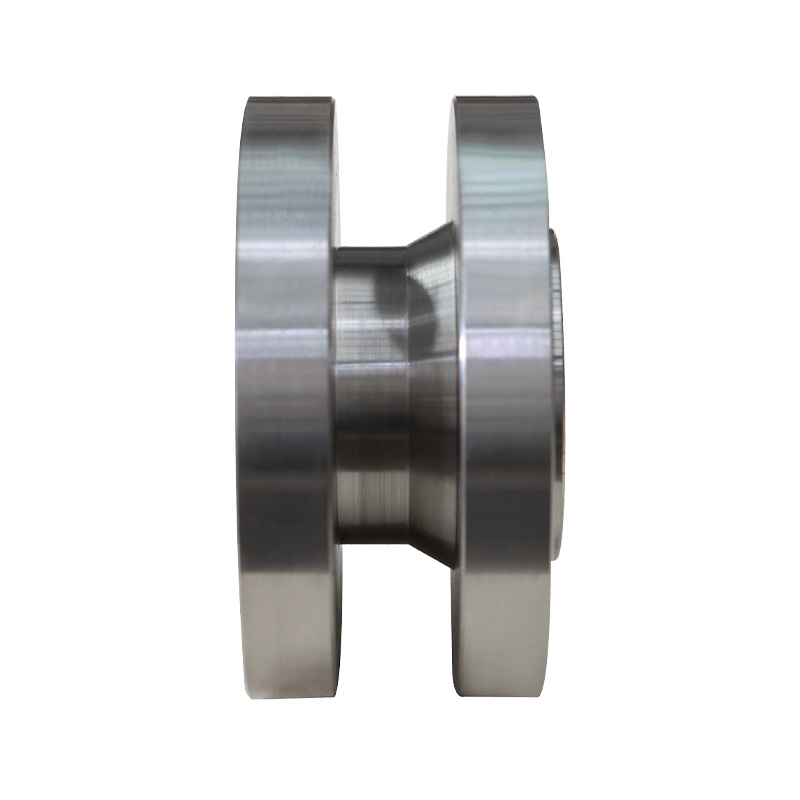
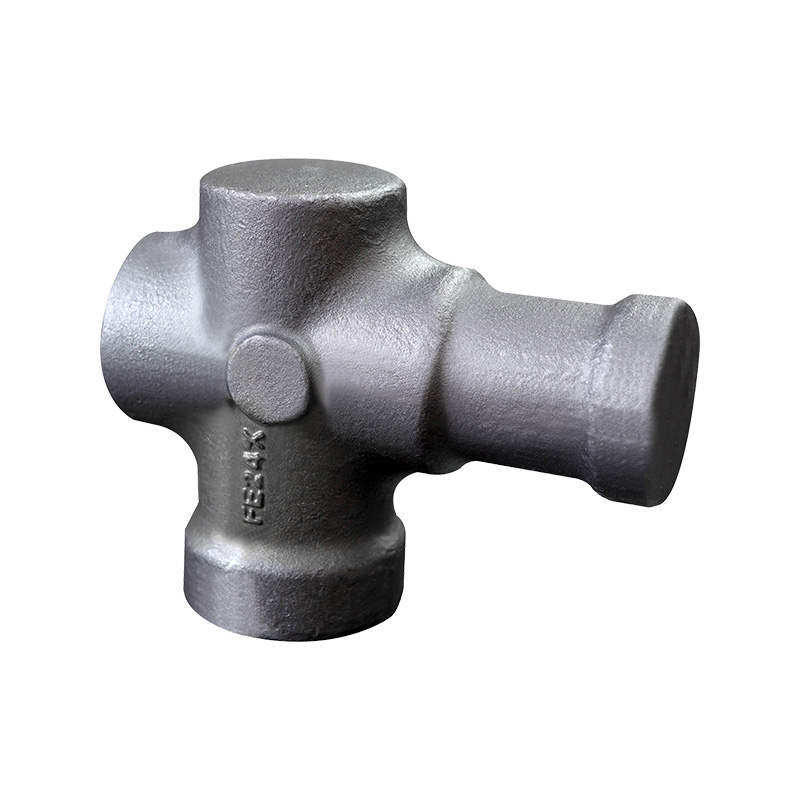
Drill bit forgings are high-precision components that must balance hardness with impact toughness.
| Feature | Technical Description |
|---|---|
| Material Grade | 8620H, 4320, or specialized Ni-Cr-Mo alloys. |
| Heat Treatment | Carburizing and quenching to HRC 58-62 surface hardness. |
| Forging Method | Hot closed-die forging for optimal grain flow around the head. |
| Dimensional Control | Tight tolerances for insert hole drilling and thread connections. |
The forging design often includes complex geometry for the flushing holes that deliver air or water to the drill face. By forging these shapes, the manufacturer ensures that the flow paths are smooth and structurally sound. The threaded connection (API Reg or similar) is also forged to ensure that the "pin" end can handle the massive torque required to drive the bit into the ground.
-
 Development Conceptscientific and technological innovation as the driving force.
 -
 Quality PolicyPeople, integrity, truth-seeking, innovation
 -
 Core ValueCommon development to achieve symbiosis and win-win.
Selection Tips for Drilling Procurement
When sourcing forged drill bit bodies, consider the drilling method and the rock hardness:
- Thread Strength: For deep-hole drilling, the forged threads must be treated to prevent "galling" during make-up and break-out cycles.
- Erosion Resistance: Specify "hard-facing" on the forged body for drilling in abrasive sandstone to prevent the steel from wearing away around the carbide inserts.
- Insert Retention: The forging must have a very uniform grain structure to ensure that the interference fit for the carbide inserts remains consistent across the entire face of the bit.
- DTH vs. Rotary: Down-the-hole (DTH) bits require higher impact toughness, while rotary bits require higher torsional strength. Ensure the forging alloy is optimized for the specific drilling style.
Verify that the manufacturer uses "vacuum degassed" steel to ensure the forgings are free of microscopic gas pockets that could lead to premature body failure.
Advantages of Forged Drill Bit Bodies
Forged drill bit bodies are the industry standard for professional mining because of their unmatched durability.
| Advantage | Benefit to Drilling Operation |
|---|---|
| Insert Security | Prevents carbide inserts from popping out or rotating in the hole. |
| Fatigue Strength | Withstands millions of percussive blows in DTH drilling. |
| Abrasion Resistance | Superior resistance to the "sandblasting" effect of drilling cuttings. |
| Reliability | Reduces the risk of "fishing" jobs caused by broken bits in the hole. |
The most critical advantage is the reduction in "cost per meter." While a forged bit body may be more expensive than a cast one, the ability to re-sharpen the bit multiple times and the decreased risk of the body snapping in the hole more than compensates for the initial investment. In deep exploration drilling, the cost of a broken bit at the bottom of a 2,000-meter hole is catastrophic; forged bits provide the security needed for these high-risk operations.
Common Drilling Applications
Forged drill bits are used in various mining and civil engineering applications.
| Sector | Drilling Application |
|---|---|
| Surface Mining | Blast-hole drilling for overburden removal. |
| Underground Mining | Face drilling for development and production. |
| Exploration | Diamond core drilling and RC (Reverse Circulation) drilling. |
| Construction | Foundation piling and anchoring for bridges and dams. |
In tunneling and subway construction, large forged "cutter heads" are used on tunnel boring machines (TBMs). These massive forgings must endure constant pressure and abrasion for months at a time. The reliability of forged steel ensures that these projects stay on schedule and under budget.
- Q: Why do drill bit bodies fail?
- A: Failure is usually due to "body wash" (erosion from cuttings) or fatigue cracks in the thread or head area. Forged bodies minimize both risks compared to other manufacturing methods.
- Q: What is the difference between a forged and a cast bit?
- A: A forged bit has a continuous grain flow and higher density, making it much stronger and more resistant to impact than a cast bit, which may contain hidden internal defects.