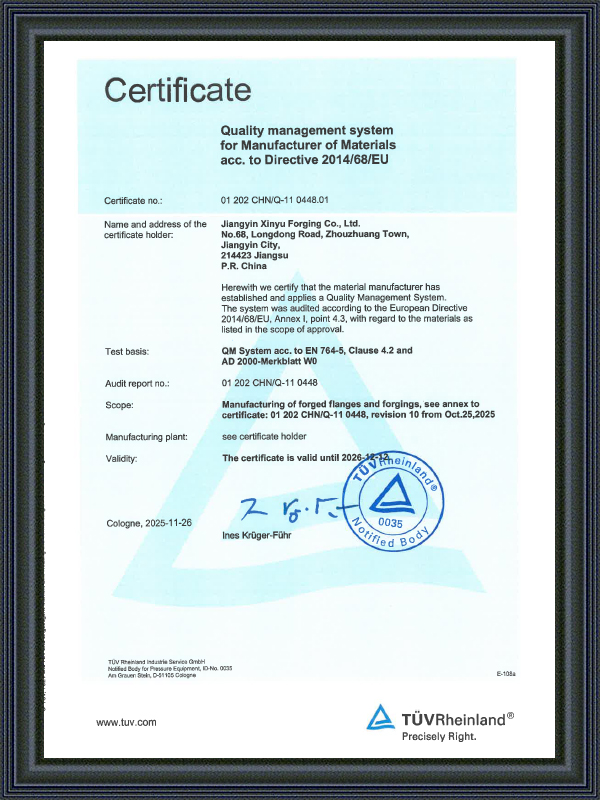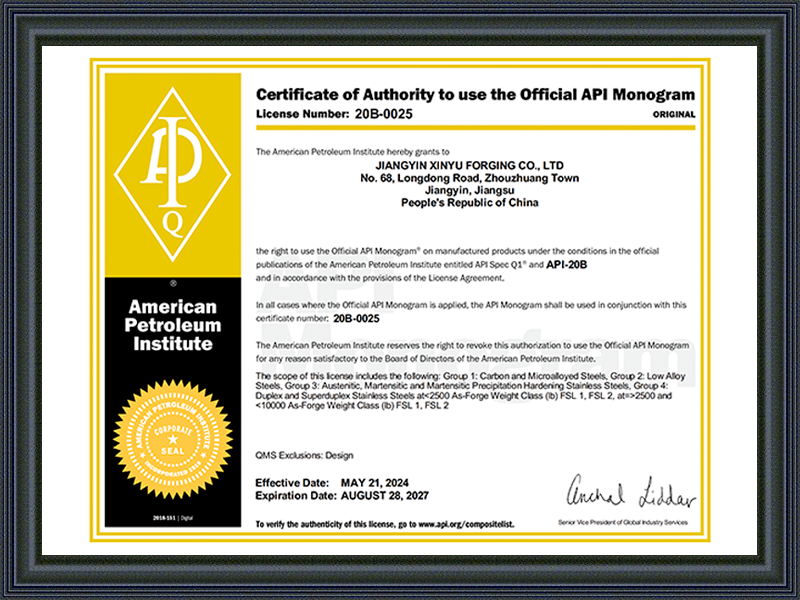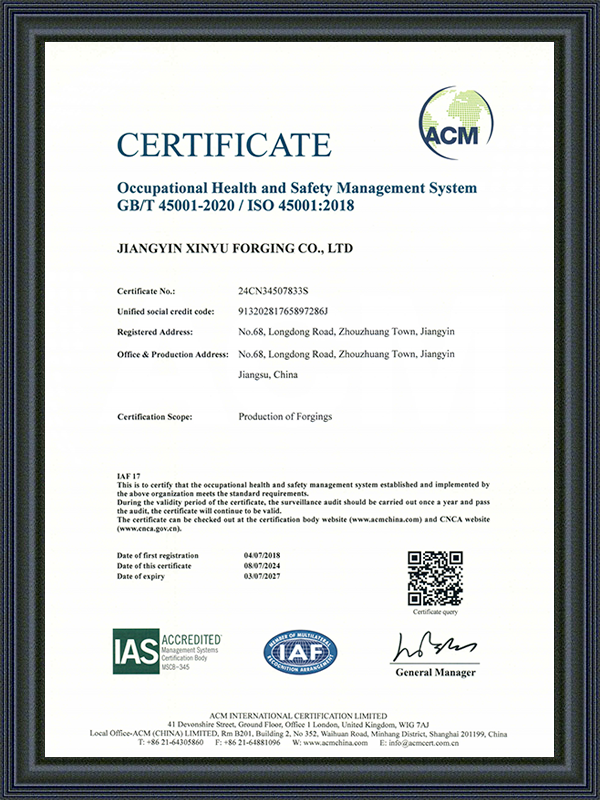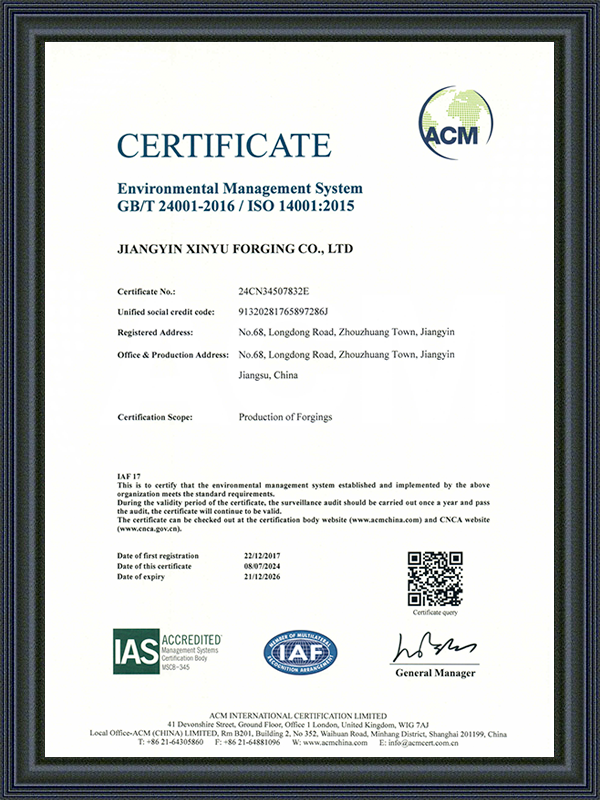


 英语
英语 德语
德语 阿拉伯语
阿拉伯语

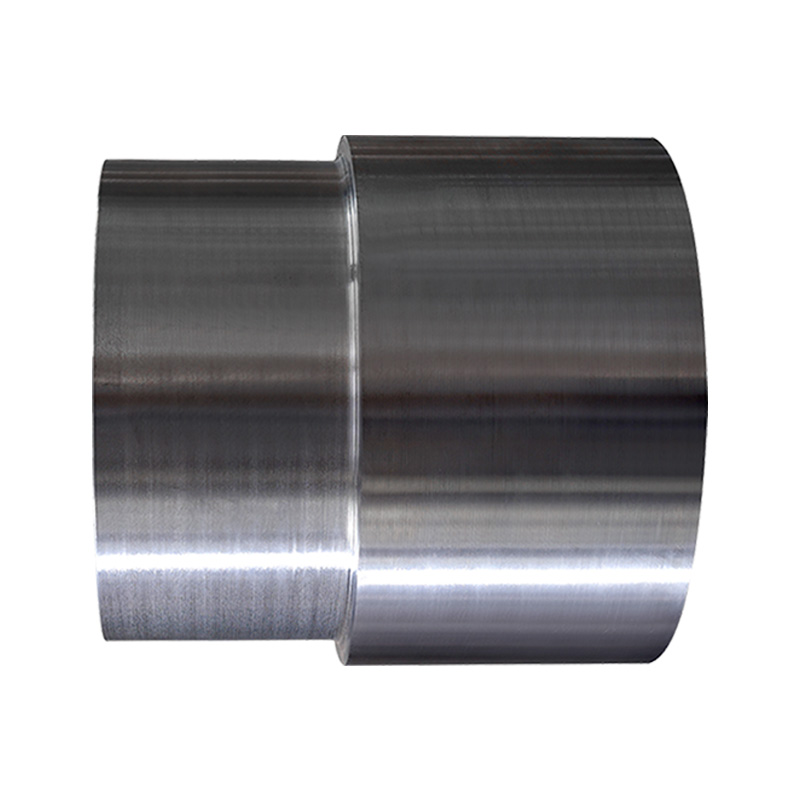
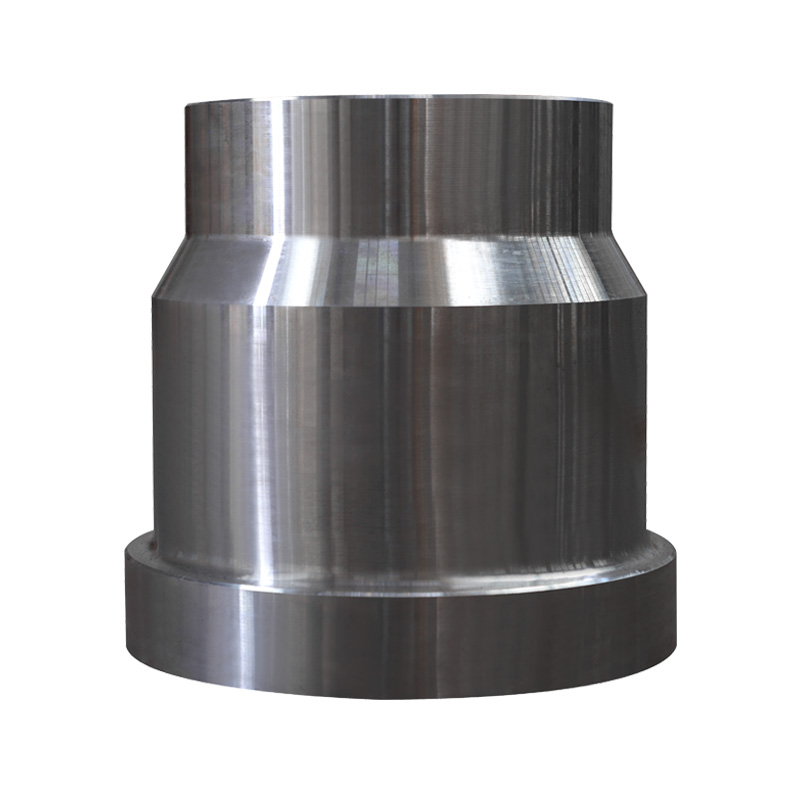
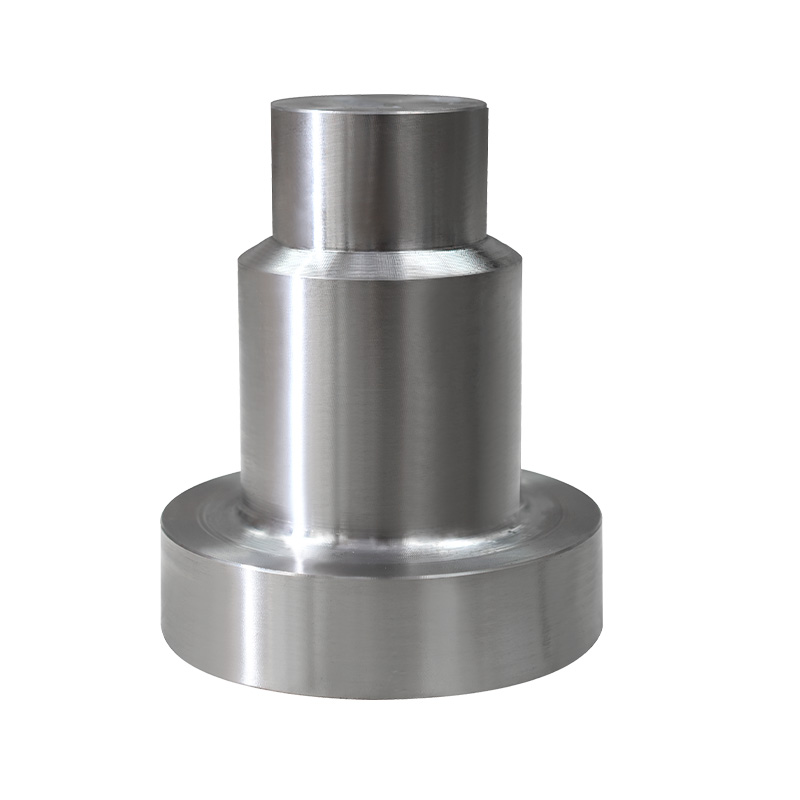
Technical Features and API Specifications
Oilfield forgings are governed by the American Petroleum Institute (API) standards to ensure global interoperability and safety.
| Feature | Requirement Detail |
|---|---|
| Design Standard | API Specification 6A (Wellhead and Tree Equipment) |
| Material Classes | AA, BB, CC, DD, EE, FF, HH (Standard to Sour Service) |
| Product Spec Level | PSL 1, PSL 2, PSL 3, and PSL 3G (Gas Tested) |
| Pressure Ratings | 2,000 PSI to 20,000 PSI Working Pressure |
Each wellhead forging undergoes rigorous non-destructive examination (NDE). This includes ultrasonic testing for internal integrity and magnetic particle inspection for surface defects. The internal bores are precision-machined to accommodate various hanger profiles, and the flange faces are finished to strict tolerances to ensure leak-proof metal-to-metal sealing. Forged wellheads also offer superior weldability compared to cast alternatives, which is crucial for field-welding the casing head to the surface casing.
-
 Development Conceptscientific and technological innovation as the driving force.
 -
 Quality PolicyPeople, integrity, truth-seeking, innovation
 -
 Core ValueCommon development to achieve symbiosis and win-win.
Strategic Procurement for Oilfield Projects
Selecting the correct wellhead forging requires a deep analysis of the well's planned depth, pressure, and chemical composition:
- Determine the Material Class: If H2S or CO2 is present, specify "EE" or "FF" class forgings which utilize stainless steel or high-nickel alloys to prevent stress corrosion cracking.
- Specify the PSL Level: For offshore or high-pressure wells, always specify PSL 3 or PSL 3G, which requires more stringent volumetric inspection and pressure testing.
- Temperature Rating: Ensure the forged steel is impact-tested at the lowest expected ambient temperature (e.g., -46°C for arctic service).
- Load Capacity: Verify that the forged tubing head can support the combined weight of the production string and the expected hydraulic forces.
Check for "Cladding" options; for extremely corrosive wells, a forged carbon steel body can be internally clad with Inconel 625 through a weld-overlay process to provide a cost-effective yet highly resistant solution.
Operational Advantages of Forged Wellheads
The shift from casting to forging in wellhead manufacturing has dramatically improved safety margins and operational reliability in the oilfield.
| Advantage | Field Performance Impact |
|---|---|
| Leak Resistance | Metal-to-metal seals are more reliable on dense forged surfaces. |
| Fatigue Life | Superior resistance to the vibration caused by high-velocity flow. |
| Toughness | Resists brittle fracture during rapid pressure fluctuations. |
| Uniformity | Consistent mechanical properties across the entire component. |
Because forged wellheads have no internal gas pockets, they are inherently "gas-tight." This is a critical advantage for modern gas production and carbon capture (CCUS) projects where the molecular size of the gas requires the highest possible material density to prevent permeation. Furthermore, the structural strength of a forged casing head provides a safer platform for mounting the massive BOP stacks during the drilling phase.
Primary Application Environments
Forged wellhead components are essential for every stage of oil and gas extraction across the globe.
| Environment | Primary Usage Case |
|---|---|
| Offshore Platforms | Compact, high-pressure wellhead trees for limited space. |
| Shale Gas Wells | Durable components for high-volume hydraulic fracturing. |
| Geothermal Wells | Heat-resistant forgings for high-temperature steam extraction. |
| Subsea Completion | Corrosion-resistant forgings for underwater production. |
In the high-pressure environments of unconventional shale plays, forged wellheads are subjected to intense sand-laden fluids during the "fracking" process. The high surface hardness and structural integrity of the forged material prevent internal erosion, ensuring the well remains secure for production after the stimulation phase is completed.
- Q: What is the difference between PSL 2 and PSL 3?
- A: PSL 3 requires additional non-destructive testing, such as volumetric ultrasonic examination of the entire forging, and more frequent mechanical testing to ensure higher reliability in critical wells.
- Q: Why is 4130 steel common for wellheads?
- A: 4130 is a low-alloy steel that offers an excellent balance of high strength, good toughness, and great weldability after quenching and tempering, meeting API 6A requirements efficiently.