

 英语
英语 德语
德语 阿拉伯语
阿拉伯语

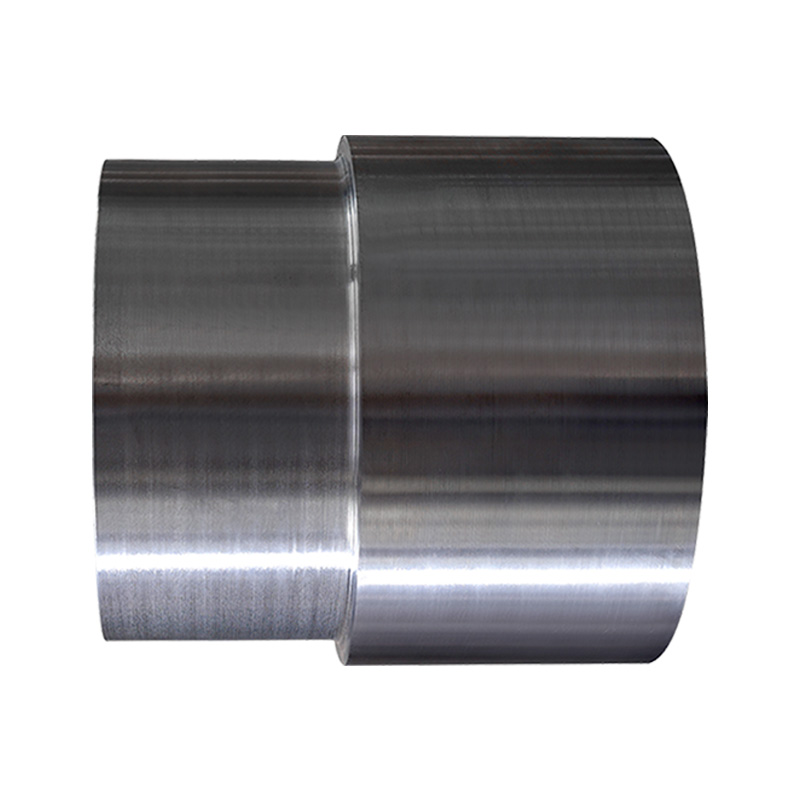
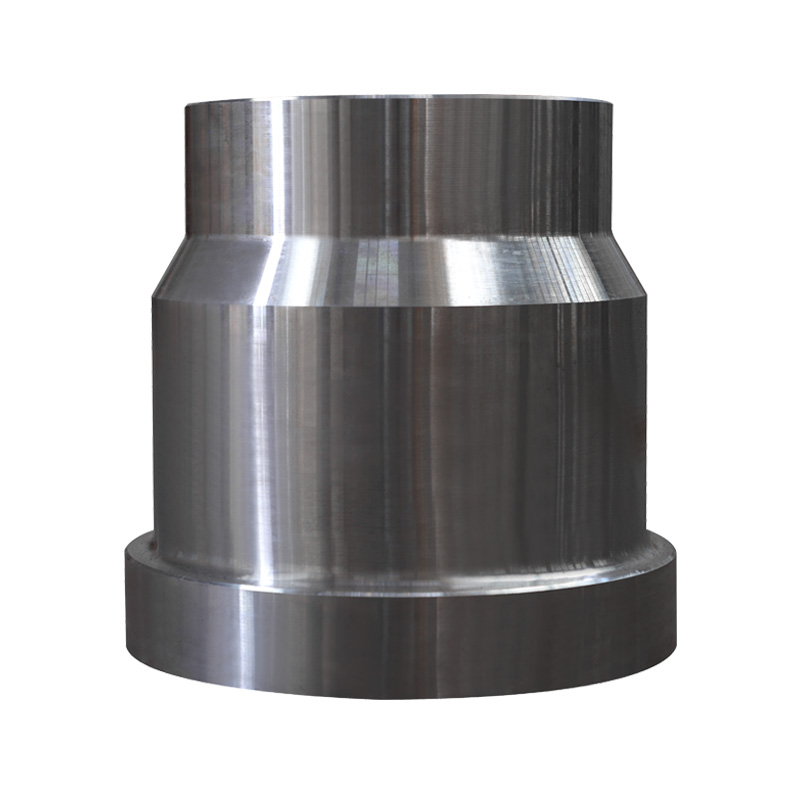
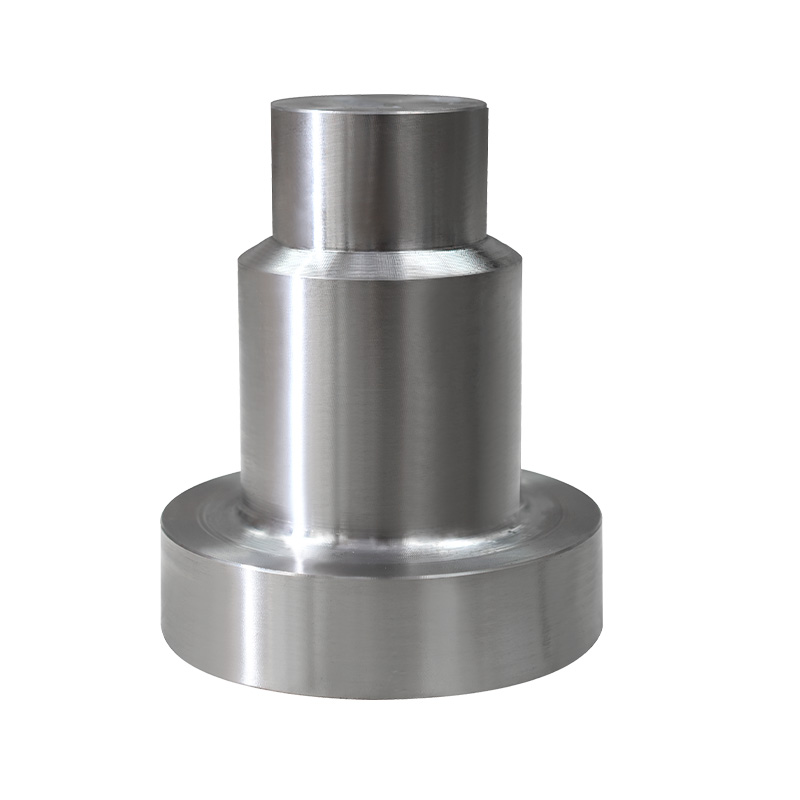
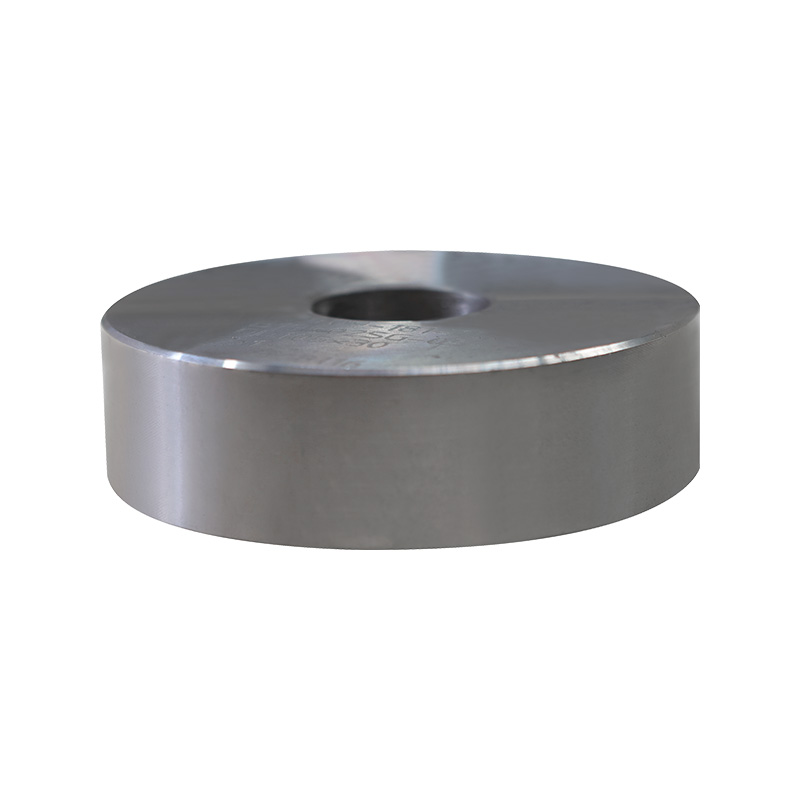
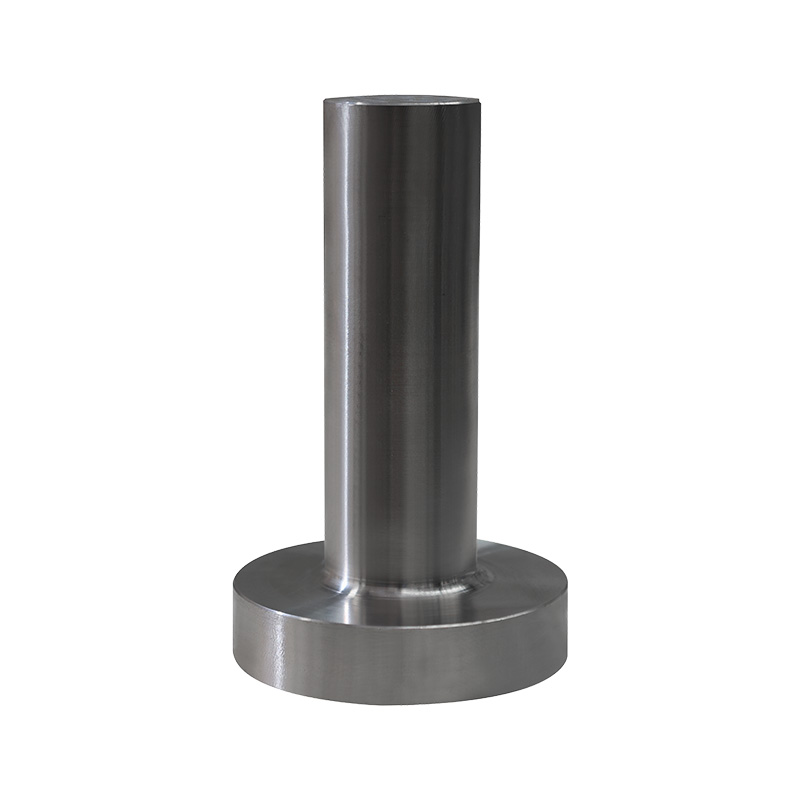
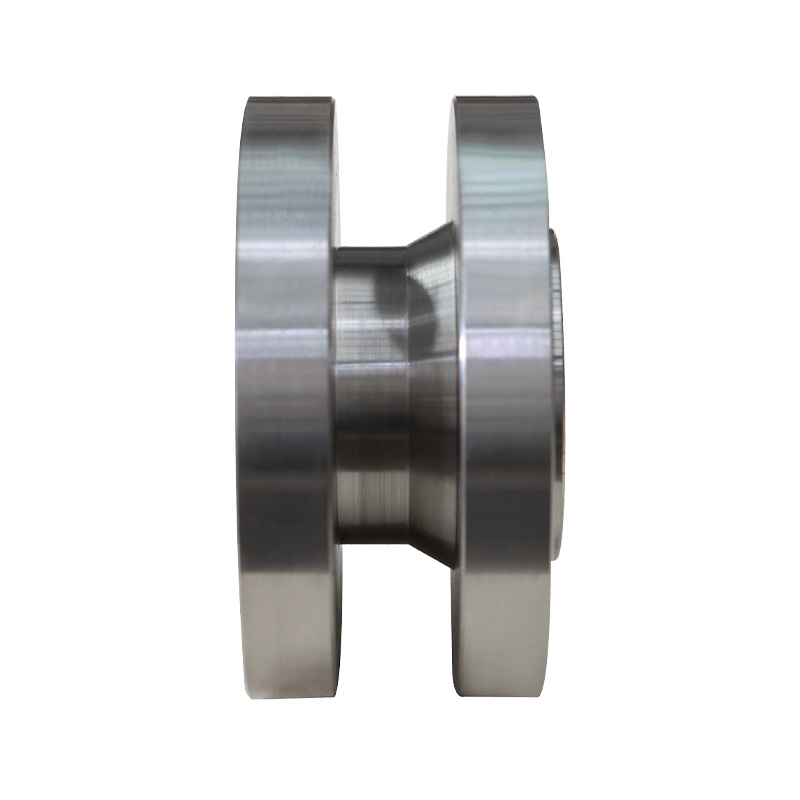
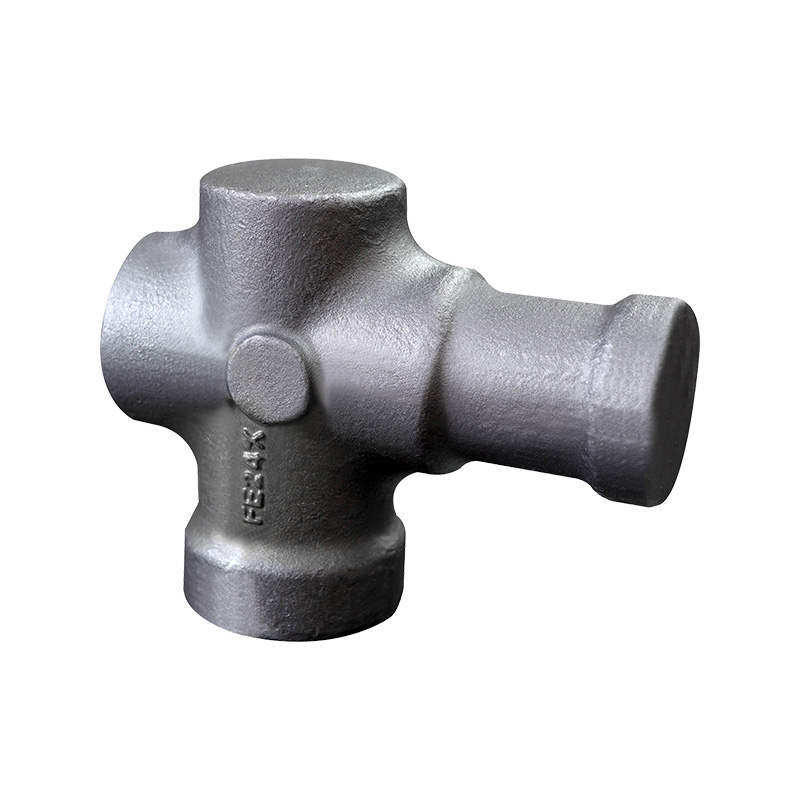
Technical Features and Specifications
Gate valve forgings must comply with strict international standards to ensure interchangeability and safety. The following table details the standard technical parameters:
| Feature | Specification Detail |
|---|---|
| Manufacturing Standard | API 602, API 600, ASME B16.34 |
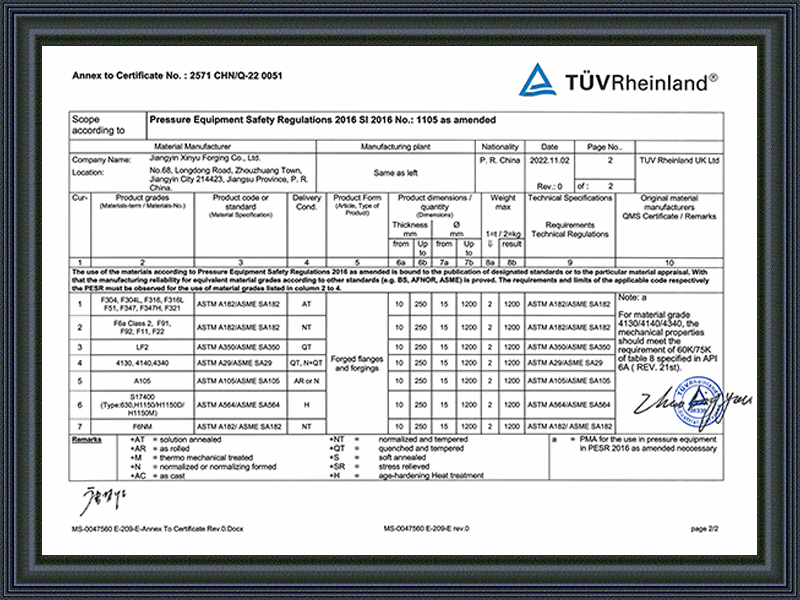
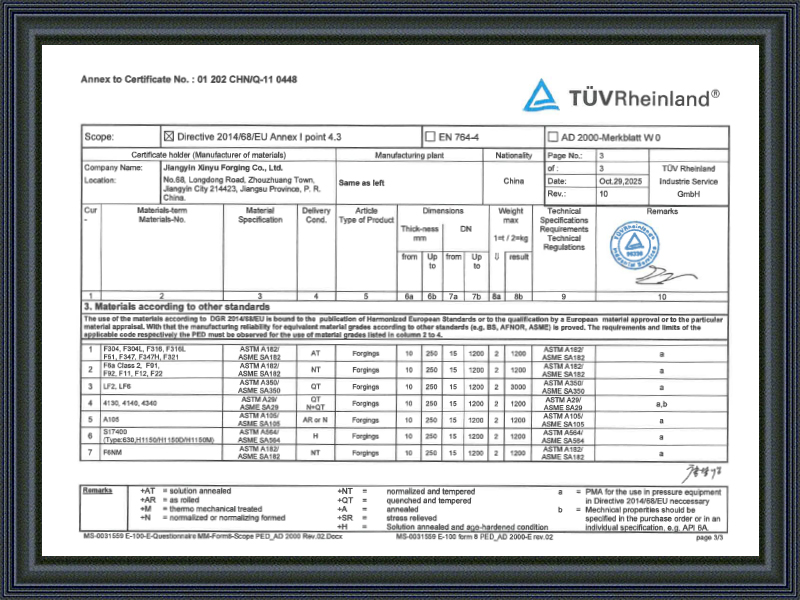
| Material Options | ASTM A105, A350 LF2, F316L, Alloy 20 |
| Wedge Type | Solid Wedge, Flexible Wedge, Split Wedge |
| Pressure Rating | Class 800, 1500, 2500, and 4500 |
The forging process allows for "integral" seat designs where the seat is part of the body forging itself, or "threaded-in" seats for easier maintenance. High-pressure gate valves often feature a pressure-seal bonnet design, which relies on the high tensile strength of the forged material to maintain a seal that becomes tighter as internal pressure increases. Precision CNC machining of the guide rails ensures the wedge travels smoothly without tilting or galling the seat faces.
-
 Development Conceptscientific and technological innovation as the driving force.
 -
 Quality PolicyPeople, integrity, truth-seeking, innovation
 -
 Core ValueCommon development to achieve symbiosis and win-win.
Selection and Procurement Strategy
When procuring forged gate valve components for large-scale projects, several technical nuances must be addressed:
- Wedge Choice: For applications with high temperature fluctuations, a "flexible wedge" forging is superior as it prevents the valve from sticking (thermal binding) in the closed position.
- Stem-to-Wedge Connection: Inspect the T-head connection of the stem. In forged designs, this area should have a generous radius to prevent stress concentration and fatigue failure.
- Fugitive Emissions: For hazardous chemicals, specify forged bodies with a high-quality surface finish in the packing box to meet Low-E (Low Emission) requirements.
- Bore Size: Confirm if the system requires a "Full Bore" to allow for pigging operations or if a "Standard Bore" is sufficient for the flow rate.
Ensuring the manufacturer has the capability for "Step-Forging" can often result in a stronger transition between the valve body and its flanges, which is critical for supporting heavy actuators.
Advantages of Forged Gate Valves
Forged gate valves offer several key advantages over cast alternatives, primarily focusing on safety and structural integrity.
| Advantage | Benefit to Plant Operation |
|---|---|
| High Pressure Integrity | Safely handles pressures exceeding 400 bar without wall seepage. |
| Compact Design | Lighter and stronger, reducing the need for heavy pipe supports. |
| Grain Flow Alignment | Continuous grain flow provides maximum resistance to shear stress. |
| Weldability | Lower risk of hydrogen cracking during installation welding. |
One of the most significant advantages is the absence of "sand holes" or "gas porosity" which are common in castings. This means that forged gate valves are much less likely to fail during high-pressure gas testing or during the initial pressurization of a pipeline. This reliability significantly reduces the risk of expensive downtime and environmental cleanup costs.
Global Industrial Applications
Forged gate valves are used across a wide spectrum of industries where reliable isolation is the primary requirement.
| Industry | Specific Use Case |
|---|---|
| Oil Refineries | High-temperature cracking and distillation units. |
| Chemical Plants | Isolation of aggressive chemical feed lines. |
| Hydraulic Systems | High-pressure isolation for industrial presses. |
| Thermal Power | Boiler feedwater and main steam isolation. |
In the upstream oil sector, forged gate valves are the primary component of "Christmas Trees" (wellhead assemblies) where they must operate reliably for decades in remote locations. Their ability to handle high-pressure gas and crude oil without leaking makes them the industry standard for environmental protection.
- Q: Can gate valves be used for throttling flow?
- A: No, gate valves should only be used in fully open or fully closed positions. Using them to throttle flow causes vibration and erosive wear on the forged wedge and seats.
- Q: What is thermal binding in a gate valve?
- A: Thermal binding occurs when a valve is closed while hot and then cools down, causing the forged body to contract around the wedge. Flexible wedge designs help prevent this.