

 英语
英语 德语
德语 阿拉伯语
阿拉伯语

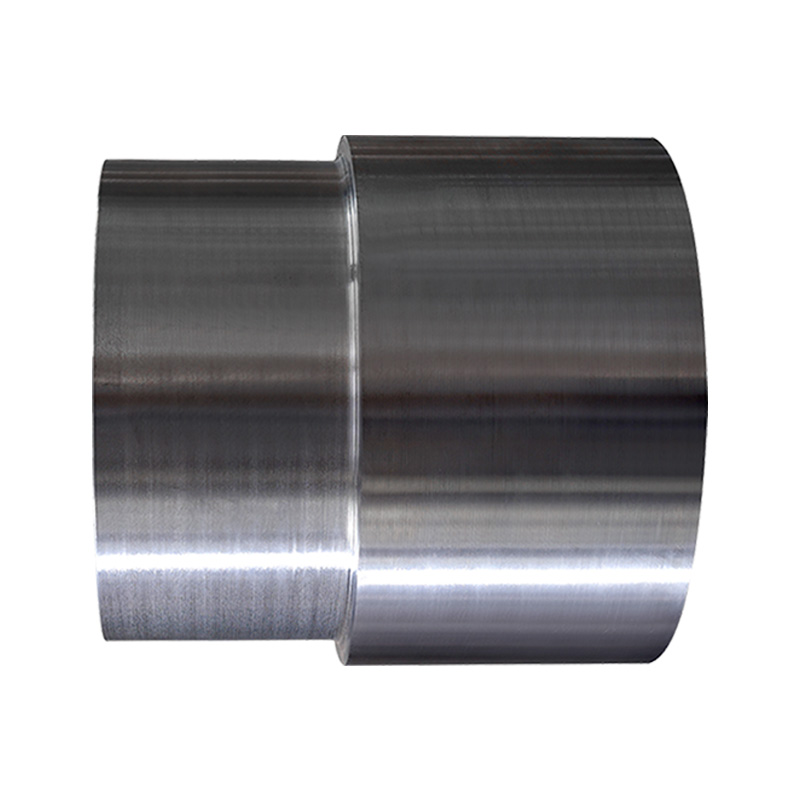
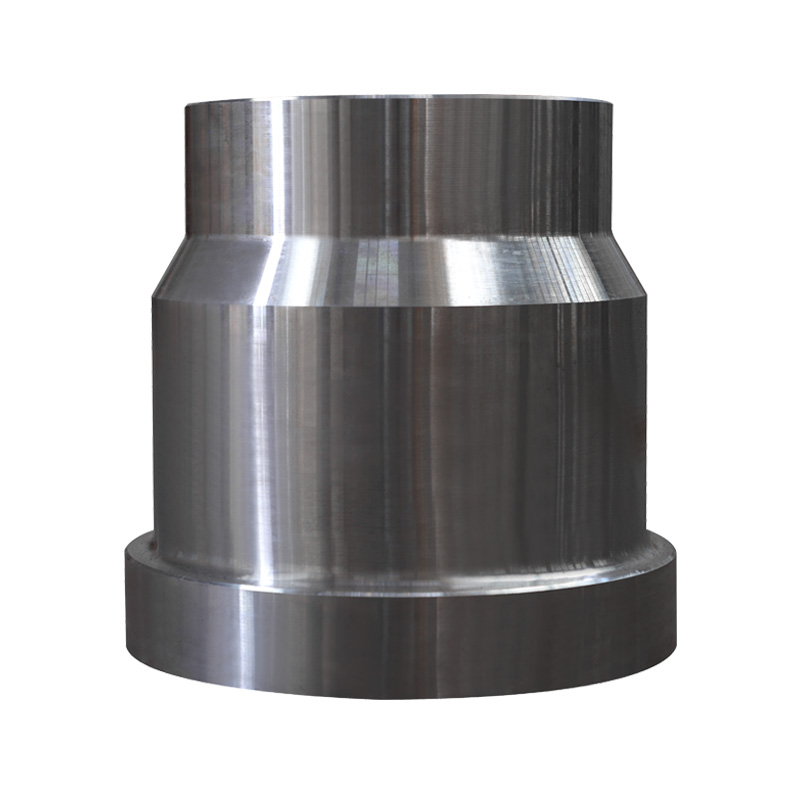
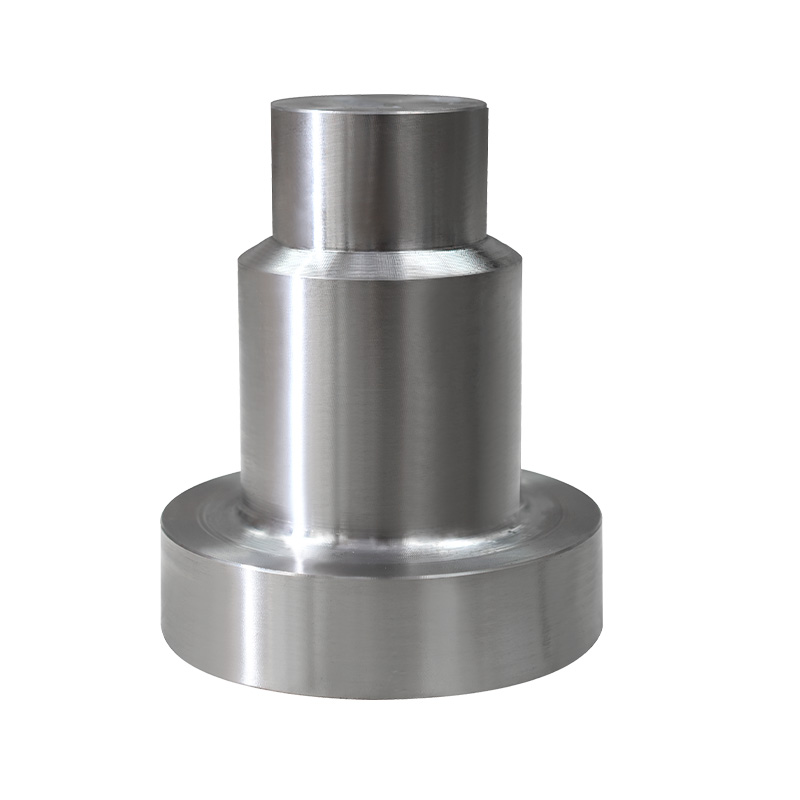
Technical Features and NACE Compliance
NACE forgings require strict adherence to hardness limits and chemical composition.
| Feature | Technical Requirement |
|---|---|
| Hardness Limit | Typically ≤ 22 HRC (Rockwell C) for carbon/alloy steels. |
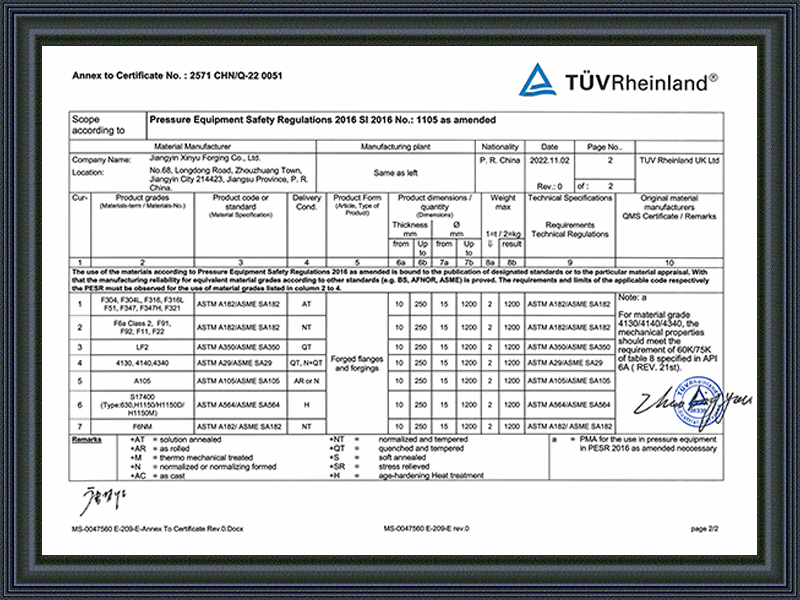
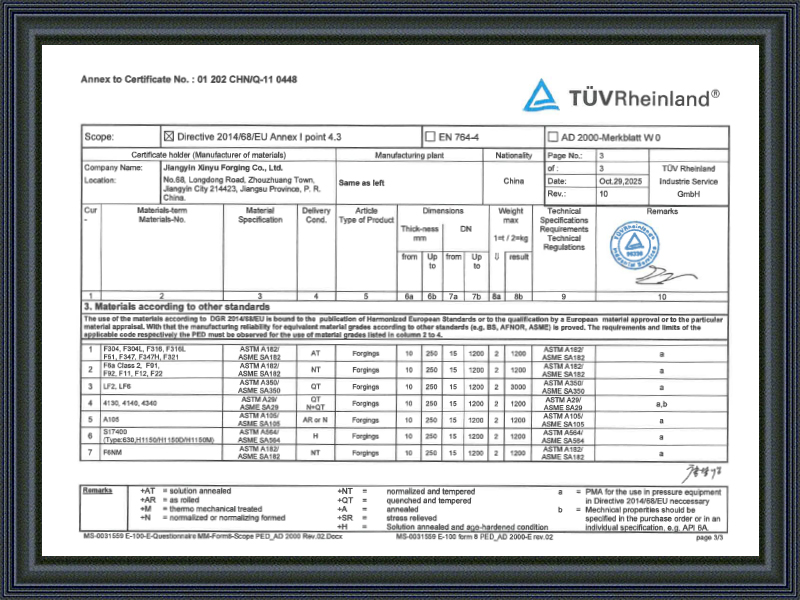
| Material Grades | A105N, LF2, 4130, F316L, Duplex F51. |
| Heat Treatment | Normalizing, Quenching & Tempering (Double Tempering often required). |
| Chemical Control | Restricted Nickel and Sulfur content to prevent SCC. |
To verify compliance, these forgings often undergo HIC (Hydrogen Induced Cracking) and SSC testing in laboratory environments that simulate the harshest sour fields. The grain refinement achieved during forging, combined with vacuum-degassed steel, ensures that the inclusions are minimal, leaving fewer "trap sites" for hydrogen. This makes forged components the only reliable choice for high-pressure sour gas manifolds and wellheads.
-
 Development Conceptscientific and technological innovation as the driving force.
 -
 Quality PolicyPeople, integrity, truth-seeking, innovation
 -
 Core ValueCommon development to achieve symbiosis and win-win.
Procurement Guidelines for Sour Fields
When sourcing forgings for H2S environments, documentation and material certification are non-negotiable:
- Hardness Testing: Ensure 100% of the parts are tested at the surface and center to guarantee they do not exceed the 22 HRC limit.
- MTR Verification: Verify the Mill Test Report explicitly states "Compliant with NACE MR0175/ISO 15156."
- Welding Procedures: If the forging is to be welded, ensure the Post-Weld Heat Treatment (PWHT) is performed to maintain NACE-level hardness in the Heat Affected Zone (HAZ).
- Inclusion Rating: Request a low-inclusion rating (clean steel) to further reduce the risk of step-wise cracking.
Advantages of Forged NACE Components
Using forged steel for sour service provides the ultimate margin of safety against invisible material degradation.
| Advantage | Operational Impact |
|---|---|
| SSC Resistance | Prevents sudden, brittle failure in H2S environments. |
| Material Homogeneity | Predictable performance under high-pressure sour gas. |
| Ductility | Absorbs mechanical energy without cracking in cold climates. |
| Traceability | Full "Heat Number" tracking ensures accountability for critical safety. |
The primary advantage is "Safety Longevity." In a sour well, a standard valve could fail in weeks; a forged NACE-compliant valve can last for decades. This reliability prevents environmental disasters and minimizes the need for "kill" operations to replace failed equipment, saving millions in operational costs.
Essential Sour Gas Applications
NACE forgings are mandatory in any environment where H2S partial pressure exceeds safe limits.
| Application | Usage Context |
|---|---|
| Sour Gas Wellheads | Primary containment of high-pressure H2S gas. |
| Refinery Desulfurizers | High-temperature units removing sulfur from fuels. |
| Gathering Pipelines | Transporting raw gas from the well to the plant. |
| Chemical Processing | Handling sulfuric acid and other corrosive reagents. |
In deepwater offshore projects, where intervention is nearly impossible, NACE forgings are used for all subsea manifold components. The risk of a sour gas leak at the seafloor is so high that only the highest quality forged materials are permitted by international regulators and insurance underwriters.
- Q: Why is 22 HRC the magic number for NACE?
- A: Research has shown that below 22 HRC, most carbon and low-alloy steels possess enough ductility to resist the internal pressure from hydrogen atoms without cracking.
- Q: Does NACE apply to stainless steel?
- A: Yes, but the requirements differ. For stainless and duplex steels, the focus is on the environmental temperature and chloride concentration as well as H2S.