

 英语
英语 德语
德语 阿拉伯语
阿拉伯语

Technical Features and Specifications
Mud gate valves are built for ruggedness and high-pressure sealing (up to 7,500 PSI).
| Feature | Specification Detail |
|---|---|
| Design Standard | API 6A, API 6D |
| Material Grades | Forged AISI 4130, 4140, or Stainless Steel. |
| Gate Type | Slab Gate with forged wear-resistant coating. |
| Sealing Type | Resilient-seated or Metal-to-Metal. |
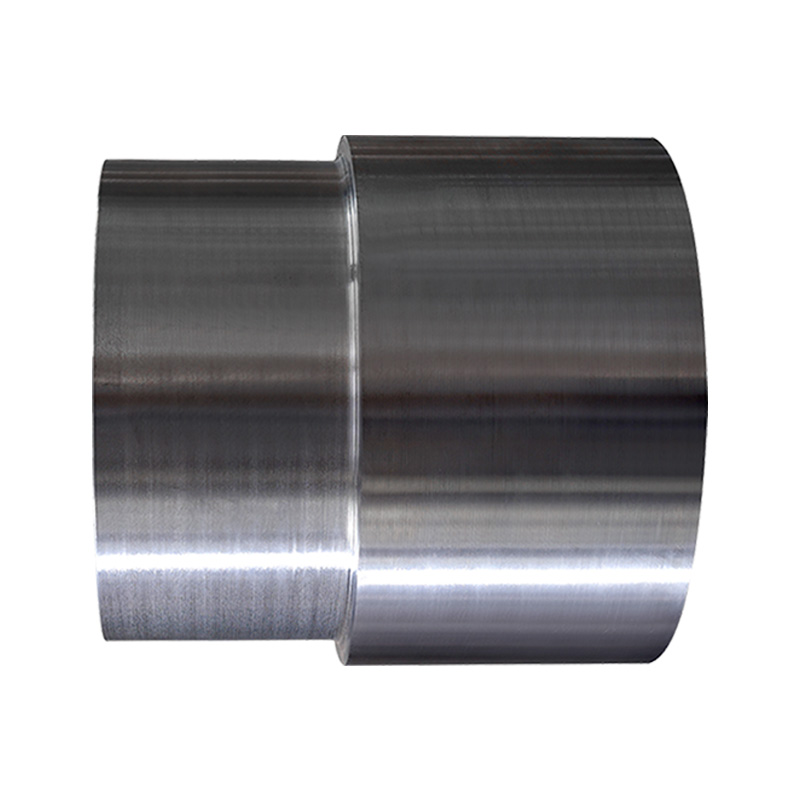
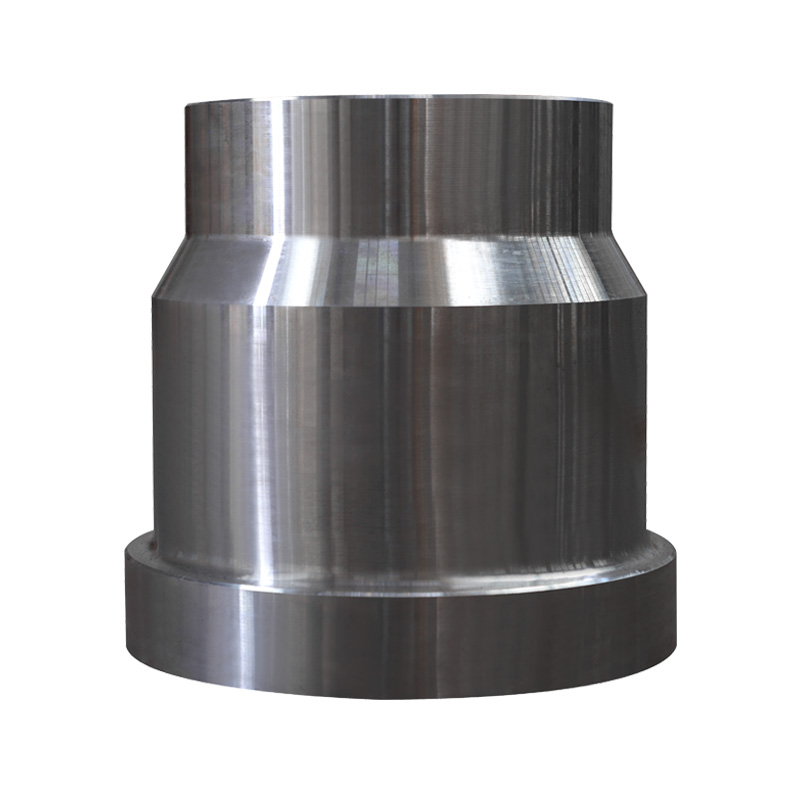
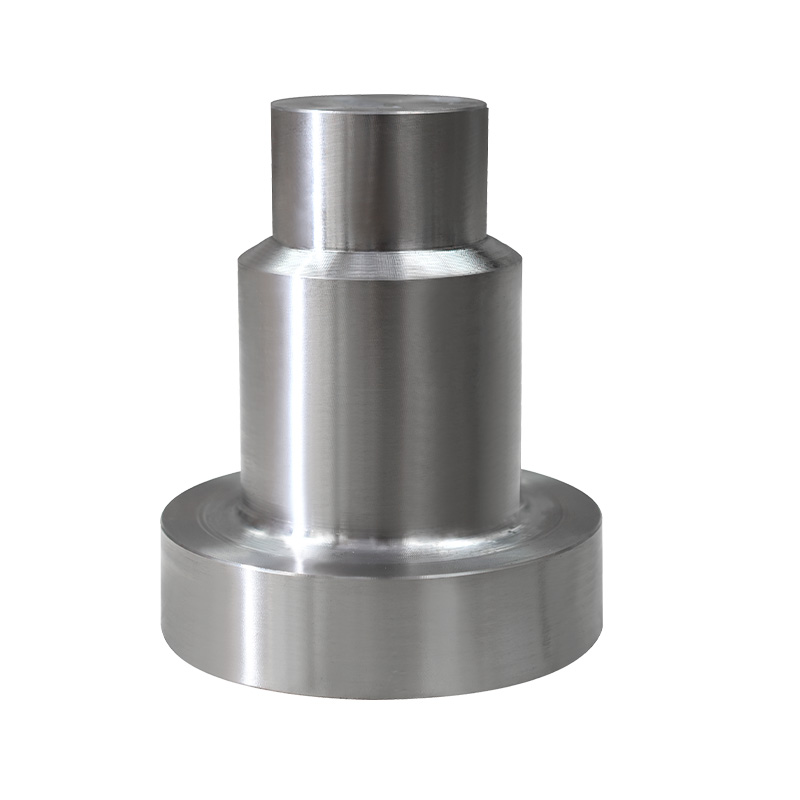
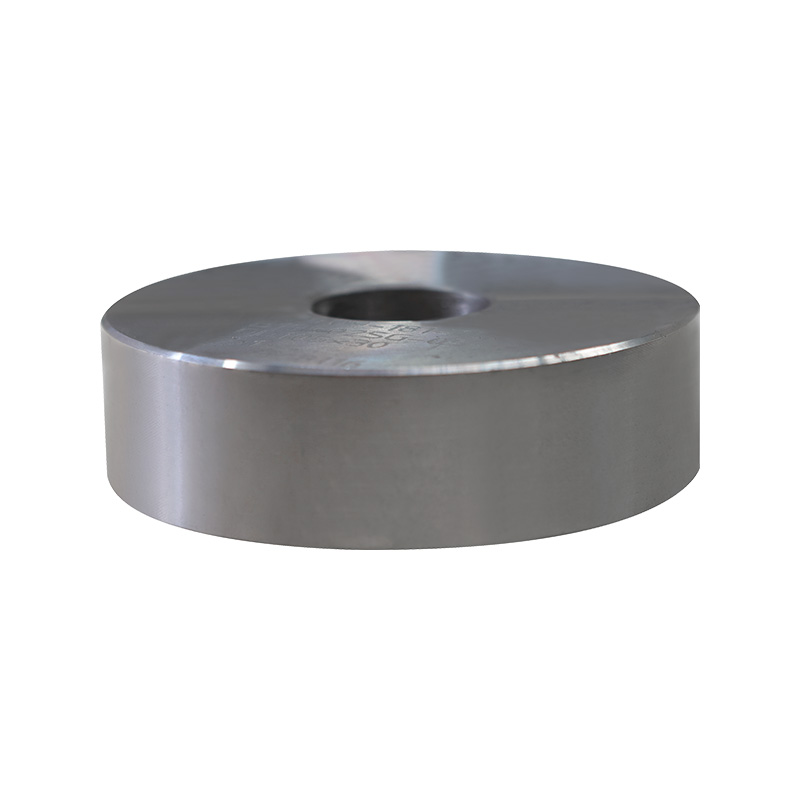
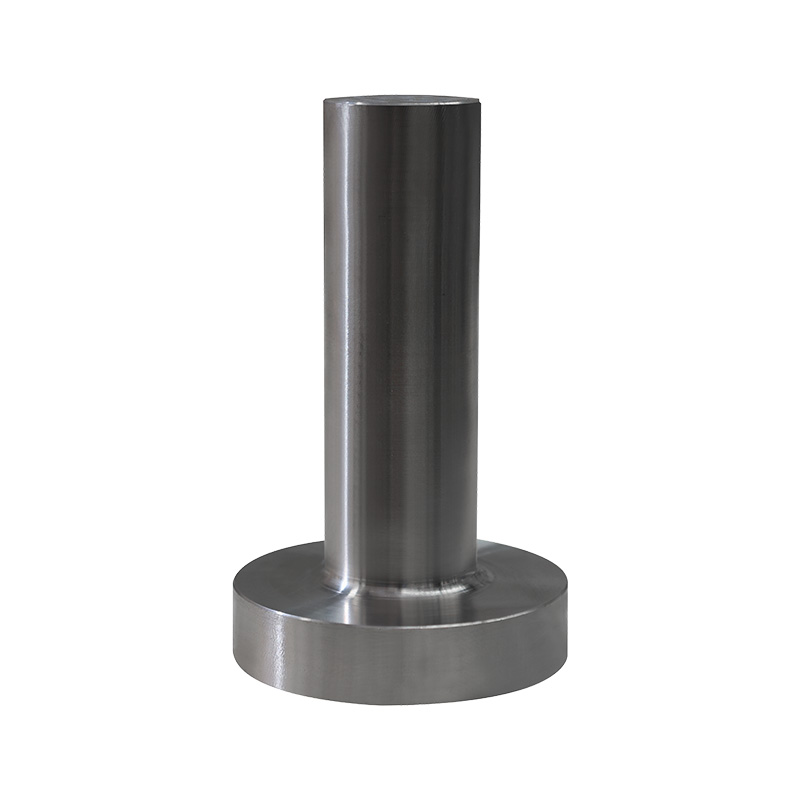
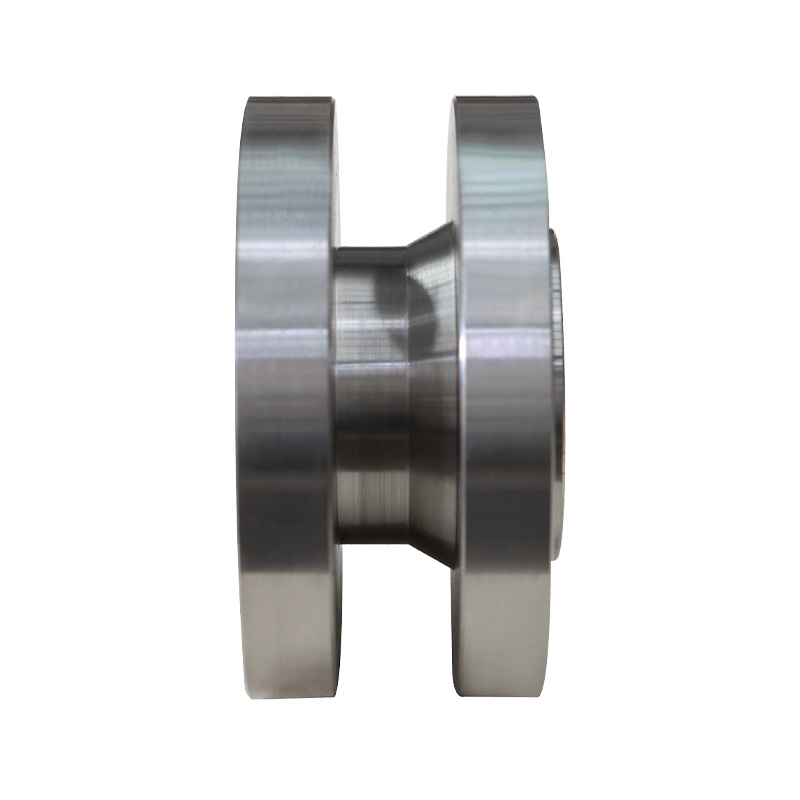
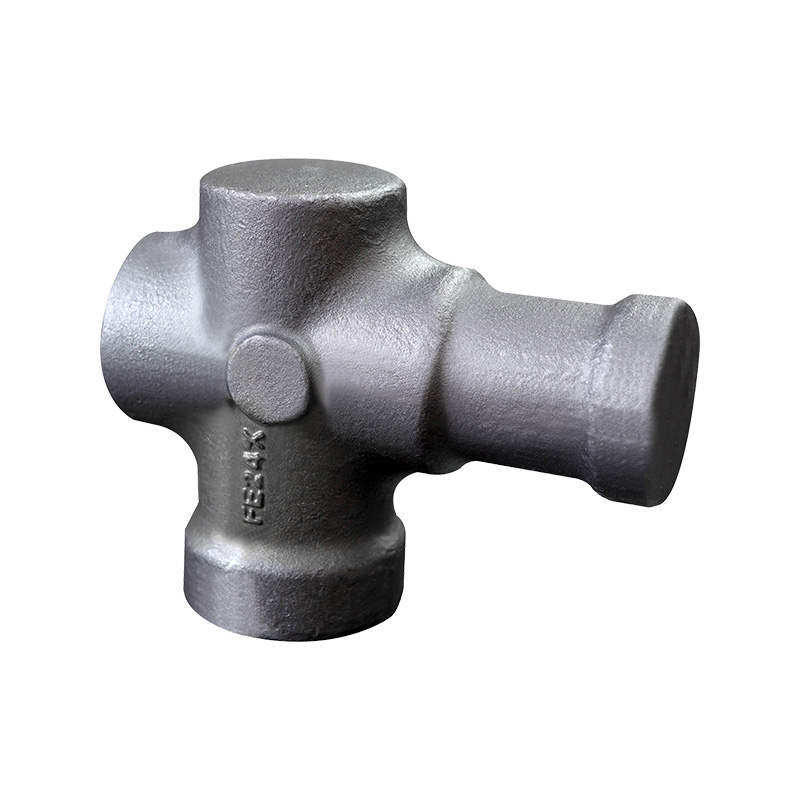
The forged body of a mud gate valve features a "straight-through" bore to minimize turbulence and abrasive wear. The gate (or slab) is a heavy forging that is precision-ground and often coated with hard-facing materials like Tungsten Carbide to resist erosion. The forging process for the slab ensures that it can withstand the high-torque opening and closing forces without bending, even when the valve is clogged with heavy drilling solids.
-
 Development Conceptscientific and technological innovation as the driving force.
 -
 Quality PolicyPeople, integrity, truth-seeking, innovation
 -
 Core ValueCommon development to achieve symbiosis and win-win.
Procurement Tips for Drilling Valves
When sourcing mud gate valve forgings, focus on the durability of the sealing surfaces and ease of repair:
- Bore Alignment: Ensure the forged body is machined with absolute alignment to prevent the gate from "wedging" or wearing the seats unevenly.
- Material Hardness: For abrasive mud, specify a forged body with a minimum hardness of 285 HB to resist internal erosion.
- Interchangeability: Ensure the forgings are compatible with standard mud valve brands (like Cameron or Demco) to simplify spare parts management on the rig.
- Trim Selection: Choose forged stainless steel internals (Trim) if the drilling mud contains high levels of corrosive chemicals or saltwater.
Advantages of Forged Mud Valves
Forged mud gate valves offer several key advantages in high-wear drilling environments.
| Advantage | Field Benefit |
|---|---|
| Erosion Resistance | Dense forged steel resists the "sand-blasting" effect of drilling mud. |
| Impact Toughness | Body won't crack during high-pressure pulses from the mud pump. |
| Field Repairable | Forged bodies maintain dimensional stability after years of use. |
| Safety Factor | Higher burst pressure rating than cast mud valves. |
The primary advantage is "Operating Torque." Because the forged body is extremely rigid, it doesn't flex under pressure. This ensures that the gate always moves smoothly, even at maximum working pressure. This reliability is vital for the "driller" who needs to quickly shut off flow in the event of a kick or a pump failure, protecting the crew and the wellbore.
Essential Drilling Applications
Mud gate valves are found on all modern oil and gas drilling rigs.
| System | Usage of Forged Mud Valves |
|---|---|
| Mud Manifolds | Controlling flow from pumps to the drill string. |
| Standpipe Manifold | The primary high-pressure manifold on the rig floor. |
| Kill Lines | Safety lines used to pump heavy mud into a kicking well. |
| Fracking Manifolds | High-pressure distribution of frack fluids. |
In high-pressure deepwater drilling, these valves are often part of complex subsea manifolds. The reliability of the forged components is what allows these valves to function perfectly at the bottom of the ocean, where the cost of a valve failure is astronomical.
- Q: Why are mud gate valves slab-style?
- A: A slab gate (parallel gate) is better for abrasive fluids because it doesn't have a wedge pocket where solids can collect and prevent the valve from closing.
- Q: Can mud gate valves be used for gas?
- A: While designed for liquids/slurries, many forged mud gate valves are rated for gas service, provided they have the correct "resilient" seals for a bubble-tight shutoff.