

 英语
英语 德语
德语 阿拉伯语
阿拉伯语

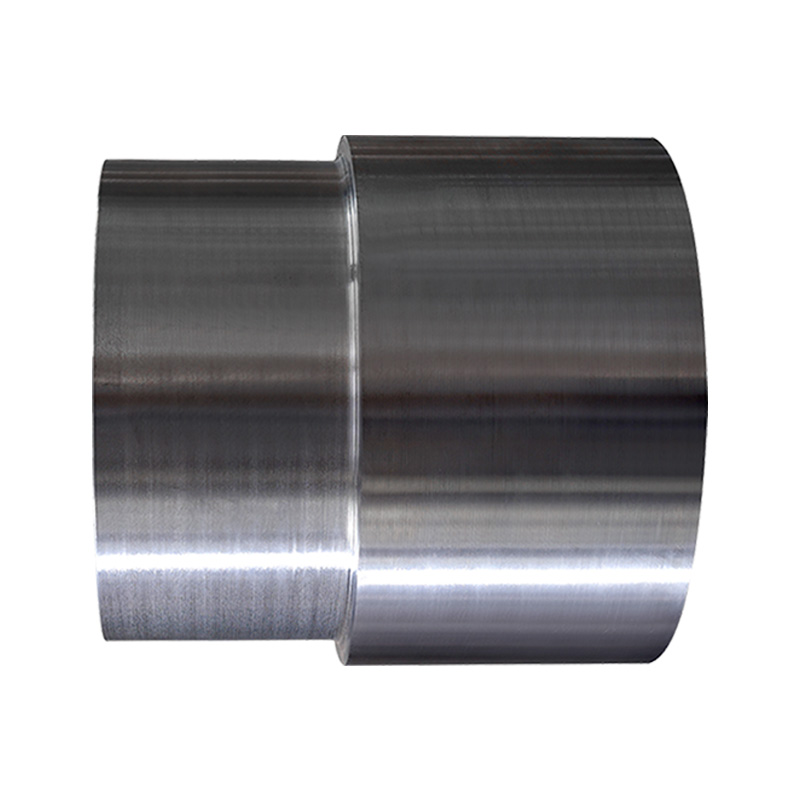
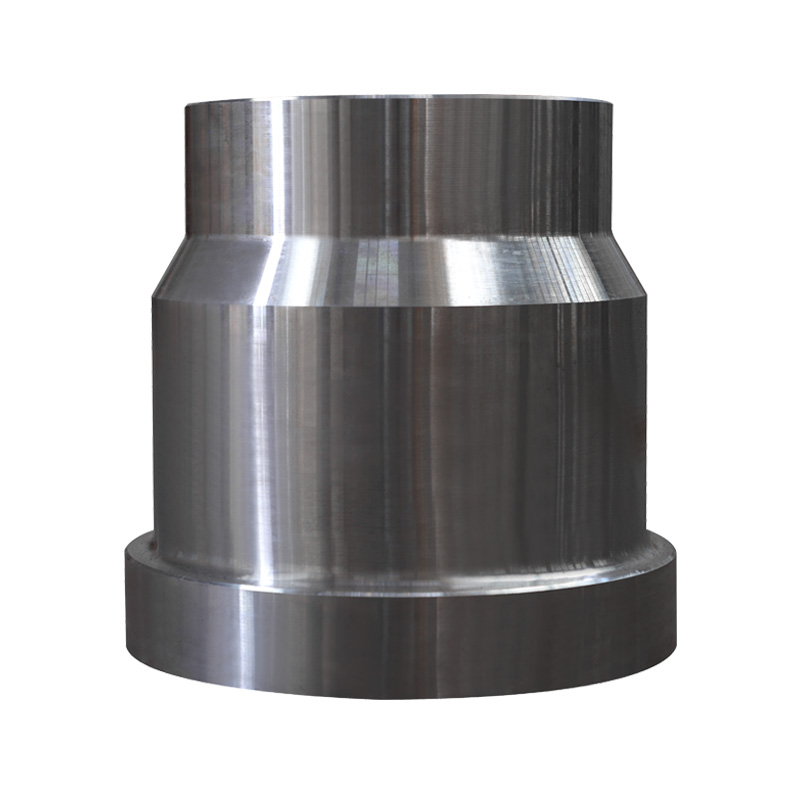
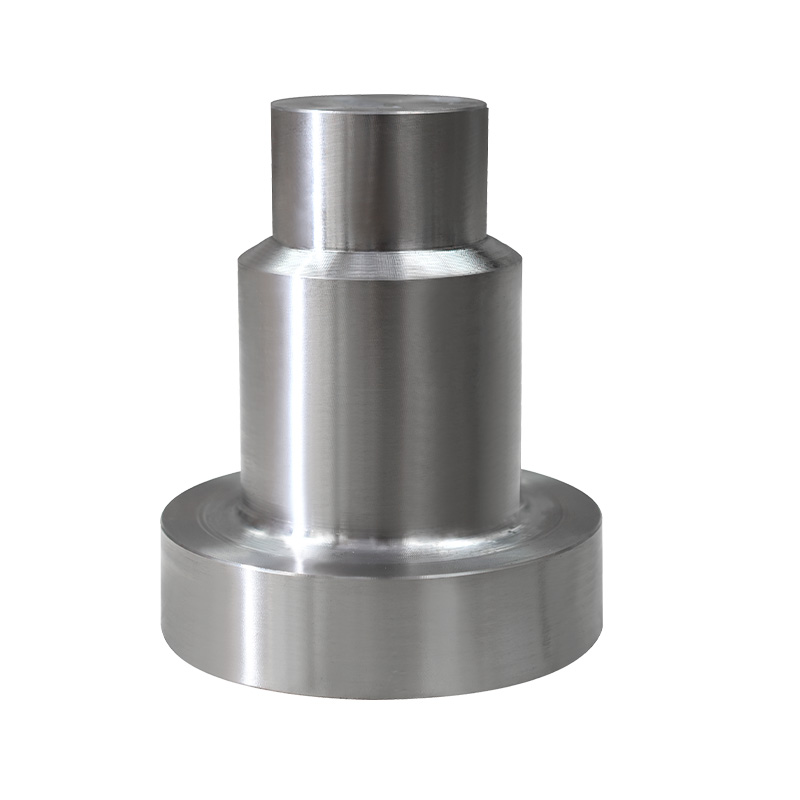
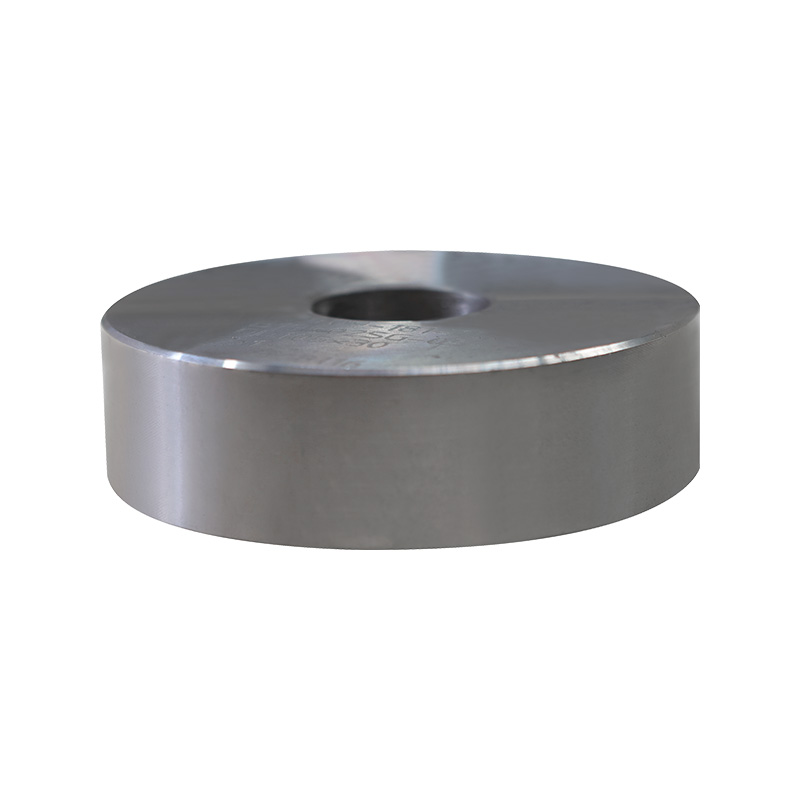
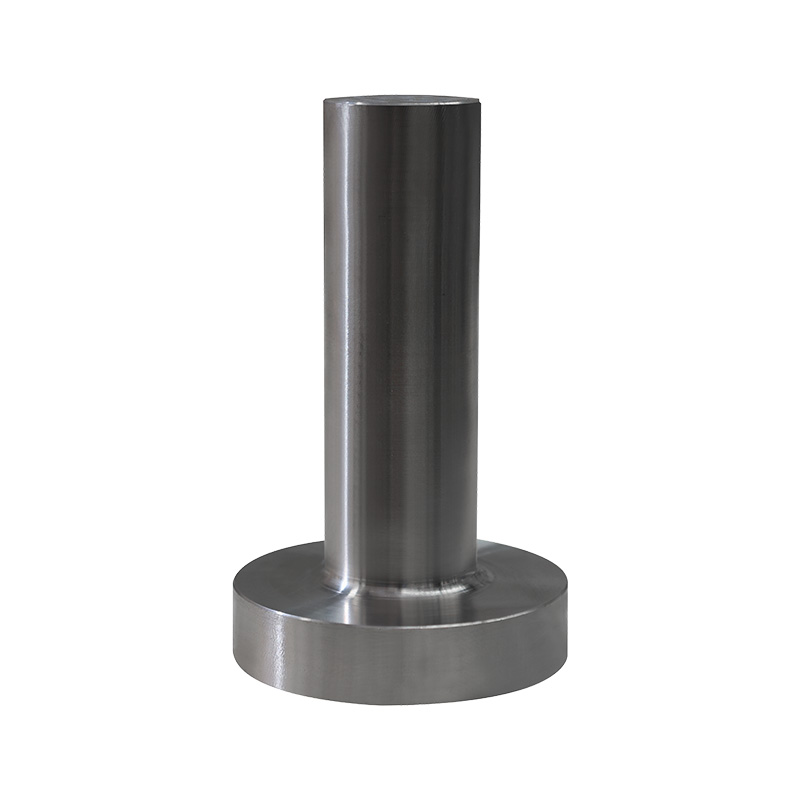
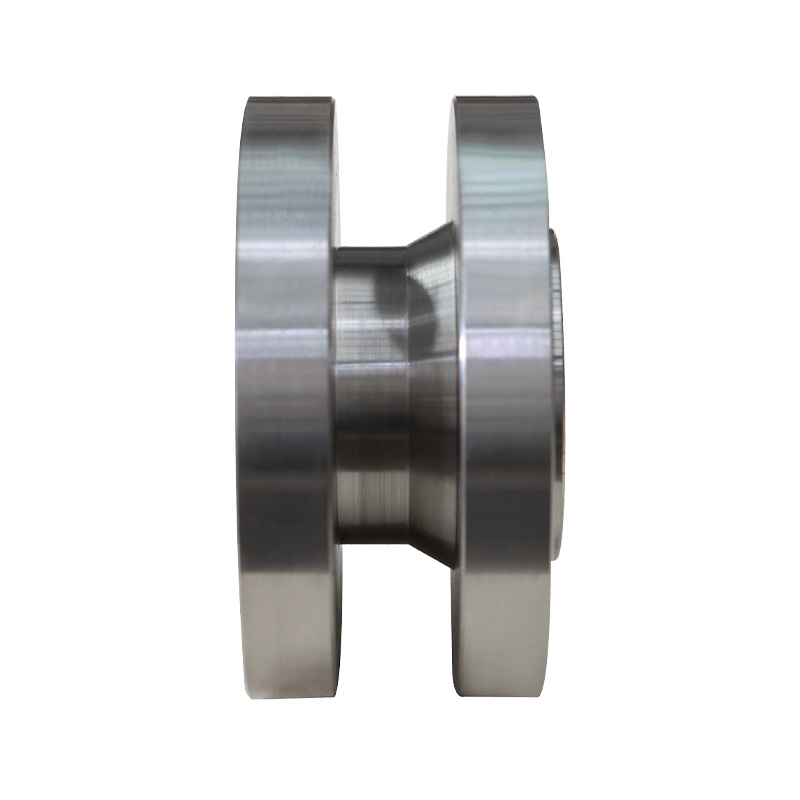
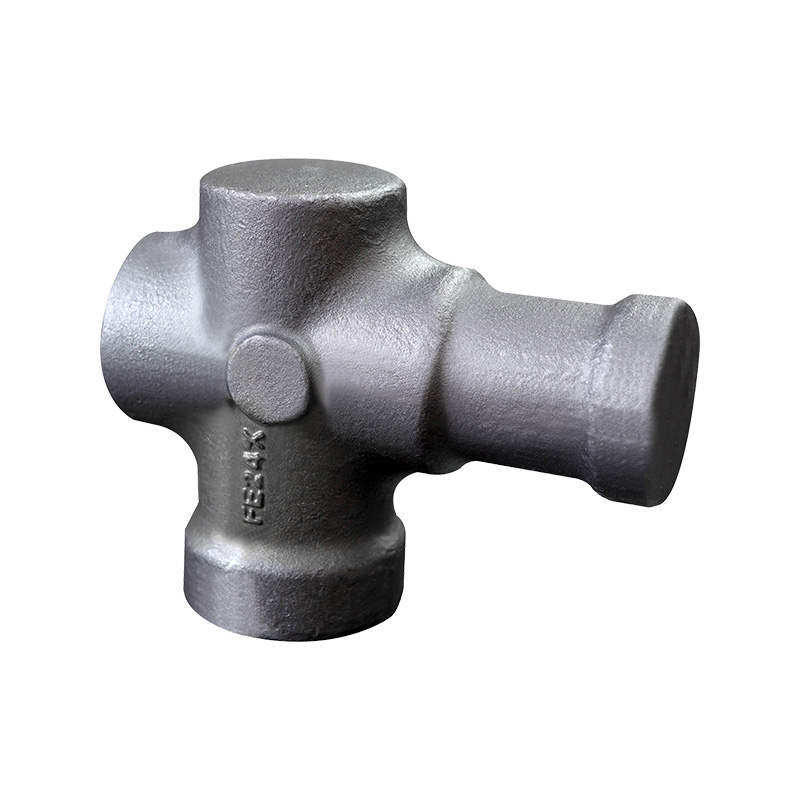
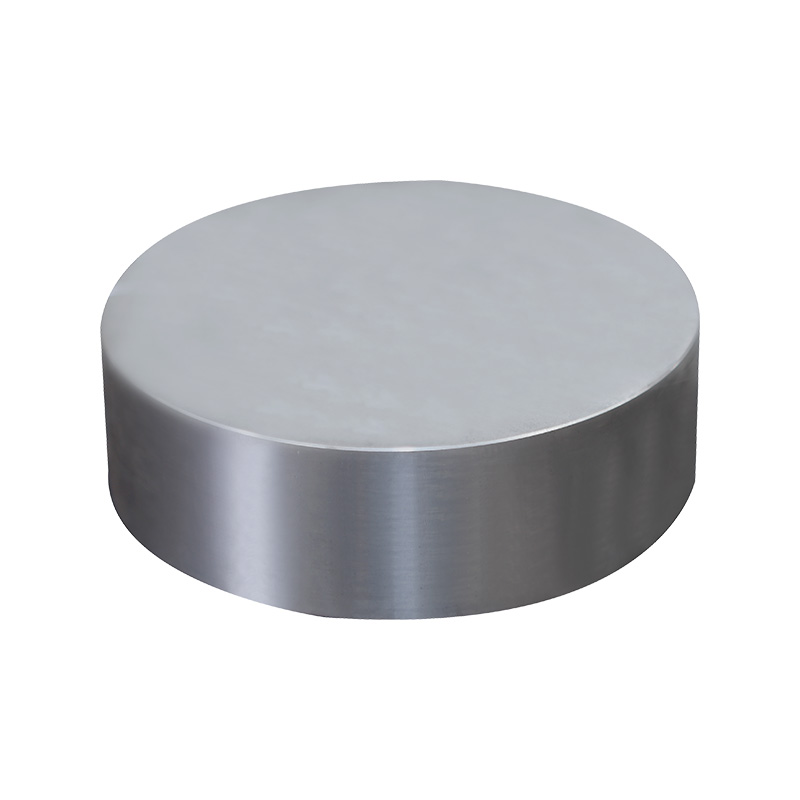
Technical Features and Specifications
The integrity of a forged valve body is determined by its metallurgical properties and the precision of its forging ratio. Below are the standard technical specifications for industrial valve forgings:
| Feature | Technical Description |
|---|---|
| Manufacturing Process | Open Die or Closed Die Forging with 3:1 Minimum Forging Ratio |
| Internal Integrity | 100% Ultrasonic Testing (UT) to ASTM A388 standards |
| Pressure Ratings | Suitable for Class 150 through Class 4500 services |
| Surface Finish | Rough machined or fully CNC finished to specified Ra values |
Each forging is subjected to rigorous heat treatment, including normalizing, quenching, and tempering, to achieve the specific mechanical values required by the customer’s datasheet. The grain flow is oriented along the direction of the highest stress points to maximize the fatigue life of the valve. Precision machining ensures that the flange faces and seat pockets meet tight tolerances for leak-proof sealing.
-
 Development Conceptscientific and technological innovation as the driving force.
 -
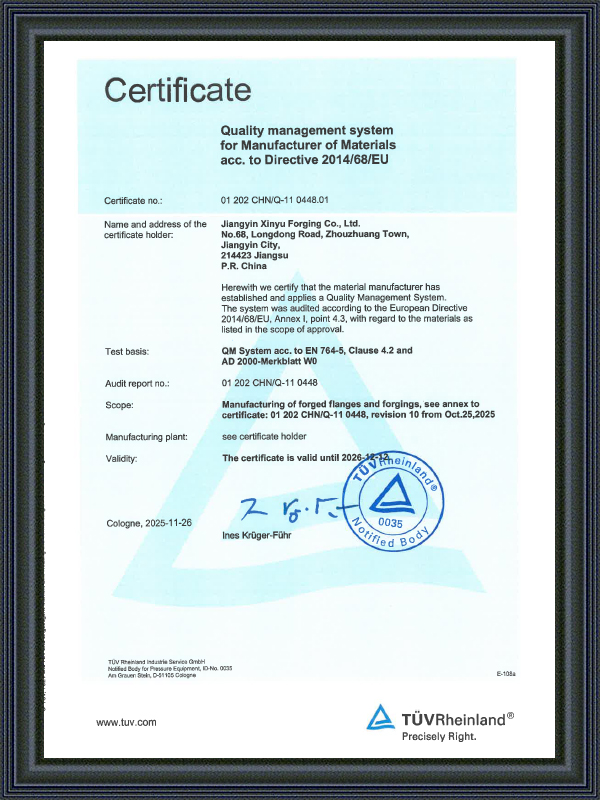
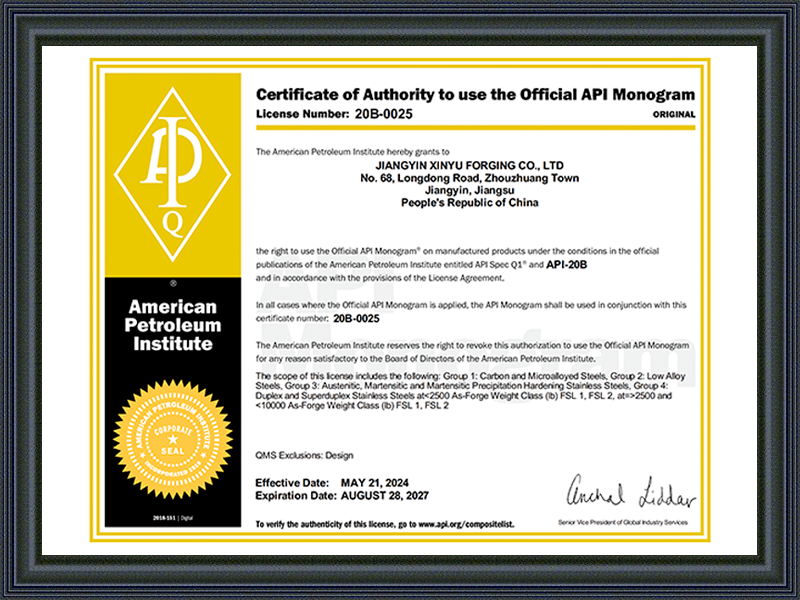
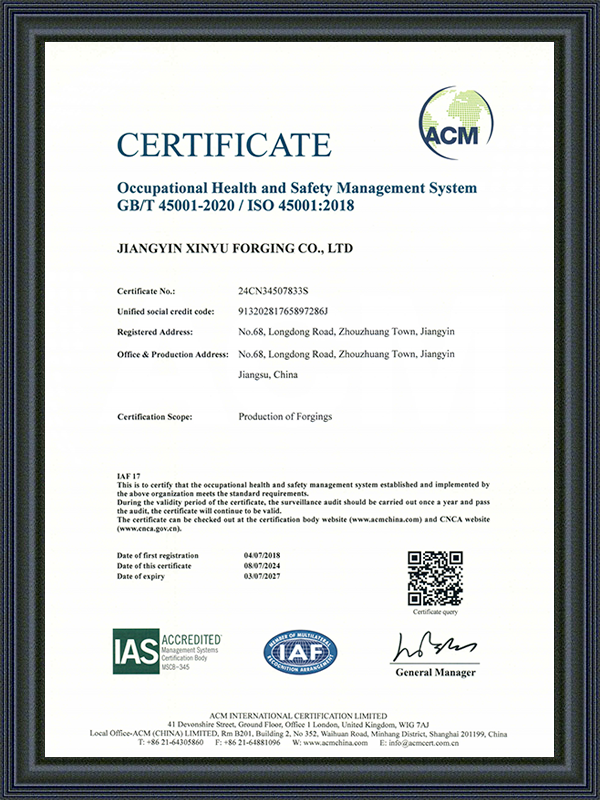
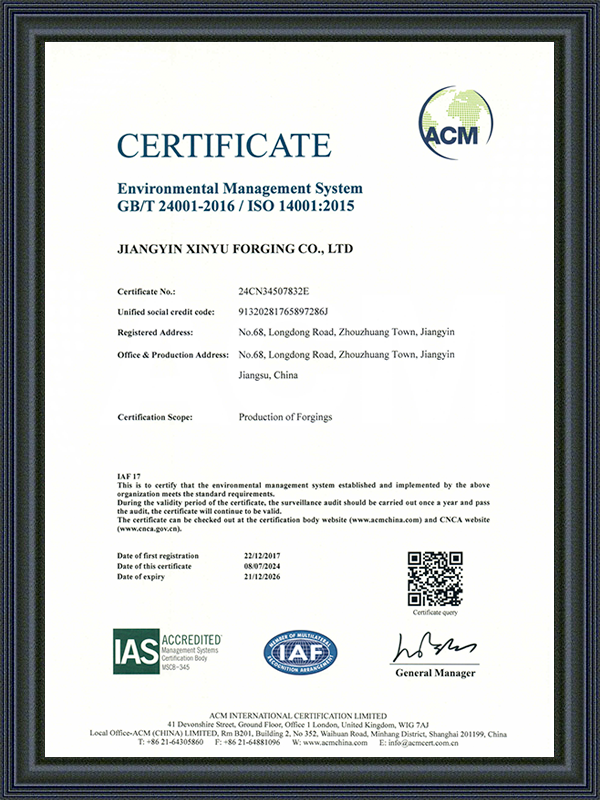
 Quality PolicyPeople, integrity, truth-seeking, innovation
 -
 Core ValueCommon development to achieve symbiosis and win-win.
Essential Selection and Procurement Tips
When sourcing forged valve bodies, procurement engineers must evaluate several critical factors to ensure the component meets the long-term operational needs of the facility:
- Verify the Forging Ratio: Ensure the manufacturer maintains a sufficient forging ratio to guarantee that the center of the billet is fully consolidated and free of voids.
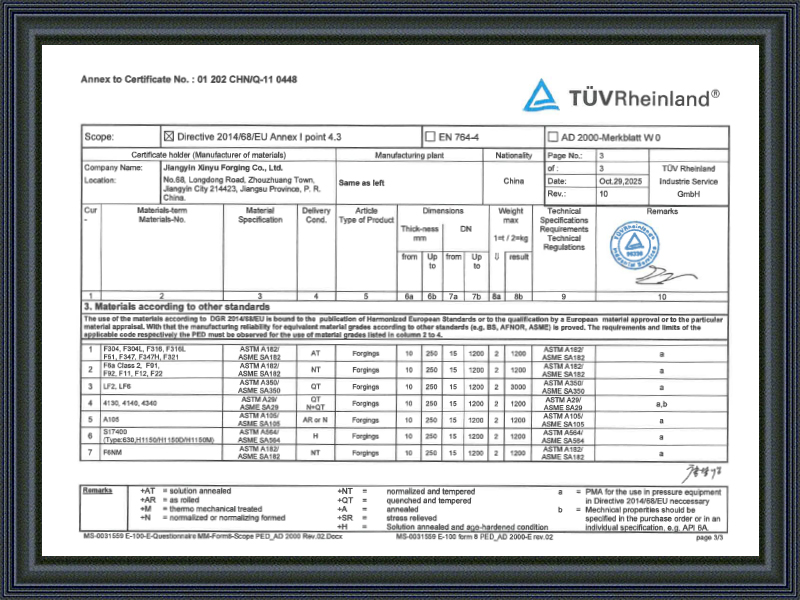
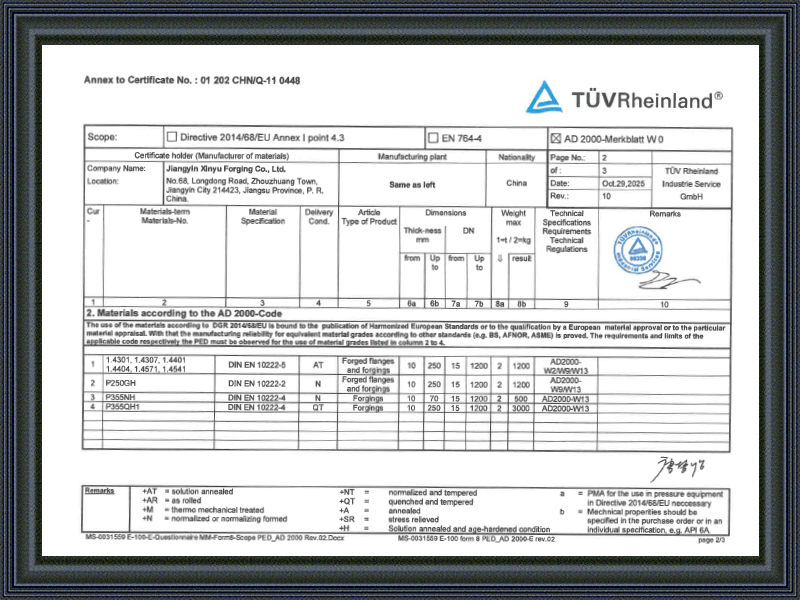
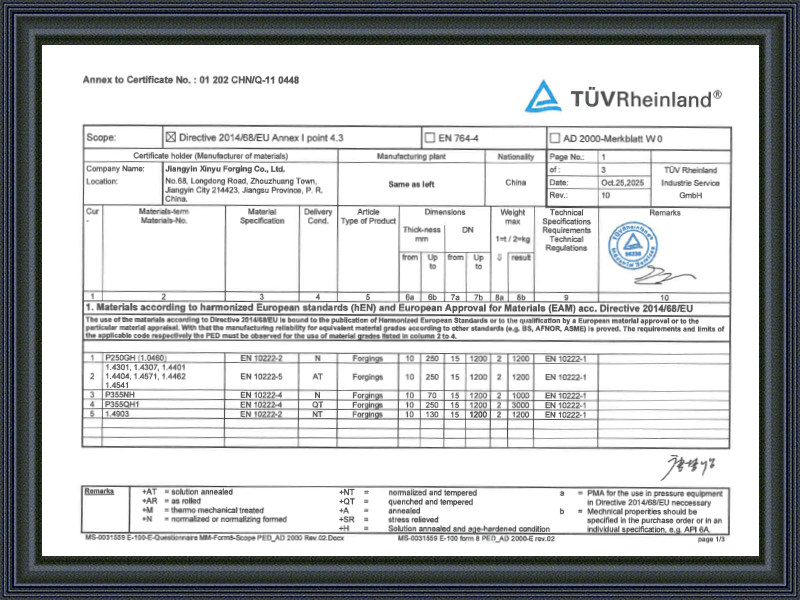
- Material Traceability: Confirm that all raw materials come from reputable mills with Mill Test Reports (MTRs) according to EN 10204 3.1 or 3.2.
- Heat Treatment Documentation: Request time-temperature charts for all heat treatment cycles to verify that the material has reached its optimal mechanical state.
- Non-Destructive Testing (NDT): Specify the level of NDT required. For high-pressure service, both Ultrasonic Testing (UT) for internal flaws and Magnetic Particle Inspection (MPI) for surface cracks are recommended.
- Weight and Geometry Analysis: Compare the forged weight versus the finished weight to optimize machining costs and minimize material waste.
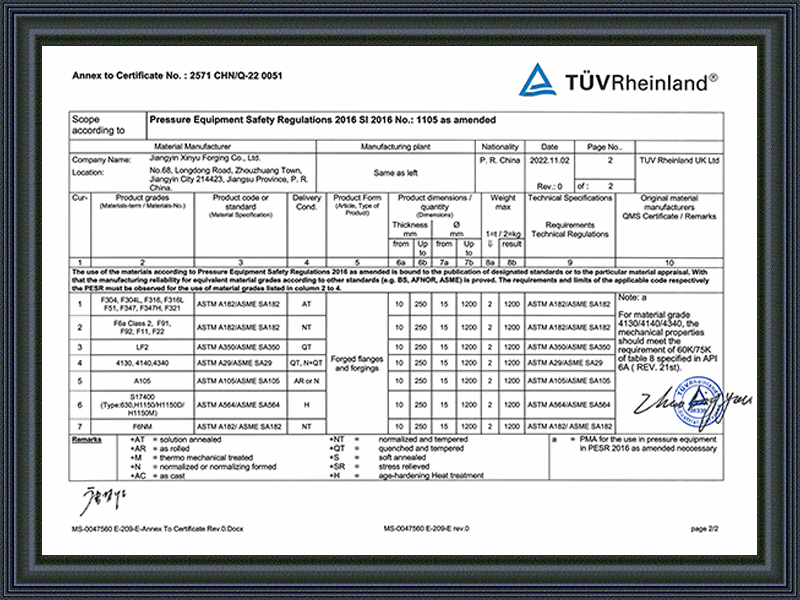
Standardization is also key; ensure the forgings comply with the specific material grades like ASTM A105, A182, or A350 to facilitate easier integration into existing piping systems.
Operational Advantages of Forged Construction
The choice of forging over casting for valve bodies offers measurable improvements in safety, performance, and total cost of ownership over the life of the valve.
| Advantage | Impact on Performance |
|---|---|
| Grain Refinement | Enhanced fatigue resistance and higher yield strength. |
| Zero Porosity | Eliminates the risk of "leaking through the wall" found in castings. |
| Weldability | Superior chemical uniformity allows for safer and easier field welding. |
| Reliability | Reduced downtime due to the high structural integrity of the metal. |
Furthermore, forged bodies provide better weight-to-strength ratios, allowing for more compact valve designs without compromising pressure ratings. This is particularly advantageous in offshore platforms where space and weight are strictly limited. The absence of cooling-related defects, which are common in foundry work, means that forged valves are less likely to fail during pressure testing, saving significant time during the assembly and commissioning phases of a project.
Global Industrial Applications
Forged valve bodies are utilized in environments where the failure of a valve could lead to catastrophic environmental or financial consequences. Their application spans multiple high-stakes industries:
| Industry Sector | Specific Application Use Case |
|---|---|
| Oil & Gas Upstream | Wellhead control valves and high-pressure manifolds. |
| Nuclear Power | Primary coolant loop isolation valves and safety systems. |
| Chemical Processing | High-temperature reactor inlet and outlet valves. |
| LNG Transport | Cryogenic service valves for liquid natural gas handling. |
In subsea applications, these forgings are often clad with corrosion-resistant alloys (CRA) like Inconel to provide a combination of structural strength and chemical resistance. In power plants, forged valve bodies are used in steam lines where they must endure constant thermal cycling and high-velocity steam flow. Their ability to maintain structural dimensions under such stress makes them the preferred choice for engineers globally.
- Q: Why choose forged valve bodies over cast ones?
- A: Forgings offer superior strength, better grain structure, and a total absence of internal porosity, making them much safer for high-pressure and critical-service applications compared to castings.
- Q: What are the common materials for valve forgings?
- A: Common materials include Carbon Steel (A105), Stainless Steel (F304, F316), and Alloy Steels (F11, F22) for high-temperature or corrosive environments.
- Q: How do you verify the quality of a valve body forging?
- A: Quality is verified through mechanical testing (tensile and impact), chemical analysis, and non-destructive testing such as Ultrasonic and Magnetic Particle inspections.