

 英语
英语 德语
德语 阿拉伯语
阿拉伯语

Technical Features and Specifications
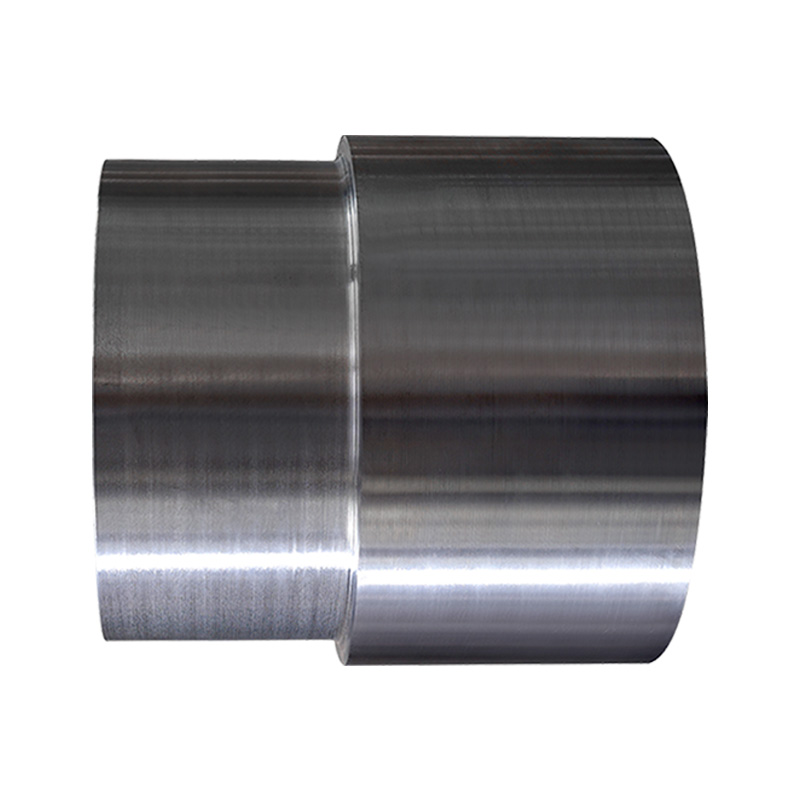
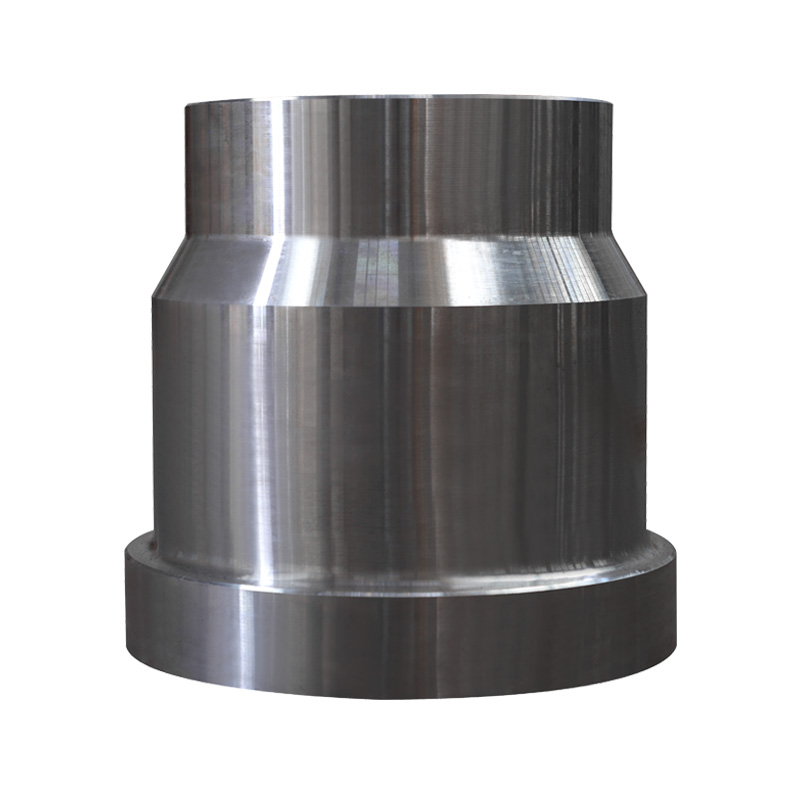
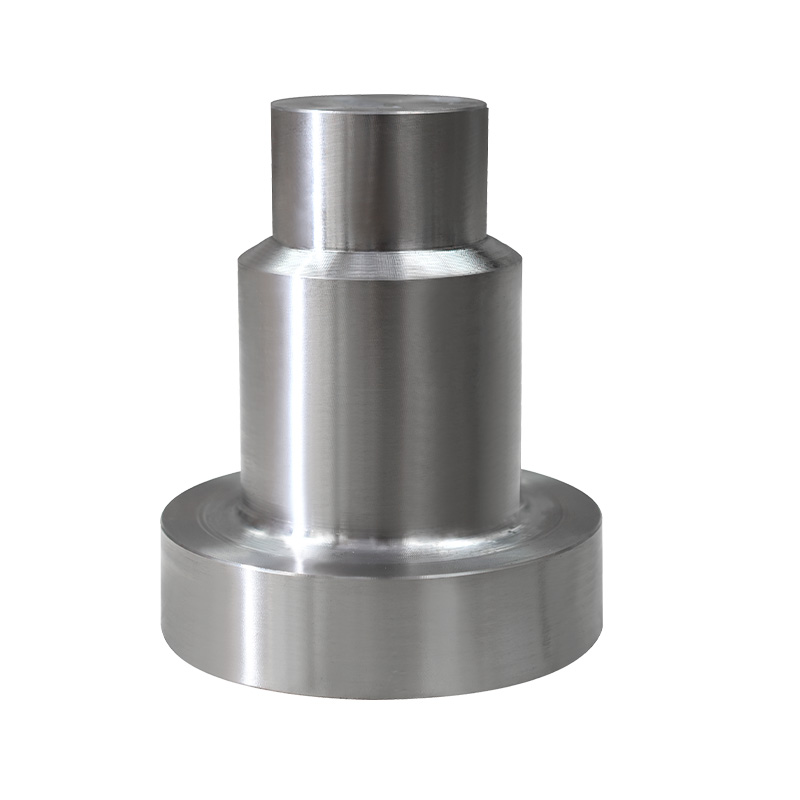
Cryogenic forgings must meet rigorous impact testing requirements at ultra-low temperatures.
| Feature | Requirement Detail |
|---|---|
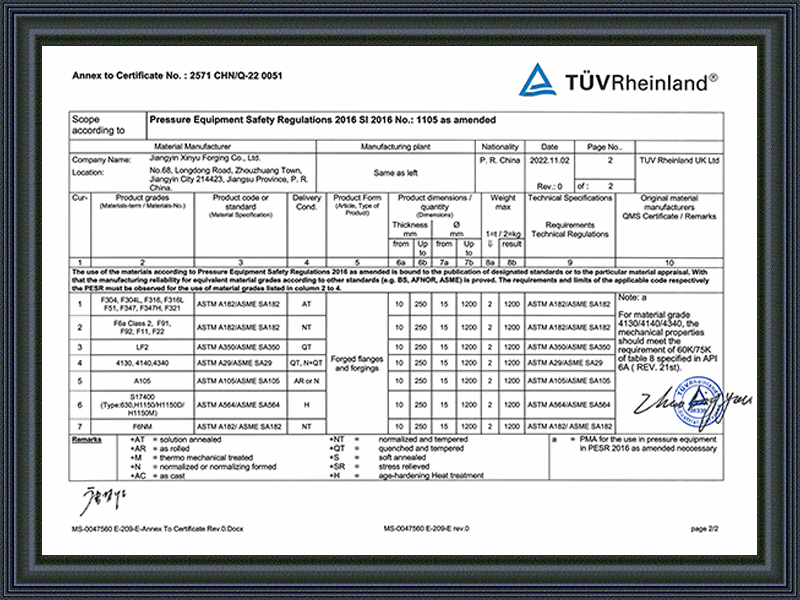
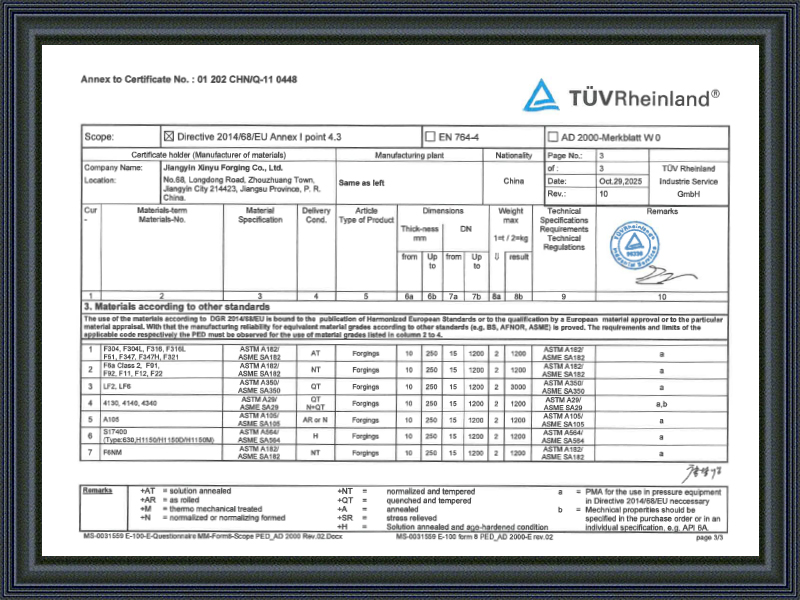
| Material Grades | ASTM A182 F304L, F316L, F347. |
| Impact Testing | Charpy V-Notch at -196°C (meets ASME B31.3). |
| Bonnet Design | Integral or welded extended bonnet for gas insulation. |
| Pressure Class | Class 150 to Class 2500. |
The forging process provides a refined austenitic structure that resists "cryogenic shrinkage." This dimensional stability is critical because even a micron-scale contraction can cause a valve seat to leak at -160°C. Every cryogenic forging is degreased and "oxygen-cleaned" to prevent any hydrocarbon residue from causing a fire or explosion during service with liquid oxygen or LNG.
-
 Development Conceptscientific and technological innovation as the driving force.
 -
 Quality PolicyPeople, integrity, truth-seeking, innovation
 -
 Core ValueCommon development to achieve symbiosis and win-win.
Buying Tips for LNG & Cryo Systems
Procuring for cryogenic service requires a focus on metallurgical stability and testing verification:
- Low Carbon Grades: Always specify "L" grades (e.g., F316L) to prevent chromium carbide precipitation during any subsequent welding, which would compromise cold-toughness.
- Impact Test Reports: Request actual test data showing the "lateral expansion" and energy absorption of the forging at the intended service temperature.
- Extended Bonnet Length: Ensure the forged bonnet length is sufficient to maintain the packing temperature above 0°C to prevent ice formation and stem seizing.
- Cast vs. Forged: For high-pressure cryogenic lines, always choose forgings to avoid the risk of "shrinkage porosity" that can leak gas at ultra-low temperatures.
Advantages of Forged Cryogenic Components
Forged stainless steel is the gold standard for cryogenic safety due to its unique mechanical properties.
| Advantage | Operational Benefit |
|---|---|
| No Brittle Transition | Austenitic forgings remain ductile at absolute zero. |
| Leak Tightness | High material density prevents the "leakage of light molecules" like helium. |
| Thermal Shock Resistance | Handles the rapid temperature drop during system "cool-down." |
| Surface Integrity | Smooth forged surfaces prevent frost buildup and corrosion. |
The primary advantage is "Predictability." In a cryogenic facility, a material failure can lead to a massive gas cloud release. Forged components provide the most consistent mechanical properties, allowing engineers to design with lower safety factors and higher precision. Their reliability is critical for the "Cold Boxes" of LNG plants where thousands of valves must work in harmony.
Primary Applications in the LNG Chain
Forged cryogenic valves are the backbone of the global industrial gas and LNG infrastructure.
| Application | Usage Context |
|---|---|
| LNG Terminals | Loading and unloading liquid methane at -162°C. |
| Air Separation Units | Producing liquid oxygen, nitrogen, and argon. |
| Aerospace | Liquid hydrogen (LH2) and liquid oxygen (LOX) fueling. |
| Superconductors | Liquid helium cooling for medical MRI and research. |
As the world moves toward "Hydrogen Energy," forged cryogenic components are becoming even more critical. Liquid hydrogen is stored at -253°C, requiring the highest possible material quality to prevent embrittlement and leakage. Forged 316L remains the leading choice for this next generation of clean energy infrastructure.
- Q: Why do cryogenic valves have long necks (bonnets)?
- A: The long neck creates a gas pocket that insulates the stem packing from the liquid. This prevents the packing from freezing and leaking, allowing the valve to be operated manually or by an actuator.
- Q: What is "Oxygen Cleaning"?
- A: It is a process where the forging is cleaned of all oils and particulates to prevent a spontaneous combustion reaction when the valve is used in liquid oxygen service.