

 英语
英语 德语
德语 阿拉伯语
阿拉伯语

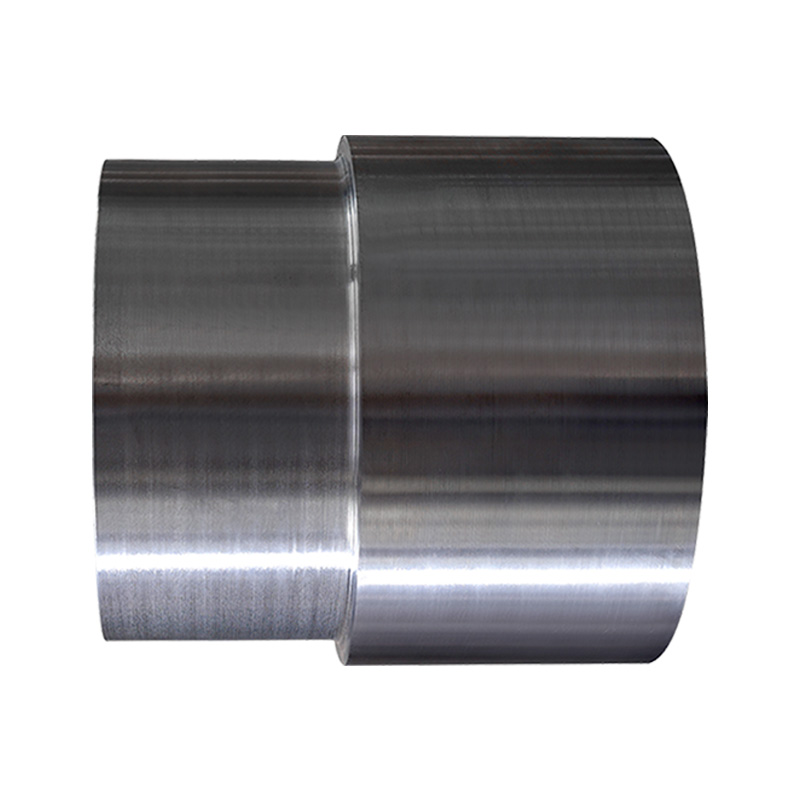
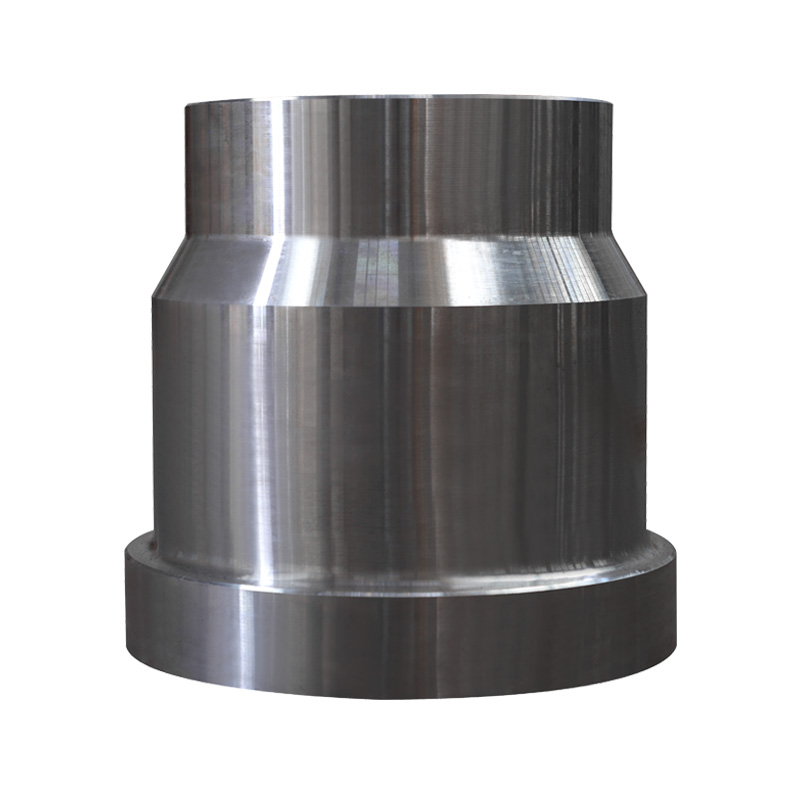
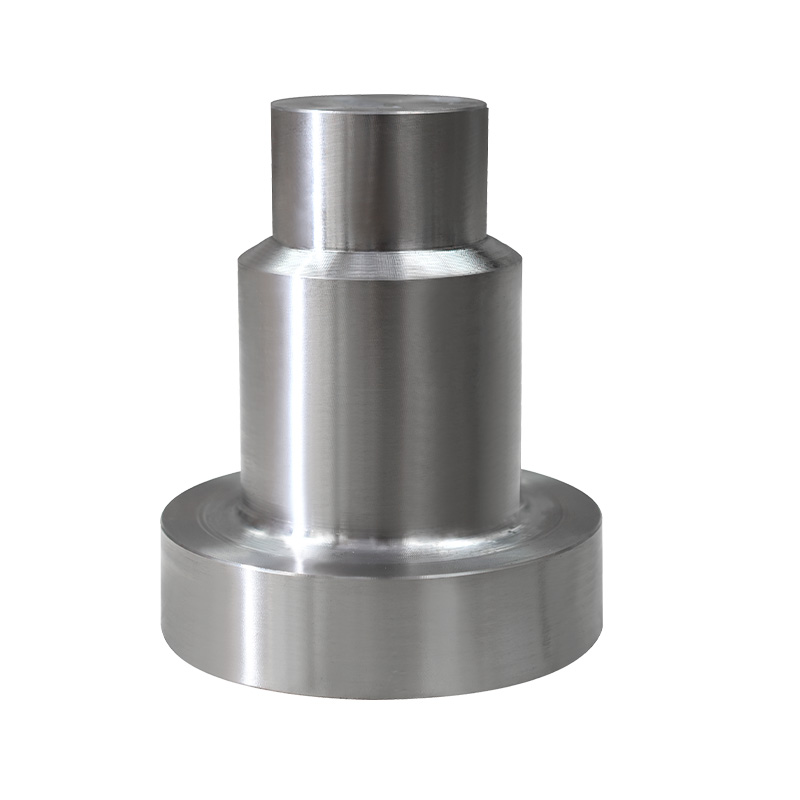
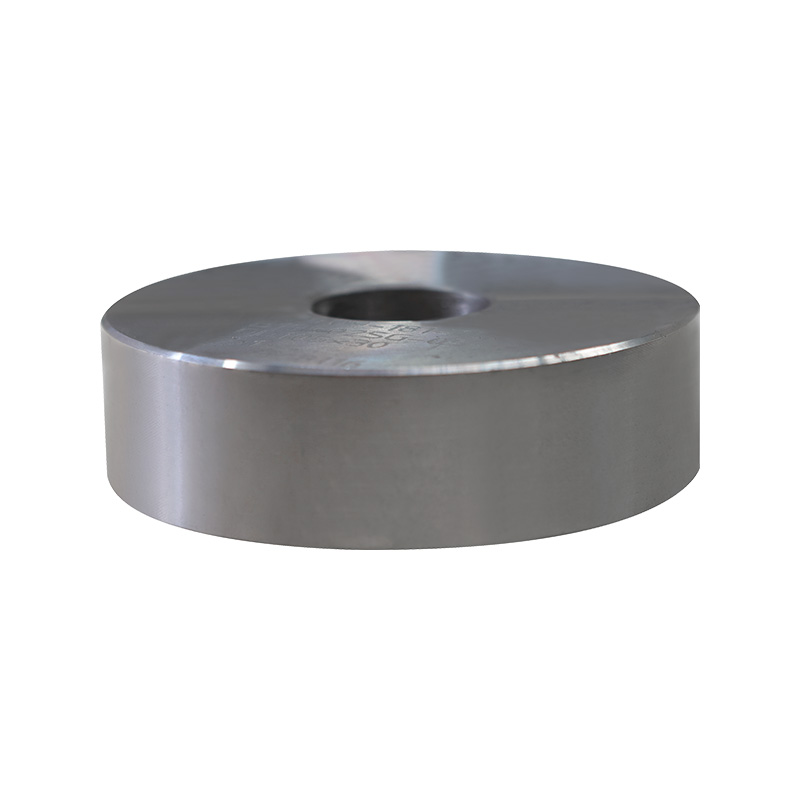
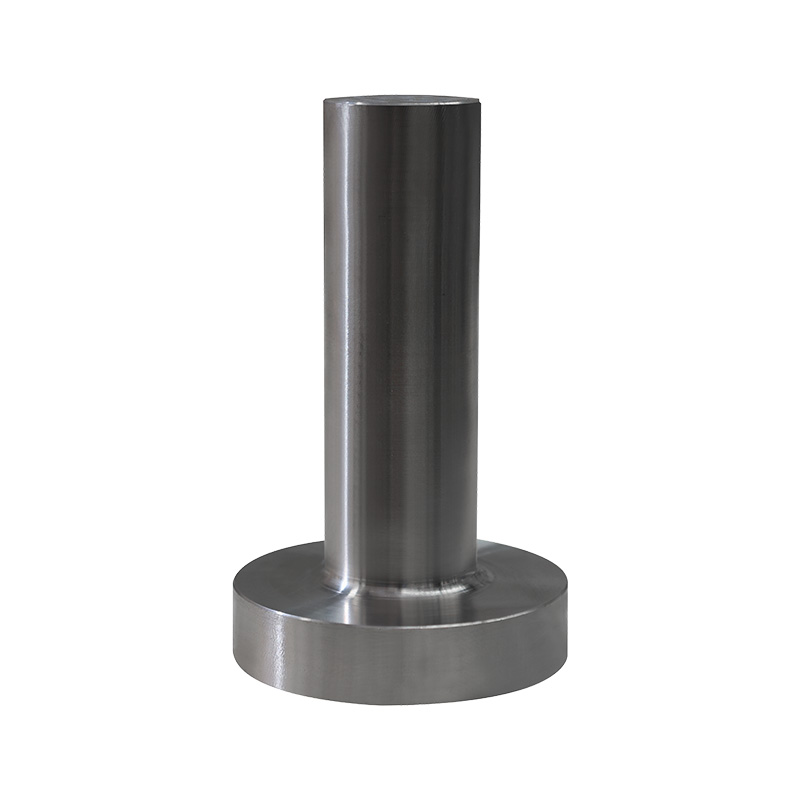
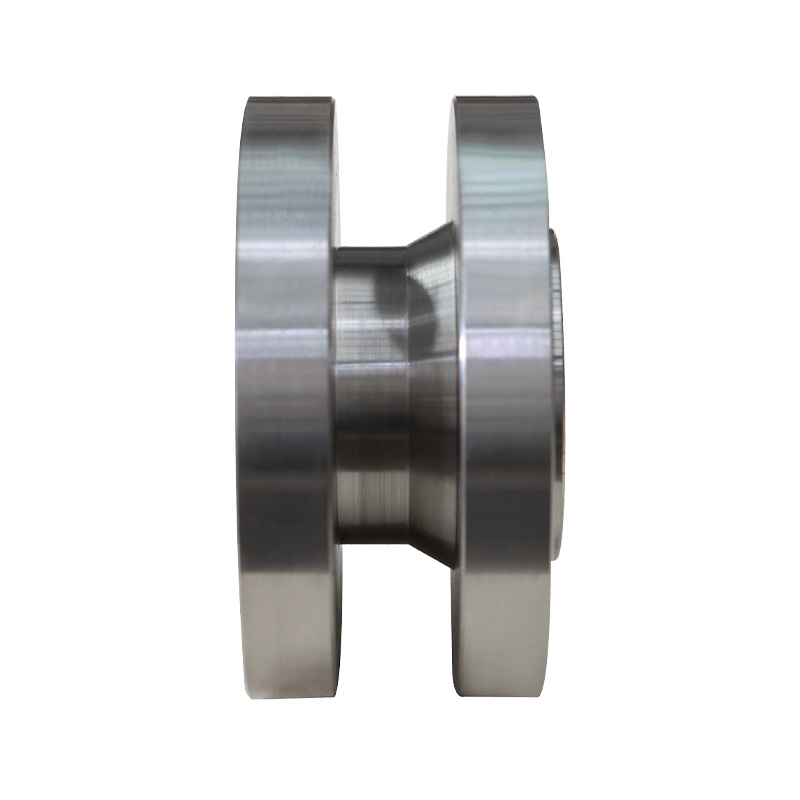
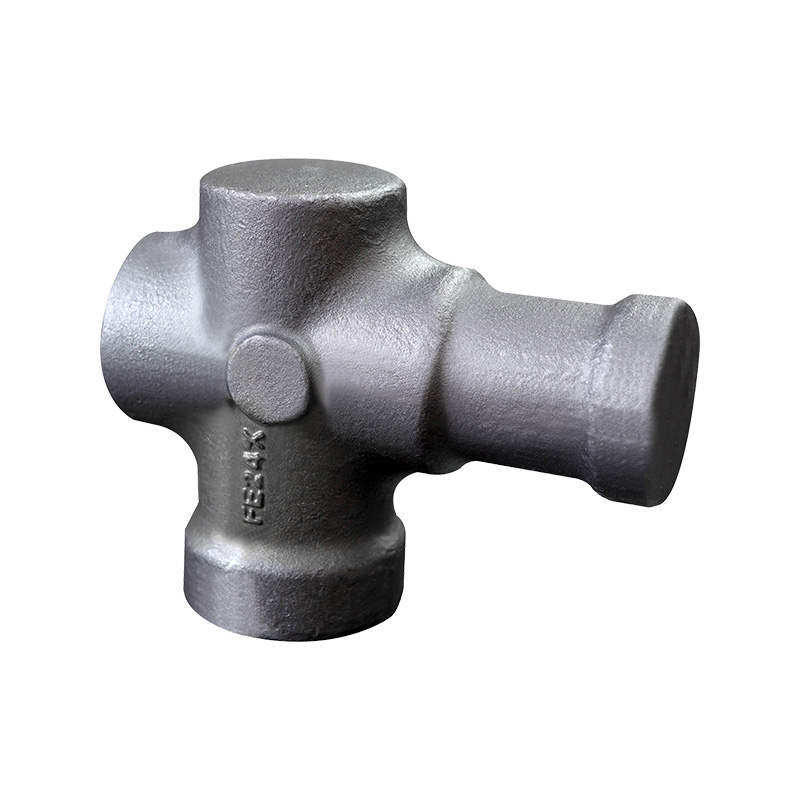
Technical Features and Specifications
Mud pump forgings are designed for maximum durability in high-vibration and high-wear environments.
| Component | Technical Requirement |
|---|---|
| Fluid End Module | Forged 4130 or 4135 steel with high fatigue strength. |
| Internal Finish | Shot-peened or polished to reduce stress risers. |
| Hardness Profile | Quenched and tempered to 285-320 HB (Brinell). |
| Surface Treatment | Optional nickel plating for corrosion resistance. |
The "Fluid End" is typically a Triplex design, meaning it contains three forged modules working in sync. These modules are precision-machined to house the valves, seats, and plungers. The internal geometry is carefully engineered with large radii at the intersections of the bores to minimize stress concentrations. Every forged module undergoes 100% Ultrasonic Testing (UT) and Magnetic Particle Inspection (MPI) to ensure that no surface or internal flaws can act as a starting point for a crack.
-
 Development Conceptscientific and technological innovation as the driving force.
 -
 Quality PolicyPeople, integrity, truth-seeking, innovation
 -
 Core ValueCommon development to achieve symbiosis and win-win.
Procurement Tips for Mud Pump Spares
When sourcing forged fluid ends and modules, procurement teams should prioritize fatigue life and ease of maintenance:
- Verify Material Purity: Insist on "vacuum-degassed" steel to ensure a clean microstructure, which is vital for preventing internal fatigue failure.
- Check Bore Alignment: Precise alignment between the forged modules and the pump's power end is essential for preventing premature seal and plunger wear.
- Interchangeability: Ensure the forged modules are manufactured to standard industry dimensions (e.g., Emsco, Gardner Denver profiles) for easy field replacement.
- Fatigue Treatment: Ask if the internal bores have been "Autofrettaged." This process uses ultra-high pressure to induce beneficial compressive stresses in the bore wall, doubling the fatigue life.
Choosing a forging with a higher nickel content can also help if the drilling mud contains high levels of chlorides, which can otherwise cause rapid pitting in standard carbon steels.
Advantages of Forged Fluid Ends
The primary advantage of using forged steel for mud pump components is the massive increase in the part's fatigue life.
| Advantage | Operational Benefit |
|---|---|
| Crack Resistance | Forged grain flow stops cracks from propagating through the wall. |
| Pressure Capacity | Easily handles 7,500 PSI and 10,000 PSI modern drilling cycles. |
| Erosion Resistance | Denser steel resists the abrasive "sandblasting" of drilling mud. |
| Total Cost | Longer service life reduces the frequency of expensive fluid-end swaps. |
Forged modules are also much more reliable for "high-pressure pumping" during well stimulation and fracking. Because the forging process eliminates the "shrinkage porosity" found in castings, there is zero risk of the pump body "sweating" (leaking through the metal itself) under ultra-high pressure. This structural integrity ensures the safety of the crew on the drill floor by preventing high-pressure fluid bursts.
Essential Drilling Applications
Mud pump forgings are used on every modern drilling rig, whether onshore or offshore.
| Rig Type | Usage of Mud Pump Forgings |
|---|---|
| Land-Based Rigs | Mobile Triplex pumps for deep gas and oil wells. |
| Jack-up Rigs | High-capacity pumps for shallow water exploration. |
| Drillships | Ultra-reliable pumps for deepwater drilling in remote areas. |
| Frack Trailers | Forged quintuplex pump ends for hydraulic fracturing. |
In horizontal drilling and fracking operations, the mud pumps must run at maximum pressure for days at a time. The forged fluid ends are the only components that can survive this "continuous duty" cycle. Their ability to handle the extreme vibration and chemical aggression of modern drilling fluids makes them a non-negotiable requirement for the global energy industry.
- Q: Why do mud pump modules crack?
- A: Most cracks are due to "corrosion fatigue." The combination of high-pressure cycles and corrosive mud creates small pits that eventually grow into cracks. Forging significantly slows this process.
- Q: What is the "Fluid End" of a pump?
- A: The fluid end is the part of the pump that actually handles the liquid. In mud pumps, it consists of forged modules, valves, seats, and pistons that move the mud under high pressure.