

 英语
英语 德语
德语 阿拉伯语
阿拉伯语

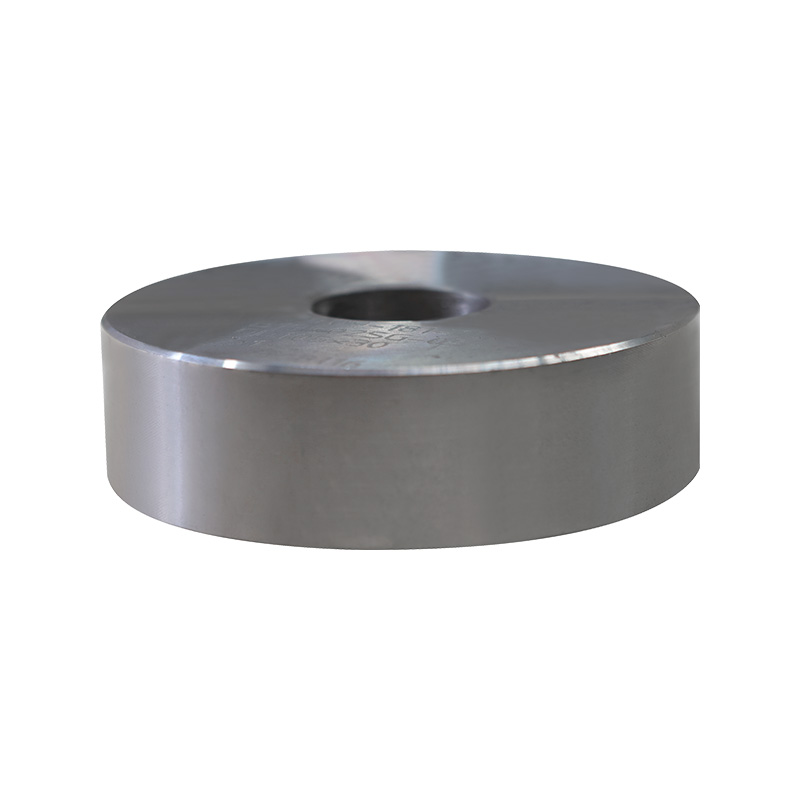
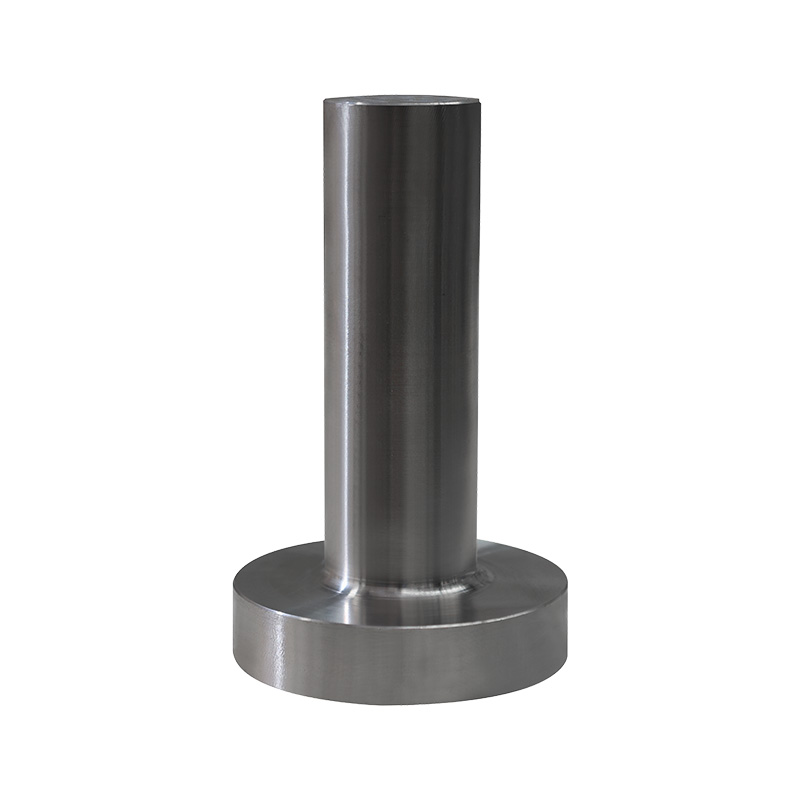
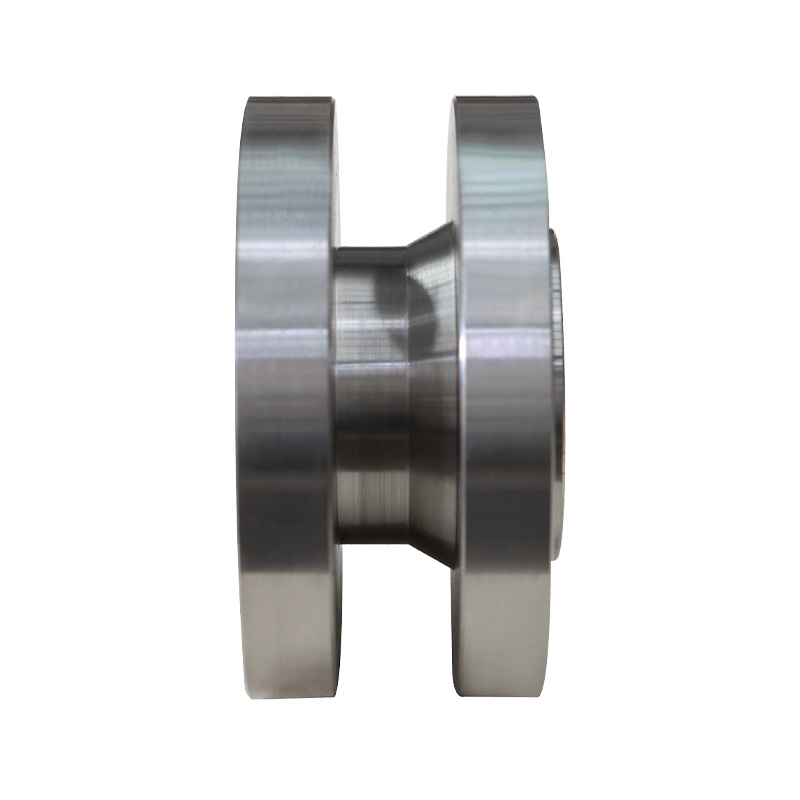
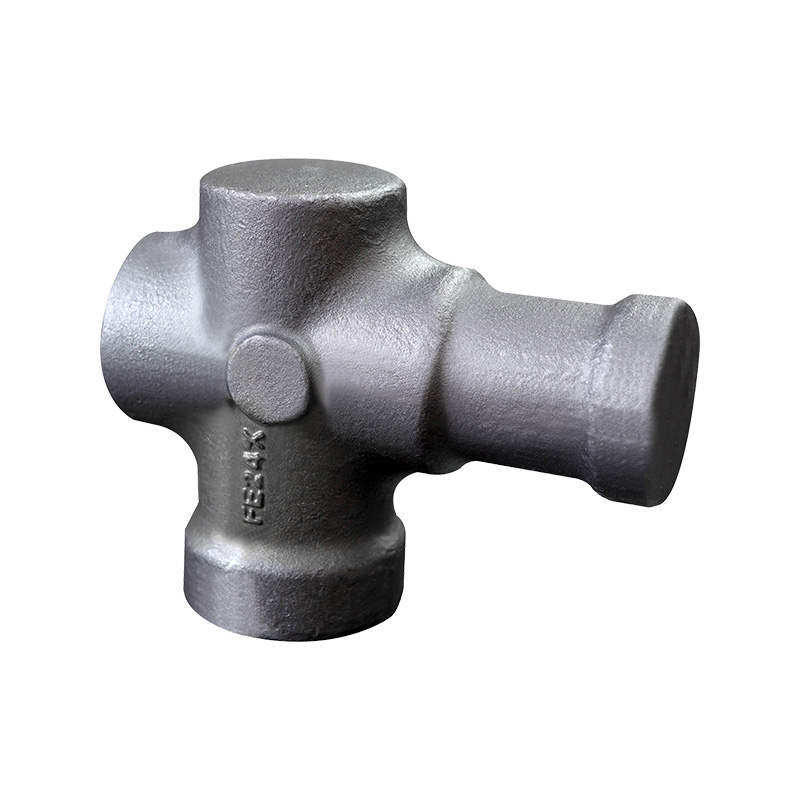
Technical Features and Standards
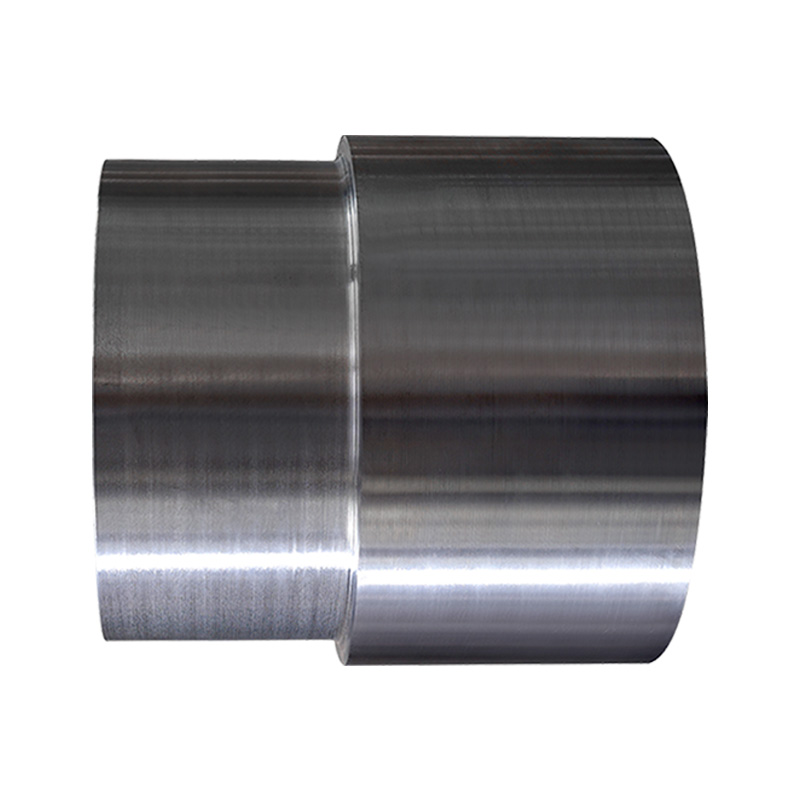
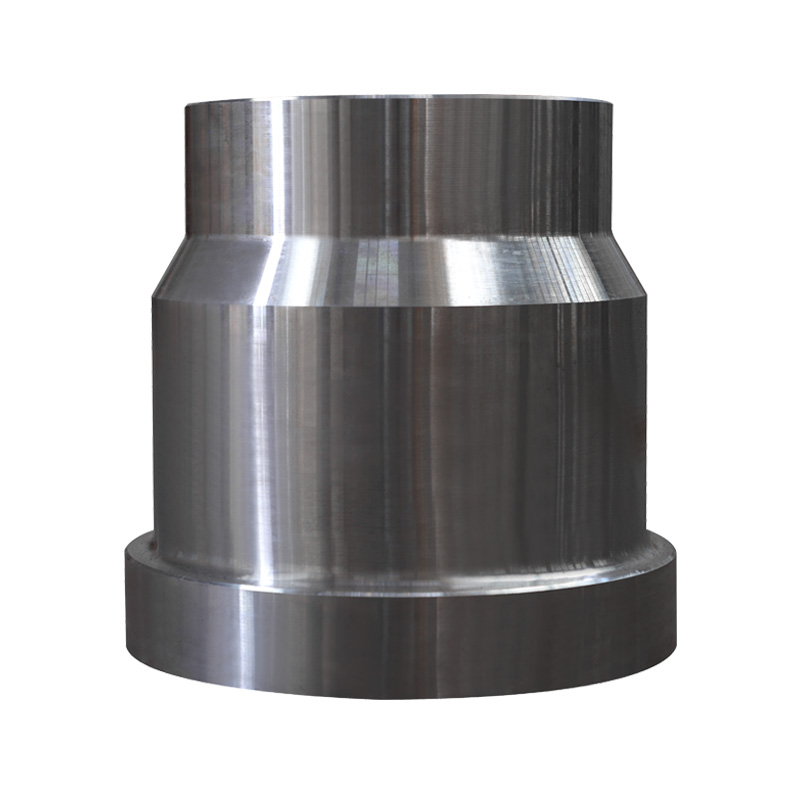
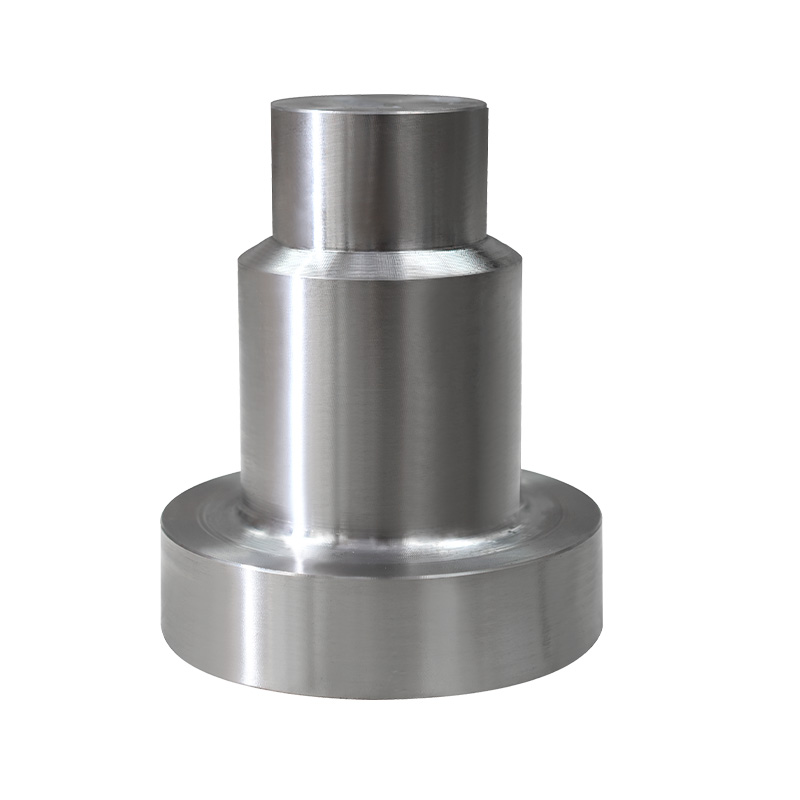
Forged fittings are categorized by their pressure class and connection method.
| Feature | Requirement Detail |
|---|---|
| Pressure Classes | 2000#, 3000#, 6000#, 9000#. |
| Connection Types | Socket Weld (SW) and Threaded (NPT/BSPP). |
| Standards | ASME B16.11, MSS SP-79, SP-83, SP-95. |
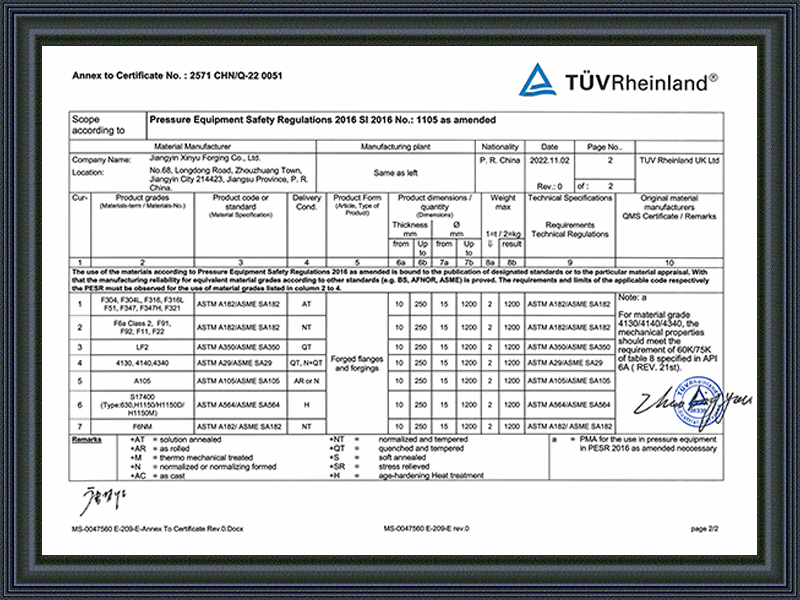
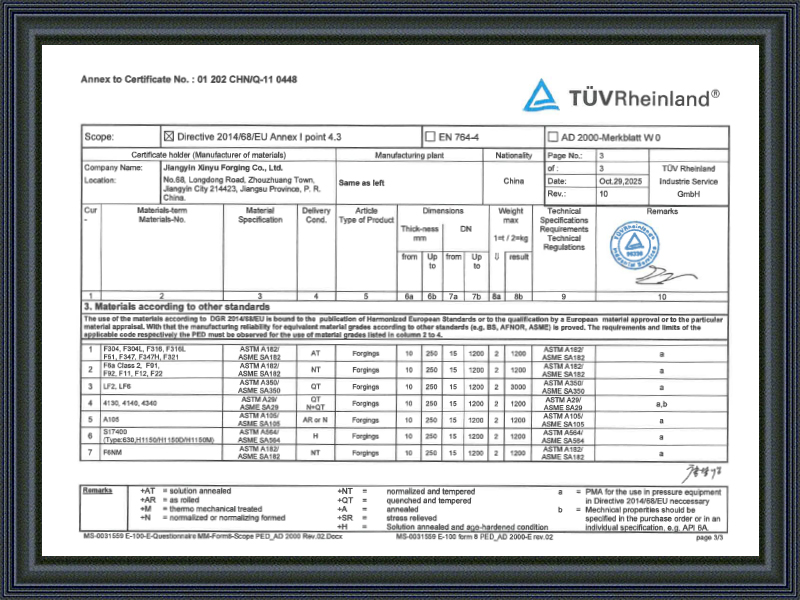
| Materials | A105, F316L, F11, F22, F51 Duplex. |
Socket weld fittings are designed with a recessed area to facilitate easy pipe insertion and fillet welding, ensuring a smooth internal flow. Threaded fittings are precision-machined with tapered threads to provide a mechanical seal. The forging process ensures that these fittings can withstand the thermal expansion and mechanical vibration common in industrial power plants and refineries.
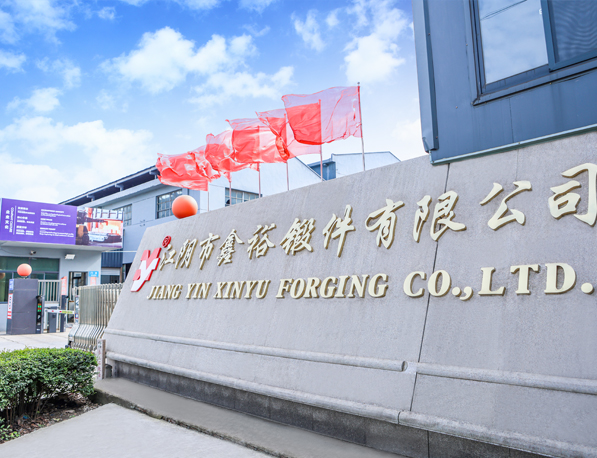
Corporate Culture and Development Philosophy
-
 Development Conceptscientific and technological innovation as the driving force.
 -
 Quality PolicyPeople, integrity, truth-seeking, innovation
 -
 Core ValueCommon development to achieve symbiosis and win-win.
Selection and Buying Criteria
- Class Selection: Ensure the fitting class (e.g., 3000#) matches the schedule of the pipe being used (e.g., Sch 80) to maintain pressure ratings.
- Thread Protection: Specify plastic caps or oil coatings for threaded fittings to prevent transit damage and corrosion.
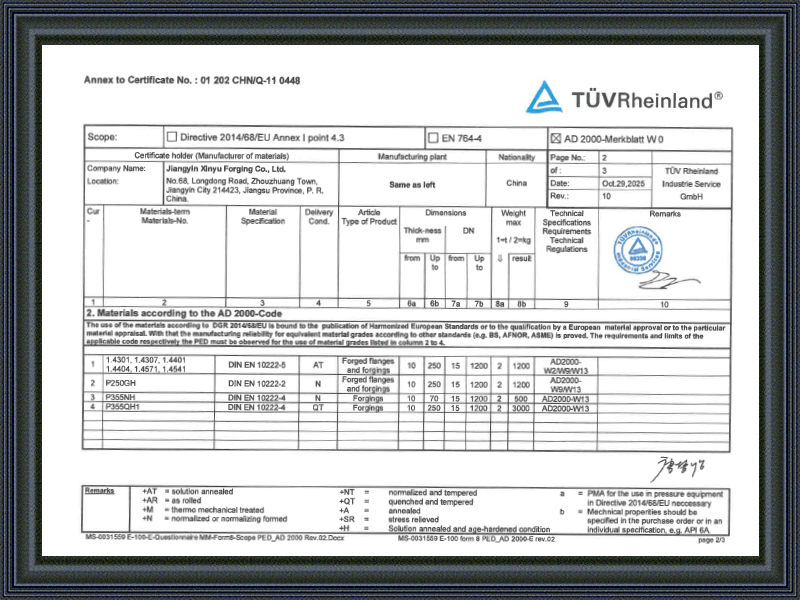
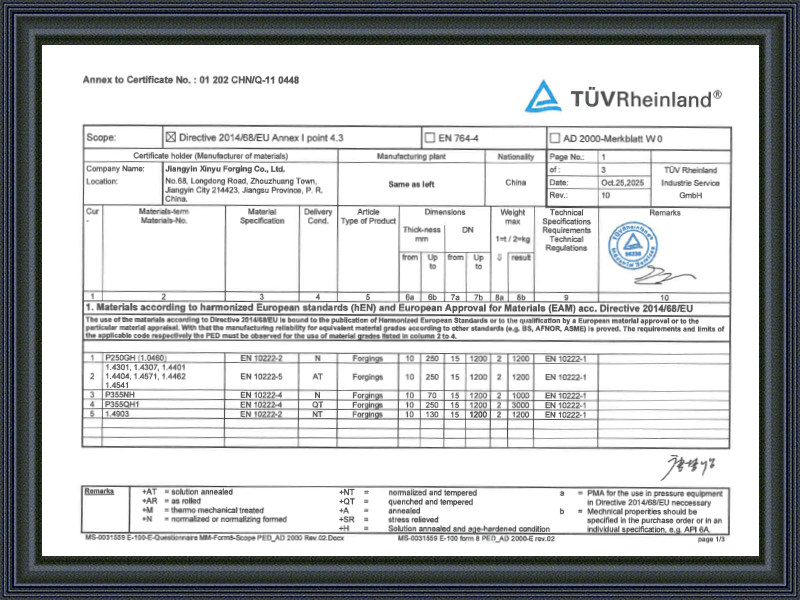
- Material Traceability: Always request Mill Test Reports (MTRs) to confirm the chemical composition, especially for high-temperature alloy fittings.
Advantages of Forged Fittings
| Advantage | Operational Benefit |
|---|---|
| Wall Thickness | Heavy walls provide a high safety factor against pressure spikes. |
| Leak Prevention | Dense forged grain prevents "weeping" through the metal at high pressures. |
| Vibration Resistance | Superior to cast fittings in systems with pulsating flow. |
Industrial Applications
| Industry | Usage Context |
|---|---|
| Petrochemical | Instrument air and process sampling lines. |
| Shipbuilding | High-pressure hydraulic steering and fuel systems. |
| Fire Protection | High-pressure CO2 and foam suppression systems. |
- Q: What is the difference between 3000# and 6000# fittings?
- A: This refers to the cold working pressure rating. 6000# fittings have significantly thicker walls and are used for much higher pressure applications or ultra-hazardous fluids.