

 英语
英语 德语
德语 阿拉伯语
阿拉伯语

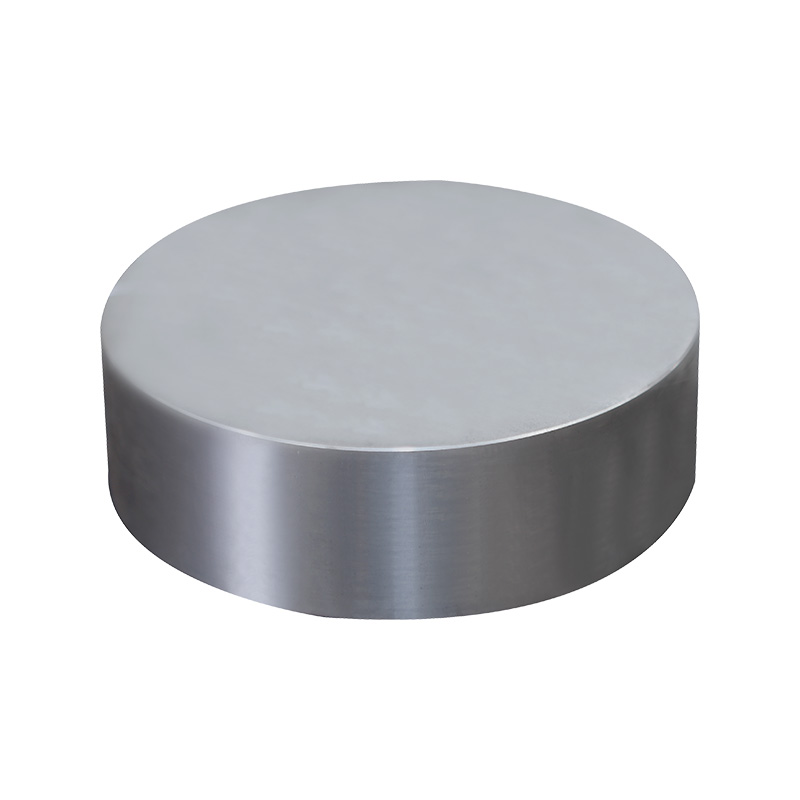
Technical Features and Specifications
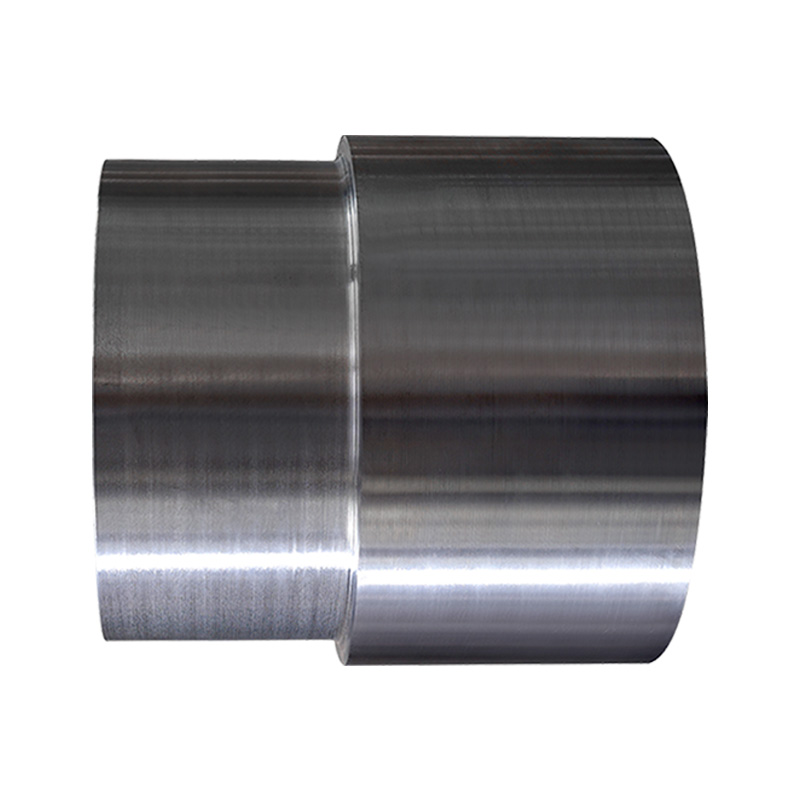
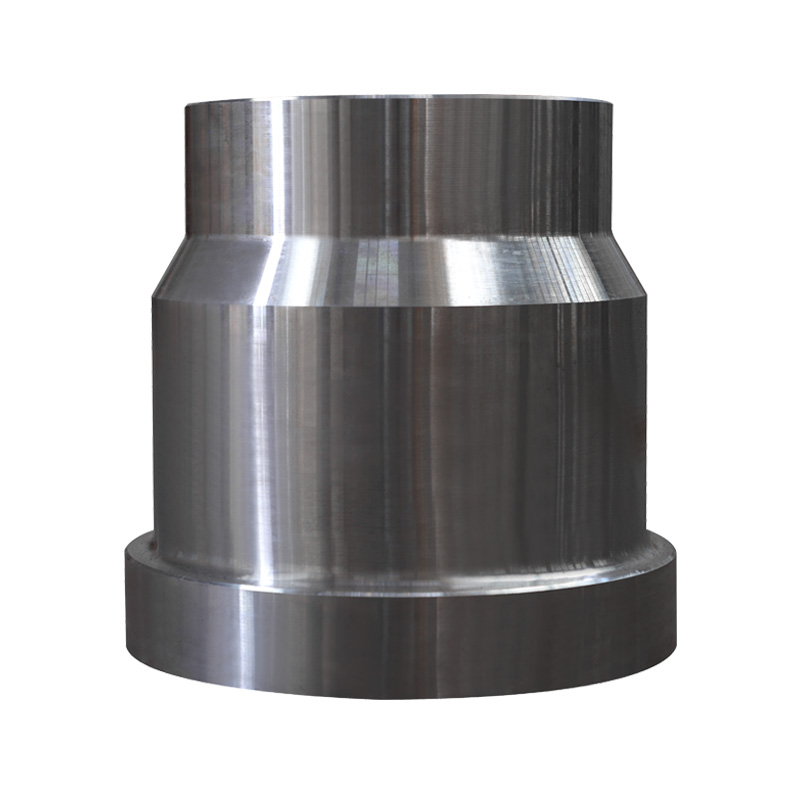
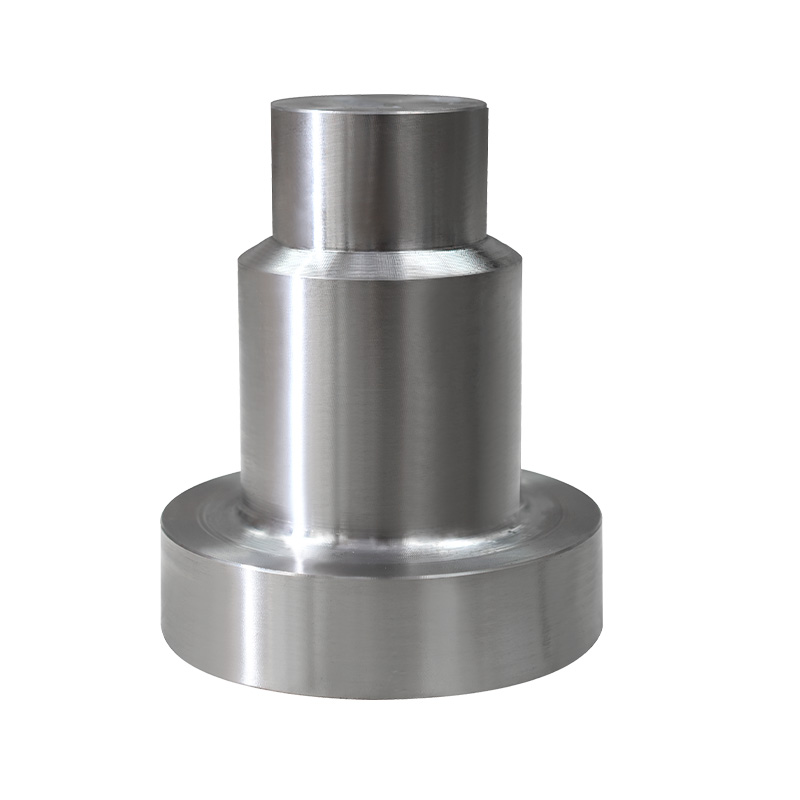
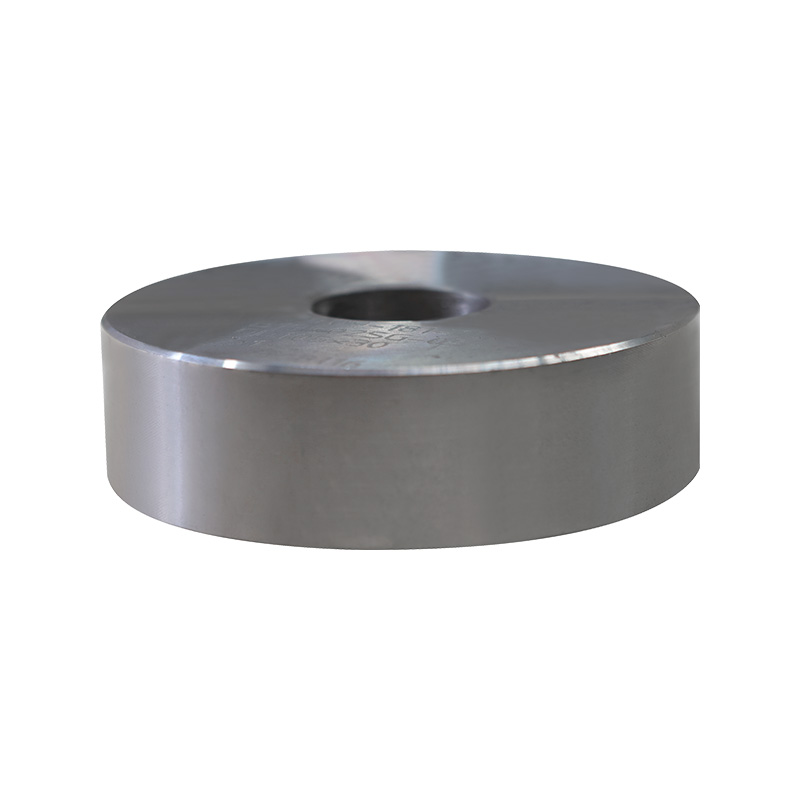
Seat rings are defined by their dimensional accuracy and their ability to hold a high-tech seal.
| Feature | Requirement Detail |
|---|---|
| Manufacturing | Forged rings, heat-treated for maximum dimensional stability. |
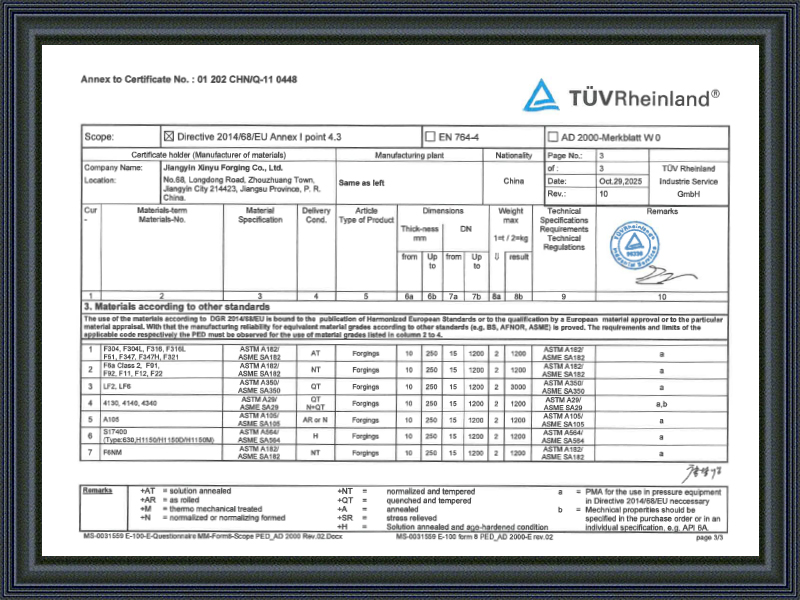
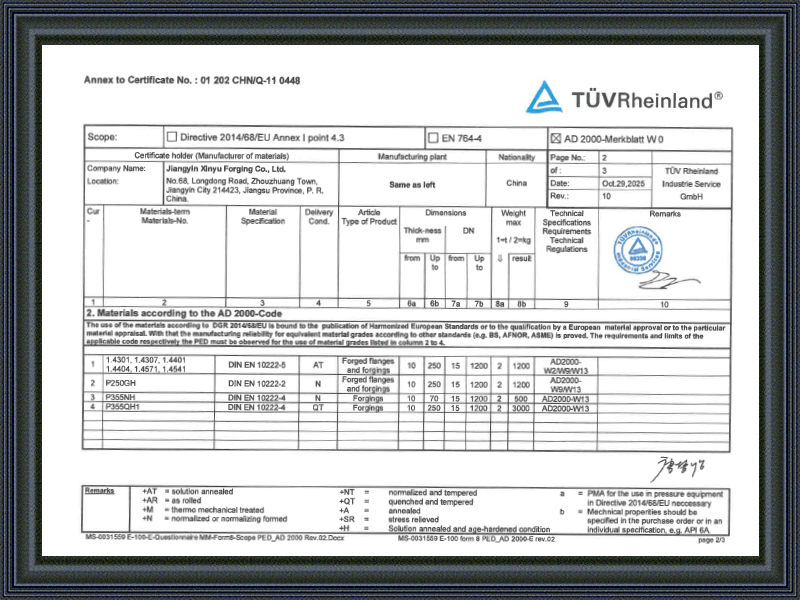
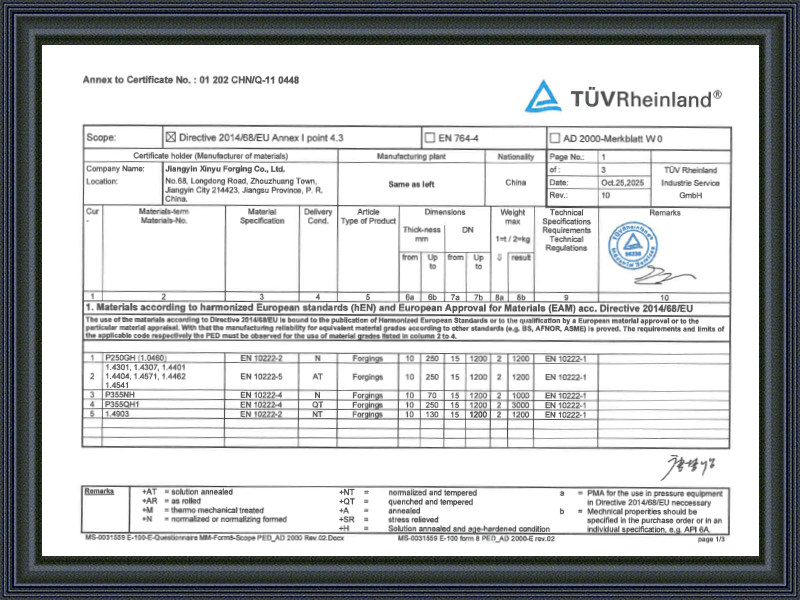
| Materials | A105, F316L, Duplex F51, Inconel 625. |
| Insert Options | Soft seats (PTFE/Devlon) or Metal-to-Metal (Stellite/Tungsten). |
| Design Types | Single Piston Effect (SPE) or Double Piston Effect (DPE). |
The "Seal Pocket" of a forged seat ring is precision-machined to hold O-rings or thermoplastic inserts. Because the ring is forged, the wall thickness is perfectly consistent, which is vital for the "piston action" of the seat in a ball valve. For high-temperature service, the seat face is "cladded" with hard alloys. The forging provides a much better surface for weld-overlay than a cast ring, ensuring there is no "porosity" at the sealing interface that could lead to a leak path.
-
 Development Conceptscientific and technological innovation as the driving force.
 -
 Quality PolicyPeople, integrity, truth-seeking, innovation
 -
 Core ValueCommon development to achieve symbiosis and win-win.
Procurement Guidelines for Sealing Systems
When sourcing seat ring forgings, compatibility with the fluid and the ball/gate is the top priority:
- Spring Compatibility: Ensure the forged ring features precision-drilled "spring pockets" that align perfectly with the valve body to ensure even sealing pressure.
- Coating Match: For Metal-to-Metal seats, ensure the seat coating is slightly different in hardness or material than the ball to prevent "galling" (metal welding together).
- Cavity Relief: For liquid service, specify seats with "Self-Relieving" features to prevent pressure buildup in the valve cavity that could burst the valve.
- Corrosion Allowance: In sour service, ensure the seat ring is made of a forged alloy that meets NACE MR0175 to prevent "pitting" around the seal area.
Advantages of Forged Seat Rings
Forged seat rings offer superior durability and sealing reliability compared to machined bar-stock or cast rings.
| Advantage | Operational Benefit |
|---|---|
| Dimensional Stability | Won't warp under high pressure, maintaining a perfect seal. |
| Fatigue Life | Withstands the "chatter" and vibration of high-velocity flow. |
| Surface Quality | Dense forged metal provides a better base for "Lapping" to a mirror finish. |
| Safety | High tensile strength prevents the seat from "collapsing" into the bore. |
The primary advantage is "Sealing Precision." In gas pipelines, even a microscopic leak can lead to huge financial losses and safety risks. Forged seat rings, lapped to light-band flatness, provide the most reliable seal possible. This precision is why they are used in "Double Block and Bleed" (DBB) valves, where two seats must provide a 100% reliable barrier for maintenance safety.
Primary Applications in Flow Isolation
Forged seat rings are critical for any valve that requires a high-performance seal.
| Industry | Usage Context |
|---|---|
| Gas Transmission | Mainline ball valves requiring bubble-tight shutoff. |
| Power Generation | High-pressure steam isolation for turbines. |
| Chemical Refineries | Control of abrasive slurries and corrosive acids. |
| Water Pipelines | Large-diameter valves for municipal distribution. |
In "Hydraulic Fracturing" manifolds, seat rings are subject to intense sand-laden fluid. Forged seat rings with Tungsten Carbide hard-facing are the only components that can survive the abrasive "jetting" that occurs as the valve opens and closes. Their reliability ensures that the "frack" operation can proceed safely and efficiently.
- Q: What is the difference between a Soft Seat and a Metal Seat?
- A: A soft seat uses a polymer (like PTFE) for a perfect seal at low temperatures. A metal seat uses forged metal-to-metal contact for high temperatures or abrasive fluids where a polymer would melt or erode.
- Q: Why are seats "Spring-Loaded"?
- A: Springs push the forged seat ring against the ball, ensuring there is a seal even when the pipeline pressure is very low. When pressure increases, the "piston effect" takes over to provide the main sealing force.