

 英语
英语 德语
德语 阿拉伯语
阿拉伯语

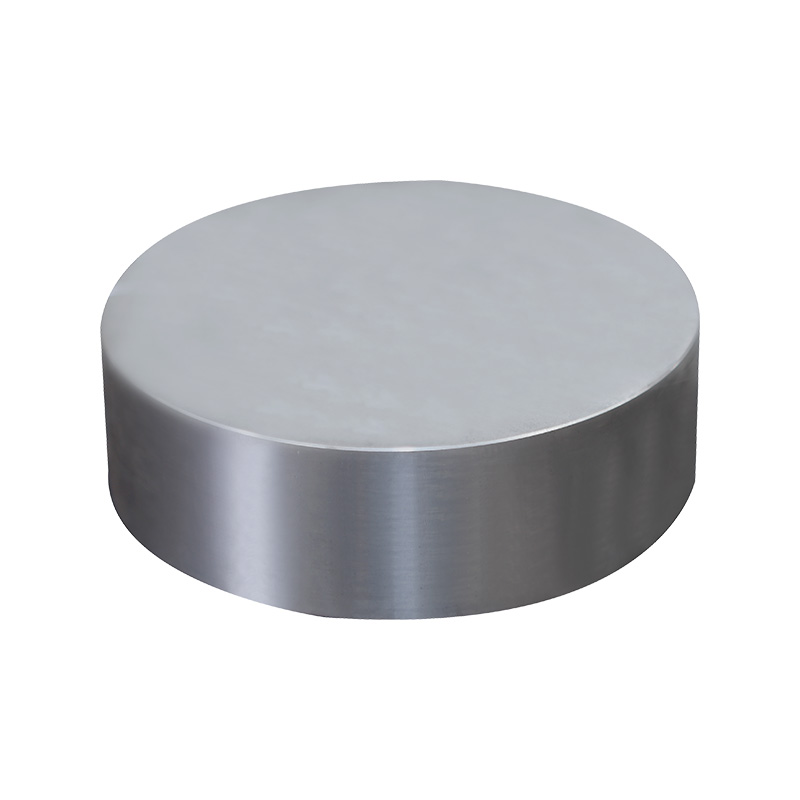
Technical Features and Specifications
| Feature | Detail |
|---|---|
| Connection | Threaded (NPT) or Beveled for welding. |
| Materials | 4130 Alloy Steel, A105, A350 LF2, Stainless. |
| Pressure Rating | Matches the rating of the associated pipe or fitting (up to 15k). |
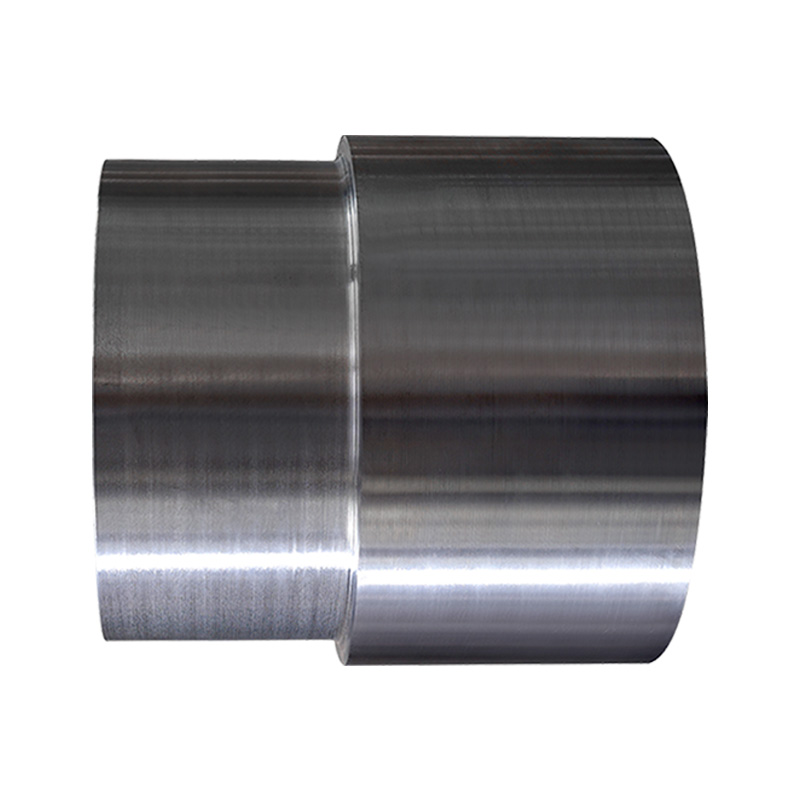
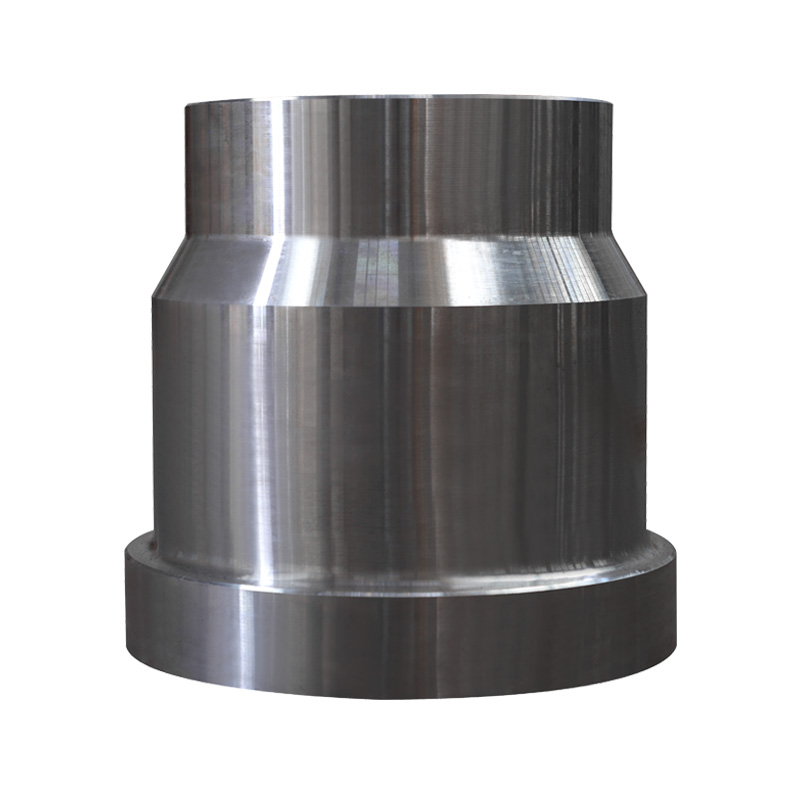
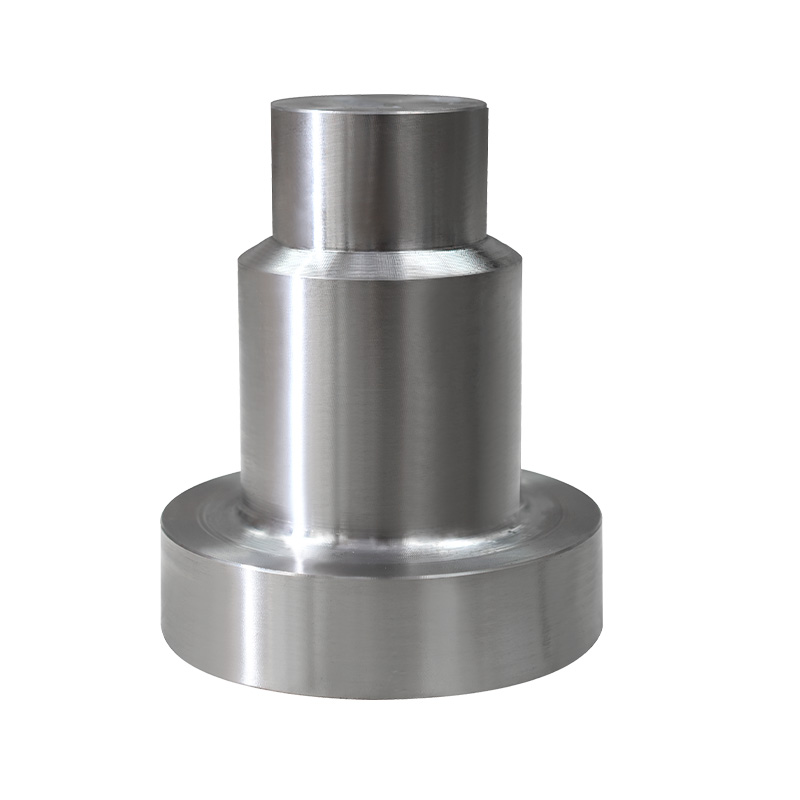
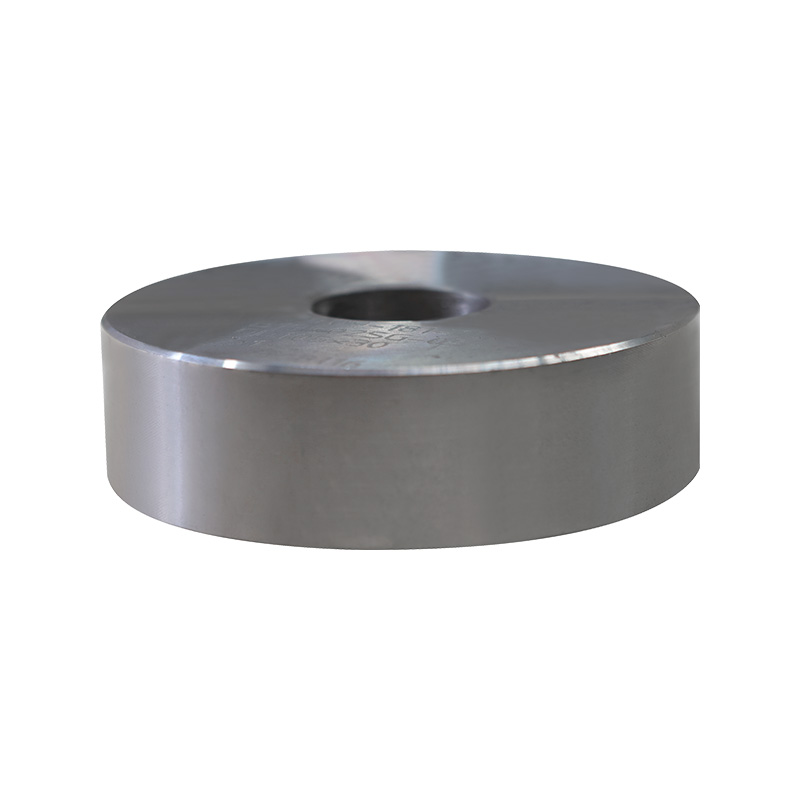
Forged bull plugs are often tapped with a small internal thread to allow for the installation of a pressure gauge or a bleed valve. The forging process ensures that the "nose" of the plug is thick enough to resist internal erosion from turbulent fluids, a common issue in wellhead applications.
Corporate Culture and Development Philosophy
-
 Development Conceptscientific and technological innovation as the driving force.
 -
 Quality PolicyPeople, integrity, truth-seeking, innovation
 -
 Core ValueCommon development to achieve symbiosis and win-win.
Buying Tips for Oilfield Closures
- NACE MR0175: If used in a wellhead, ensure the bull plug is compliant with sour service requirements to prevent brittle failure.
- Solid vs. Tapped: Specify if you need a "solid" plug for total isolation or a "tapped" plug for instrument access.
- Wrench Flats: For threaded versions, ensure the forging includes high-quality wrench flats to prevent rounding off during high-torque installation.
Advantages of Forged Bull Plugs
| Advantage | Field Benefit |
|---|---|
| Safety Isolation | A much more robust closure than standard pipe caps or hex plugs. |
| Impact Resistance | Forged nose can withstand accidental hits from heavy equipment. |
| Reusability | Tougher threads allow for multiple installation cycles without galling. |
Primary Applications
| Application | Usage Context |
|---|---|
| Wellhead Control | Sealing unused ports on a Christmas tree or BOP. |
| Pipeline Pigs | Closure for pig launchers and receiver bypass lines. |
| Hydro-testing | Temporary seal for pressure testing of piping systems. |
- Q: Why is it called a "Bull" plug?
- A: The name comes from its robust, thick-walled, and rounded shape, designed to take the "charge" of high-pressure fluid at the end of a line.