

 英语
英语 德语
德语 阿拉伯语
阿拉伯语

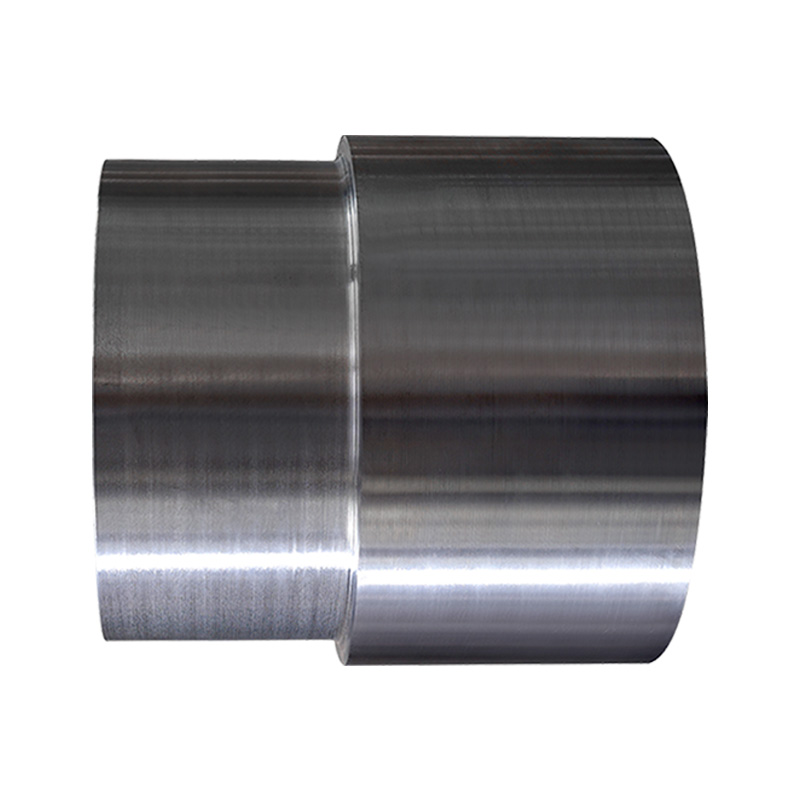
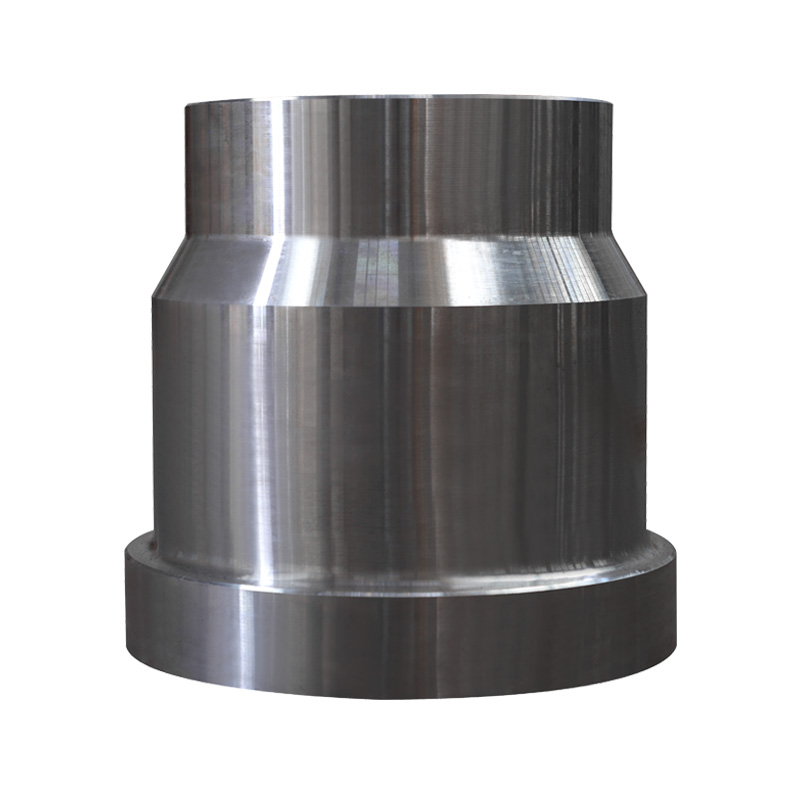
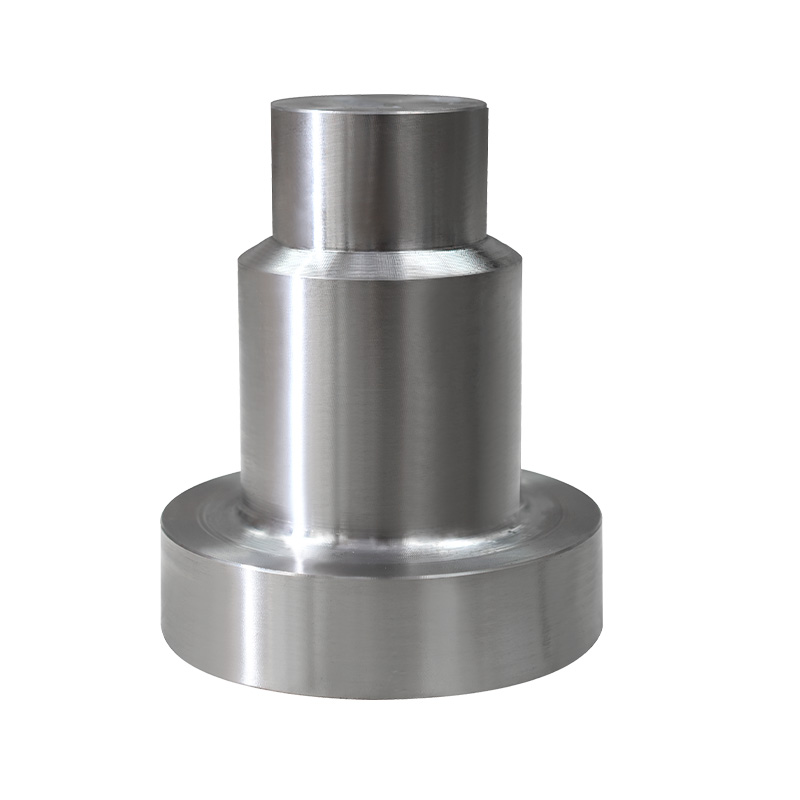
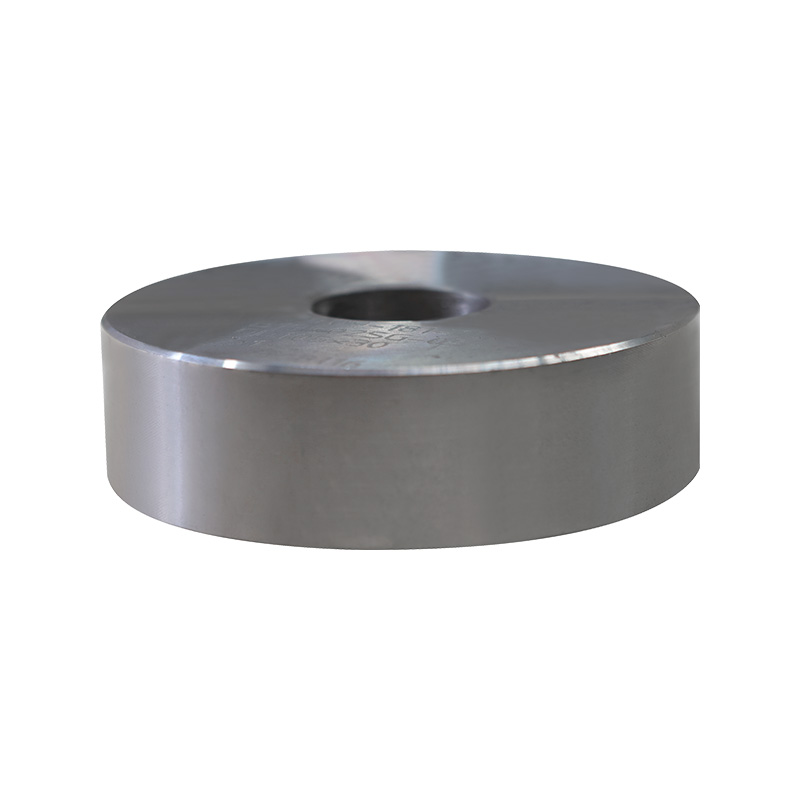
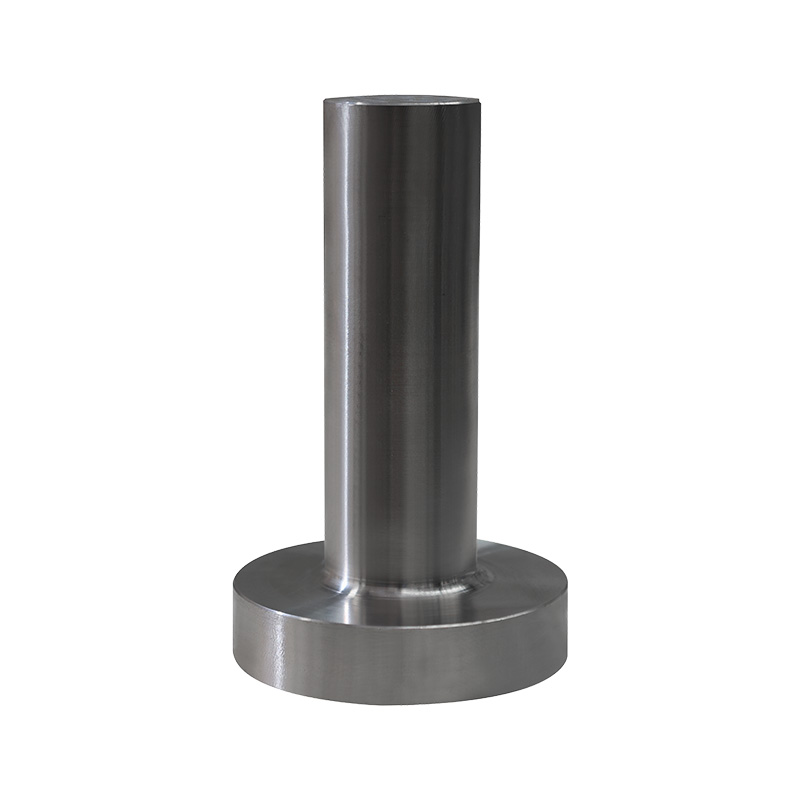
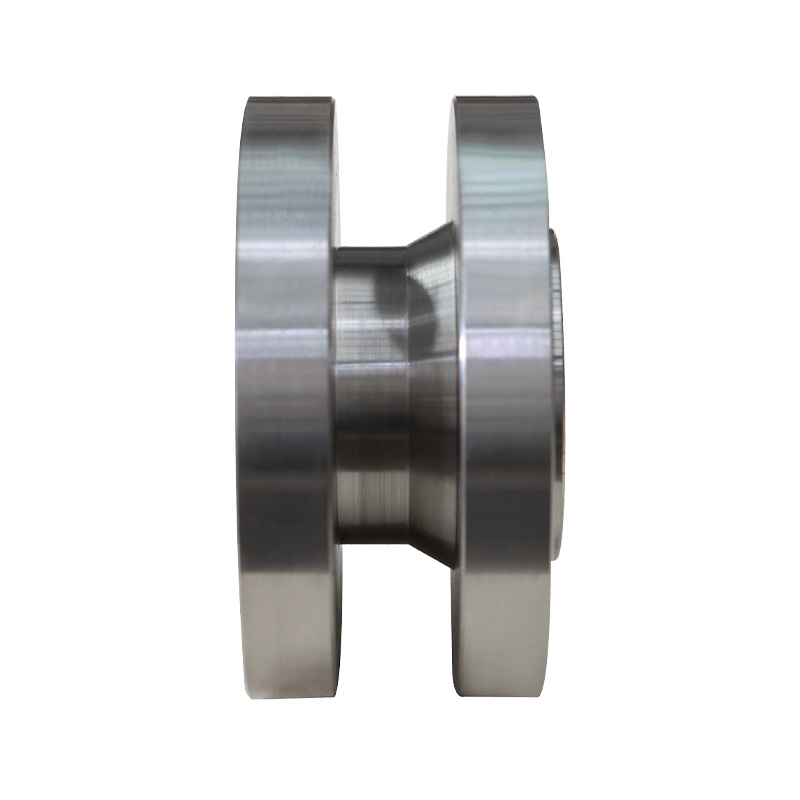
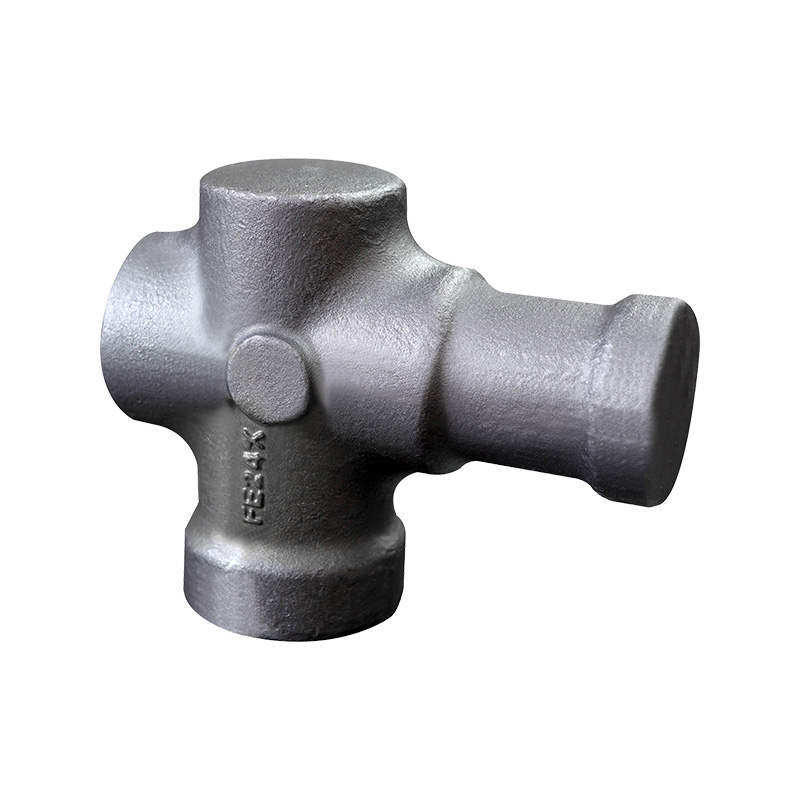
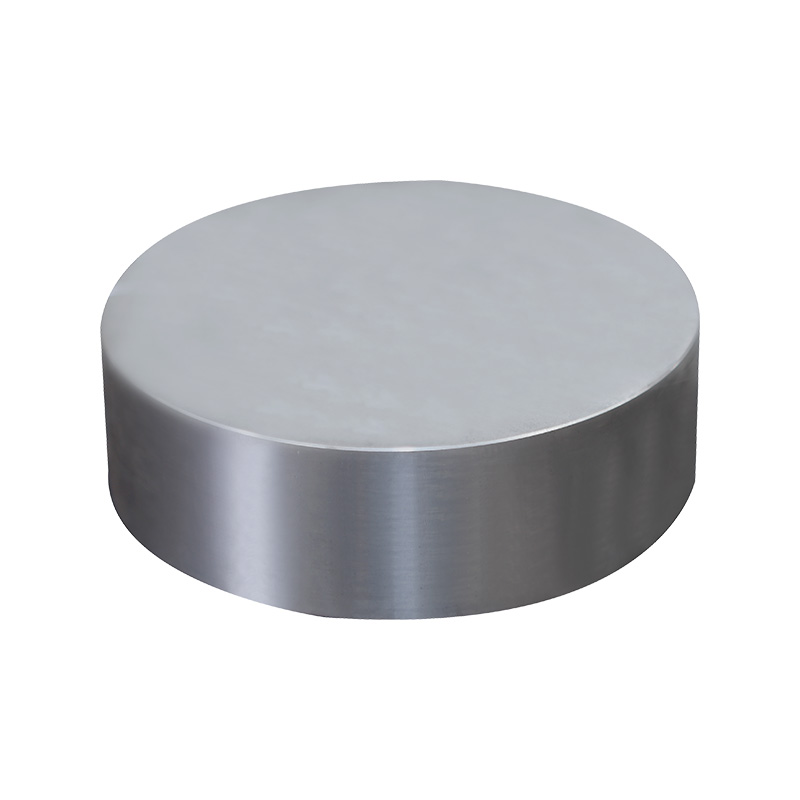
Technical Features and Bonnet Specifications
Forged valve bonnets must meet specific metallurgical and dimensional criteria to function correctly within a valve assembly. The following table outlines typical technical parameters:
| Parameter | Specification Detail |
|---|---|
| Design Standards | ASME B16.34, API 600, API 602 |
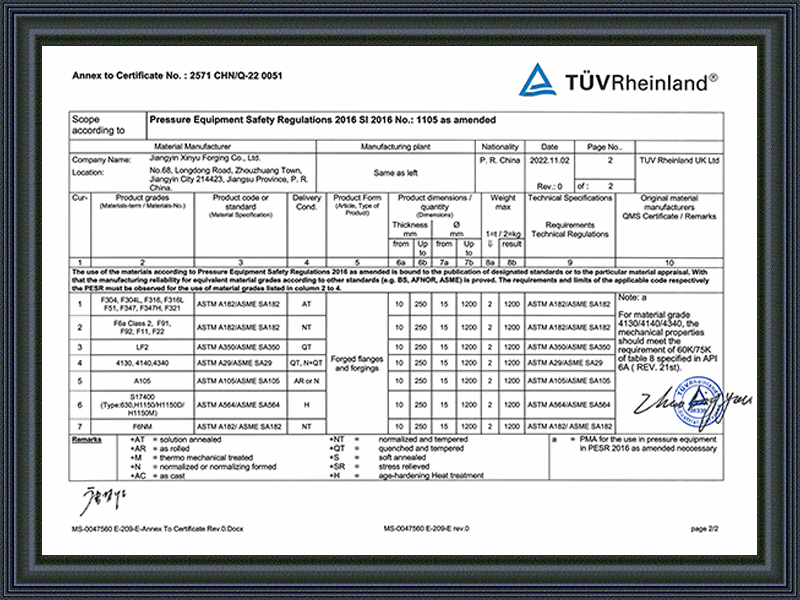
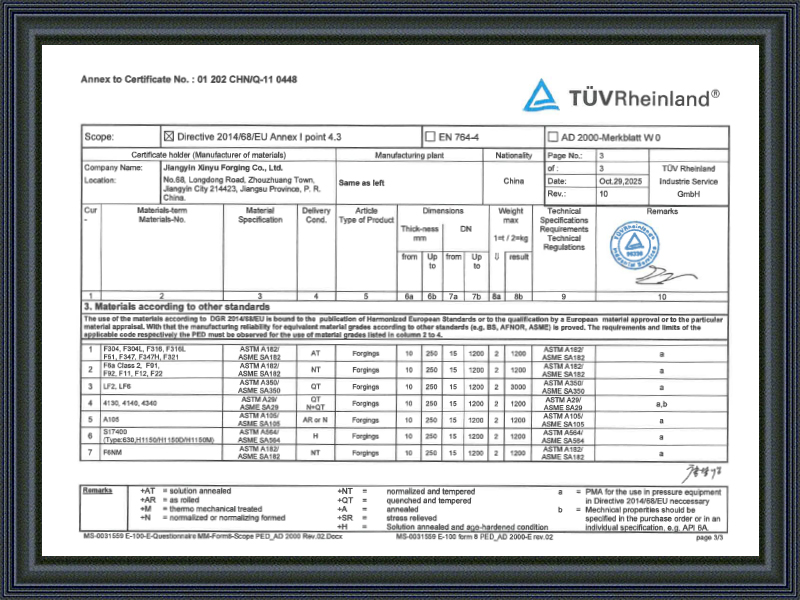
| Material Grades | ASTM A105, A350 LF2, A182 F316L, F51, F53 |
| Joint Type | Bolted Bonnet (BB), Pressure Seal (PSB), Welded Bonnet |
| Inspection | Hydrostatic testing and NDT (UT/PT/MT) |
The internal bore of the bonnet is precision-machined to ensure perfect alignment with the valve stem. This alignment is critical for preventing premature packing wear and ensuring smooth valve operation. Advanced forging techniques allow for the production of bonnets with integrated mounting pads for actuators, reducing the need for additional welding or assembly.
-
 Development Conceptscientific and technological innovation as the driving force.
 -
 Quality PolicyPeople, integrity, truth-seeking, innovation
 -
 Core ValueCommon development to achieve symbiosis and win-win.
Procurement Guidelines for Valve Bonnets
Selecting the right forged bonnet requires a deep understanding of the valve's operating environment. Consider the following points during the selection process:
- Compatibility with Body Material: The bonnet material should generally match the body material to ensure consistent thermal expansion and avoid galvanic corrosion.
- Seal Surface Integrity: Inspect the gasket contact area. For high-pressure service, the surface finish must be strictly controlled to prevent "spiraling" leaks.
- Fastener Loading: For bolted bonnets, ensure the flange thickness is sufficient to handle the bolt torque required for high-pressure sealing.
- Cryogenic Extension Requirements: For low-temperature service, consider extended bonnets that keep the packing away from the freezing fluids.
Always verify that the forging manufacturer has experience with the specific alloy being requested, as some materials like Duplex or Super Duplex require very precise heat treatment windows to avoid brittle phases.
Advantages of Forged Bonnet Construction
Forged bonnets offer significant technical benefits that directly translate to lower maintenance costs and higher safety levels in industrial plants.
| Benefit | Description |
|---|---|
| Fatigue Life | Superior resistance to pressure pulsations and vibration. |
| Dimensional Accuracy | Tighter tolerances for stem alignment and packing fit. |
| Safety Margin | Higher burst pressure compared to cast versions. |
| Corrosion Resistance | Uniform grain structure prevents localized stress corrosion cracking. |
One of the primary advantages is the ability to use pressure-seal designs effectively. In these designs, internal pressure helps to tighten the seal; the high strength of the forged material is essential to withstand the massive compressive forces generated at the seal interface. This makes forged bonnets the standard for high-pressure power plant valves.
Industry Applications for Forged Bonnets
Forged bonnets are ubiquitous in industries where fluid containment is critical. They are found in a wide variety of valve types including gate, globe, and check valves.
| Industry | Usage Context |
|---|---|
| Petrochemical | High-pressure reactors and cracking units. |
| Power Generation | Main steam isolation and feed water systems. |
| Marine Engineering | Fuel handling and fire suppression systems on ships. |
| Aerospace | Ground support equipment for fuel and gas loading. |
In the oil and gas sector, forged bonnets are often used in "sour service" (H2S) environments where the material must meet NACE MR0175 standards to prevent hydrogen-induced cracking. Their reliable performance in these hazardous settings makes them an industry staple for safety-conscious engineers.
- Q: What is a pressure seal bonnet?
- A: A pressure seal bonnet is a design where the internal fluid pressure is used to compress the seal gasket, making the seal tighter as pressure increases. It requires a high-strength forged bonnet to function safely.
- Q: Can forged bonnets be repaired?
- A: Yes, because the material is uniform and dense, forged bonnets can often be weld-repaired or re-machined more reliably than cast bonnets, provided proper procedures are followed.