

 英语
英语 德语
德语 阿拉伯语
阿拉伯语

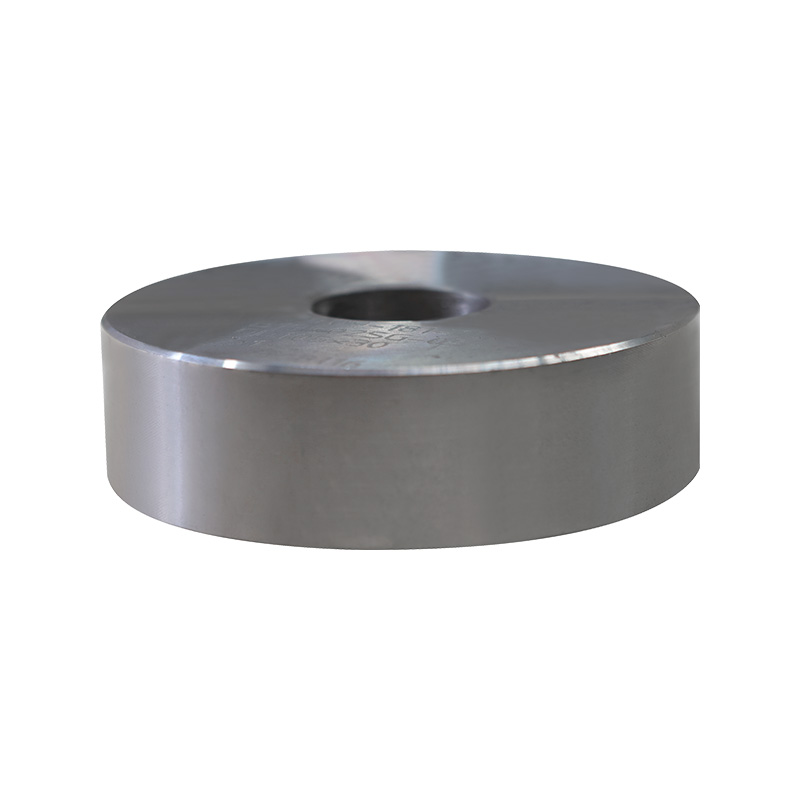
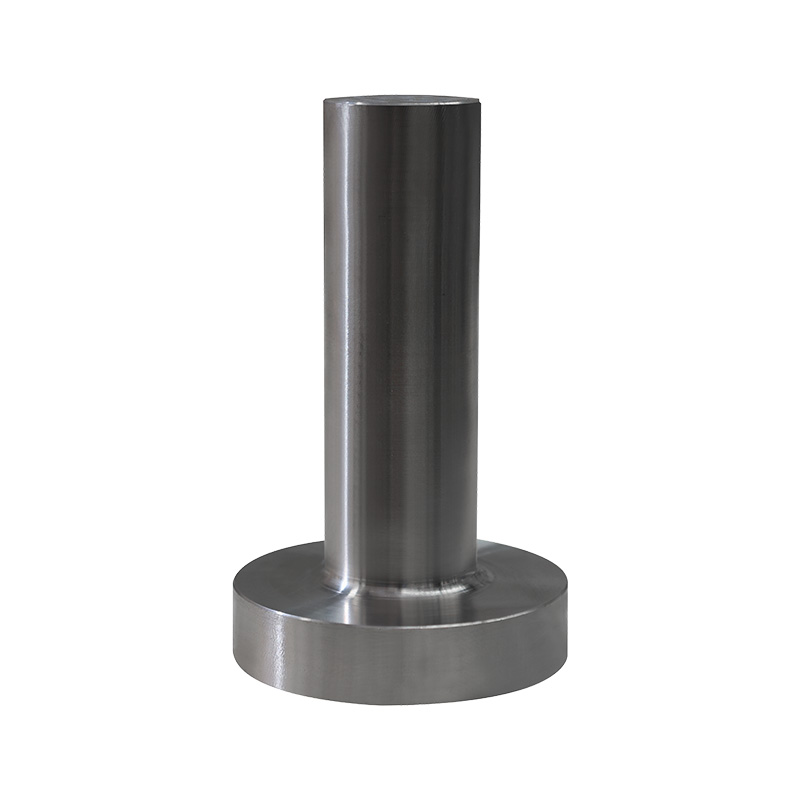
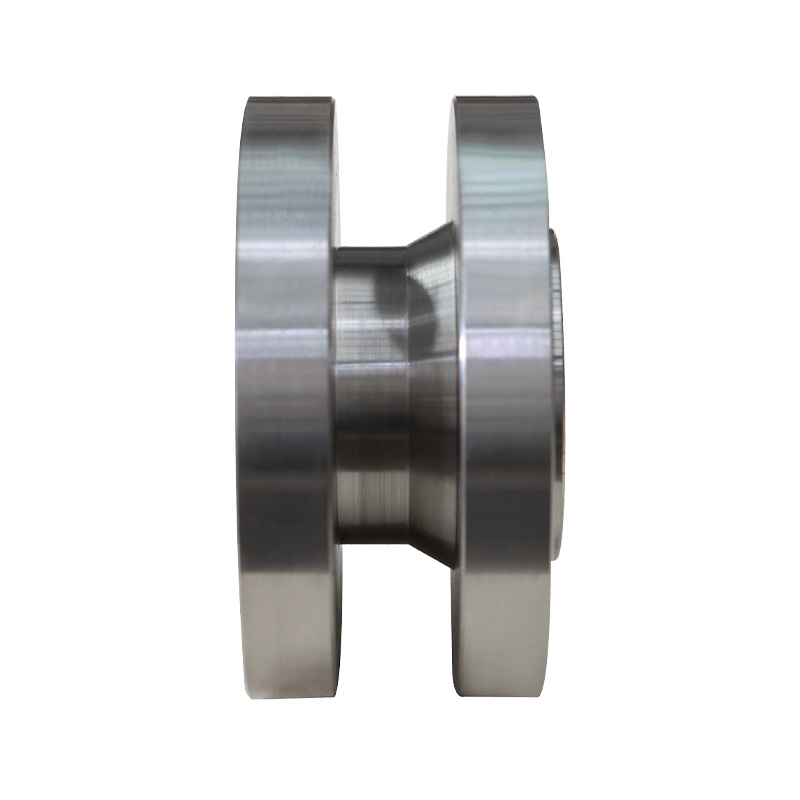
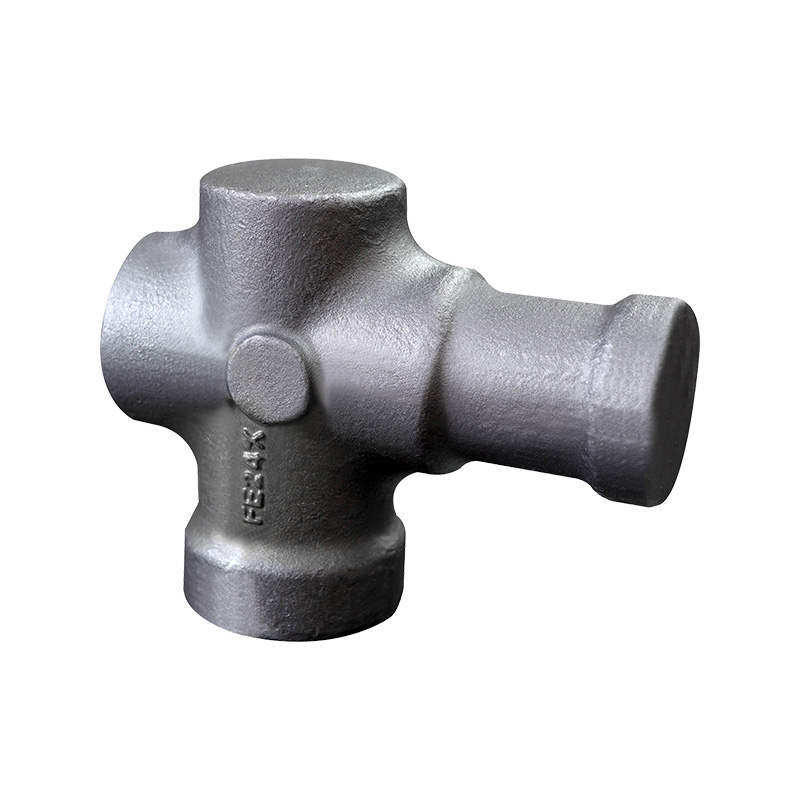
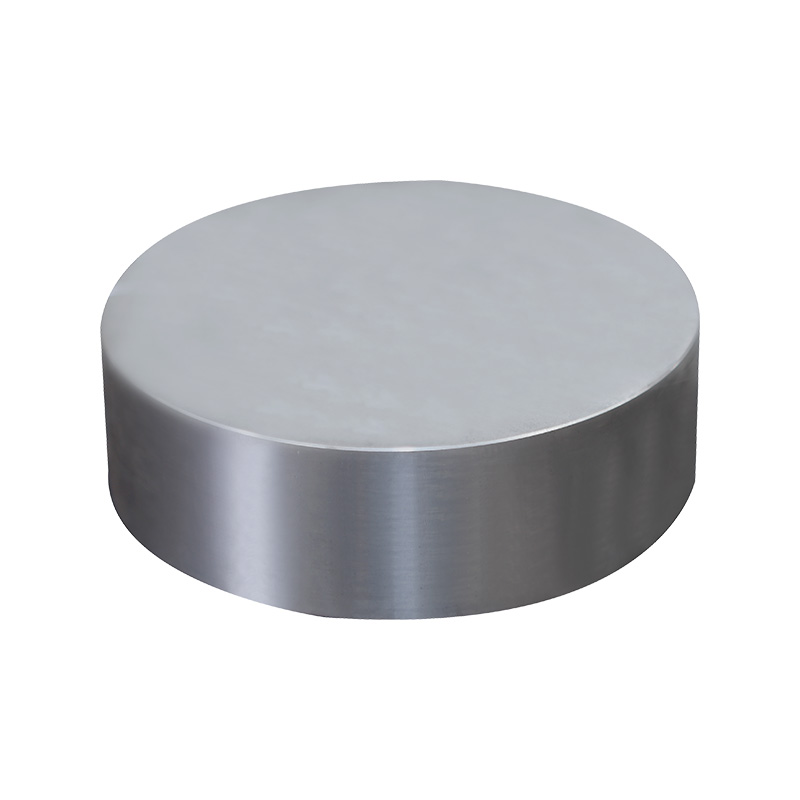
Technical Features and Specifications
| Feature | Detail |
|---|---|
| Materials | 42CrMo4, 34CrNiMo6, Carbon Steel. |
| Dimensions | Diameters up to 2000mm and above. |
| Surface Hardness | Tailored to the specific bearing or roller type. |
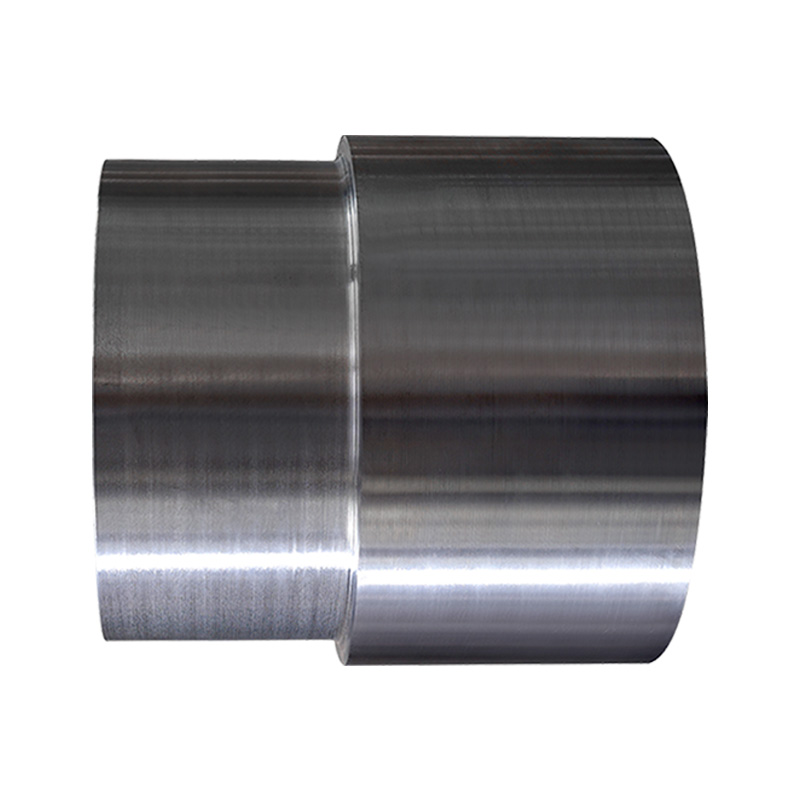
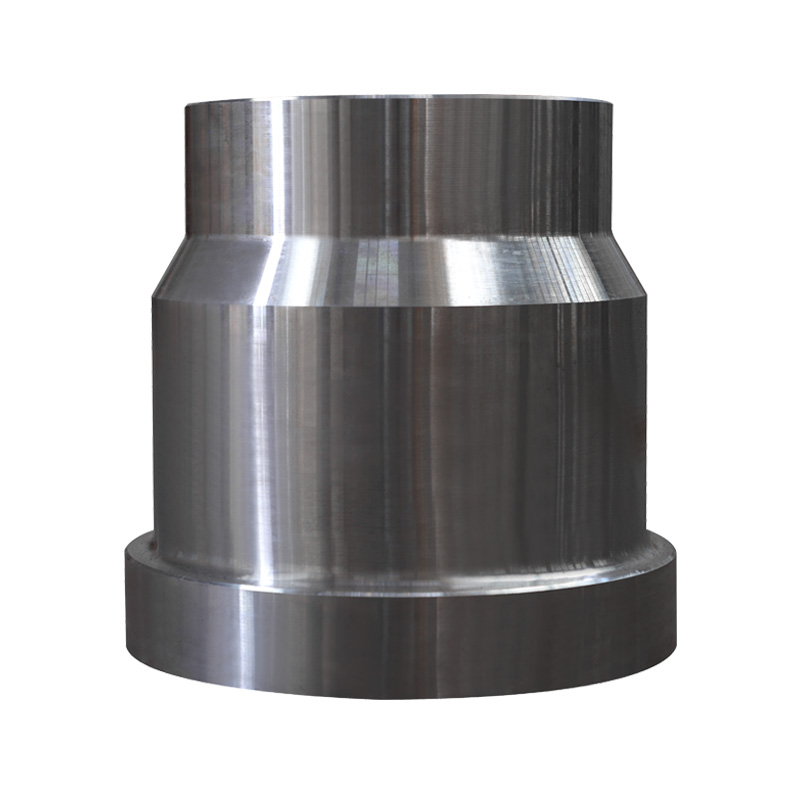
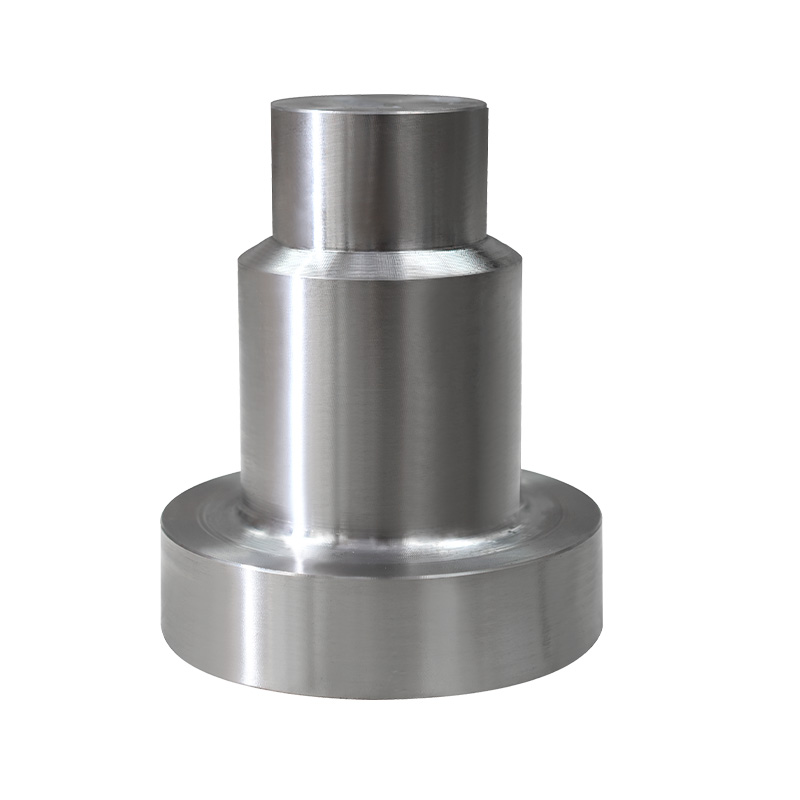
These shafts are often integrally forged with a large flange to allow for secure bolting to the drum or mill end-cap. The forging process eliminates the "centerline shrinkage" common in large castings, ensuring that the trunnion remains perfectly round and structurally sound throughout its life.
Corporate Culture and Development Philosophy
-
 Development Conceptscientific and technological innovation as the driving force.
 -
 Quality PolicyPeople, integrity, truth-seeking, innovation
 -
 Core ValueCommon development to achieve symbiosis and win-win.
Buying Tips for Support Shafts
- Thermal Stability: Ensure the material is heat-treated to resist "creeping" if the trunnion is used near high-heat sources like kilns.
- Surface Finish: The bearing area must be polished to a mirror finish to minimize the friction that generates destructive heat.
- NDE Verification: Request deep-penetrating Ultrasonic Testing to check the core of the large-diameter section.
Advantages of Forged Trunnions
| Advantage | Operational Benefit |
|---|---|
| High Load Capacity | Supports equipment weighing hundreds of tons. |
| Fatigue Life | Withstands the "revolving bending" stresses of rotation. |
| Machining Precision | Ensures perfect alignment of the mill or kiln axis. |
Primary Applications
| Industry | Usage Context |
|---|---|
| Cement Industry | Support and drive shafts for rotary kilns. |
| Mining | Main support pivots for SAG and ball mills. |
| Aerospace/Defense | Rotation shafts for large radar and satellite dishes. |
- Q: What is "Point Loading"?
- A: It is the intense pressure where the trunnion contacts the support roller. Forgings are dense enough to resist the "pitting" and "deformation" this causes.