

 英语
英语 德语
德语 阿拉伯语
阿拉伯语

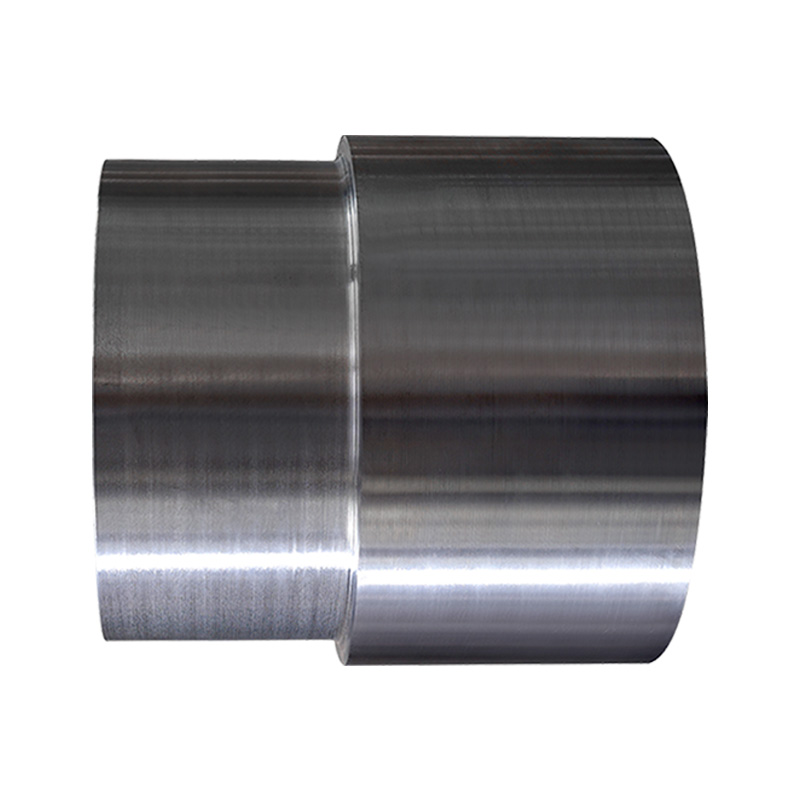
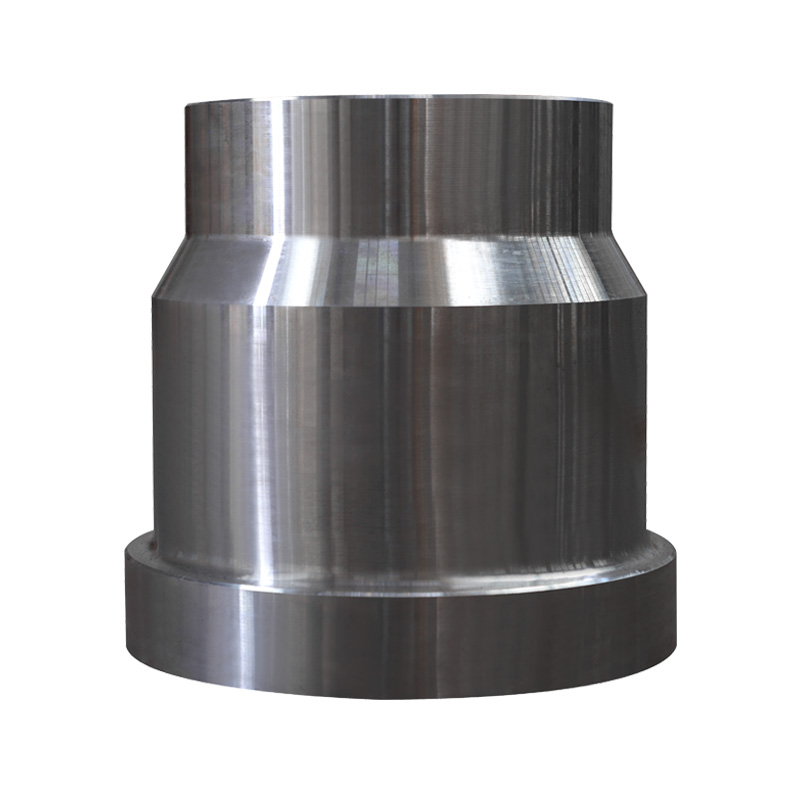
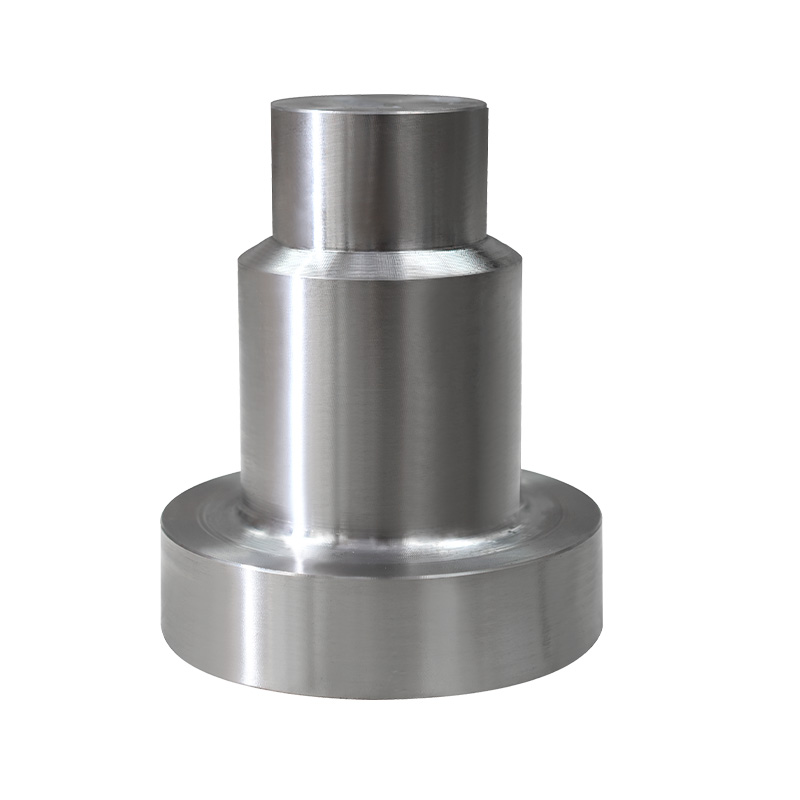
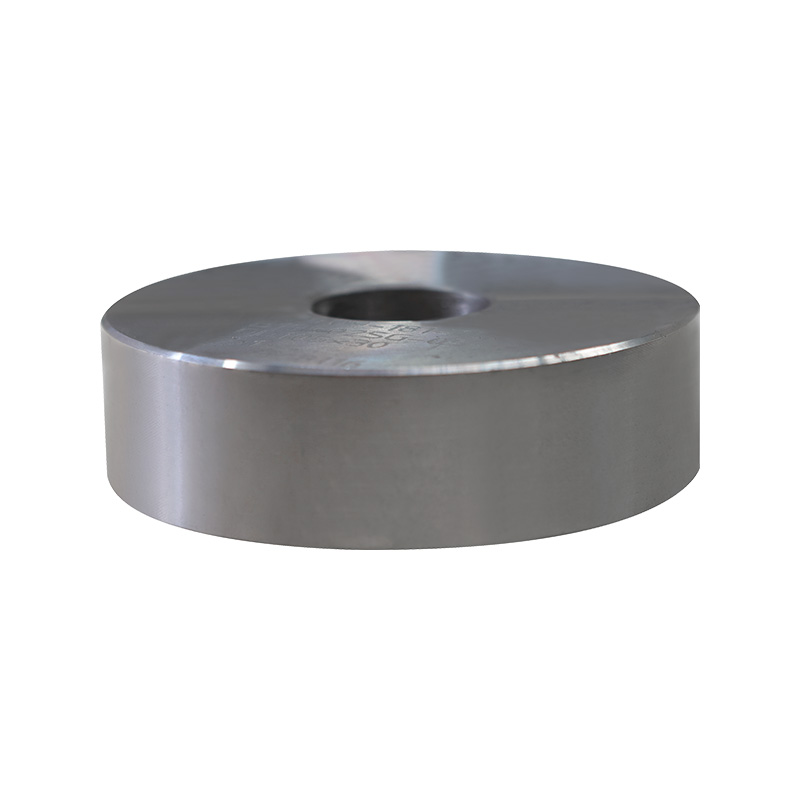
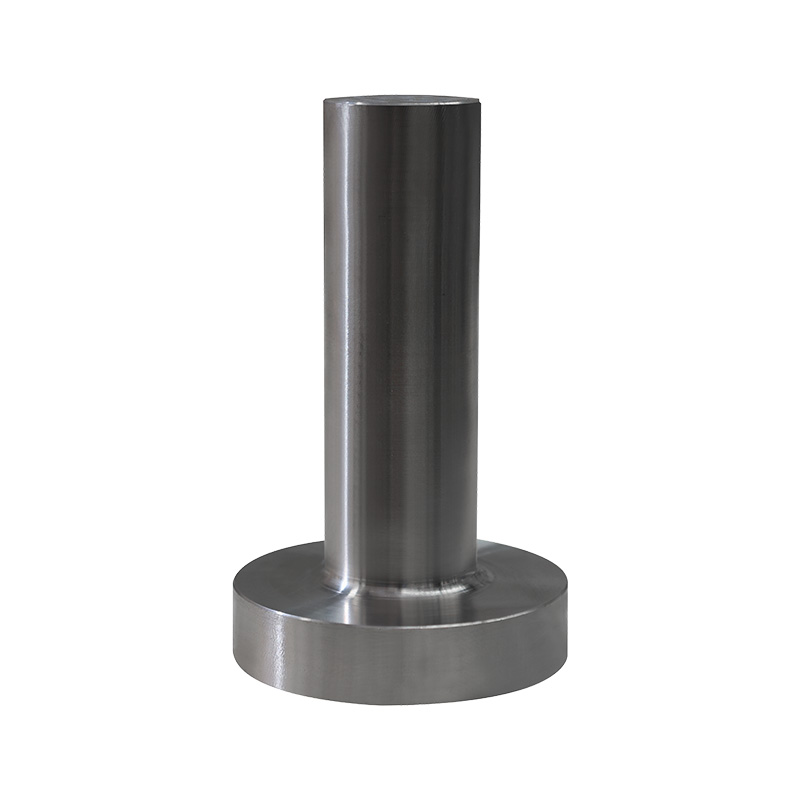
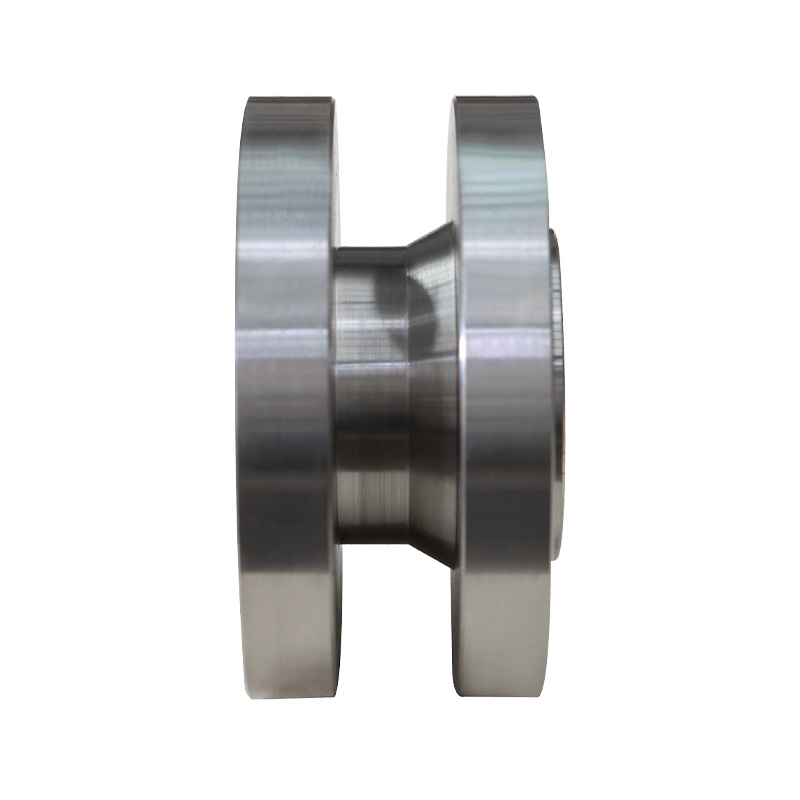
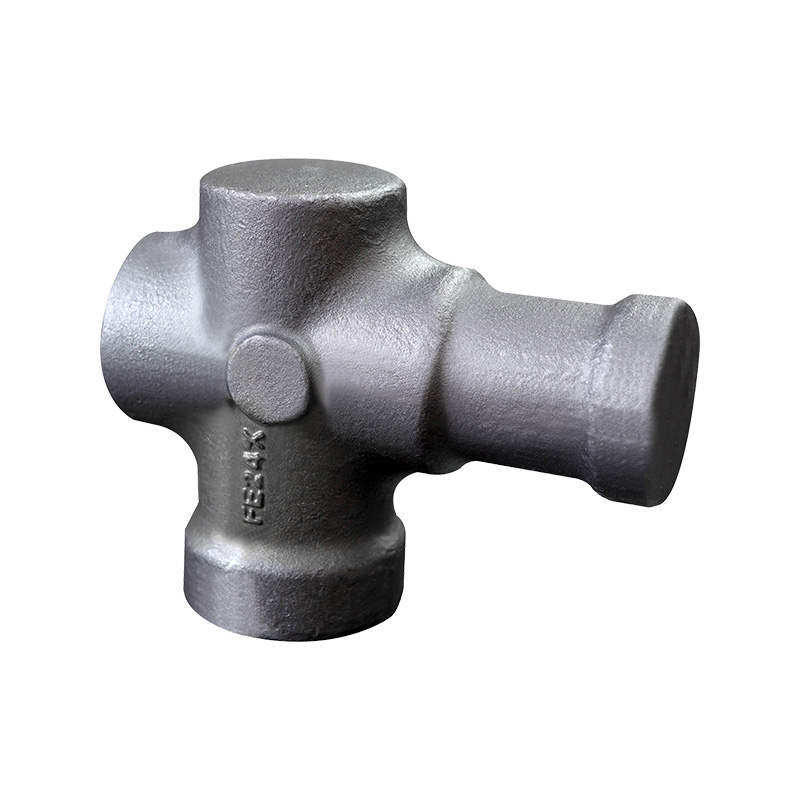
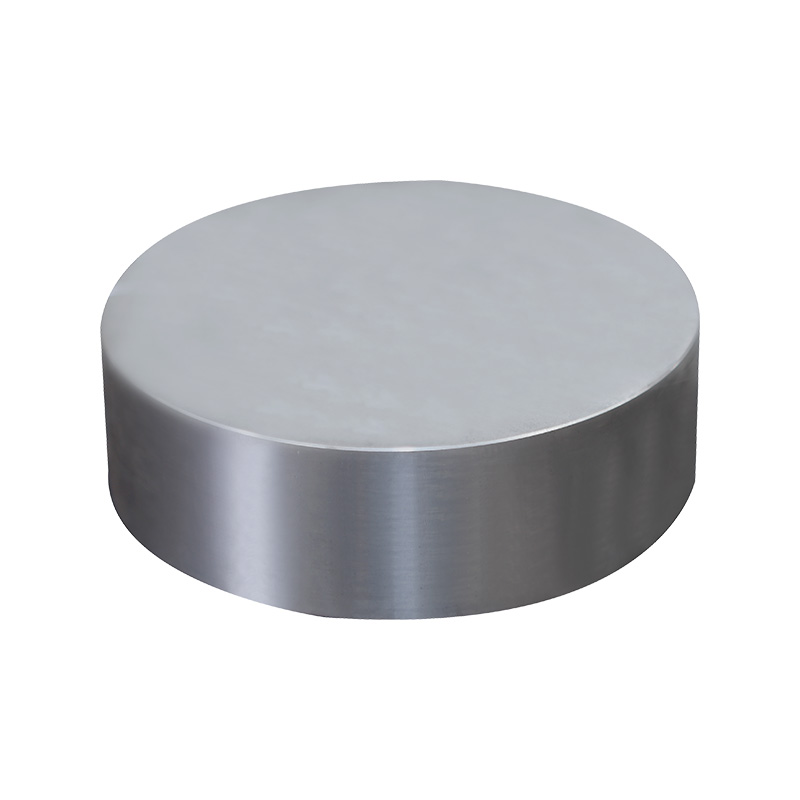
Technical Features and Shaft Specifications
The performance of a butterfly valve depends heavily on the straightness and surface finish of its shaft.
| Feature | Technical Requirement |
|---|---|
| Material Grades | 17-4PH, 410SS, Duplex 2205, Monel K500 |
| Straightness Tolerance | 0.05mm per meter |
| Surface Finish | Ra 0.4 to 0.8 in packing and bearing zones |
| Configuration | Single-piece (Through-shaft) or Two-piece (Stub-shaft) |
Each forged shaft undergoes precision grinding to ensure a perfect fit with the bushings and the disc. In high-performance "triple-offset" butterfly valves, the shaft must be precisely aligned to ensure the disc enters the seat with a camming action rather than a rubbing action. The forging's structural integrity allows for the machining of deep keyways or splines without compromising the shaft's overall strength.
-
 Development Conceptscientific and technological innovation as the driving force.
 -
 Quality PolicyPeople, integrity, truth-seeking, innovation
 -
 Core ValueCommon development to achieve symbiosis and win-win.
Procurement and Selection Criteria
When specifying forged butterfly valve shafts, engineers must focus on the mechanical limits of the material:
- Torque Rating: The shaft's yield strength must exceed the maximum expected torque from the actuator by a factor of at least 1.5.
- Bearing Fit: Ensure the forged shaft is compatible with the bearing material (e.g., PTFE-lined or Bronze) to prevent galling.
- Corrosion Resistance: For seawater applications, forged Duplex or Super Duplex shafts are mandatory to prevent pitting.
- Connection Type: Choose between a square drive, keyed drive, or splined drive. Forged shafts are ideal for splined drives as they can handle the high stress concentrations better than bar stock.
Always verify the heat treatment condition of the forging; for example, 17-4PH should usually be in the H1150 condition for the best balance of strength and stress corrosion cracking resistance.
Advantages of Forged Shaft Construction
Using forgings for butterfly valve shafts provides several distinct advantages in terms of mechanical life and safety.
| Advantage | Operational Benefit |
|---|---|
| Shear Resistance | Superior resistance to the shear forces at the disc-to-shaft pin connection. |
| Lower Friction | Fine surface finishes reduce the "breakaway torque" of the valve. |
| Longevity | Reduced risk of fatigue failure in high-cycle modulating services. |
| Reliability | Integral forged shoulders provide secondary blow-out protection. |
Forged shafts are also much more reliable in "dry" services or gas services where lubrication is absent. The dense, grain-refined surface of a forged shaft is less prone to "scuffing" against the packing or bearings, ensuring that the valve remains easy to operate over thousands of cycles. This is particularly important for control valves that are constantly adjusting to maintain flow rates.
Industry Applications for Forged Shafts
Forged shafts are found in high-specification butterfly valves across various global sectors.
| Industry | Usage Context |
|---|---|
| Desalination | Handling high-pressure brine and seawater. |
| HVAC Systems | Large-scale chilled water distribution in skyscrapers. |
| Chemical Industry | Handling corrosive fluids in triple-offset valves. |
| Power Generation | Circulating water systems for turbine condensers. |
In the water industry, forged shafts are used in large diameter (up to 120 inches) butterfly valves used for metropolitan water distribution. In these cases, the shaft must be exceptionally rigid to prevent the disc from "fluttering" in the flow, which could cause catastrophic pipe vibration and failure.
- Q: What is the advantage of a one-piece shaft?
- A: A one-piece forged shaft provides maximum rigidity and ensures perfect alignment between the top and bottom bearings, which is critical for preventing seat wear.
- Q: How do you prevent the shaft from blowing out?
- A: Forged shafts are designed with an integral shoulder or a retaining ring system that prevents the shaft from being ejected from the body if the internal connection to the disc fails.