


Get Free Quote


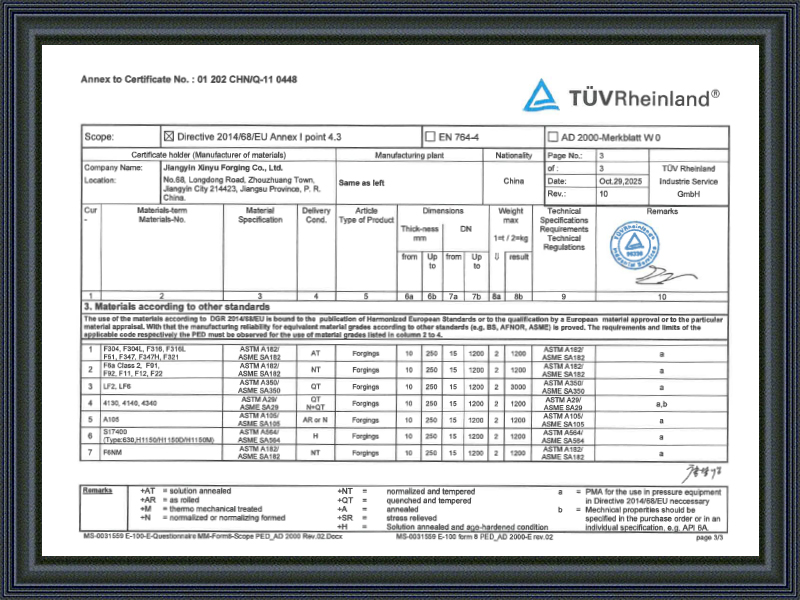
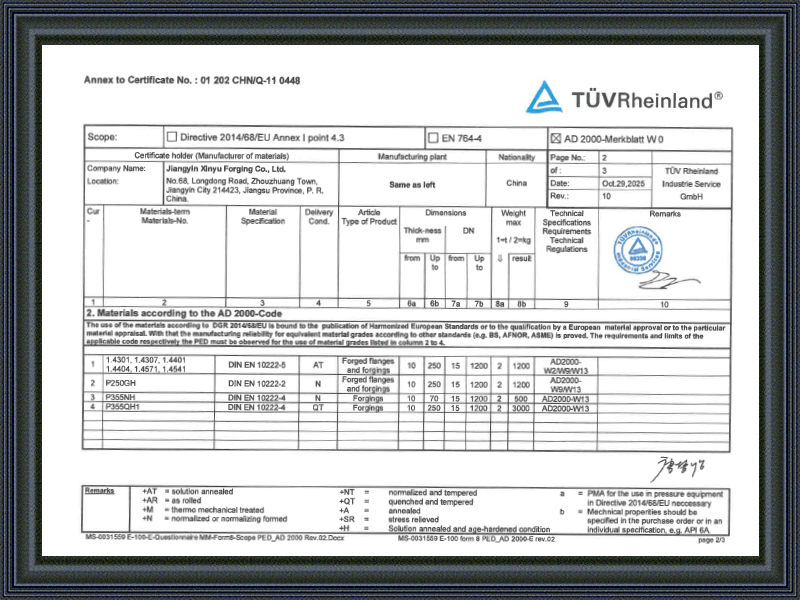
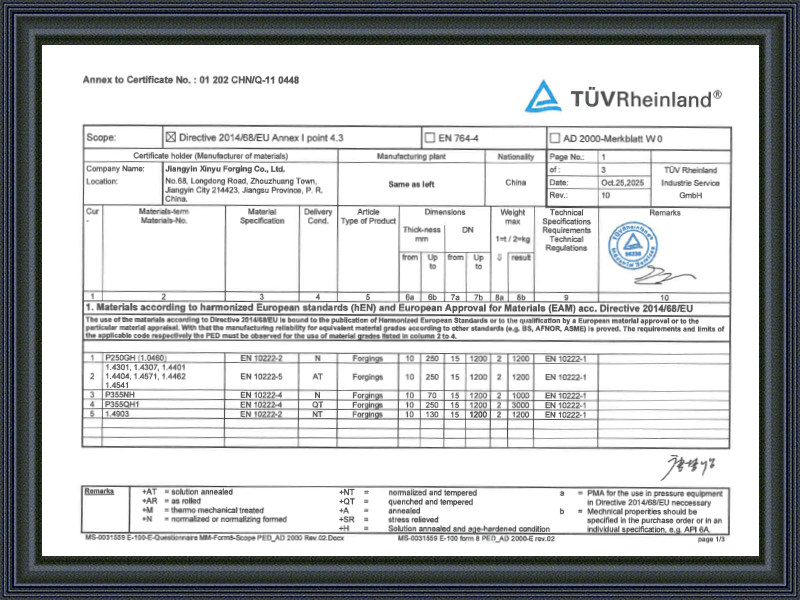
Oil and gas petrochemical forgings are high-strength metal parts designed specifically for the oil, gas, and petrochemical industries. Their metal materials are 4130, 4140, 4330, 4340, 8620, and 8630, which have mechanical properties and the ability to withstand environments. Forging eliminates internal defects and produces a coherent metal structure that guarantees performance. Where stress and intragranular corrosion are severe, forgings can guarantee a long service life and trouble-free use. Forgings have significant advantages in the oil and gas sector. It is widely used in pipelines, valves, pressure vessels, drilling equipment, wellhead devices refining and chemical equipment, etc., providing a solid guarantee for industrial safety, reliability, and efficient operation.
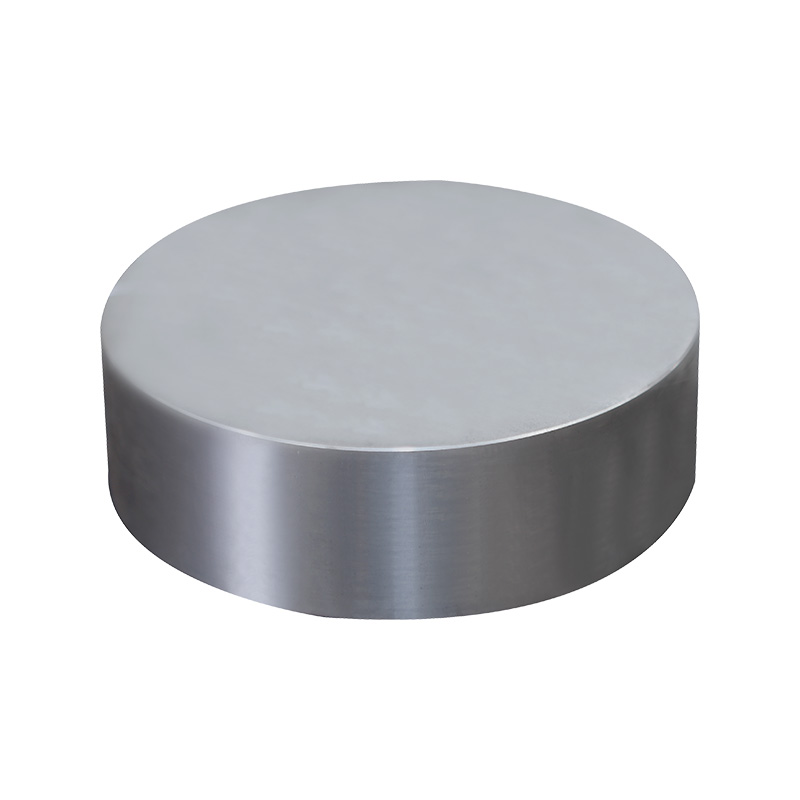
Main material:4130 4140 4330 4340 8620 8630
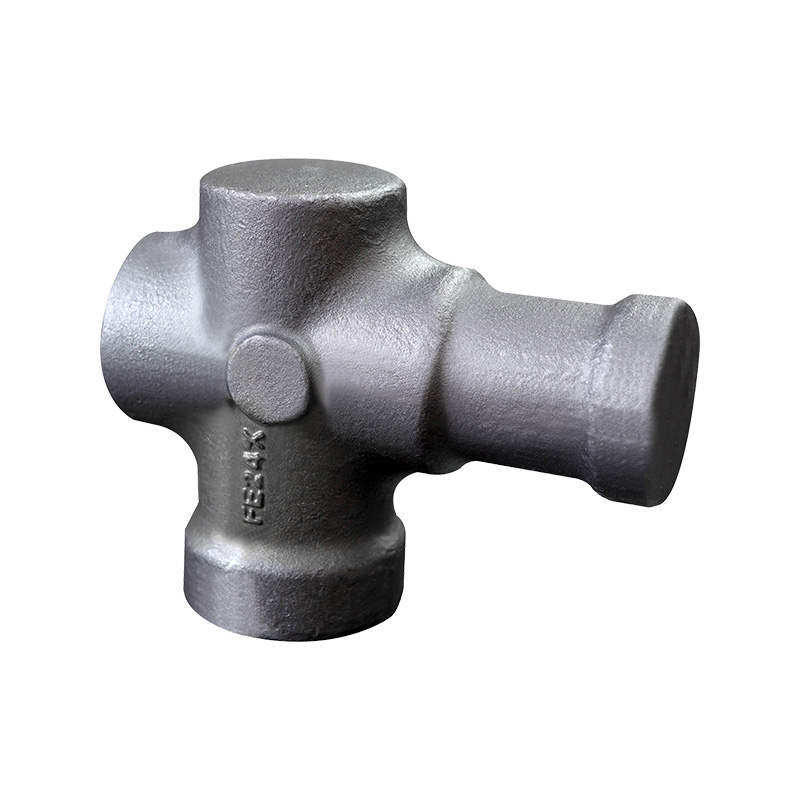
Main material:4130 4140 4330 4340 8620 8630
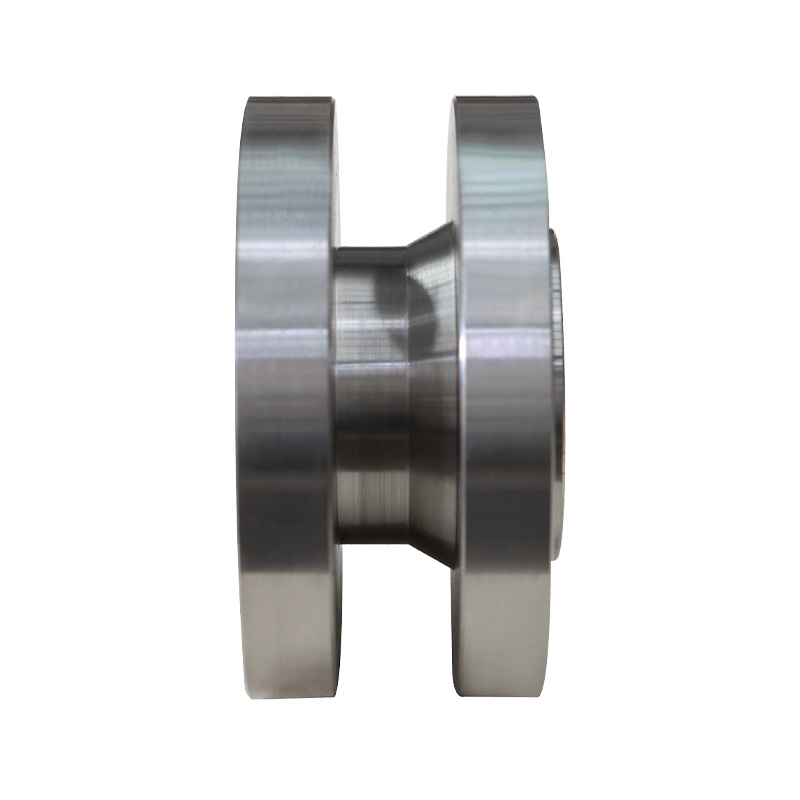
Main material:4130 4140 4330 4340 8620 8630
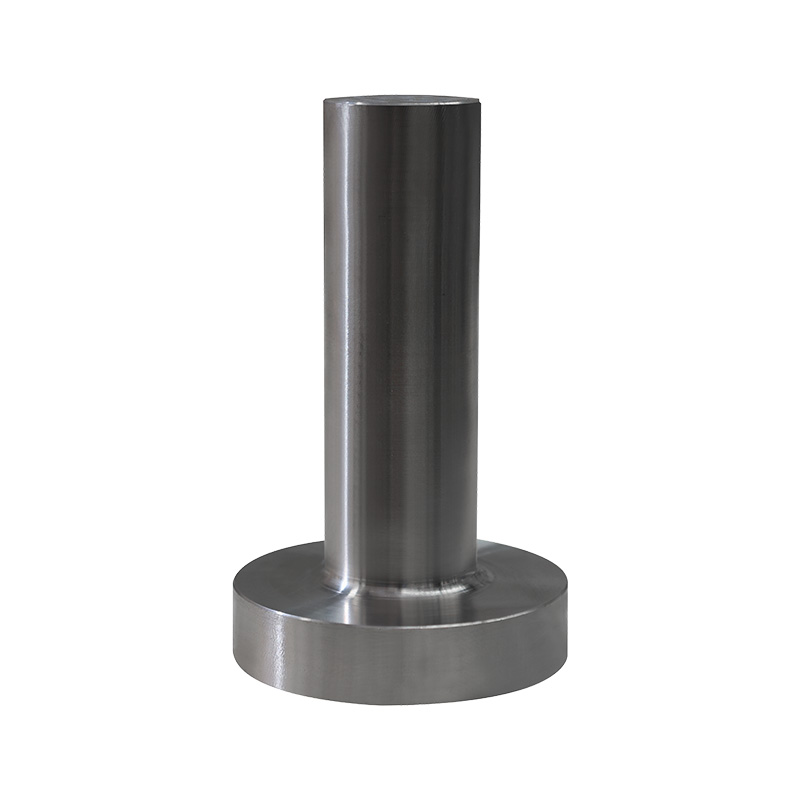
Main material:4130 4140 4330 4340 8620 8630
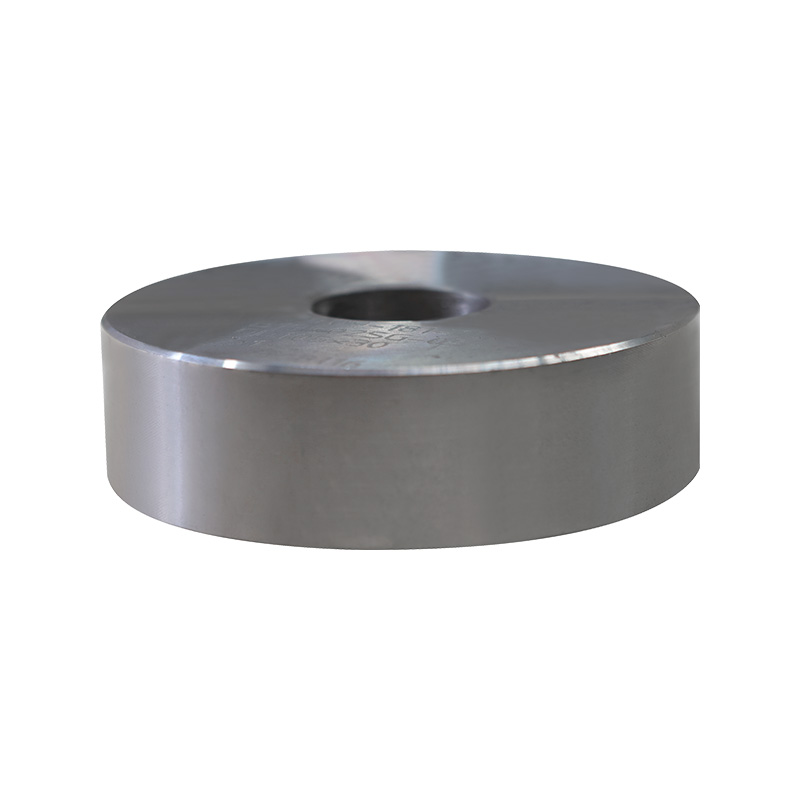
Main material:4130 4140 4330 4340 8620 8630
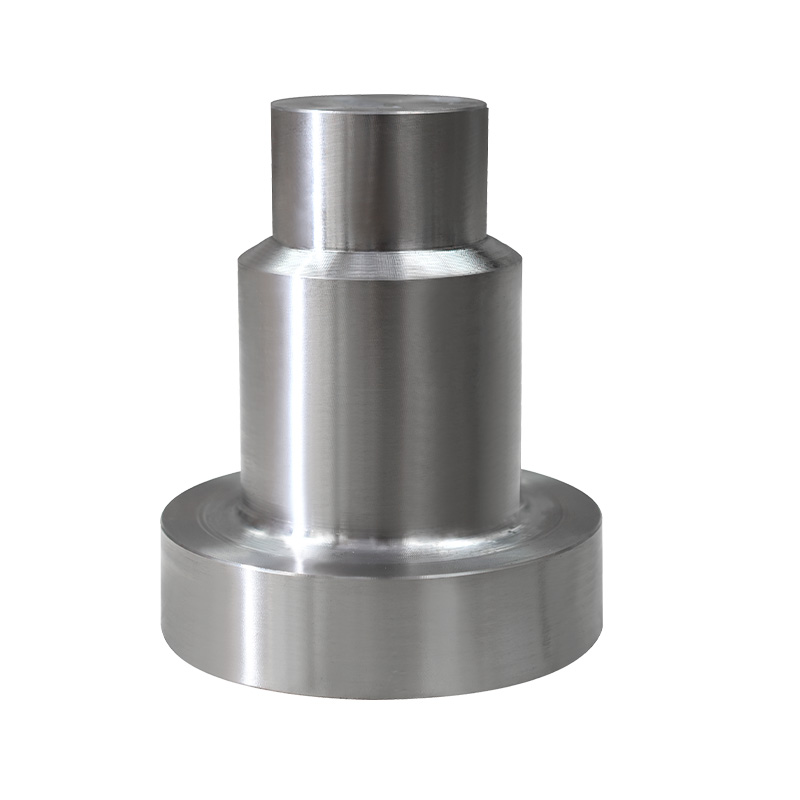
Main material:4130 4140 4330 4340 8620 8630
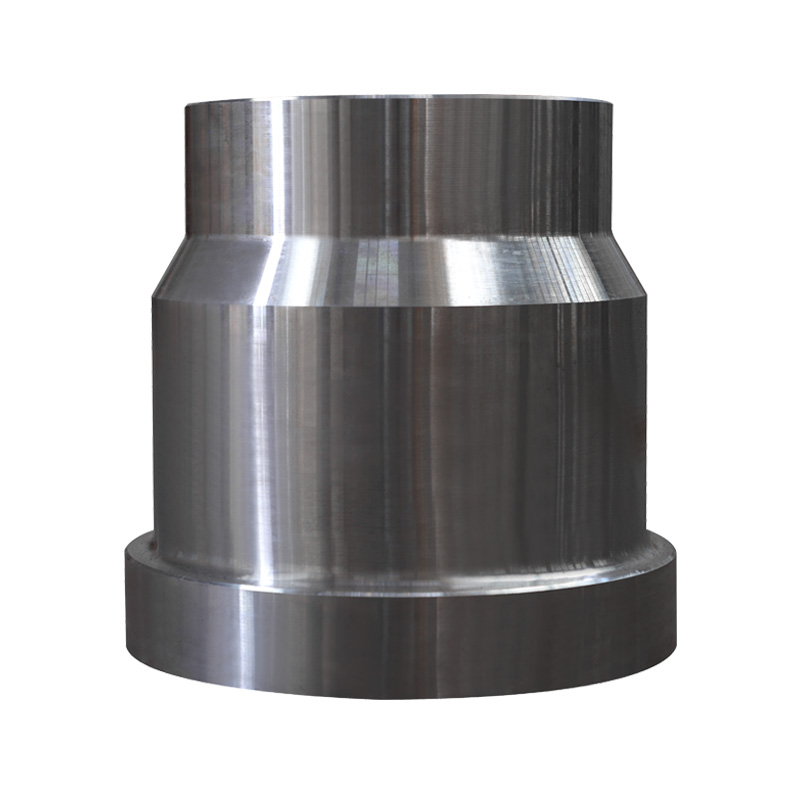
Main material:4130 4140 4330 4340 8620 8630
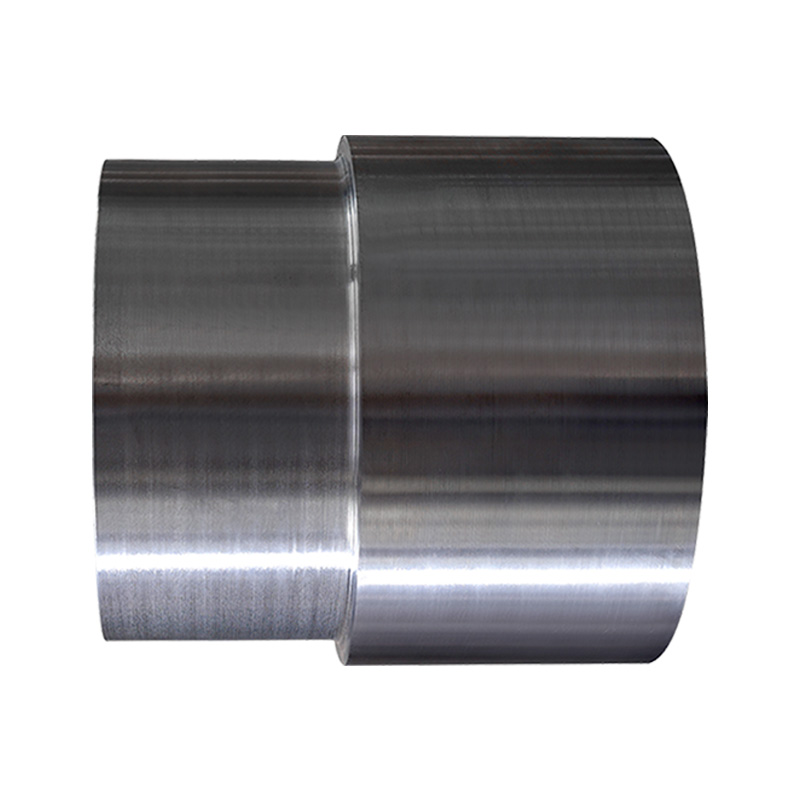
Main material: F6NM F316 F91 N04400
The bypass valve for high-temperature and high-pressure power station valves is a critical component that assumes core functions within thermal power ...
View MoreThe Direct Answer: 316L Wins in Corrosive Environments When you compare 304 and 316L stainless steel for forged components, the deciding factor is mo...
View MoreThe Short Answer: Which Stainless Steel Should You Choose? If you need one clear sentence: 904L resists chloride and acid attack noticeably better th...
View MoreIf you need a one-line answer first: 4140 is the stronger, harder and more fatigue-resistant grade, while 4130 is the tougher, more weldable and more...
View MoreIn harsh environments characterized by extreme pressure, corrosive media, and drastic temperature fluctuations, the stable operation of the oil, gas, and petrochemical industries heavily relies on high-strength, high-reliability metal components. As an indispensable foundational component in this field, oil and gas petrochemical forgings bear the crucial responsibility of ensuring pressure boundary integrity and structural safety.
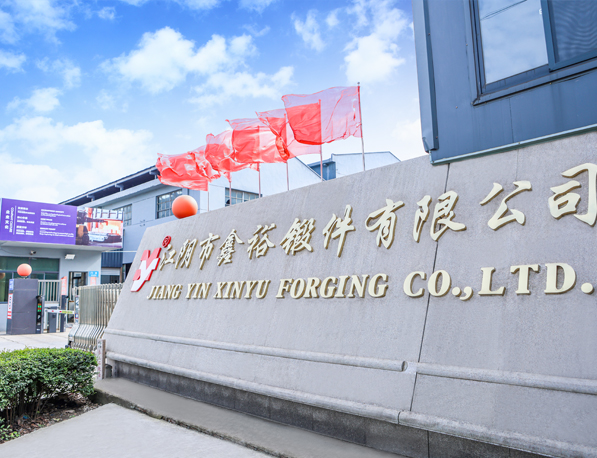
Jiangyin Xinyu Forging Co., Ltd., with its profound technological expertise, is committed to providing customized forging solutions for this industry, ensuring that every critical component performs exceptionally well under high-pressure environments.
Core Characteristics of Oil, Gas, and Petrochemical Forgings
The complex and variable operating conditions in the oil and petrochemical fields demand that forgings possess physical properties exceeding those of ordinary castings.
Excellent Density and Mechanical Properties
The forging process, by applying immense pressure to the metal billet, eliminates the porosity and pores generated during the smelting process, breaking down the coarse crystal structure. This restructuring of the microstructure results in forgings exhibiting outstanding tensile strength, yield strength, and impact toughness.
Anisotropic Optimization
Through a rational fiberline design, the metal fibers of the forging are continuously distributed along the part's shape. This continuous fiber flow significantly improves the fatigue resistance of components when facing frequent pressure fluctuations in oil pipelines or complex loads in deep-sea mining.
Corrosion Resistance and Adaptability to Extreme Temperatures
From sub-zero temperatures to refining towers with temperatures of hundreds of degrees Celsius, petrochemical forgings require specific alloy steels, stainless steels, or nickel-based alloys. Precise heat treatment processes can adjust the phase structure of the material, enabling it to maintain chemical stability in acidic environments containing sulfur and chlorine.
Common Forged Component Types in the Oil and Petrochemical Industry
Depending on the application scenario, these forgings are widely used in upstream extraction, midstream transportation, and downstream refining processes.
| Forging Category | Primary Application Scenarios | Key Functional Description |
| Forged Flanges | Pipeline connections, pressure vessel interfaces | Ensures high-integrity sealing for piping systems while allowing for easy disassembly and maintenance. |
| Tube Sheets & Shells | Heat exchangers, condensers, reactors | Acts as a critical pressure-retaining boundary; provides structural support and sealing for heat exchanger tube bundles. |
| Valve Bodies & Bonnets | Fluid control, emergency shutdown systems | Maintains reliability in high-pressure differential environments to ensure precise fluid cutoff and prevent hazardous leaks. |
| Tees, Elbows & Fittings | Pipeline branching, directional changes | Facilitates changes in fluid flow direction while providing structural redundancy in areas of high stress concentration. |
| Wellhead Components | Onshore and offshore subsea drilling | Withstands extreme subterranean geological pressures, serving as the primary safety barrier for oil and gas wells. |
Jiangyin Xinyu Forging Co., Ltd.: The Technological Value of Customized Forging
In the oil and gas sector, standardized products often fail to fully meet the design requirements of special operating conditions. Jiangyin Xinyu Forging Co., Ltd.'s core advantage lies in transforming complex materials science theories into reliable finished forgings.
1. Deeply Responding to Personalized Needs
Whether for non-standard parts with special specifications or small-batch trial production for experimental projects, we provide comprehensive technical support, from forging ratio control and mold design to the development of heat treatment curves.
2. In-Depth Development of Material Applicability
The petrochemical industry has extremely stringent requirements for materials. We match the forging characteristics of carbon steel, alloy steel, and various special steels with corresponding deformation rates and temperature ranges to ensure that the microstructure of the final product meets the expected industrial standards.
3. Strengthening Internal Quality Control
Without relying on specific document data, we achieve a high degree of consistency in product performance through rigorous control of every variable in the production process. This respect for process logic has enabled us to establish a solid reputation in the international energy supply chain.
Frequently Asked Questions (FAQ)
Q: Why are forgings superior to castings in the oil and gas industry?
A: Castings are prone to shrinkage cavities and segregation, while forgings eliminate internal defects through plastic deformation, resulting in finer grains. In flammable, explosive, and high-pressure oil and gas environments, the structural integrity of forgings provides a higher safety factor.
Q: How does the forging ratio affect petrochemical forgings?
A: A higher forging ratio helps to fully break down the as-cast structure, improving the material's density. For petrochemical components subjected to high-pressure loads, an appropriate forging ratio is a prerequisite for ensuring their mechanical properties meet standards.
Q: How to ensure the lifespan of custom forgings in acidic environments (such as those containing H₂S)?
A: Besides selecting appropriate alloying elements, heat treatment is crucial. Precise annealing, normalizing, or tempering processes eliminate residual stresses generated during forging and control hardness within a reasonable range, effectively preventing sulfide stress cracking.
Q: How does Jiangyin Xinyu Forging Co., Ltd. handle small-batch, multi-variety orders?
A: We have a flexible production scheduling system and a large reserve of molds. For small-batch projects, we can quickly adjust process parameters to achieve rapid response while ensuring performance, helping customers shorten the overall project development cycle.
Jiangyin Xinyu Forging Co., Ltd. will continue to focus on the energy industry, using professional forging technology to support the safe operation of the global oil and gas and petrochemical industries. If you have customized requirements for metal components under special working conditions, we look forward to discussing the best process path with you.

Tel: +86-13915203580 / +86-18861681298

E-mail: info@xinyuforging.com

Add: 68# Longdong RD, Zhouzhuang Town, Jiangyin, China.
Copyright © by Jiangyin Xinyu Forging Co., Ltd. Rights Reserved. Custom Oil and Gas Petrochemical Forgings Manufacturer

 英语
英语 德语
德语 阿拉伯语
阿拉伯语