

 英语
英语 德语
德语 阿拉伯语
阿拉伯语

Content
- 1 The Short Answer: Which Stainless Steel Should You Choose?
- 2 What 316L and 904L Stainless Steel Actually Are
- 3 Chemical Composition: The Real Difference on Paper
- 4 Corrosion Resistance in Real Service Environments
- 5 Mechanical Properties: Close, But Not Identical
- 6 Cost, Availability and Total Cost of Ownership
- 7 Forging and Manufacturing: What Fabricators Need to Know
- 8 Industrial Applications: Where Each Grade Earns Its Keep
- 9 A Practical Selection Framework
- 10 Frequently Asked Questions
The Short Answer: Which Stainless Steel Should You Choose?
If you need one clear sentence: 904L resists chloride and acid attack noticeably better than 316L, and it costs roughly three to four times more. The entire decision between these two austenitic stainless steels comes down to whether the service environment will punish the cheaper grade before the payback period is over.
A valve body handling warm sulfuric acid, a heat exchanger tube sheet in a seawater cooling loop, or an offshore flange in the splash zone will usually justify the 904L premium. A hydraulic flange in fresh water, a mining bucket pin, or a standard flanged valve in a dry gas line does not. In that majority of industrial applications, 316L delivers the required service life at a fraction of the purchase price.
The corrosion index most specifiers use first is PREN (pitting resistance equivalent number), calculated as chromium plus 3.3 times molybdenum plus 16 times nitrogen. 316L typically sits in the 24-28 range, while 904L reaches 32-36. That gap of roughly eight PREN points is the real reason 904L survives environments that would pit, crevice-corrode or stress-crack 316L.
| Property | 316L | 904L |
|---|---|---|
| Chromium | 16-18% | 19-23% |
| Nickel | 10-14% | 23-28% |
| Molybdenum | 2-3% | 4-5% |
| PREN range | 24-28 | 32-36 |
| Relative raw material cost | 1x | 3-4x |
| Typical service | General industrial, food, mild marine | Acid, seawater, offshore, chemical |
There is no universal "best" grade. The correct specification is the lowest-cost material that achieves the target life in the actual medium. For most industrial forgings, that material is 316L. For the most corrosive services, 904L is the floor, not the ceiling.
What 316L and 904L Stainless Steel Actually Are
Both grades belong to the austenitic stainless steel family, which gives them a non-magnetic microstructure, excellent low-temperature toughness and good weldability. The "L" in 316L means low carbon: the maximum carbon content is held to 0.03% so that chromium carbide does not precipitate at welded heat-affected zones. 904L is also a low-carbon grade, with a maximum of 0.02% carbon, but it belongs to the "super austenitic" group because its combined nickel, chromium and molybdenum content goes well beyond standard 300-series alloys.
316L: The Proven Workhorse
316L has served chemical plants, food processing lines, pharmaceutical equipment, marine hardware and general machinery for decades. When an engineer casually says "stainless steel for seawater," they usually mean 316L, although that statement has limits. It forges cleanly, welds without special precautions and is stocked by virtually every steel supplier in the world. Its combination of moderate price, good formability and dependable resistance to mildly corrosive media makes it the default option for thousands of forged components.
904L: The Specialist for Severe Service
904L was developed in the 1970s for handling sulfuric acid and seawater. Its nickel content is roughly double that of 316L, its molybdenum content is roughly double, and copper is added specifically to resist reducing acids. A well-known Swiss watch brand switched its main watch cases from 316L to 904L in the 1980s, which is why the grade is sometimes called "Rolex steel" in consumer discussions. The industrial reality is more important: chemical tankers, offshore platform topsides, pulp bleaching plants and acid heat exchangers are where 904L earns its reputation.
Chemical Composition: The Real Difference on Paper
Composition drives every performance difference between these two grades. The table below lists the typical allowed ranges that a forging buyer will see on a material test certificate, so it is worth reading line by line.
| Element | 316L | 904L |
|---|---|---|
| Carbon, max | 0.030 | 0.020 |
| Chromium | 16.0-18.0 | 19.0-23.0 |
| Nickel | 10.0-14.0 | 23.0-28.0 |
| Molybdenum | 2.0-3.0 | 4.0-5.0 |
| Copper | Not specified | 1.0-2.0 |
| Manganese, max | 2.0 | 2.0 |
| Silicon, max | 0.75 | 1.0 |
| Phosphorus, max | 0.045 | 0.045 |
| Sulfur, max | 0.030 | 0.035 |
Three elements explain almost the entire behavioral gap. Chromium creates the passive film; nickel stabilizes the austenitic structure; molybdenum and copper attack chloride pitting and reducing acids respectively. Nickel is also the most volatile alloy pricing factor, which is why the jump from roughly 12% nickel in 316L to roughly 25% in 904L has such a dramatic effect on material cost.
Corrosion Resistance in Real Service Environments
No single number can fully predict corrosion behavior, but PREN is the most common starting point: PREN = %Cr + 3.3 x %Mo + 16 x %N. At typical composition, 316L scores 24-28 and 904L scores 32-36. The practical meaning is that 904L resists pitting and crevice attack in chloride media that would quickly damage 316L.
Pitting and Crevice Corrosion
Chloride ions attack the passive film locally, producing pits and crevice attack underneath gaskets, scale and deposits. 316L is a reliable choice for ambient-temperature seawater with low flow and moderate oxygen. 904L, with its higher molybdenum content, resists pitting at significantly higher temperatures and chloride concentrations. In common laboratory ferric-chloride tests, 904L shows a critical pitting temperature roughly 20 to 30 degrees C higher than 316L. That is not a small margin: it separates a component that survives a decade in the splash zone from one that needs replacement after two seasons.
Sulfuric and Phosphoric Acid Service
Sulfuric acid is where 904L proves its value. 316L is only usable in dilute, low-temperature sulfuric acid streams, and it corrodes rapidly as concentration and temperature rise. The copper addition in 904L suppresses attack in moderately concentrated reducing acids, so heat exchangers, pump casings and valve trims made of 904L can handle concentrations of sulfuric acid that would destroy 316L in weeks. In phosphoric acid plants, the same logic applies, which is why 904L is a common specification for fertilizer industry components.
Chloride Stress Corrosion Cracking
Stress corrosion cracking (SCC) occurs when tensile stress, chlorides and elevated temperature combine. 904L offers better resistance than 316L because its higher nickel content slows crack initiation and propagation. It is not immune; even 904L can crack under severe combinations of temperature, chloride load and stress. But in practical terms, 904L greatly extends the safe window for steam-jacketed valves, warm brine piping and heat exchanger components where 316L would fail within months.
Mechanical Properties: Close, But Not Identical
If corrosion were not an issue, the mechanical properties of these two grades would be close enough that most engineers would treat them as interchangeable. The differences that exist still matter for design allowables.
| Property | 316L | 904L |
|---|---|---|
| Tensile strength, minimum | 485 MPa | 490 MPa |
| Yield strength, minimum | 170 MPa | 220 MPa |
| Elongation, minimum | 40% | 35% |
| Hardness, maximum | 217 HBW | 220 HBW |
| Density | 7.98 g/cm3 | 8.0 g/cm3 |
| Magnetic response | None | None |
Strength and Ductility
904L offers a yield strength about 30% higher than 316L in the annealed condition. That can allow a slightly thinner wall or a higher pressure rating on the same forging geometry, although most designers keep dimensions conservative to avoid sacrificing stiffness. 316L gives back some margin in ductility, with a published elongation minimum of 40% versus 35% for 904L. In forging practice, both grades are ductile enough for severe deformation, ring rolling and complex closed-die shapes.
Toughness and Temperature Behavior
Because both materials are fully austenitic, they keep excellent impact toughness down to cryogenic temperatures. This makes either grade suitable for liquefied gas handling and low-temperature process equipment. At the high-temperature end, both grades are used in service up to roughly 400 degrees C in non-corrosive media; above that, creep and oxidation become limiting factors, and neither 316L nor 904L should be treated as a high-temperature alloy.
Cost, Availability and Total Cost of Ownership
Price is the first question most buyers ask, and the answer is uncomfortable if you only look at the unit cost. 904L raw material typically costs three to four times more than 316L, and the premium fluctuates with the nickel market since 904L contains roughly twice the nickel content of 316L.
| Cost factor | 316L | 904L |
|---|---|---|
| Raw material | Baseline | 3-4x baseline |
| Machining time | Baseline | Roughly 15-30% longer |
| Stock availability | Widely stocked | Often mill order |
| Typical life in severe chloride service | Years | Decades |
The better way to look at economics is total cost of ownership. A seawater-cooled heat exchanger bundle in 316L may fail and need replacement every five to seven years. The same bundle in 904L can easily last the entire design life of the platform or process unit, which is often 25 years or more. At three times the upfront cost, 904L can still be the cheapest option over the asset life. For short-life equipment, dry gas service, or components that are cheap and easy to replace, stay with 316L.
Availability is another practical factor. 316L billet, bar and plate are available from distributors in every industrial region. 904L is more likely to require a mill order with minimum quantities and longer lead times. When you plan a 904L forged component, it pays to confirm raw material supply before committing to a delivery schedule.
Forging and Manufacturing: What Fabricators Need to Know
Both grades are forgeable, but 904L demands more discipline on the shop floor. The hot working temperature window for 316L is typically 950 to 1150 degrees C, while 904L is worked at roughly 1000 to 1200 degrees C. After forging, both grades must be solution annealed and water quenched: 316L at about 1040 degrees C and 904L at about 1080 to 1130 degrees C. These steps dissolve precipitates and restore full corrosion resistance.
Machining Behavior
Machinists notice the difference quickly. 904L work-hardens faster than 316L and produces long, gummy chips that demand rigid setups, sharp inserts and positive feed rates. As a guide, expect 15-30% longer machining time for 904L compared with an identical 316L part. Tool life is also shorter, so the machining cost gap is larger than the material cost gap alone suggests.
Welding and Heat Treatment
Both grades weld readily with standard processes such as TIG, MIG and MMA. The low carbon content of each grade prevents chromium carbide sensitization, so heavy-section welds remain corrosion resistant without rapid cooling. A matching 904L filler should be used when welding 904L to itself; when joining 904L to 316L, the filler selection should follow the more highly alloyed parent material. Preheat is not normally required for either grade.
What to Ask Your Forging Supplier
Because 904L is more sensitive to overheating and requires a tight soak band, the forging shop must control furnace temperature precisely and minimize time at temperature. Ask how the supplier documents pyrometry, how they handle the solution anneal, and whether they can perform ultrasonic testing on the finished forging. Our forging, heat treatment and machining capabilities cover these steps for both 316L and 904L, and the production lines at our Jiangyin factory are set up for open-die, closed-die and seamless ring forgings in corrosion-resistant alloys.
Industrial Applications: Where Each Grade Earns Its Keep
The right one is obvious in some industries and a true judgment call in others. Here is how 316L and 904L are applied across the sectors that consume most forged stainless components.
Chemical and Acid Process Industries
Sulfuric acid, phosphoric acid and mixed chloride streams define this sector. 904L is the standard material for heat exchanger tube sheets, pump casings, valve bodies and agitator shafts in these services. 316L is restricted to storage tanks and piping for dilute or cold media where the corrosion rate is acceptable. A margin note in the process engineering file usually tells you which case you are in.
Oil, Gas and Offshore
Offshore platforms and petrochemical plants run seawater cooling loops, firewater systems and chloride-rich process streams side by side. 316L covers instrument tubing, general piping and less severe valve bodies. 904L appears in topside seawater systems, heat exchangers, and components exposed to the splash zone. This is where high-integrity oil and gas petrochemical forgings in either grade are specified, depending on the corrosivity of the produced fluids and the seawater exposure level.
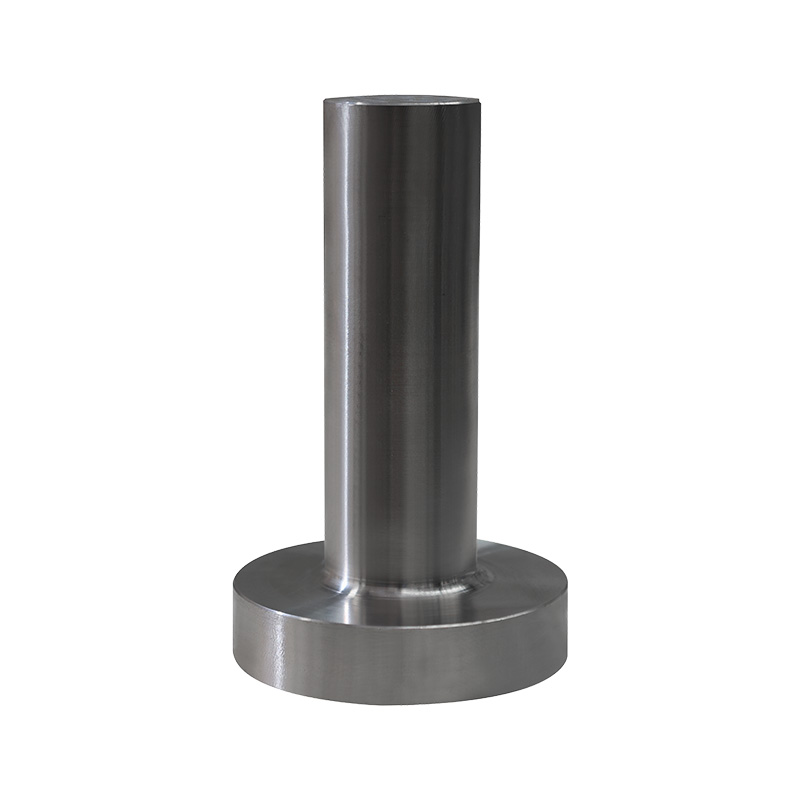
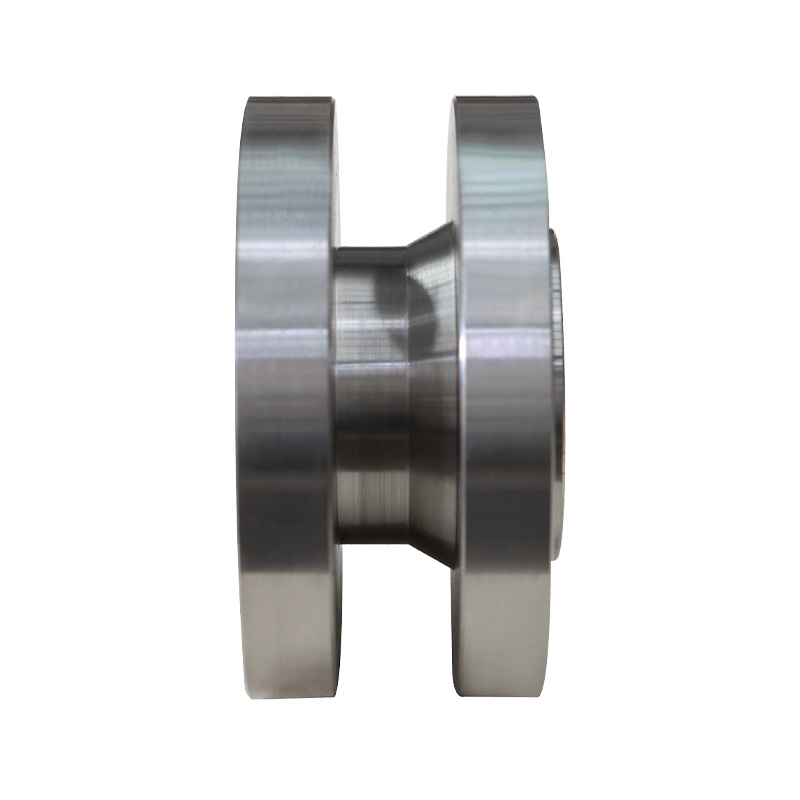
 Oil and Gas Petrochemical Forgings Manufacturer, Supplier, FactoryAs a China OEM/ODM oil and gas petrochemical forgings supplier and Oil and oil and gas petrochemical forgings company, Jiangyin Xinyu For...View Product →
Marine Engineering
For boat fittings, deck hardware, shafts and structural brackets in normal coastal conditions, 316L is the economical default. For permanently immersed components, propeller shaft seals, and equipment on vessels that operate in warm or polluted harbors, 904L offers the margin that avoids pitting failure. Naval architects usually decide this based on the minimum expected water temperature and chloride load.
Valves and Flow Control
Valve bodies, bonnets, discs and stems see the harshest conditions in a plant because they are often the first components to suffer erosion and corrosion. 316L is perfectly adequate for water, steam and mild chemical duty. 904L valve trim is reserved for severe chloride and acid services where a leaking valve would cause a safety or production crisis. If you want to understand how these parts are produced and inspected, read our explanation of valve parts forgings in industrial applications, then look at how custom stainless steel valve forgings are manufactured from both grades.
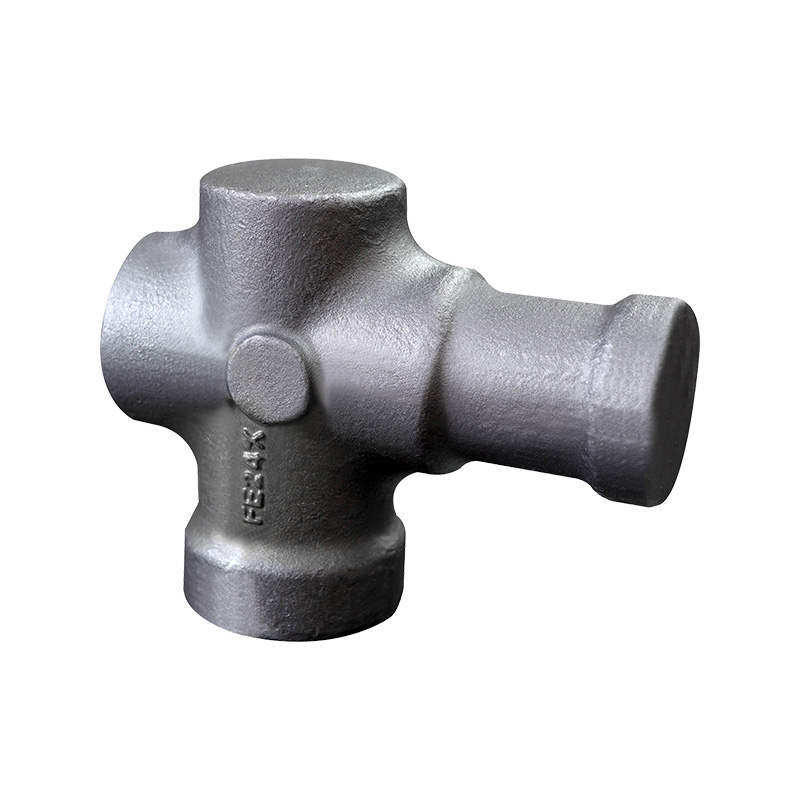
Custom Valve Parts Forgings Manufacturer, Supplier, FactoryJiangyin Xinyu Forging Co., Ltd is China OEM/ODM valve parts forgings manufacturer and valve parts forgings company, We professional whol...View Product →
Mining and Mineral Processing
Slurry handling and froth flotation circuits use 316L because it resists abrasive wear combined with mild corrosion. The situation changes when the plant processes copper, uranium or nickel ore with acidic leach solutions. Those circuits present the same sulfuric acid and chloride combination that 904L was designed for, so mining machinery forgings are now routinely requested in 904L for leach plant pumps, valves and agitators.
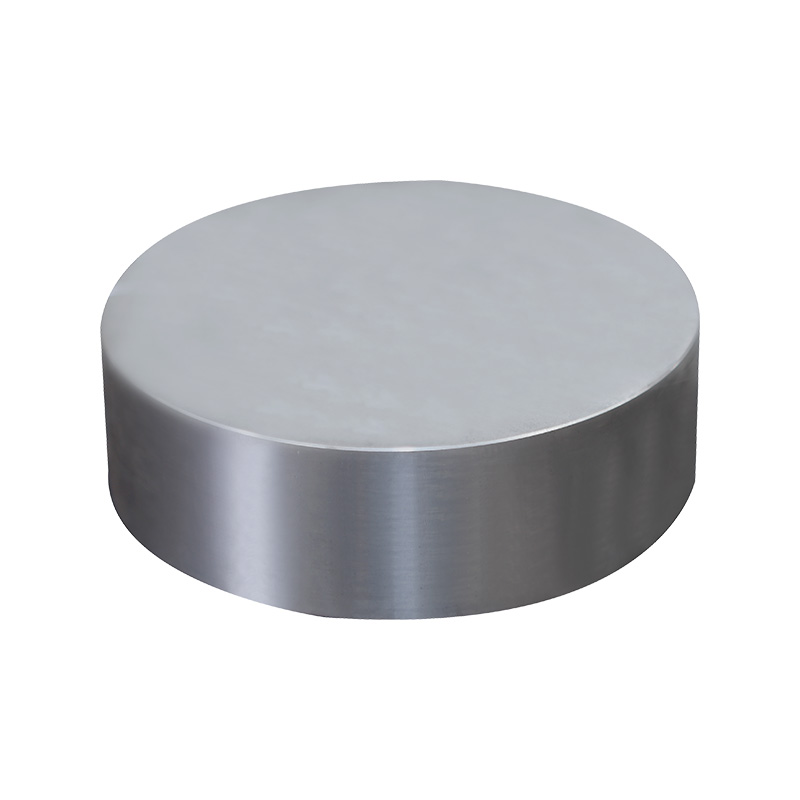
Custom Mining Machinery Forgings Manufacturer, Supplier, FactoryJiangyin Xinyu Forging Co., Ltd is China OEM/ODM mining machinery forgings manufacturer and mining machinery forgings company, We special...View Product →A Practical Selection Framework
If you are specifying a forged component today, work through this matrix in the order listed. It will point you to the correct grade in less than a minute.
| Service condition | Recommended grade | Reason |
|---|---|---|
| Fresh water, steam, dry gas piping | 316L | Lowest cost, fully adequate |
| Ambient seawater, non-immersed | 316L | Good resistance with routine maintenance |
| Warm seawater, splash zone, brine | 904L | Superior pitting and crevice resistance |
| Sulfuric acid above 5% concentration | 904L | Copper plus high nickel content |
| Food, beverage, pharmaceutical | 316L | Cost effective, easily cleaned |
| Acidic mine leach circuits | 904L | Resistant to reducing acids and chlorides |
Choose 316L When
- The medium is water, steam, air, food or mild chemical service.
- Chloride levels are below roughly 200-300 mg/L and temperatures are moderate.
- The component is easy to access, easy to replace and not safety-critical.
- Budget constraints dominate the procurement decision.
Choose 904L When
- The service involves seawater, brine, chlorides or acidic process streams.
- Shutdown and replacement costs are high because the equipment is remote or central to production.
- Design life is long, typically 20 years or more.
- The process fluid is sulfuric or phosphoric acid in practical concentrations.
Frequently Asked Questions
The answers below cover the most common questions we receive from engineers and buyers comparing these two grades for forged parts.
Q1. How much more expensive is 904L than 316L?
In raw material terms, 904L typically costs three to four times more than 316L. After accounting for longer machining time and reduced tool life, a finished forged and machined 904L component can be four to five times more expensive than the same part in 316L. The exact ratio moves with the nickel price.
Q2. Which grade is better for seawater service?
904L is better for immersed or splash-zone seawater exposure, especially in warm water or polluted harbors where chlorides and biofilms concentrate. 316L is acceptable for ambient-temperature, low-flow seawater with a corrosion allowance, but it will pit over time. For a once-in-25-year access window, choose 904L.
Q3. Is 904L harder and more scratch-resistant than 316L?
No meaningful hardness difference exists. Both grades sit at roughly 217-220 HBW maximum in the annealed condition. The impression that 904L scratches more easily comes from consumer watch forums and relates to how the higher nickel content polishes, not to physical hardness. In industrial components, the wear behavior of the two grades is essentially the same.
Q4. Can 904L replace 316L without redesigning the component?
Usually yes, and the higher yield strength of 904L means thick sections can often be reduced. However, density and thermal expansion differ slightly, so re-verify bolting loads, gasket seating and thermal stresses if the component flanges or bolts to existing equipment. Also confirm the welding consumables are updated to the 904L matching grade.
Q5. Is 904L magnetic?
No. Both 316L and 904L are fully austenitic in the annealed condition and are essentially non-magnetic. Cold work can induce slight magnetic response in 316L and, to a lesser degree, in 904L, but neither behaves like a martensitic or duplex grade.
Q6. Which grade handles sulfuric acid better?
904L, clearly. 316L is limited to very dilute and cold sulfuric acid solutions. 904L handles a much wider range of concentrations and temperatures because its copper addition suppresses corrosion in reducing acids. For concentrated hot sulfuric acid, even 904L is not enough and a higher alloy such as a molybdenum-enriched super austenitic or nickel-base alloy is required.
Q7. Is the watch industry's use of 904L relevant to industrial forgings?
Only as background. A prominent Swiss watchmaker moved its cases to 904L in the 1980s, which popularized the grade name. The metallurgical reasons and the material properties are identical to what industrial users rely on, but the performance requirements of a watch case are far less demanding than a chemical valve or a seawater heat exchanger. Judge the grade on its corrosion data, not on its marketing history.
.article-section table{display:table!important;} .article-section thead{display:table-header-group!important;} .article-section tbody{display:table-row-group!important;} .article-section tr{display:table-row!important;} .article-section th{display:table-cell!important;} .article-section td{display:table-cell!important;} .article-section table{text-align:center;border-collapse:collapse;width:100%;font-size:16px;margin-bottom:15px;line-height:1.8;} .article-section caption{caption-side:bottom;font-size:16px;margin-bottom:12px;font-style:italic;color:#808080;} .article-section h2{font-size:22px;font-weight:bold;text-align:left;margin-bottom:15px;line-height:1.5;} .article-section h3{font-size:16px;font-weight:bold;text-align:left;margin-bottom:15px;line-height:1.8;} .article-section p{font-size:16px!important;margin-bottom:15px;line-height:2;text-align:left;color:#333333;} .article-section ul{margin-bottom:15px;list-style-type:disc;list-style-position:inside;padding-left:0;} .article-section ol{margin-bottom:15px;list-style-type:decimal;list-style-position:inside;padding-left:0;} .article-section li{list-style:inherit;font-size:16px;margin-bottom:5px;line-height:2;} .article-section a{word-break:break-word;}