

 英语
英语 德语
德语 阿拉伯语
阿拉伯语

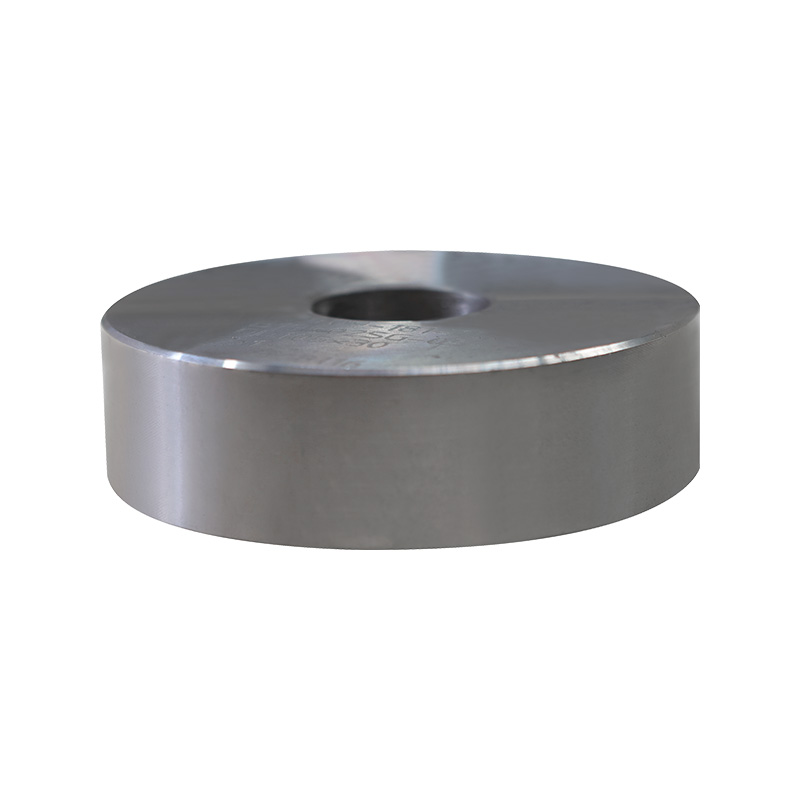
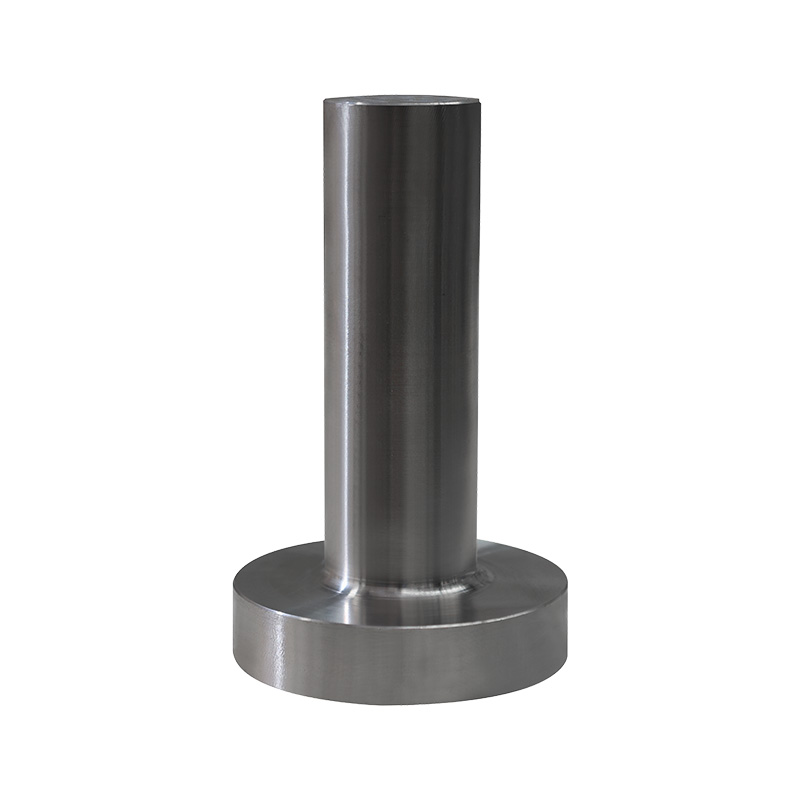
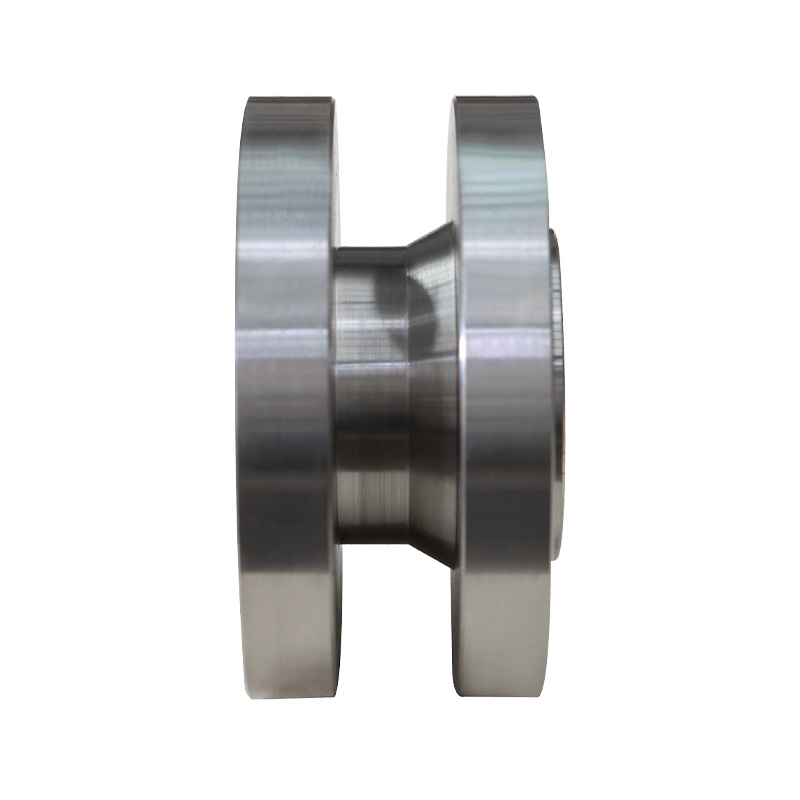
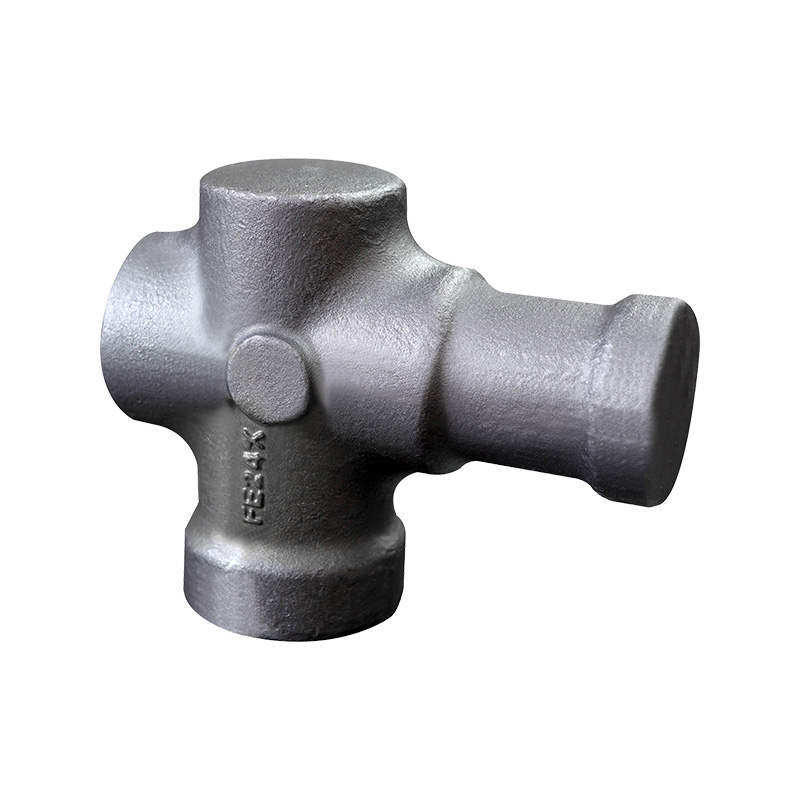
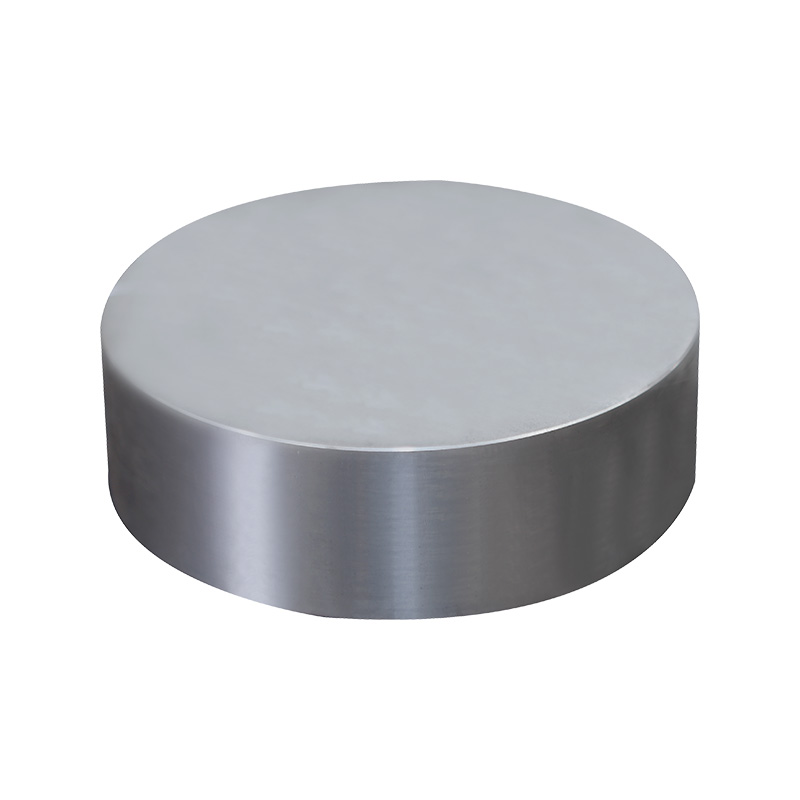
Technical Features and Specifications
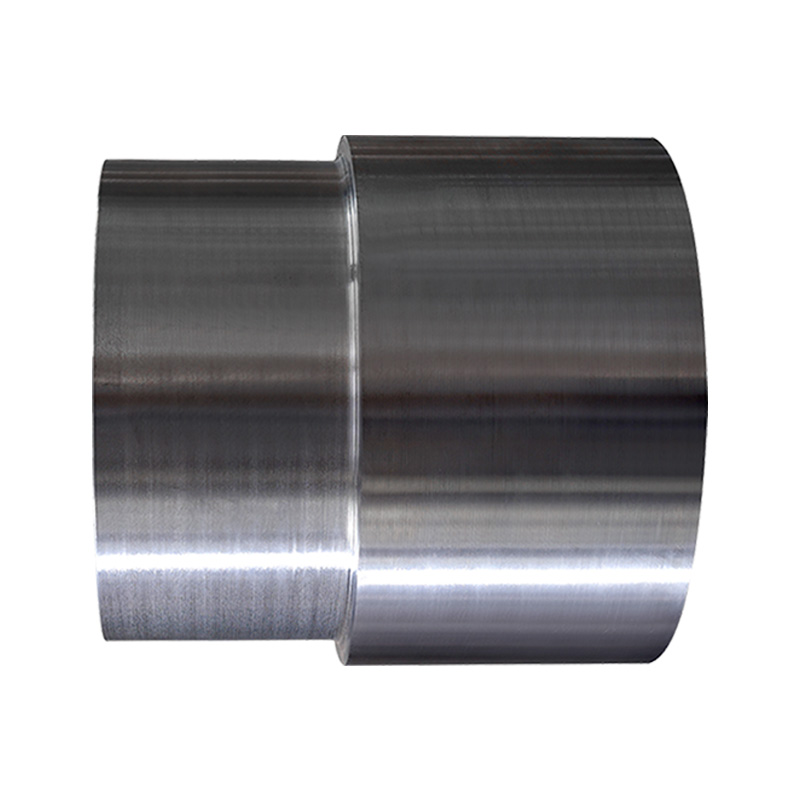
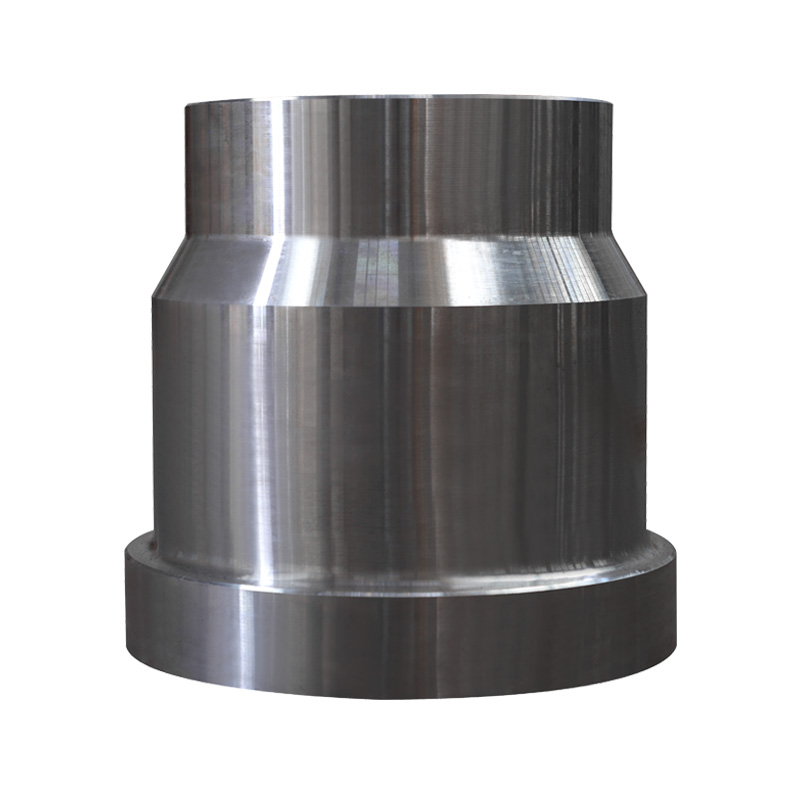
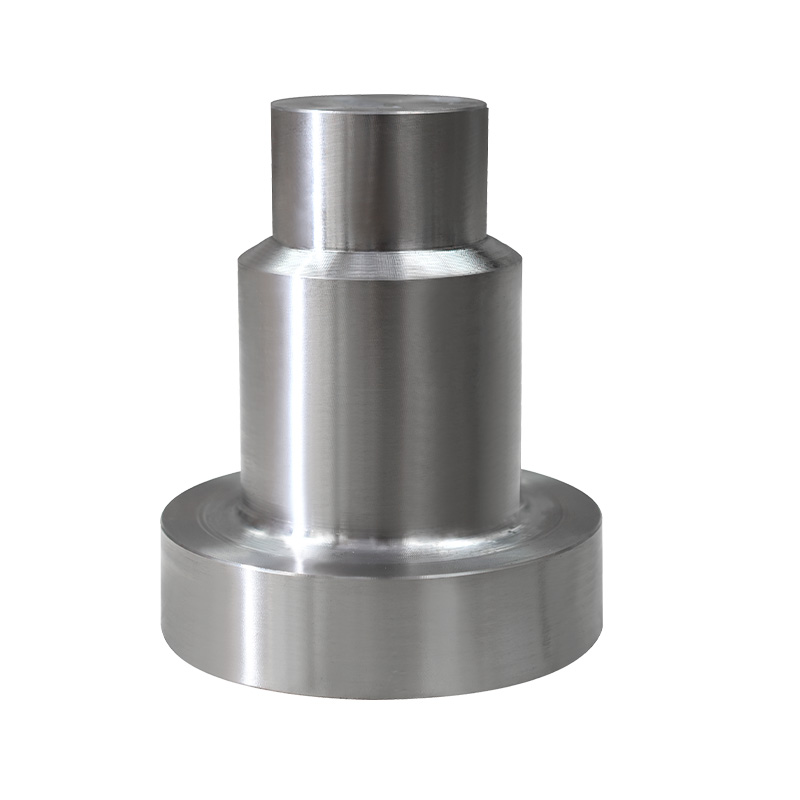
Forged caps must meet strict dimensional and material standards to ensure safety in pressurized systems.
| Feature | Requirement Detail |
|---|---|
| Design Standards | ASME B16.11, MSS SP-75, ASME B16.9 |
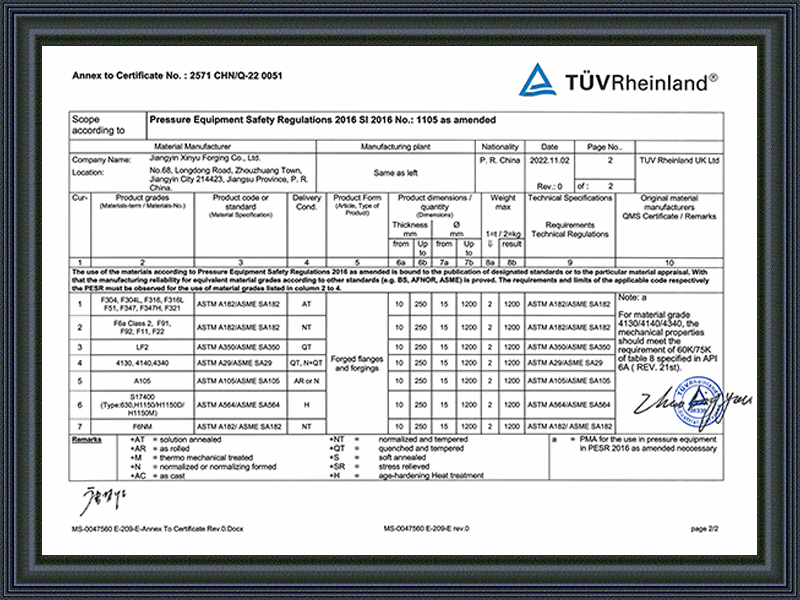
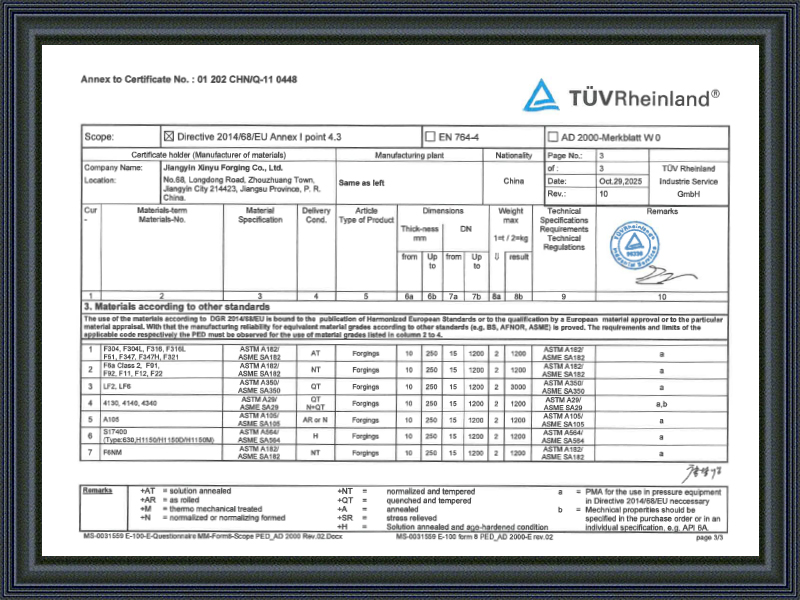
| Material Grades | ASTM A105, A350 LF2, F304/316L, F51 Duplex |
| Pressure Classes | 2000lb, 3000lb, 6000lb, and 9000lb |
| Connection Types | Socket Weld (SW) and Threaded (NPT/BSPT) |
Every forged cap is precision-machined to ensure that the threads or socket depths meet international tolerances. For socket weld variants, the internal bore is smooth to prevent turbulence and sediment buildup at the pipe end. Material selection is tailored to the environment; for example, low-temperature carbon steel (A350 LF2) is used for arctic pipelines, while stainless steel (F316L) is selected for corrosive chemical lines. All parts undergo hydrostatic testing to ensure zero-leak performance.
-
 Development Conceptscientific and technological innovation as the driving force.
 -
 Quality PolicyPeople, integrity, truth-seeking, innovation
 -
 Core ValueCommon development to achieve symbiosis and win-win.
Selection and Procurement Strategies
When procuring forged pipe caps for industrial projects, technical compatibility with the existing piping schedule is the priority:
- Match the Pipe Schedule: Ensure the cap’s wall thickness (Schedule 40, 80, 160, or XXS) matches the mating pipe to allow for proper weld penetration and stress distribution.
- Corrosion Allowance: In aggressive media, choose a forging with a specified corrosion allowance or select a high-alloy material to ensure the cap doesn't fail prematurely.
- Thread Integrity: For threaded systems, verify that the threads are NPT (National Pipe Thread) or as specified to prevent "cross-threading" during high-pressure installation.
- NDT Verification: For critical service, request Magnetic Particle Inspection (MPI) to ensure the forged dome of the cap is free of any surface cooling cracks.
Always verify the "Heat Code" on the forging to ensure full traceability to the original mill test report (MTR).
Advantages of Forged Construction
Forged pipe caps offer significant safety and longevity benefits compared to cast or plate-welded alternatives.
| Advantage | Impact on Pipeline Performance |
|---|---|
| Impact Resistance | Absorbs fluid hammer and pressure surges without cracking. |
| Uniform Density | No risk of internal porosity, which is vital for high-vacuum and high-pressure gas. |
| Dimensional Stability | Threads and socket dimensions remain stable under thermal cycling. |
| Weldability | Lower carbon equivalency in forgings ensures easier, crack-free field welding. |
The primary advantage is the "Safety Factor." In a dead-leg of a piping system, pressure pulses can be amplified; the dense, forged grain structure acts as a superior containment barrier. This reliability reduces the risk of blowouts at the pipe terminus, protecting both the facility and the personnel. Additionally, the smooth external finish of the forging allows for easier application of protective coatings and insulation.
Primary Industrial Applications
Forged caps are used wherever a pipe run needs to be safely terminated or expanded in the future.
| Industry | Specific Use Case |
|---|---|
| Oil & Gas | Sealing of test headers and manifold bypass lines. |
| Steam Power | Termination of high-pressure boiler blowdown lines. |
| Chemical Plants | Capping of reactor sampling ports and chemical feed lines. |
| Hydraulic Power | Sealing of main pressure lines in industrial press systems. |
In large-scale refineries, these caps are often used on "spares" within a manifold, allowing for future system expansions without needing to drain the entire circuit. Their ability to maintain a seal under the most aggressive vibration and temperature swings makes them a staple of industrial piping engineering.
- Q: Can a pipe cap be reused after removal?
- A: Threaded caps can often be reused if the threads are undamaged and a new sealant is applied. Socket weld caps must be cut off and replaced with a new forging.
- Q: What is the difference between a cap and a plug?
- A: A cap fits over the outside of the pipe end, while a plug (like a hex plug) fits inside a threaded fitting. Caps are generally preferred for higher-pressure pipe terminations.