

 英语
英语 德语
德语 阿拉伯语
阿拉伯语

Technical Features and Specifications
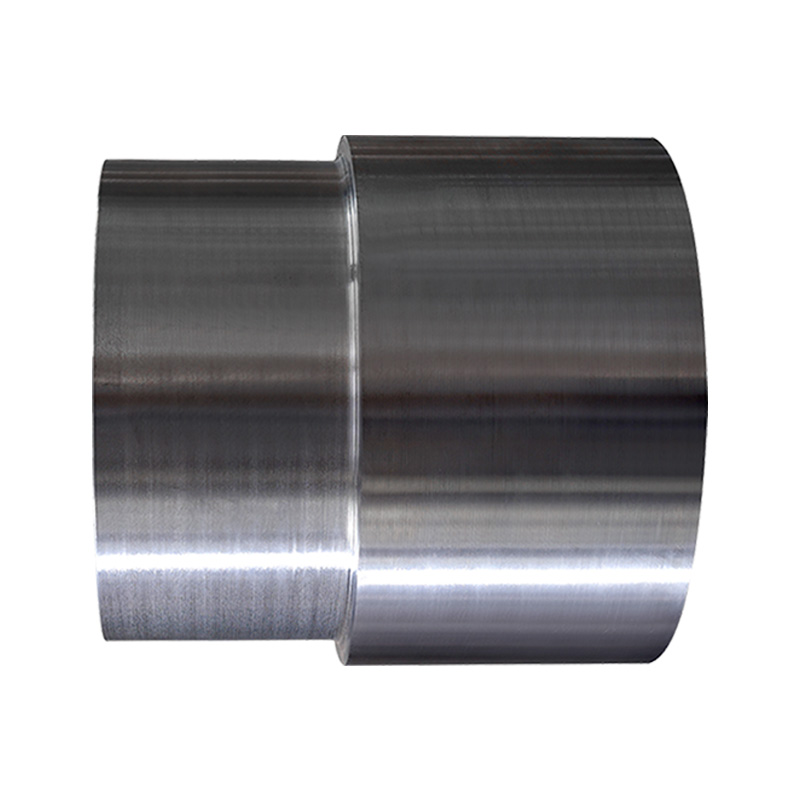
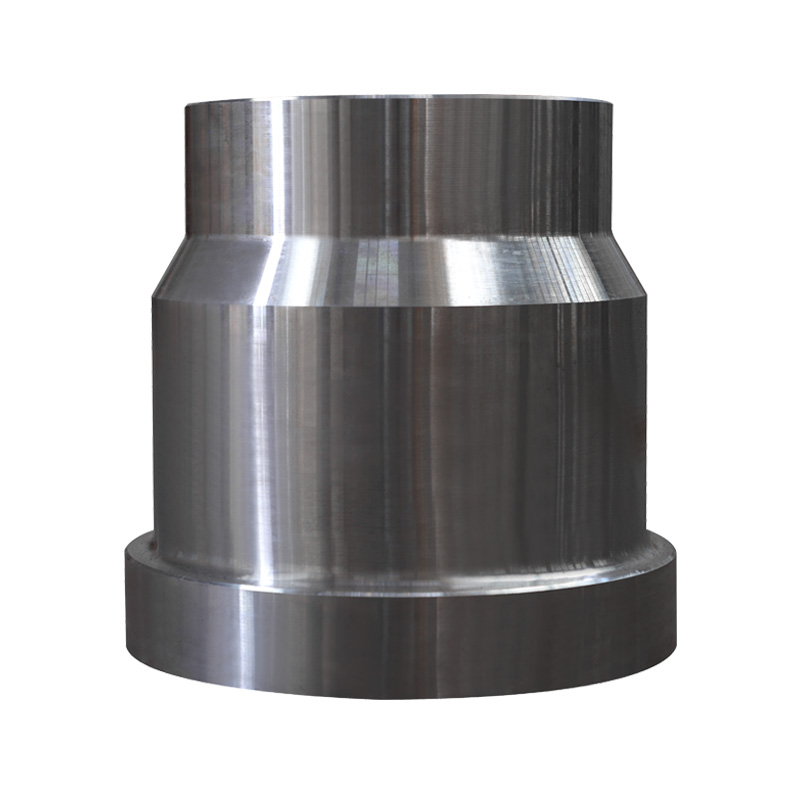
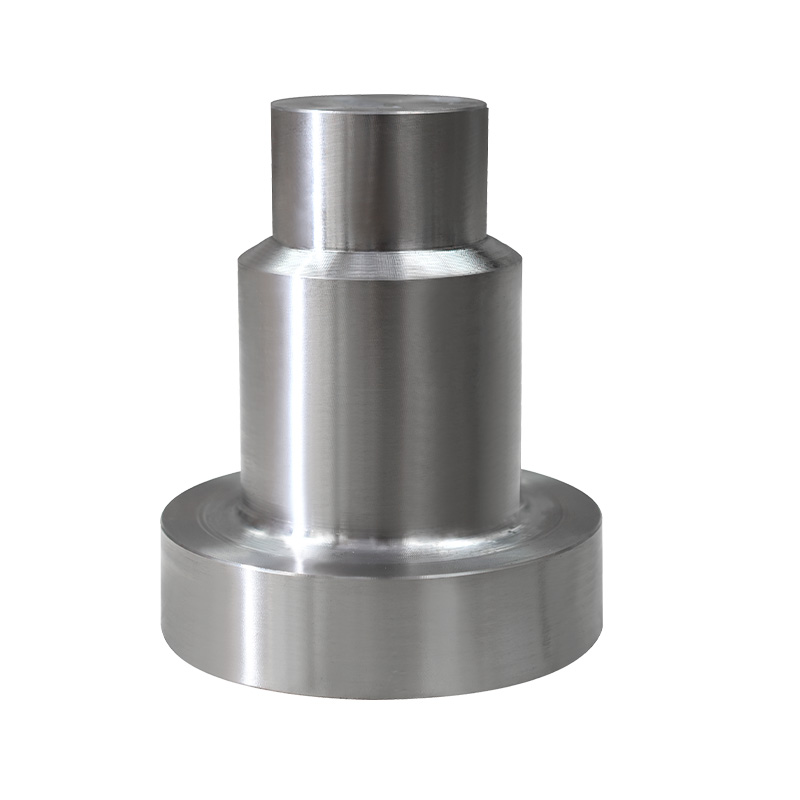
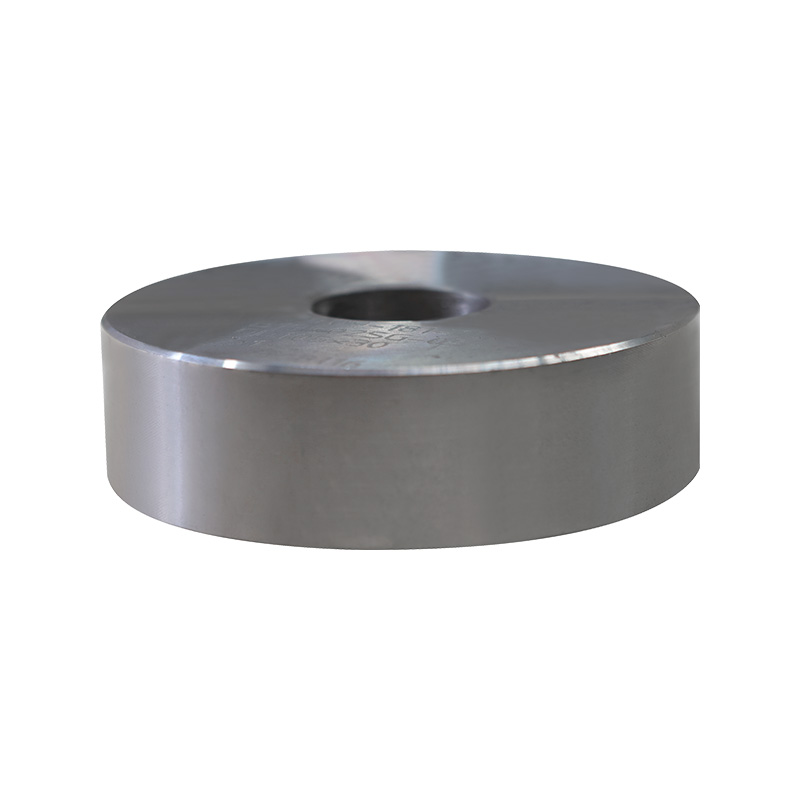
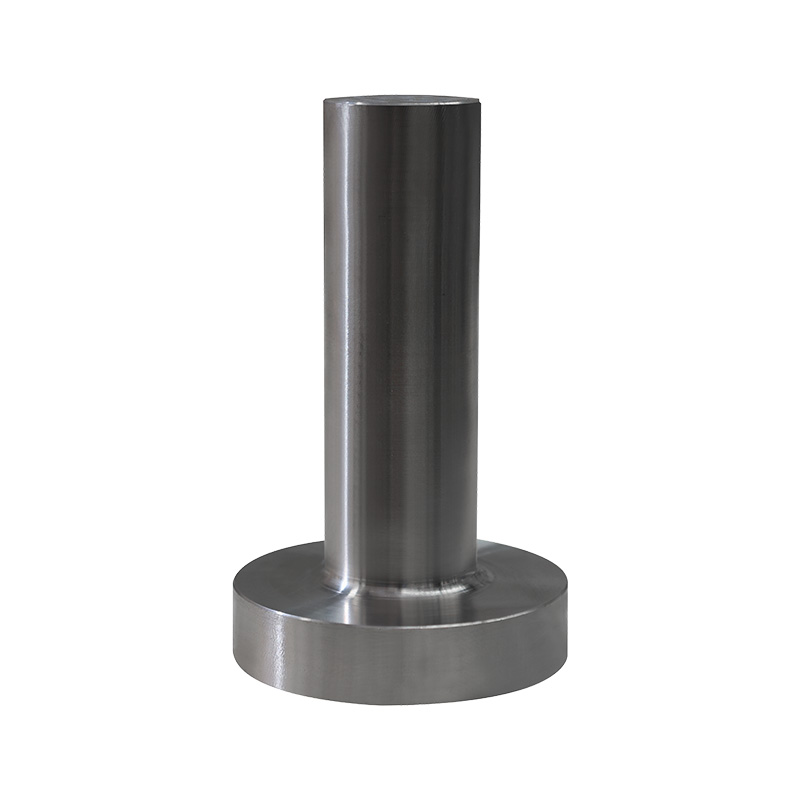
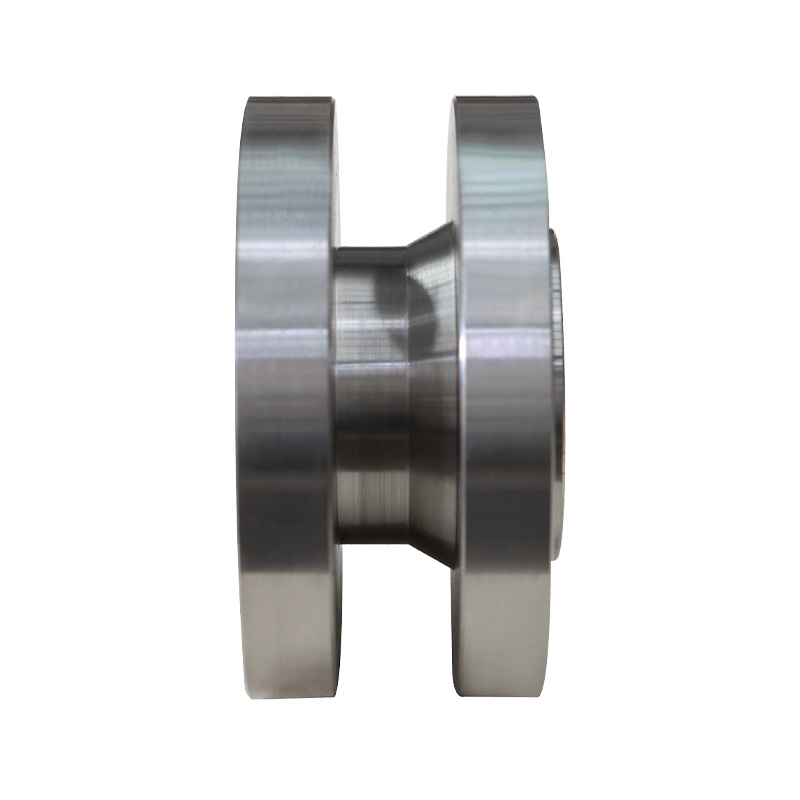
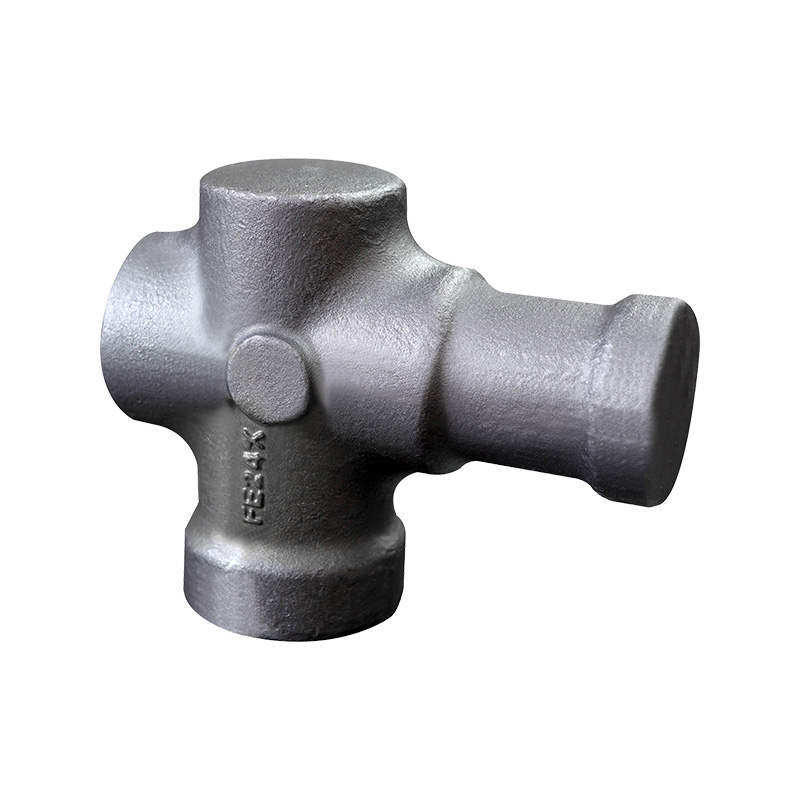
Forged spools are manufactured to meet precise lengths and pressure-retaining requirements.
| Feature | Specification Detail |
|---|---|
| Design Code | API 6A, ASME B16.5, ASME B31.3 |
| Body Types | Integral Forged, Adapter Spools, Spacer Spools |
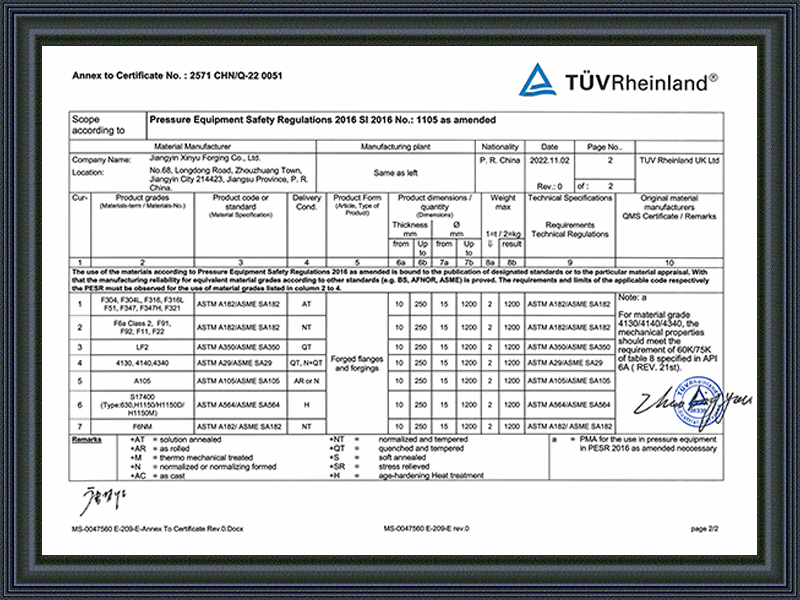
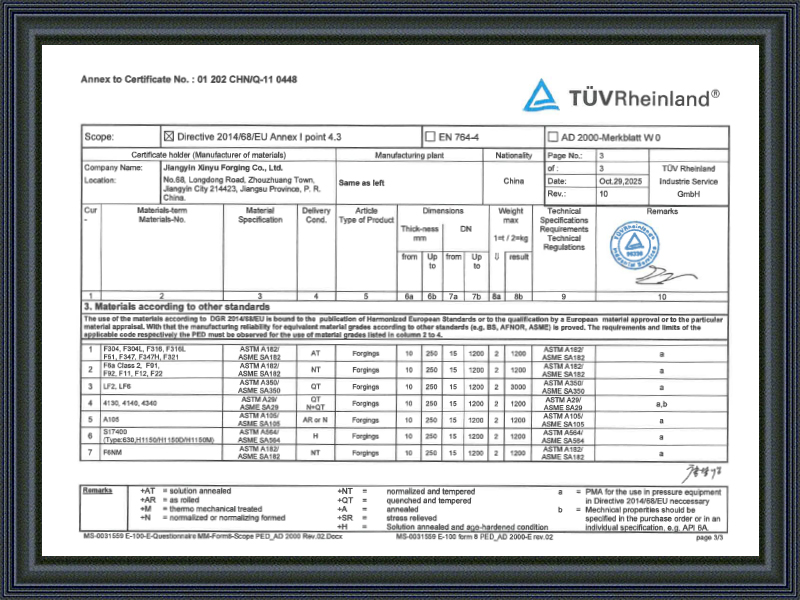
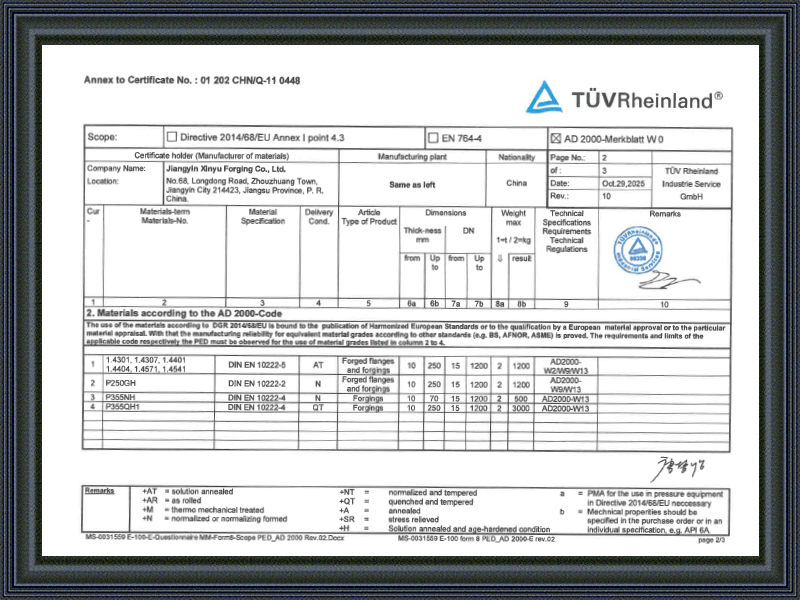
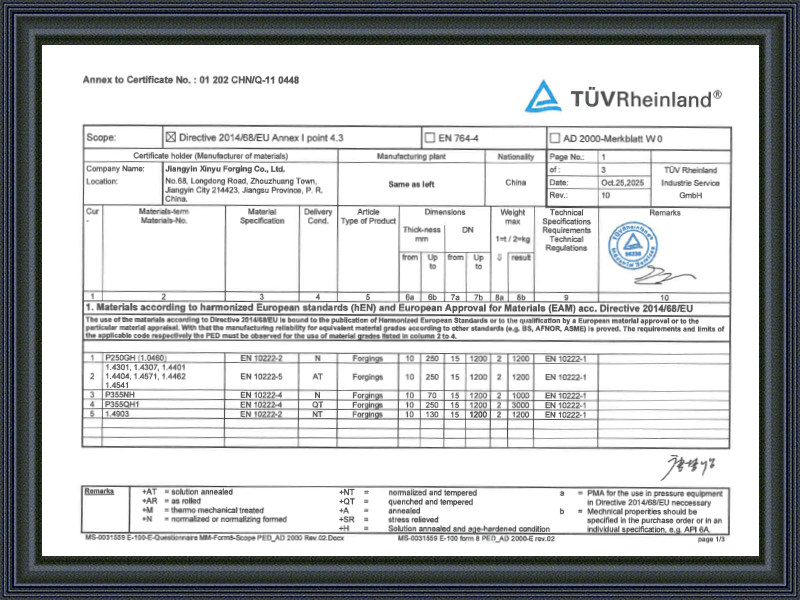
| Material Grades | 4130, 8630, F316L, A350 LF2 |
| Pressure Rating | 2,000 to 15,000 PSI Working Pressure |
Integral forged spools are the gold standard for high-pressure safety. Because there is no weld between the flange and the pipe body, there is zero risk of weld-seam failure. For "Adapter Spools" that connect different flange sizes, the internal taper is precision-machined to ensure smooth flow. Every spool is subjected to hydrostatic testing and non-destructive examination (NDE) to verify that the internal bore and flange faces are free of any forging laps or surface defects.
-
 Development Conceptscientific and technological innovation as the driving force.
 -
 Quality PolicyPeople, integrity, truth-seeking, innovation
 -
 Core ValueCommon development to achieve symbiosis and win-win.
Procurement Tips for Spool Assemblies
When sourcing pressure spools, dimensions and material compatibility are the primary concerns:
- Face-to-Face Length: Precision is key. For modular "skids," specify a length tolerance of +/- 1mm to ensure everything aligns perfectly during assembly.
- Integral vs. Welded: For pressures above 5,000 PSI, always prioritize "Integral Forged" spools over welded-neck designs for maximum structural safety.
- Instrument Ports: If the spool requires ports for pressure gauges or sensors, ensure they are "Forged-in" or utilizes forged "O-lets" to maintain pressure integrity.
- NACE Compliance: For sour gas wells, ensure the spool material is heat-treated to meet NACE MR0175 hardness limits (usually <22 HRC).
Advantages of Integral Forging
The use of integral forged spools provides a level of structural security that is unmatched by fabricated pipe spools.
| Advantage | Operational Benefit |
|---|---|
| No Weld Hazards | Eliminates the need for X-raying and weld-heat-treatment. |
| High Load Bearing | Easily supports the weight of heavy "Christmas Tree" valves. |
| Compact Design | Allows for shorter face-to-face dimensions than welded assemblies. |
| Fatigue Resistance | Superior handling of the vibration from high-velocity gas. |
In offshore "Subsea Manifolds," forged spools are used to connect different modules of the production system. Because these spools must last 20+ years on the ocean floor without maintenance, the monolithic nature of the forging is their greatest asset. There are no welds to corrode and no seams to fail, making them the most reliable choice for deepwater energy production.
Critical Oilfield Applications
Forged pressure spools are essential for wellhead control and fluid distribution.
| Application | Usage Context |
|---|---|
| Wellhead Spacers | Adjusting the height of the Christmas Tree for rig access. |
| BOP Spools | Connecting the blowout preventer to the casing head. |
| Flowback Manifolds | Handling high-pressure fluid during well testing. |
| Frack Manifolds | Distributing high-pressure water/sand during stimulation. |
In hydraulic fracturing operations, these spools are subject to intense abrasive wear and pressure pulses. Forged 4130 steel spools provide the necessary surface hardness and core toughness to survive these high-intensity cycles, ensuring the safety of the frack site and preventing environmental incidents.
- Q: What is an "Adapter Spool"?
- A: An adapter spool has different flange sizes or pressure ratings on each end, allowing for the connection of mismatched equipment within the same piping system.
- Q: Why is "Integral" better for high pressure?
- A: An integral spool is forged from a single piece of steel, meaning there are no welds. Welds are typically the points where fatigue cracks start under extreme pressure.