

 英语
英语 德语
德语 阿拉伯语
阿拉伯语

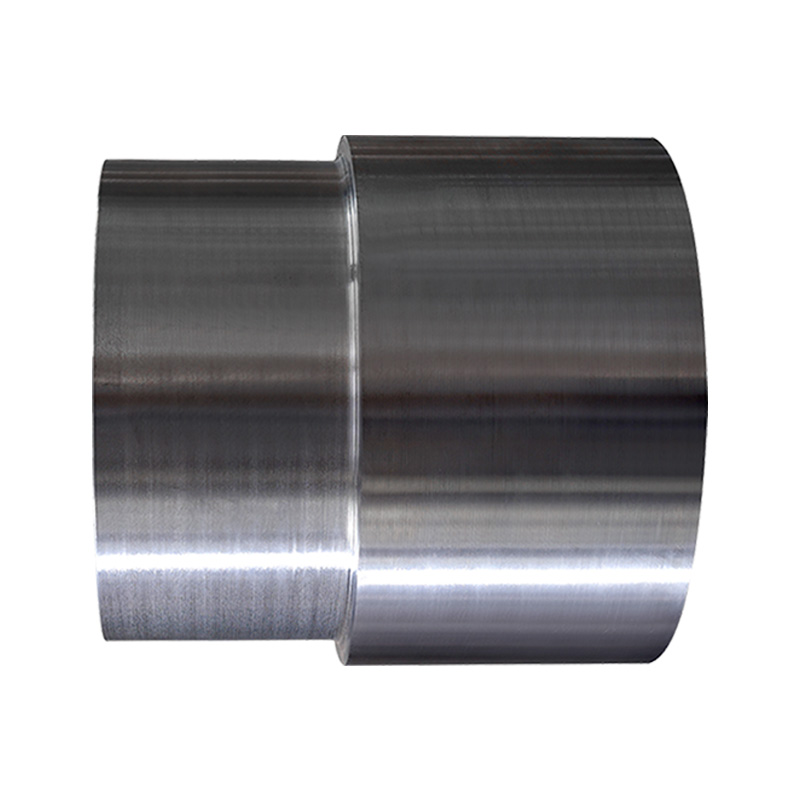
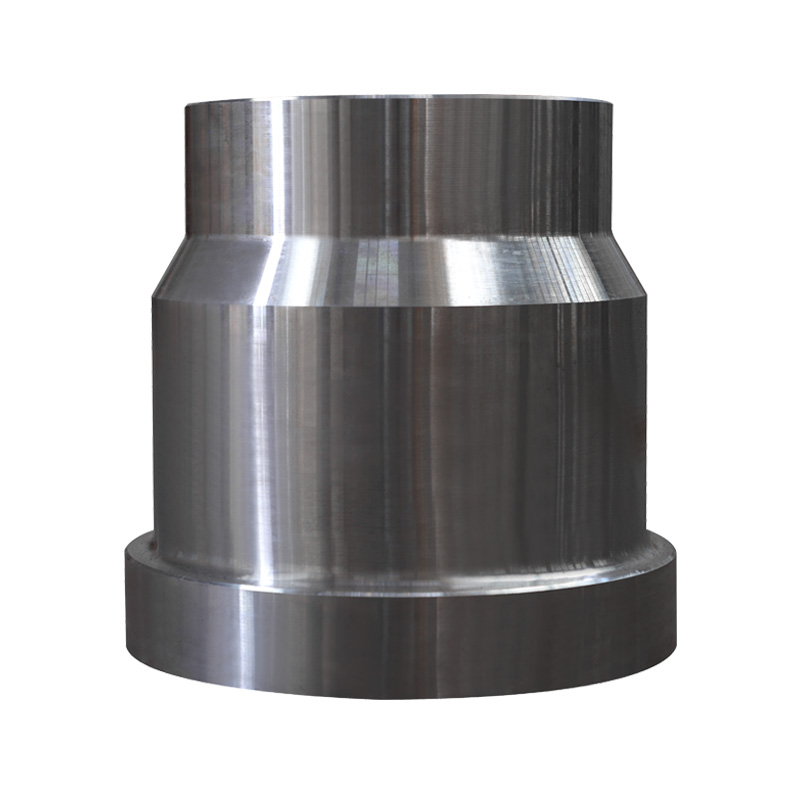
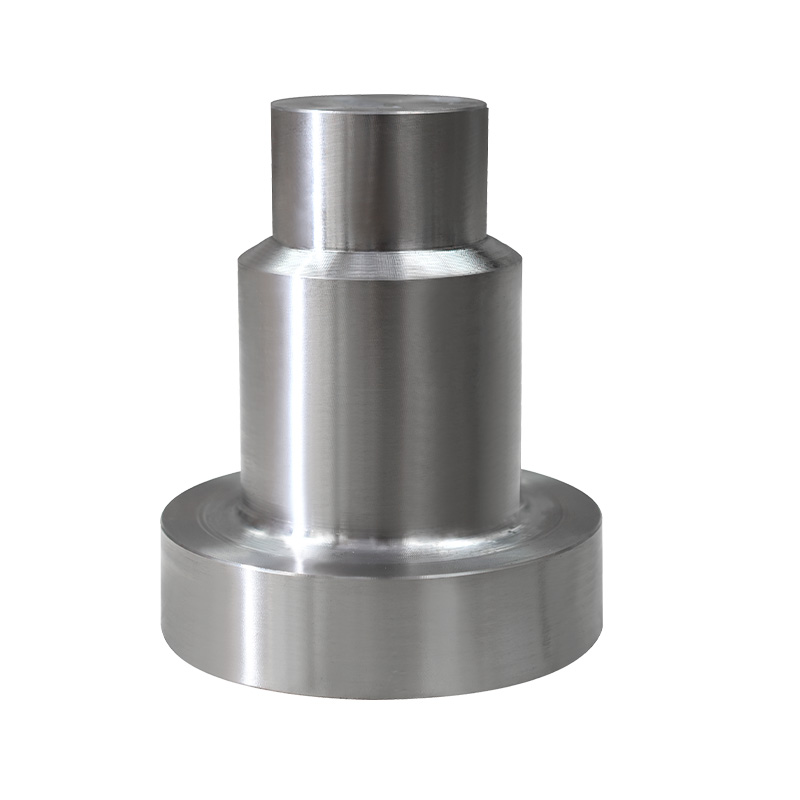
Technical Features and Specifications
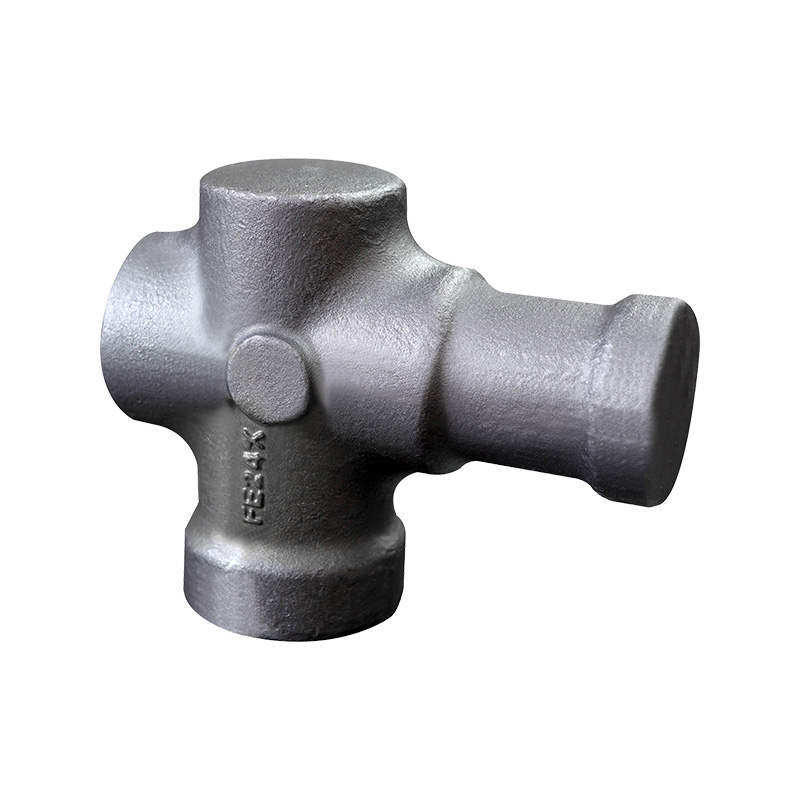
Forged elbows are engineered to maintain structural integrity and flow efficiency under the most aggressive conditions.
| Feature | Specification Detail |
|---|---|
| Angles | 90°, 45°, 180° (Return Bends). |
| Radii | Long Radius (1.5D) and Short Radius (1.0D). |
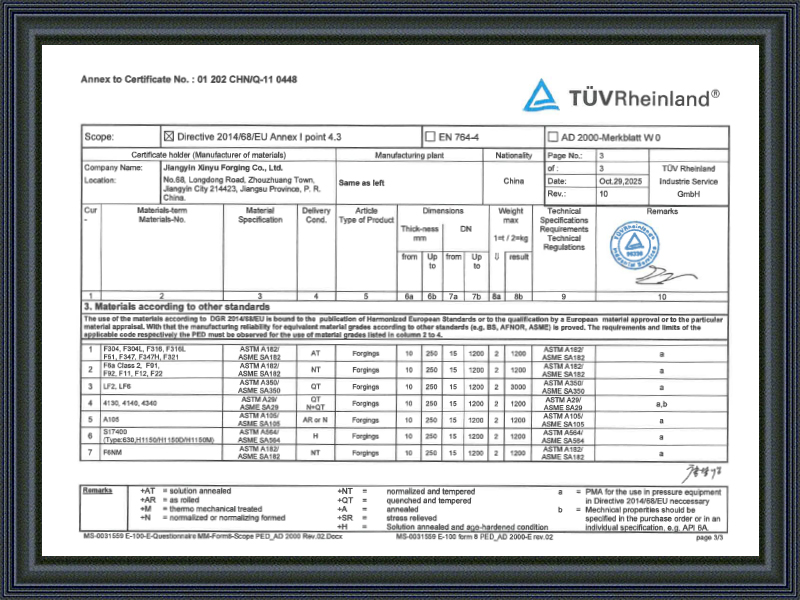
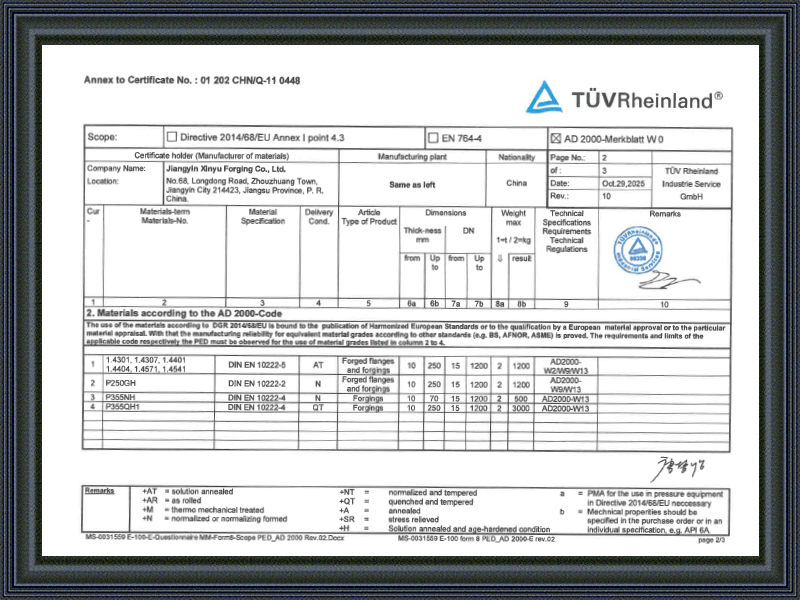
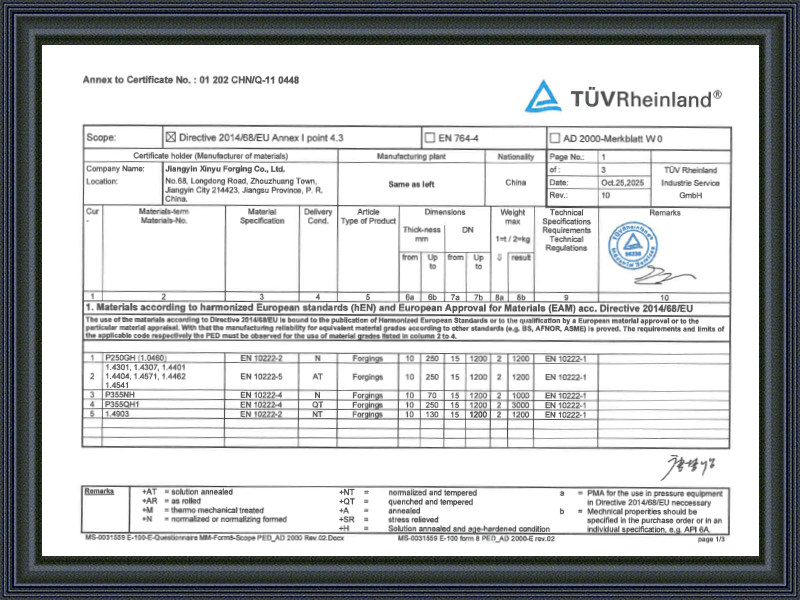
| Materials | A105, A182 F11/F22/F91, F304L/F316L, F51 Duplex. |
| Compliance | ASME B16.9, ASME B16.11, DIN 2605. |
Every forged elbow is precision-machined at the ends for a perfect weld preparation (e.g., V-bevel) or socket fit. For high-temperature applications, we use creep-resistant alloys like F91, which are subjected to specialized heat treatment cycles to ensure they can handle steam temperatures exceeding 500°C. Non-destructive testing, including Ultrasonic (UT) and Radiographic (RT) testing, is standard to ensure that the "heel" of the elbow is free of any forging defects or thinning.
-
 Development Conceptscientific and technological innovation as the driving force.
 -
 Quality PolicyPeople, integrity, truth-seeking, innovation
 -
 Core ValueCommon development to achieve symbiosis and win-win.
Selection and Procurement Tips
When sourcing forged elbows, the radius and the wall schedule are the most critical factors for system performance:
- Long Radius vs. Short Radius: Use Long Radius (1.5D) elbows for most applications as they provide lower pressure drop and less erosion. Use Short Radius (1.0D) only in space-constrained areas like offshore skids.
- Extrados Thickness: For abrasive media (like mining slurries), specify "extra-heavy" wall thickness on the outer radius to provide a longer wear life.
- Vibration Analysis: Ensure the forged elbow is strong enough to handle the "unbalanced forces" that occur when high-velocity fluids change direction suddenly.
- Material Grade: Match the elbow grade to the pipe grade (e.g., F316L for stainless pipe) to ensure compatible corrosion resistance and thermal expansion.
Request a "Wall Thickness Map" if the elbow is being used in critical high-pressure steam service to prove that no thinning occurred during the forging process.
Advantages of Forged Seamless Elbows
Forged elbows provide unmatched reliability in systems where the failure of a bend would lead to a catastrophic shutdown.
| Advantage | Operational Benefit |
|---|---|
| Uniform Strength | Consistent wall thickness prevents localized "blow-through" failures. |
| Fatigue Resistance | Forged grain flow resists the cyclical stress of pump vibration. |
| Smooth Interior | Minimizes turbulence, reducing energy costs and internal erosion. |
| Precision Geometry | Ensures perfect alignment during pipeline construction, reducing weld stress. |
One of the key benefits of a forged elbow is its "Seismic Resistance." In earthquake-prone areas or on ships, piping systems must be able to flex without breaking; the ductility and strength of forged steel allow these elbows to absorb movement much better than brittle cast fittings. Furthermore, the absence of a longitudinal weld seam means there is zero risk of the elbow "splitting" along a seam under extreme pressure surges.
Essential Industry Applications
Forged elbows are the standard for directional changes in all heavy-duty piping networks.
| Industry | Usage Context |
|---|---|
| Nuclear Power | Primary steam and cooling water circuits. |
| Deepwater Oil | High-pressure subsea flowlines and jumpers. |
| Mining Aggregates | Directional changes in high-pressure slurry lines. |
| Aerospace Fueling | High-velocity cryogenic fuel lines for rocket engines. |
In the ultra-supercritical (USC) power plants of today, forged F91 and F92 elbows are the only components capable of handling the incredible heat and pressure of modern steam cycles. Their reliability is what allows these plants to operate at higher efficiencies, reducing carbon emissions while providing stable power to the grid.
- Q: What is a "Return Bend"?
- A: A return bend is a 180-degree forged elbow, commonly used in heat exchangers and boiler coils to reverse the direction of the fluid in a small space.
- Q: Why are forged elbows better than mitered bends?
- A: Mitered bends are made of welded pipe sections; they create massive turbulence and have multiple high-stress weld points. Forged elbows are seamless, smooth, and much stronger.