

 英语
英语 德语
德语 阿拉伯语
阿拉伯语

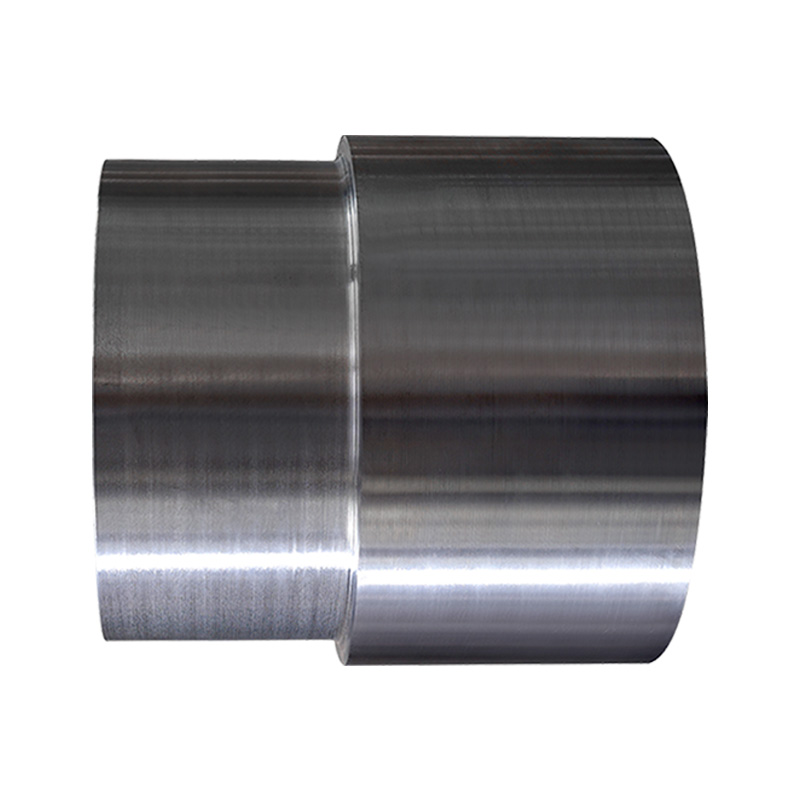
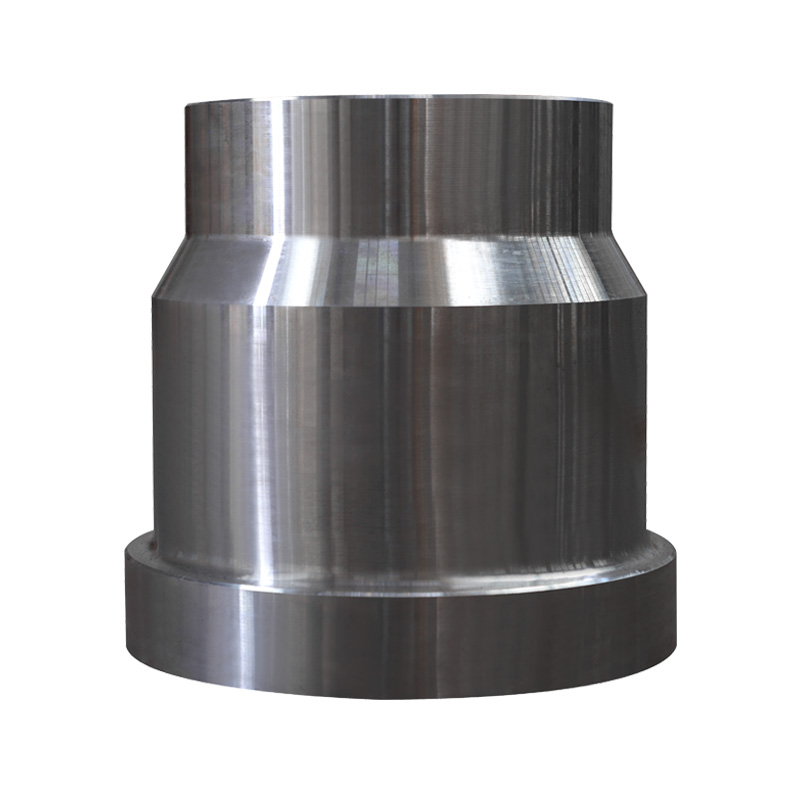
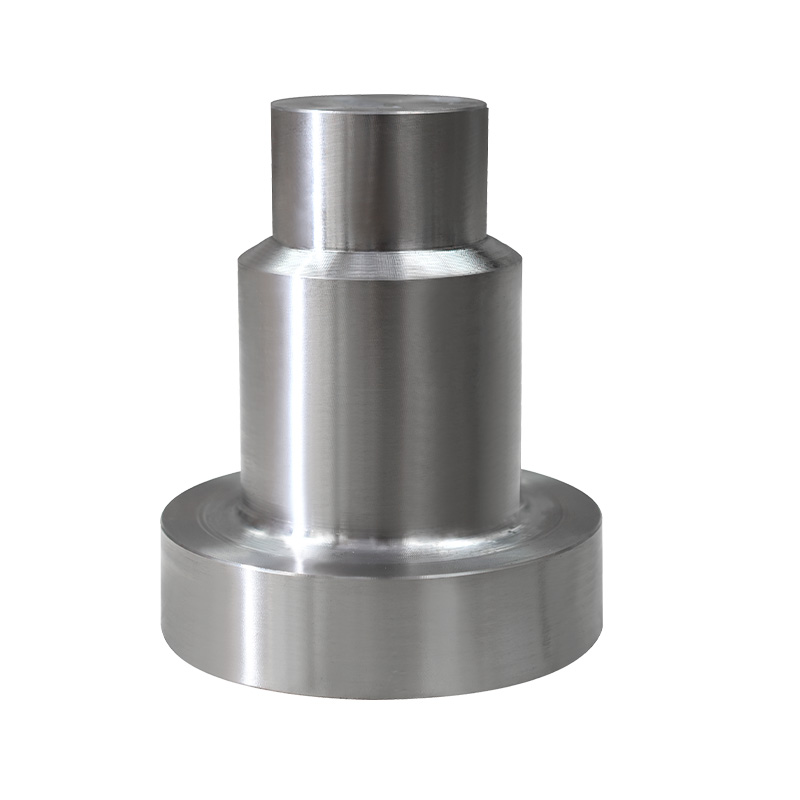
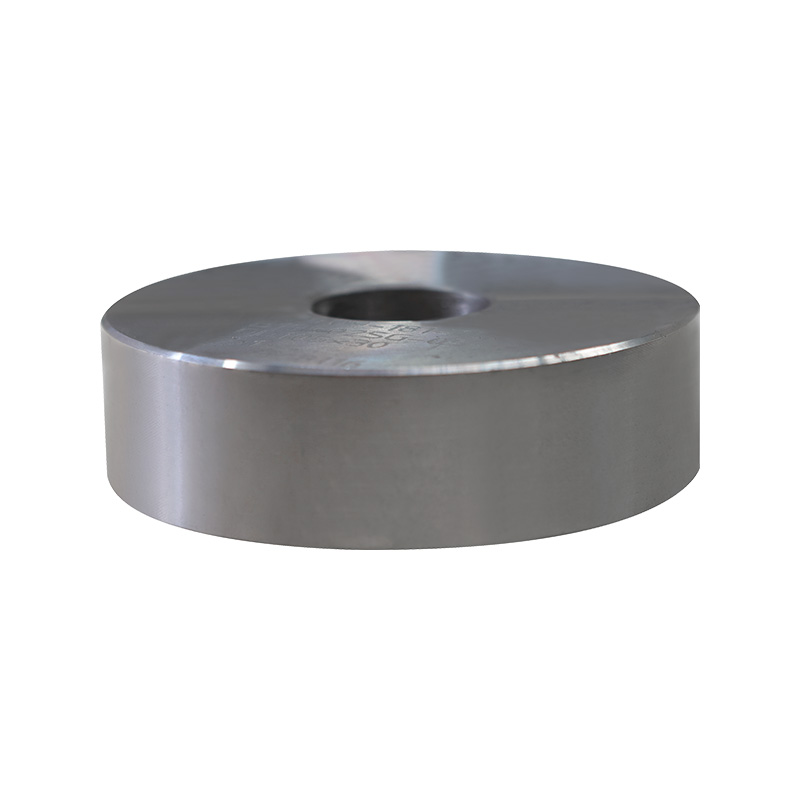
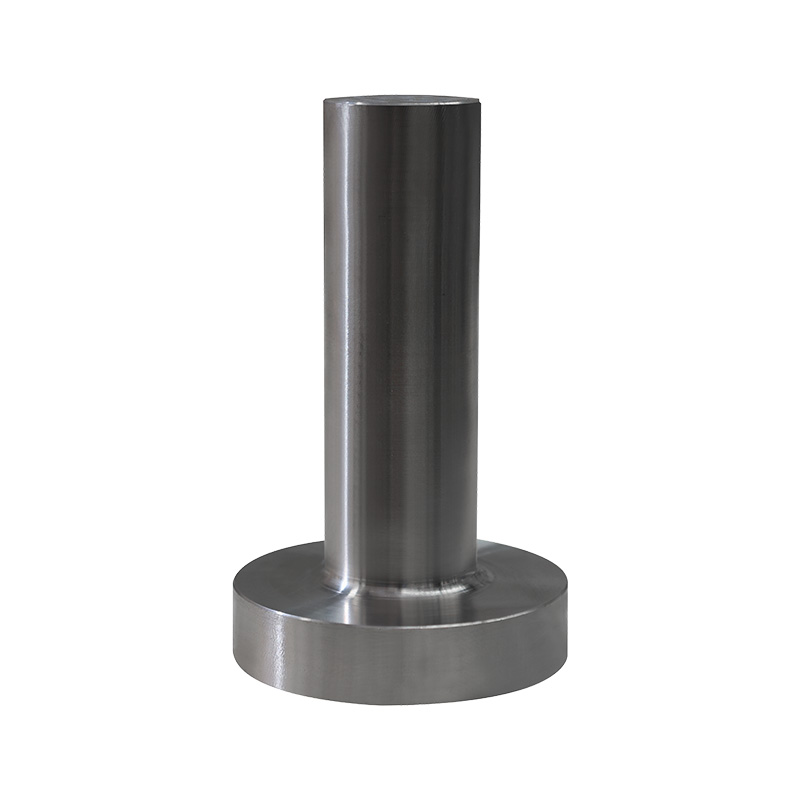
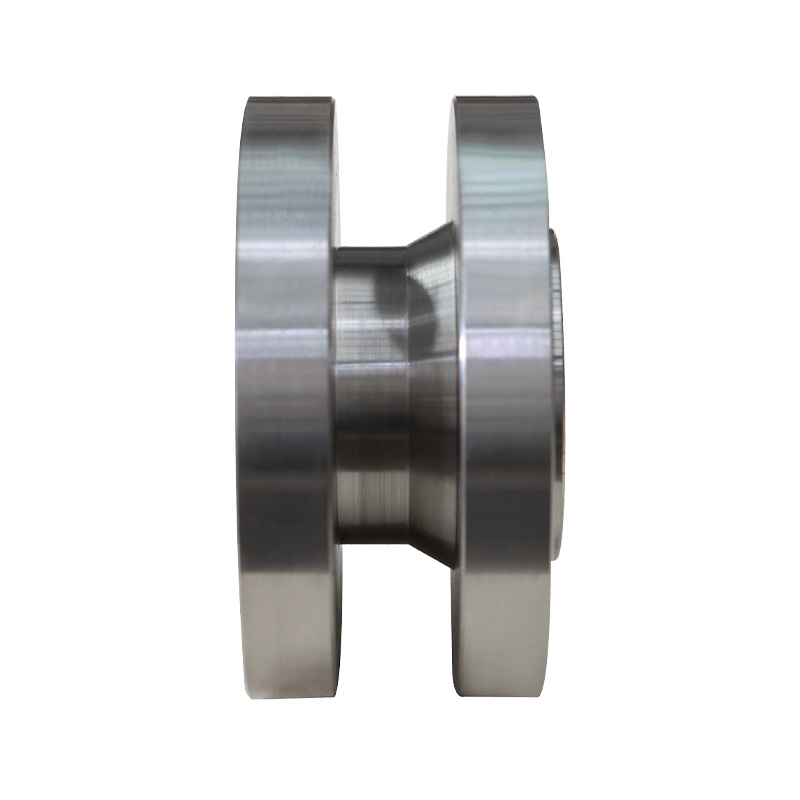
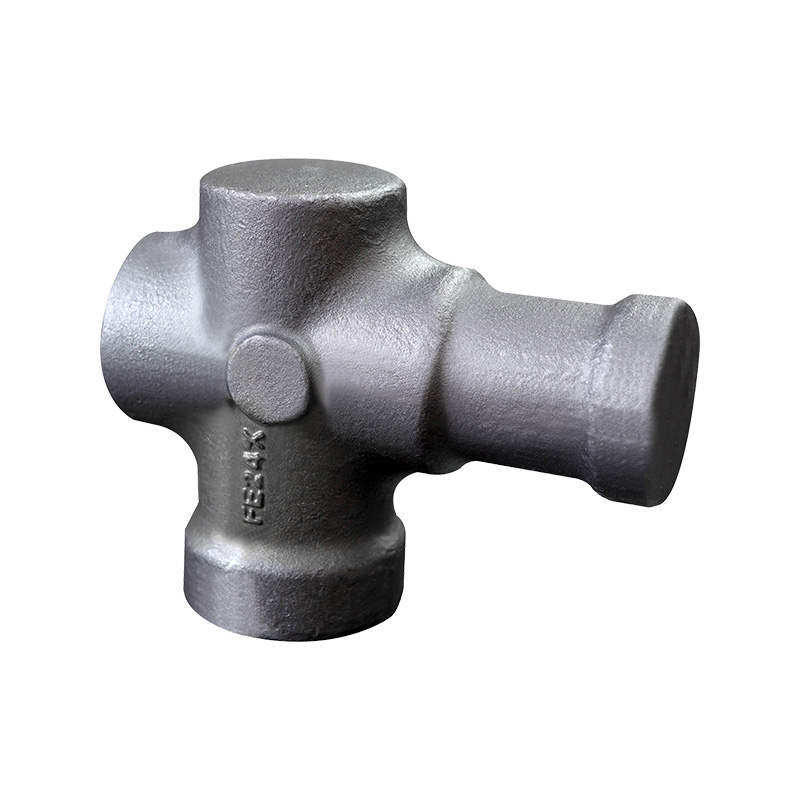
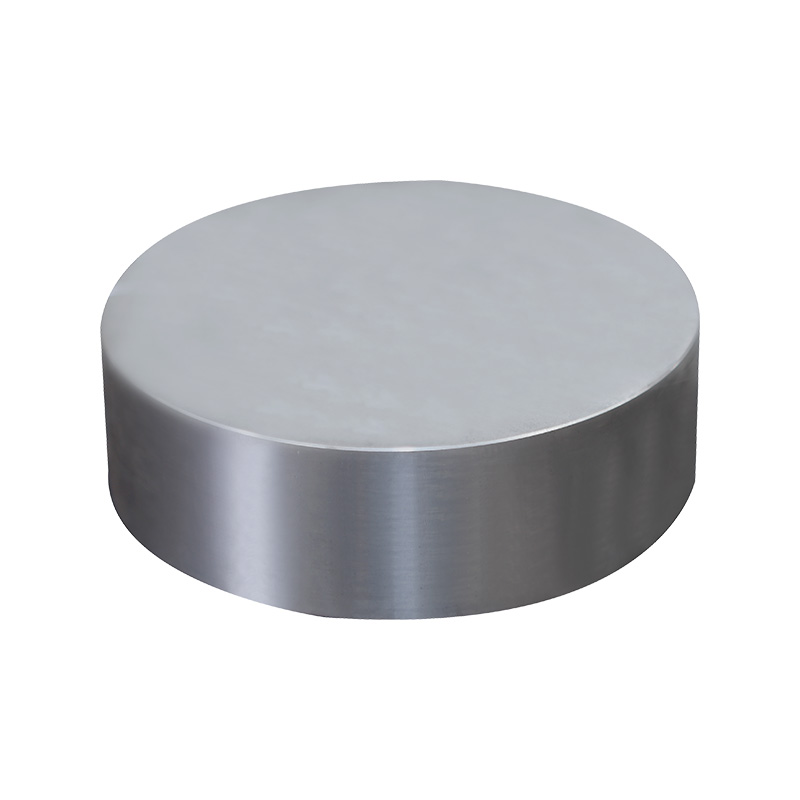
Technical Features and Specifications
Stub ends are manufactured in two primary patterns: Long Pattern and Short Pattern, depending on the space and welding requirements.
| Feature | Specification Detail |
|---|---|
| Patterns | Type A (for standard lap joint flanges) and Type B. |
| Manufacturing | Forged and machined to ASME B16.9 or MSS SP-43. |
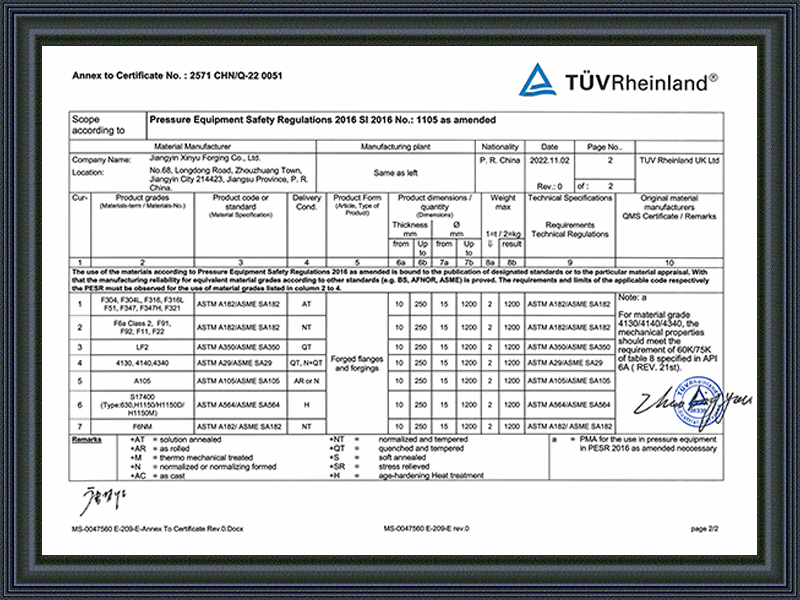
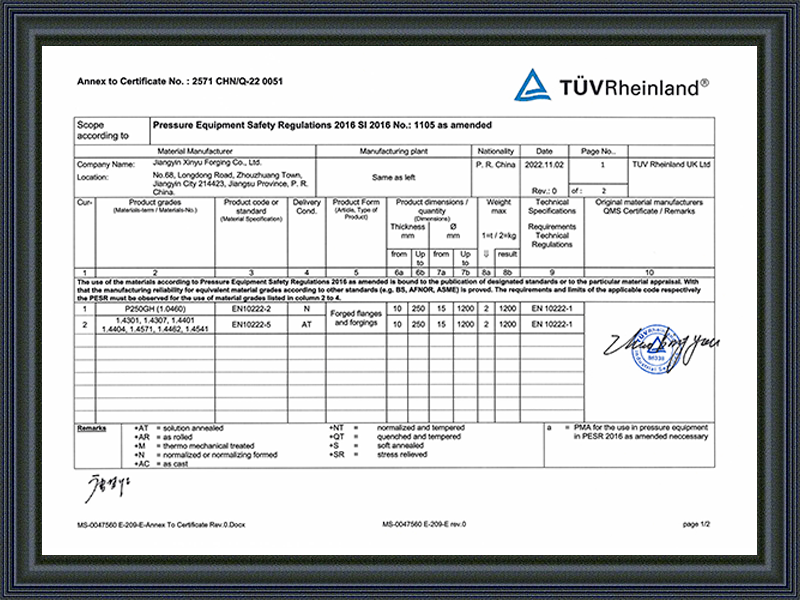
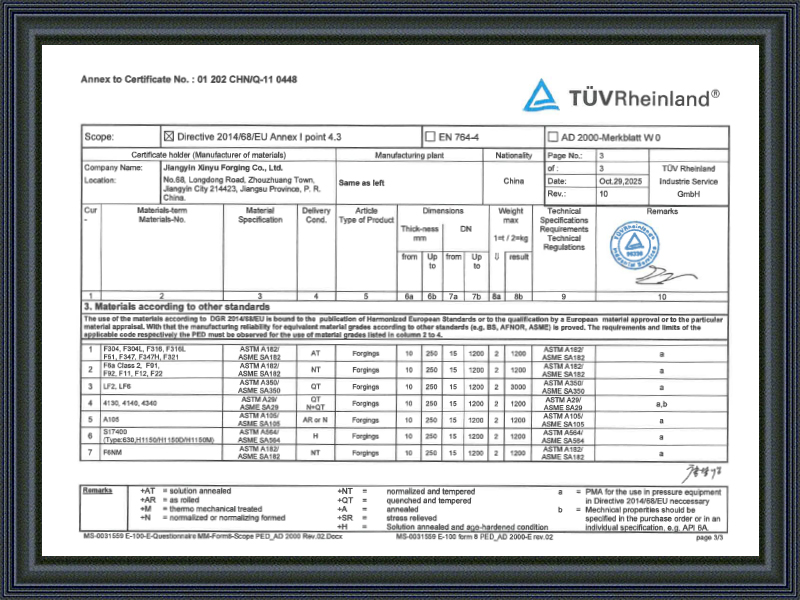
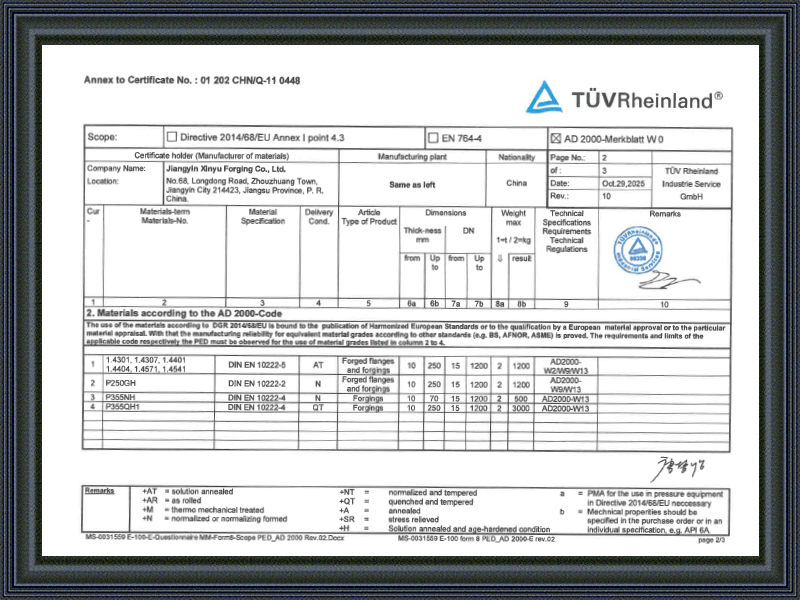
| Materials | WP304L, WP316L, WP321, Duplex 2205, Nickel Alloys. |
| Size Range | 1/2" to 48" Nominal Pipe Size (NPS). |
The "Lap" surface of the forged stub end is machined to a specific phonographic or serrated finish to ensure the gasket is held firmly in place. Because the part is forged, the transition radius between the pipe section and the lap is structurally reinforced, preventing "radius failure" which is a common issue with inferior cold-formed products. All stub ends are heat-treated to restore corrosion resistance after the forging process.
-
 Development Conceptscientific and technological innovation as the driving force.
 -
 Quality PolicyPeople, integrity, truth-seeking, innovation
 -
 Core ValueCommon development to achieve symbiosis and win-win.
Selection and Procurement Tips
When sourcing forged stub ends, it is important to match the dimensions to the backing flange and the pipe wall:
- Schedule Compatibility: Ensure the wall thickness (e.g., Sch 10S, 40S, 80S) matches the mating pipe for a smooth internal flow (butt-weld connection).
- Type A vs. Type B: Type A is for use with standard lap joint flanges; Type B is for use with standard slip-on flanges acting as backing flanges.
- Radius Clearance: The radius on the back of the stub end lap must be smaller than the radius on the backing flange to ensure they seat flush together.
- Surface Finish: Specify the required gasket surface finish (e.g., 125-250 AARH) to ensure compatibility with your chosen gasket type.
Check for "Seamless" certification. Forged stub ends are inherently seamless, making them suitable for high-purity and high-pressure applications where welded-seam fittings are prohibited.
Advantages of Lap Joint Assemblies
The combination of a forged stub end and a lap joint flange provides several practical and economic benefits for complex piping layouts.
| Advantage | Operational Benefit |
|---|---|
| Easy Alignment | Backing flange can rotate freely to align bolt holes, speeding up installation. |
| Cost Savings | Allows the use of carbon steel flanges with expensive alloy piping. |
| Maintenance | Quick disassembly for cleaning or inspection in frequent-maintenance lines. |
| Vibration Resistance | Forged lap provides a heavy-duty seat that resists flange bolt vibration. |
Forged stub ends are particularly valuable in "clean" industries like food and beverage or pharmaceuticals. The ability to quickly rotate flanges to fit pumps or tanks without stressing the pipe welds is a major time-saver. Additionally, the refined grain structure of the forging ensures that the internal surface is free of pits and crevices where bacteria or corrosive agents could hide.
Global Industry Applications
Forged stub ends are the preferred choice in systems requiring frequent modification or high-value materials.
| Industry | Usage Context |
|---|---|
| Chemical Refining | Highly corrosive acid or base transport lines. |
| Water Desalination | Duplex and Super Duplex piping systems. |
| Pulp & Paper | Corrosive bleach and slurry transport lines. |
| Food & Beverage | Sanitary piping where frequent washdowns occur. |
In offshore oil platforms, forged stub ends are used in seawater cooling systems. By using a titanium or high-nickel stub end with a coated carbon steel flange, engineers can prevent saltwater corrosion at a fraction of the cost of a solid alloy flange system. This makes them a key component in budget-conscious, high-performance engineering.
- Q: What is the difference between Long Pattern and Short Pattern?
- A: Long pattern stub ends provide more space for the welding torch and are used in most heavy industrial applications. Short pattern stub ends are used in space-constrained areas but are less common for heavy-duty forging.
- Q: Do stub ends require a specific flange?
- A: Yes, they must be used with a Lap Joint Flange. The flange has a special internal radius designed to clear the radius of the stub end.