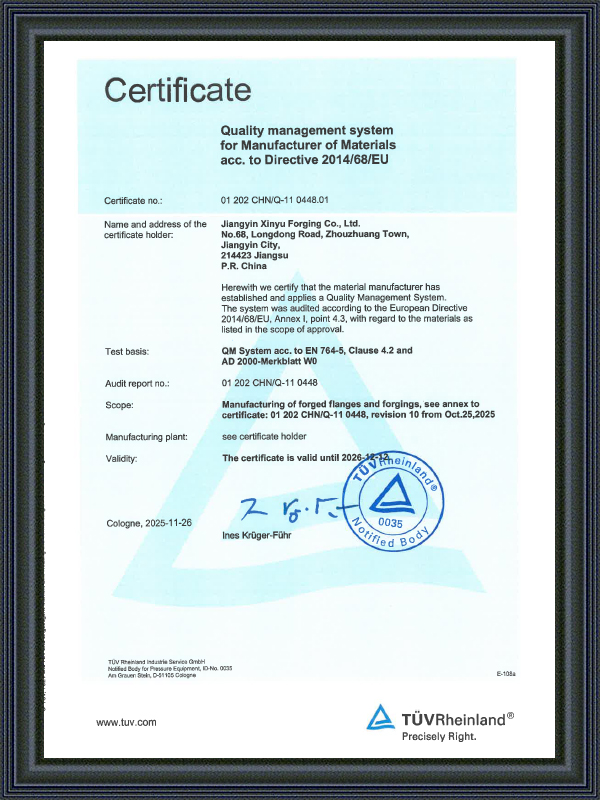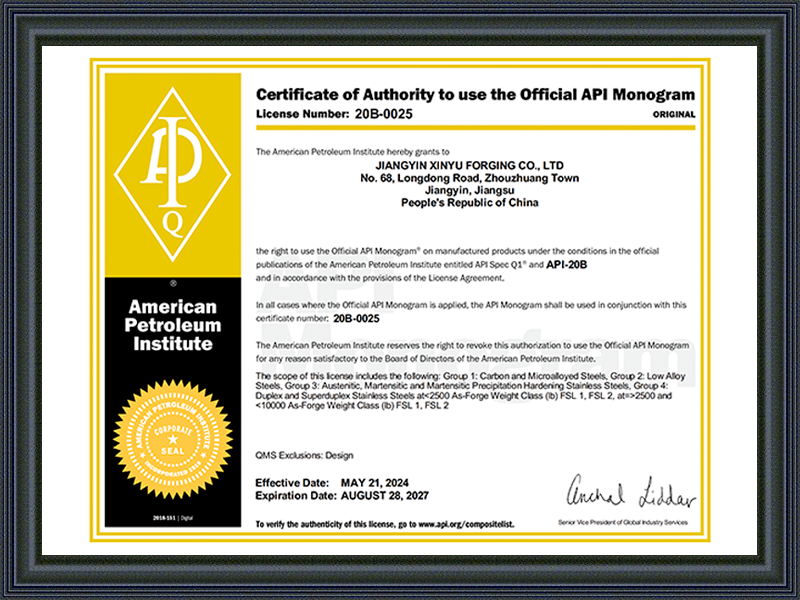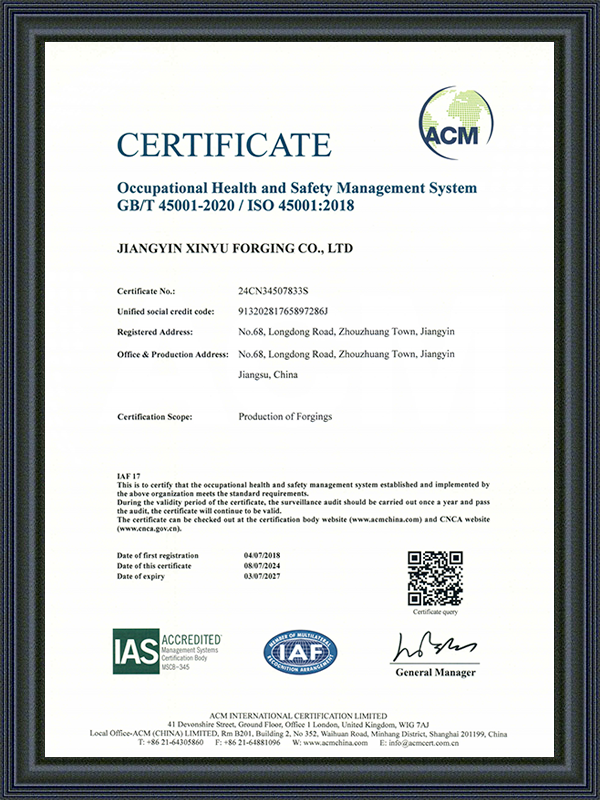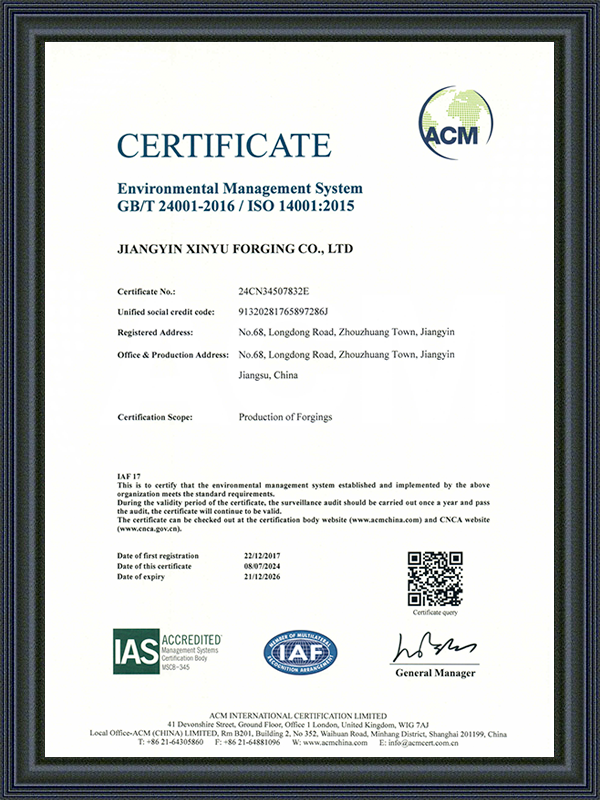


 英语
英语 德语
德语 阿拉伯语
阿拉伯语

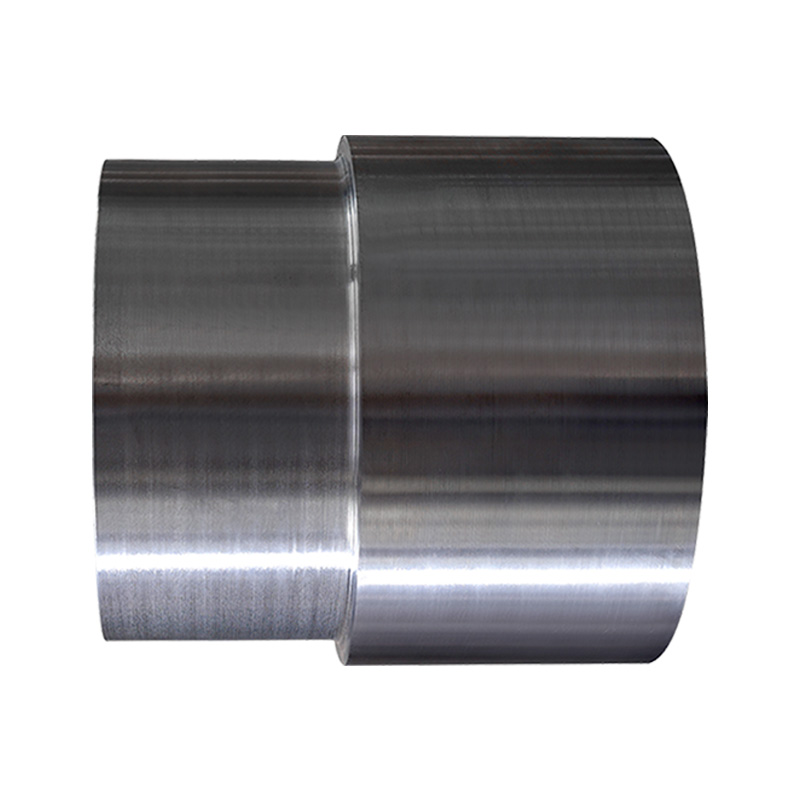
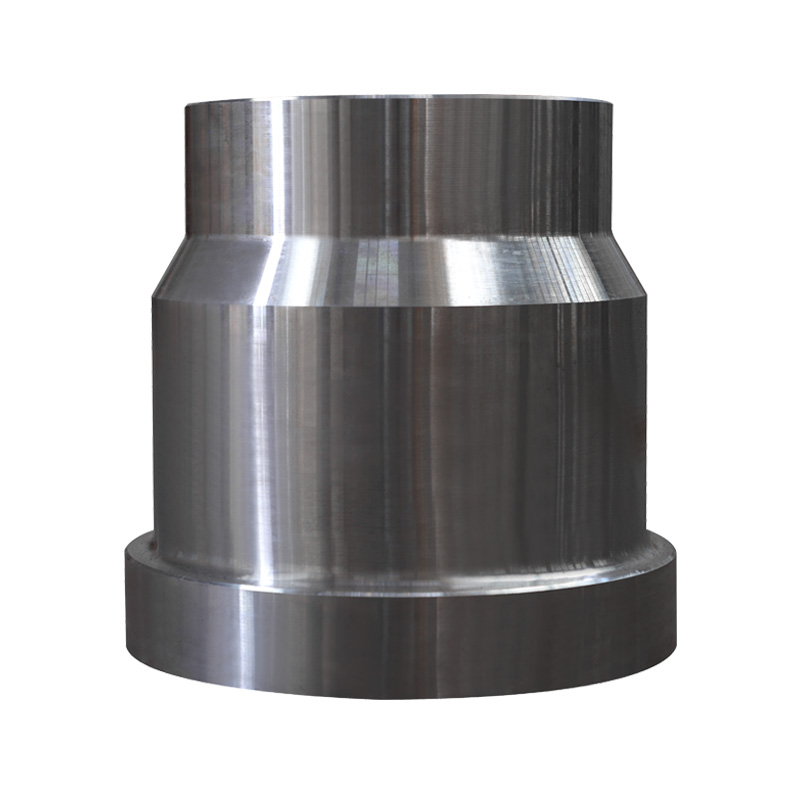
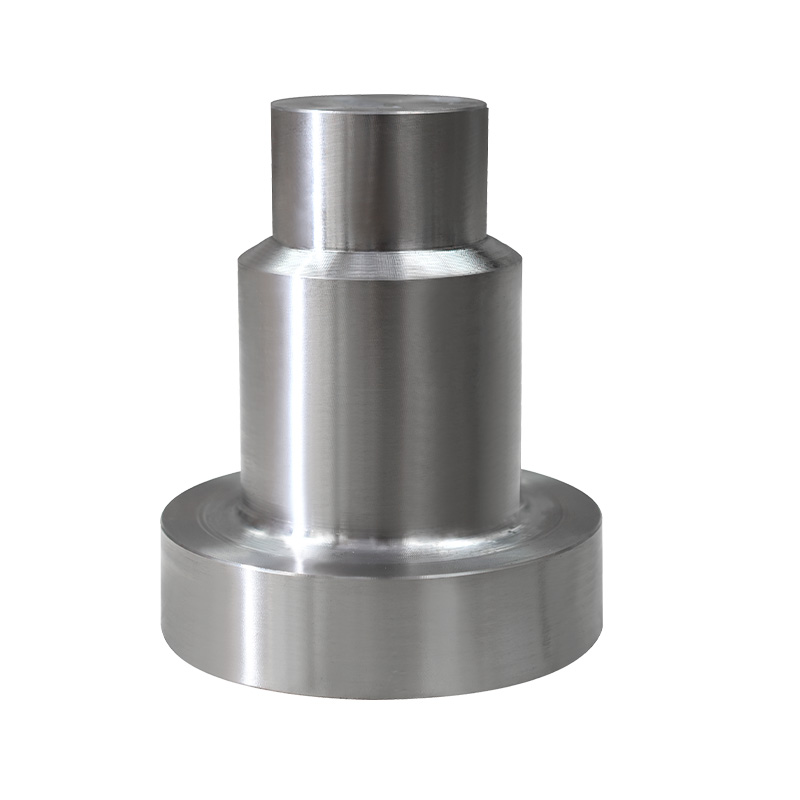
Technical Features and Specifications
Forged reducers are precision-engineered to ensure hydraulic efficiency and leak-proof connections.
| Feature | Specification Detail |
|---|---|
| Types | Concentric (CR) and Eccentric (ER). |
| Standards | ASME B16.9 (Butt-weld), MSS SP-75, B16.11. |
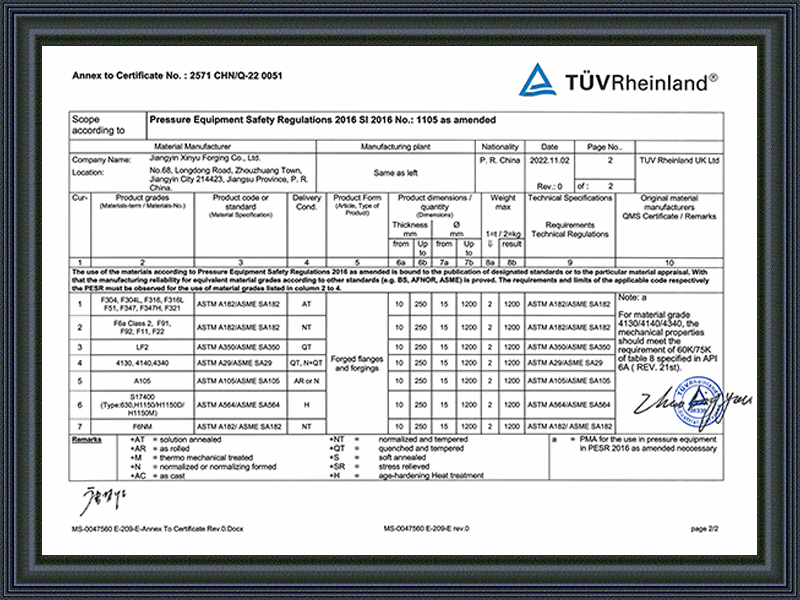
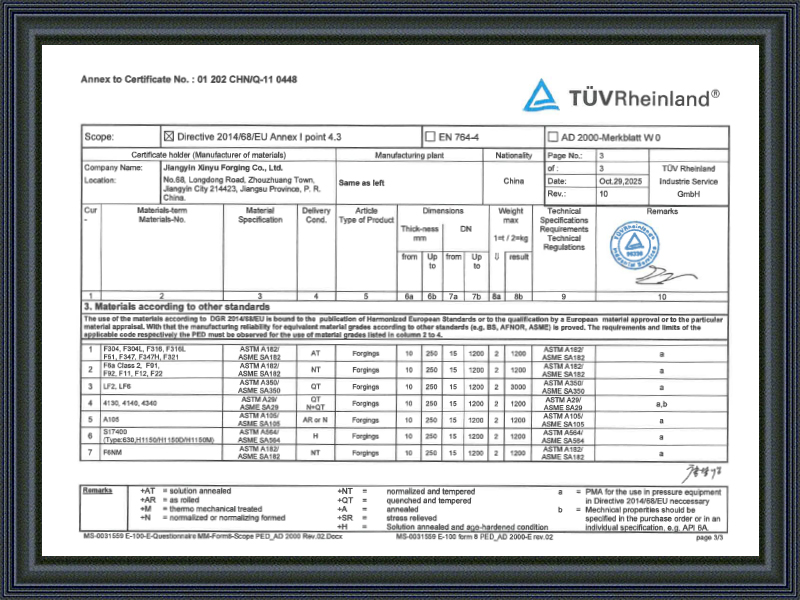
| Materials | A105, A350 LF2, F316L, F11/F22, Duplex F51. |
| End Types | Beveled for welding, Socket Weld, or Threaded. |
The transition angle of the forged reducer is carefully controlled to prevent flow separation and turbulence. For eccentric reducers, the "flat side" is precision-machined to ensure it can be installed in a perfectly horizontal position, which is essential for preventing air pockets (gas binding) in pump suction lines. All reducers are subjected to 100% Dimensional Inspection and Ultrasonic Testing (UT) to verify wall thickness consistency across the conical transition zone.
-
 Development Conceptscientific and technological innovation as the driving force.
 -
 Quality PolicyPeople, integrity, truth-seeking, innovation
 -
 Core ValueCommon development to achieve symbiosis and win-win.
Selection and Procurement Tips
When procuring forged reducers, the orientation of the piping system and the nature of the fluid are the most important factors:
- Concentric vs. Eccentric: Use Concentric reducers for vertical lines. Use Eccentric reducers (Flat Side Up or Flat Side Down) for horizontal lines to prevent air pockets or liquid pooling.
- Schedule Compatibility: Both the large and small ends must match the schedule of their respective pipes (e.g., 6" Sch 80 to 4" Sch 40).
- Material Traceability: For high-pressure steam, ensure the reducer is made from Cr-Mo alloy (F11/F22) and comes with full heat-treatment documentation to resist creep.
- Surface Finish: For abrasive mining slurries, specify a high internal hardness or a thicker wall to provide an "erosion allowance" in the transition zone.
Verify that the forging is "Seamless" as this is critical for high-safety applications in the petrochemical sector where welded seams are a potential failure point.
Advantages of Forged Transition Fittings
Forged reducers offer superior performance in systems where the fluid velocity and pressure are constantly changing.
| Advantage | Operational Benefit |
|---|---|
| Pressure Stability | Withstands the "nozzle loads" exerted by the pipes on both sides. |
| Hydraulic Efficiency | Smooth internal taper reduces energy loss and pump strain. |
| Longevity | Dense forged steel resists erosion better than cast or fabricated parts. |
| Safety | Seamless construction eliminates the risk of longitudinal weld failure. |
One of the biggest advantages is the "Eccentricity Control." In pump suction applications, an eccentric forged reducer (flat side up) ensures that air bubbles cannot gather at the top of the pipe, preventing pump cavitation and damage. The structural strength of the forging also allows it to act as a anchor point for pipe hangers, absorbing the mechanical vibration of the pumping system without cracking.
Critical Industry Applications
Forged reducers are essential in any system where flow needs to be concentrated or dispersed.
| Industry | Usage Context |
|---|---|
| Oil Refineries | Transitioning between main headers and process equipment. |
| Power Plants | Condenser inlet lines and steam turbine feed piping. |
| Food Processing | Sanitary reducers in large-scale mixing and bottling lines. |
| Water Treatment | Pump discharge lines in high-pressure RO (Reverse Osmosis) systems. |
In high-pressure gas pipelines, concentric reducers are used at compressor stations to increase gas velocity for transport. The dense forged steel is vital here to resist the "vibration-induced fatigue" that occurs when high-velocity gas changes pressure. Their reliability ensures that these energy lifelines remain operational around the clock.
- Q: When should I use an Eccentric Reducer "Flat Side Up"?
- A: This is the standard orientation for pump suction lines. It prevents air from being trapped at the top of the reducer, which could otherwise enter the pump and cause cavitation.
- Q: What is a "Swage Nipple"?
- A: A swage nipple is a type of forged reducer used for smaller pipe sizes (usually 2" and below) and is commonly used to connect a large pipe to a small valve or instrument connection.