

 英语
英语 德语
德语 阿拉伯语
阿拉伯语

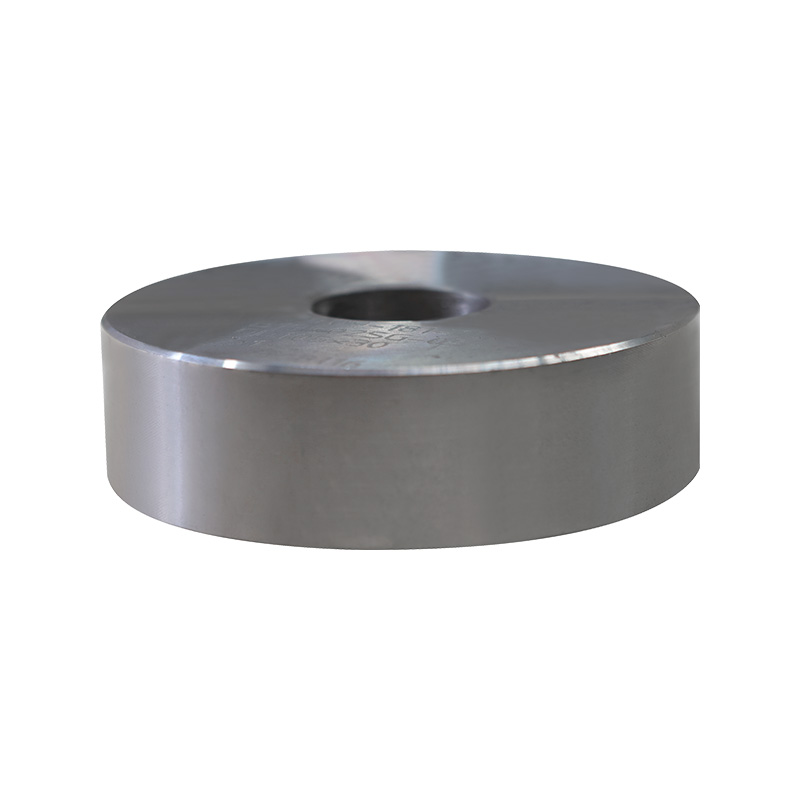
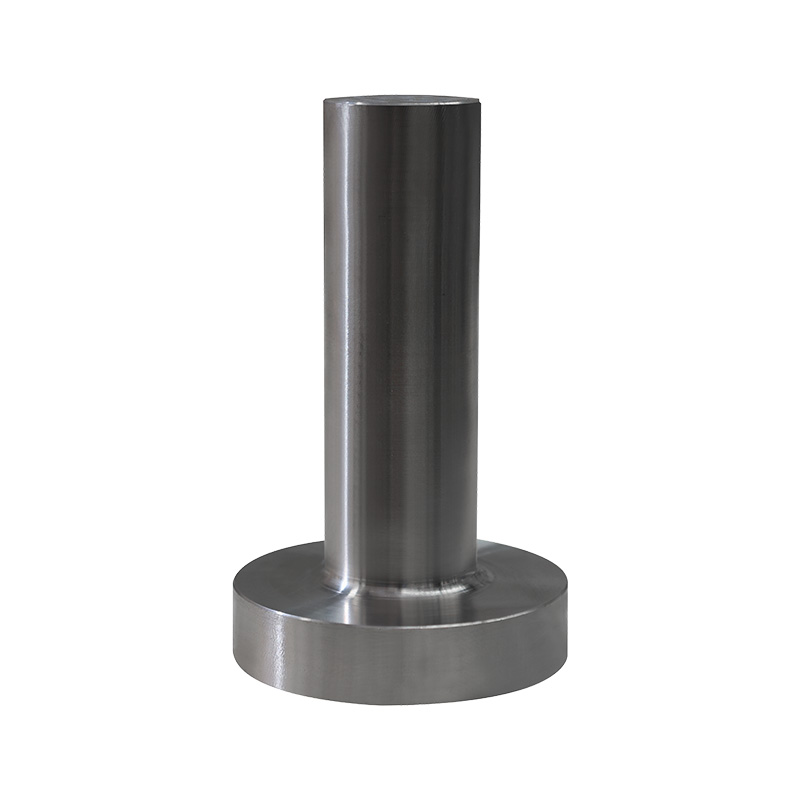
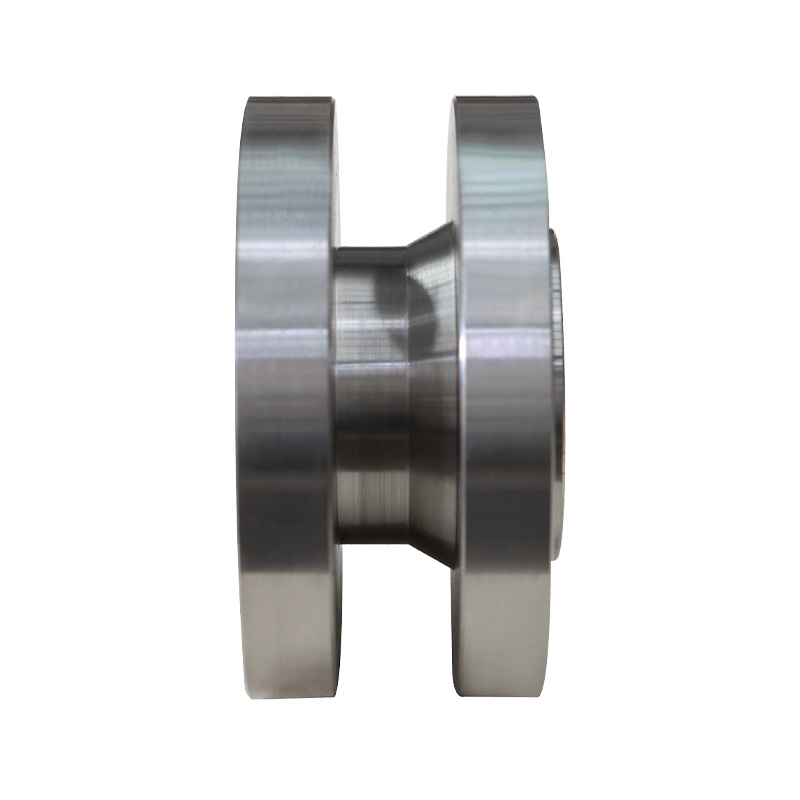
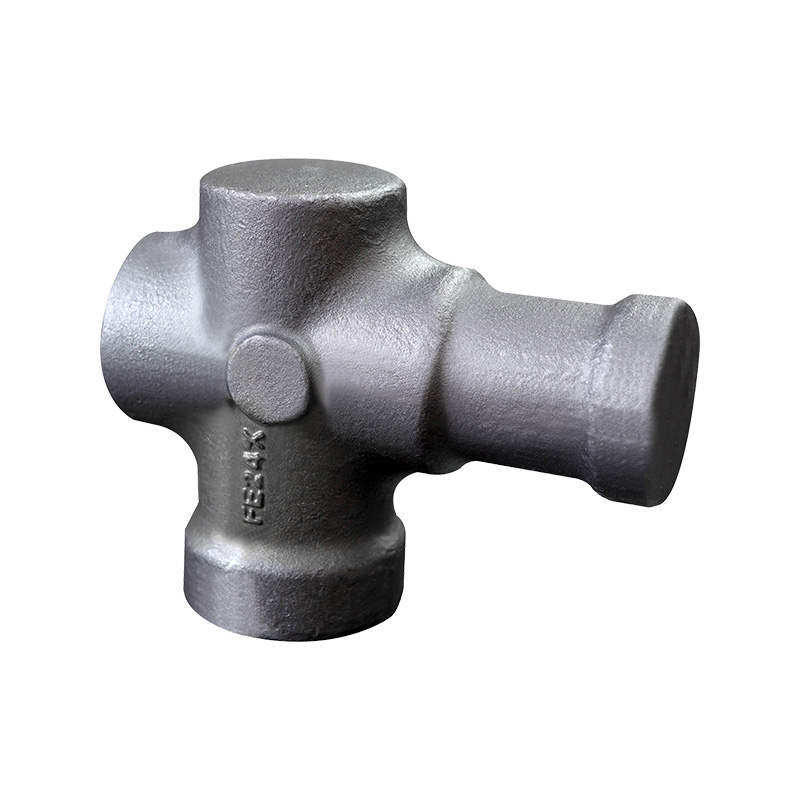
Technical Features and Specifications
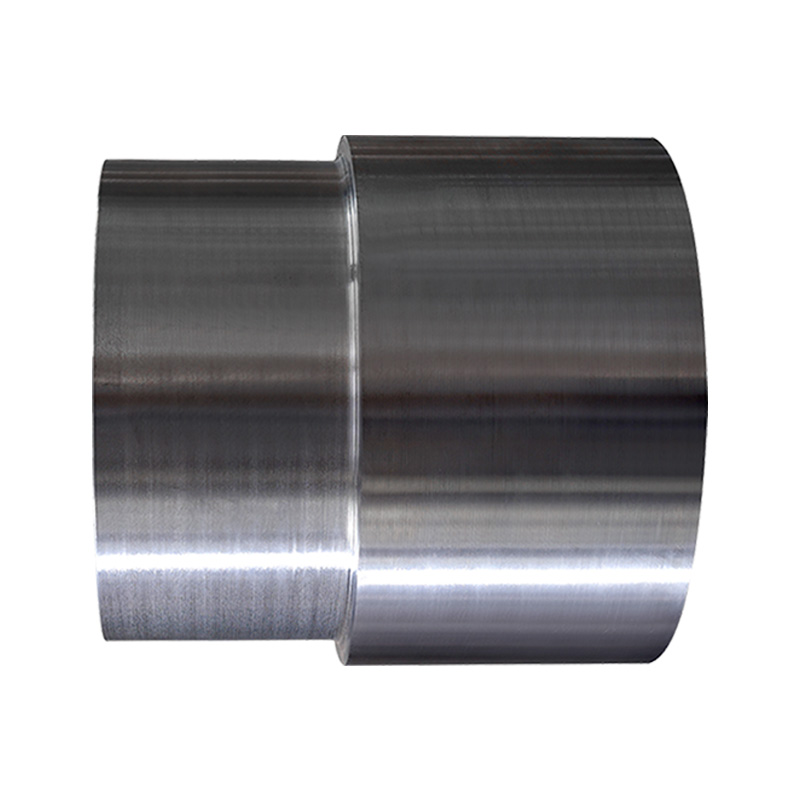
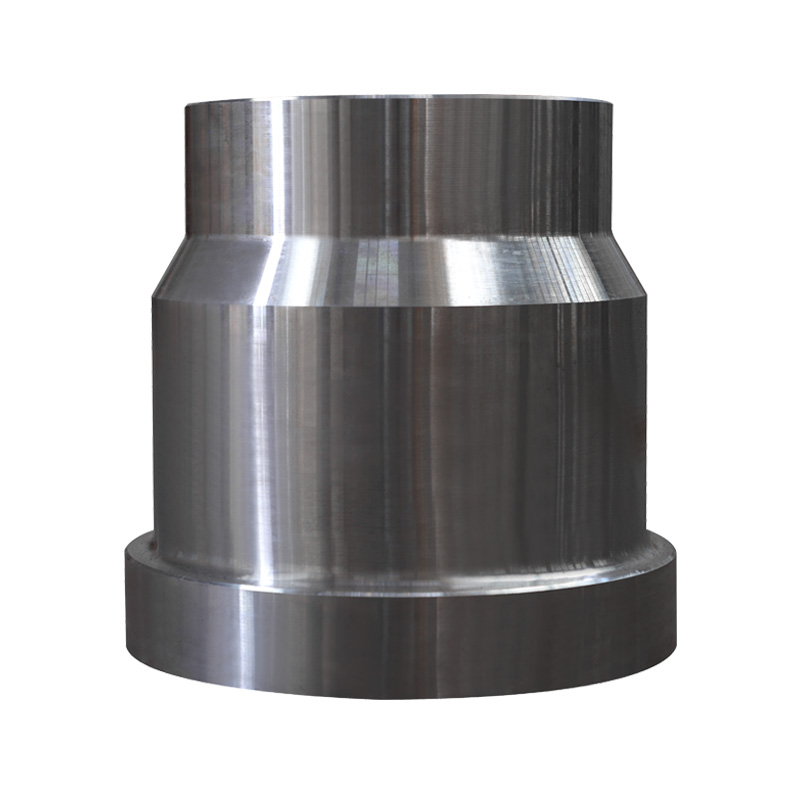
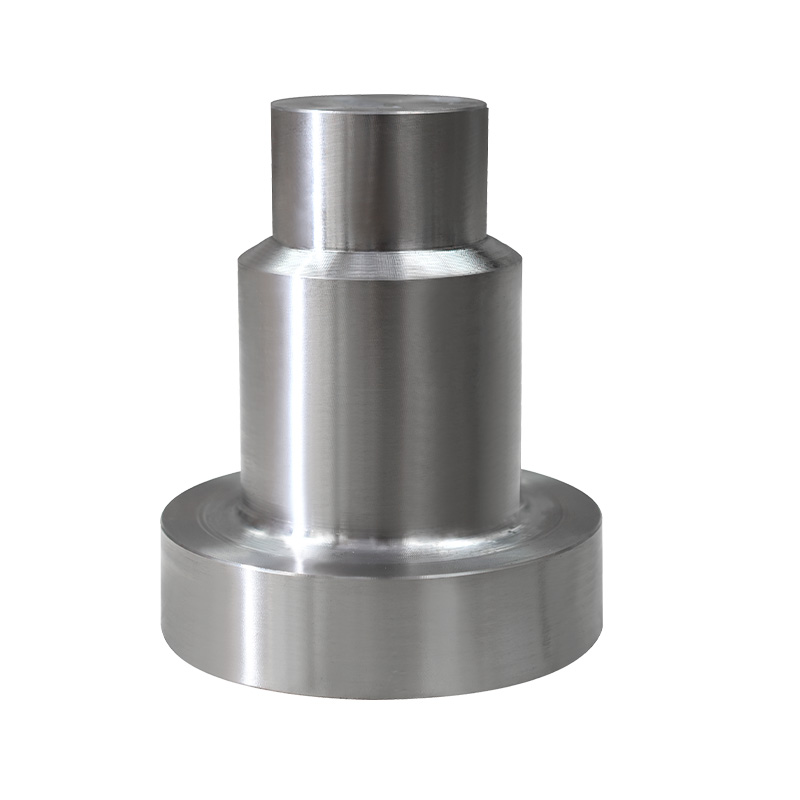
Forged pinions are characterized by their precision geometry and extreme surface hardness.
| Feature | Technical Description |
|---|---|
| Manufacturing | Closed-die or open-die forging followed by hobbing/grinding. |
| Material Grades | 4340, 4140, 18CrNiMo7-6, 8620. |
| Hardening Method | Carburizing, Nitriding, or Induction Hardening. |
| Tooth Profile | Spur, Helical, or Double-Helical (Herringbone). |
The forging process ensures that there are no internal "voids" that could lead to a catastrophic crack in the tooth root, which is the most highly stressed part of the gear. After forging, the pinion is precision-ground to meet AGMA (American Gear Manufacturers Association) quality levels. This high precision reduces vibration and noise, extending the life of the entire gearbox. Every forged pinion is 100% Magnetic Particle Inspected (MPI) after hardening to ensure a defect-free surface.
-
 Development Conceptscientific and technological innovation as the driving force.
 -
 Quality PolicyPeople, integrity, truth-seeking, innovation
 -
 Core ValueCommon development to achieve symbiosis and win-win.
Procurement Tips for Drive Components
When sourcing forged pinions for replacement or new machinery, focus on the metallurgy and the heat-treatment profile:
- Case Depth: For heavy mining applications, specify a deep carburized case (e.g., 2.0mm - 4.0mm) to ensure the gear survives the abrasive environment.
- Grain Flow Verification: Ensure the forging was performed to promote grain flow into the teeth, which increases tooth bending strength by up to 20%.
- Shaft Integration: Determine if you need a "Pinion Shaft" (where the pinion and shaft are one single forging) or a "Shrink-fit" pinion. Single-piece forged pinion shafts are superior for high-torque applications.
- Service Factor: Choose a forging with a higher service factor if the machine will be subject to frequent "starts" and "stops" or shock loads.
Advantages of Forged Gear Components
Forged pinions provide a level of durability that is critical for the continuous operation of large-scale industrial plants.
| Advantage | Operational Benefit |
|---|---|
| High Torque Capacity | Allows for smaller, more powerful gearbox designs. |
| Fatigue Life | Withstands millions of load cycles without tooth root cracking. |
| Wear Resistance | Case-hardened forged teeth maintain their shape for years. |
| Quiet Operation | Superior material density reduces harmonic vibration and noise. |
In "Grinding Mills" for the gold and copper industries, a single forged pinion drives a massive ring gear. If that pinion fails, the entire production of the mine stops. The structural integrity of the forging provides the necessary safety margin to handle "tramp metal" events—where uncrushable objects enter the mill—without the pinion teeth shattering. This reliability is the primary reason why forgings are non-negotiable in heavy-duty gear design.
Primary Industrial Applications
Forged gear pinions are the core of drive systems across various heavy sectors.
| Sector | Usage Context |
|---|---|
| Mining | Drive systems for crushers, ball mills, and excavators. |
| Cement Industry | Rotary kiln drives and heavy-duty vertical mills. |
| Steel Mills | Roll-stand drives and heavy-duty crane gearboxes. |
| Wind Energy | High-speed pinions in wind turbine step-up gearboxes. |
In the renewable energy sector, forged pinions are used in the gearboxes of offshore wind turbines. Because these turbines are located in remote, difficult-to-access areas, the reliability of the forged components is essential to minimizing maintenance costs and maximizing the "uptime" of the power generation system.
- Q: Why is a forged pinion better than one cut from a bar?
- A: Forging creates a grain flow that follows the shape of the teeth, significantly increasing the resistance to tooth breakage. Bar stock has a linear grain flow that is cut through during machining, creating weak points.
- Q: What is "Pitting" on gear teeth?
- A: Pitting is a form of surface fatigue caused by repeated stress. Forged and case-hardened pinions have a much higher resistance to pitting than standard cast or unhardened gears.