

 英语
英语 德语
德语 阿拉伯语
阿拉伯语

Content
Most metals with enough ductility can be forged, but not every metal is practical for industrial parts. The metals commonly chosen for forged components include carbon steel, alloy steel, stainless steel, aluminum, titanium, copper, and nickel-based alloys. Each metal family behaves differently under a press or hammer, and the right selection depends on the service conditions. A valve body transporting sour gas requires corrosion-resistant material such as 2205 duplex stainless steel, while a mining crusher shaft demands impact resistance from a forged alloy steel. Getting the metal right at the start avoids costly failures later.
The Full Range of Forgeable Metals
Metal selection is the first decision in forged part production. Below is a practical breakdown of the forgeable metals most often used by industrial manufacturers. The table gives common grades and typical end uses for each family.
| Metal Family | Common Grades | Why It Is Forged | Typical Use |
|---|---|---|---|
| Carbon Steel | 1018, 1045, A36 | High strength, good machinability, low cost | Shafts, gears, structural parts |
| Alloy Steel | 4140, 4340, 8620 | High strength and fatigue resistance | Crankshafts, connecting rods |
| Stainless Steel | 304, 316, 17-4 PH | Corrosion resistance, high temperature strength | Valve parts, chemical equipment |
| Aluminum Alloys | 6061, 7075, 2024 | Lightweight, excellent strength-to-weight ratio | Aerospace parts, industrial frames |
| Titanium Alloys | Ti-6Al-4V | Strong at high temperature, corrosion resistant | Medical implants, aircraft parts |
| Nickel Alloys | Inconel 625, 718 | Oxidation resistant at high temperature | Gas turbines, chemical processing |
| Copper Alloys | C11000, C17200 | Excellent conductivity, formability | Electrical connectors, heat exchangers |
Carbon steel is the most economical and widely used forging metal. It responds predictably to heat treatment and offers good machinability. Alloy steel adds chromium, nickel, and molybdenum to increase strength, toughness, and hardenability. Stainless steel protects against corrosion, which is essential in valve and chemical equipment. Aluminum forgings are prized for their low weight and excellent strength-to-weight ratio, often used in aerospace and transportation frames. Titanium is expensive but delivers exceptional corrosion resistance and high-temperature strength for medical and aerospace parts. Nickel-based alloys like Inconel 718 maintain their strength at temperatures above 700°C, making them critical in gas turbines and petrochemical reactors. Copper alloys are less common in heavy forging but are valued for conductivity.
What Makes a Metal Forgeable
Three factors determine if a metal can be forged successfully: ductility, temperature sensitivity, and deformation rate.
Ductility describes how much a metal can stretch without cracking. Metals with high ductility, such as carbon steel, can be deformed over a wide range of conditions. Temperature sensitivity matters because each metal has a specific forging window where it becomes plastic without breaking. Deformation rate defines how quickly the metal can be squeezed; some alloys will tear if the press advances too fast.
| Metal | Forging Temperature Range | Typical Reduction Ratio | Grain Structure Result |
|---|---|---|---|
| Carbon Steel | 1100-1200°C | 3:1 to 5:1 | Refined, isotropic |
| Stainless Steel | 1100-1260°C | 3:1 to 4:1 | Corrosion-resistant structure |
| Aluminum | 375-475°C | 4:1 to 8:1 | Fine and uniform |
| Titanium | 815-980°C | 2:1 to 4:1 | Controlled grain orientation |
| Nickel Alloy | 1040-1230°C | 3:1 to 6:1 | Coarse but ductile |
Carbon steel has a wide forging window, which is why it is the default choice for large forgings. Stainless steel requires precise temperature control because it can become too sensitive to deformation. Aluminum needs low strain rates to avoid tearing, and titanium tends to cool quickly, so it is often forged on heated dies.
Forging Processes and Metal Compatibility
Forging processes affect how a metal flows and reaches its final shape. The three main methods used in industrial manufacturing are open die forging, closed die forging, and seamless ring rolling.
Open Die Forging
Open die forging uses flat, non-contoured dies and is most suitable for large steel and alloy steel parts. The metal is repeatedly pressed between dies while being rotated, giving it a refined grain structure along the length of the part.
Closed Die Forging
Closed die forging shapes the metal within contoured dies. It works well for stainless steel, aluminum, and titanium because it can produce complex geometries with tighter tolerances than open die forging.
Seamless Ring Rolling
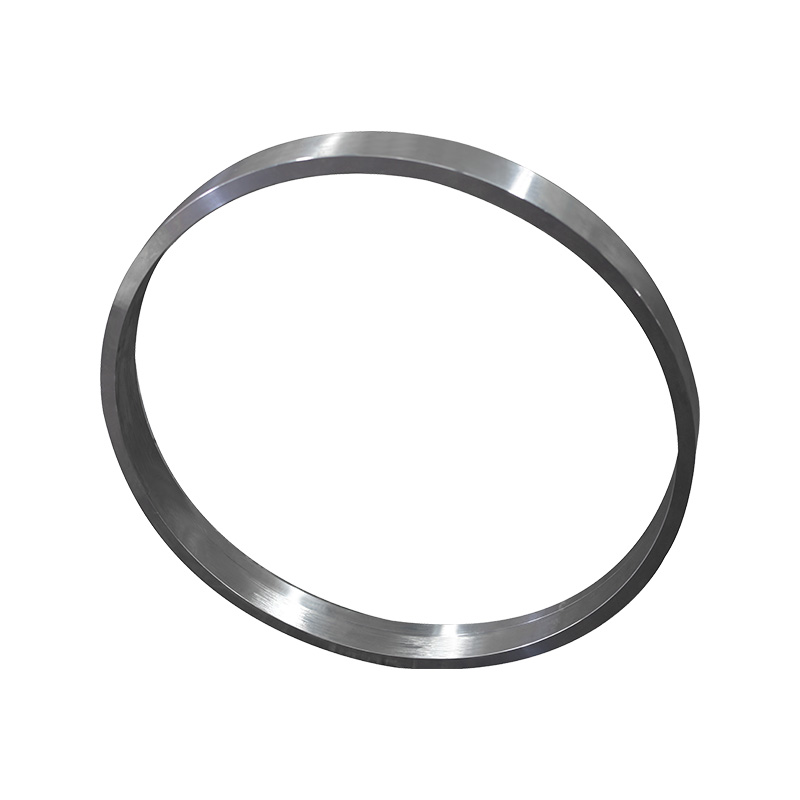
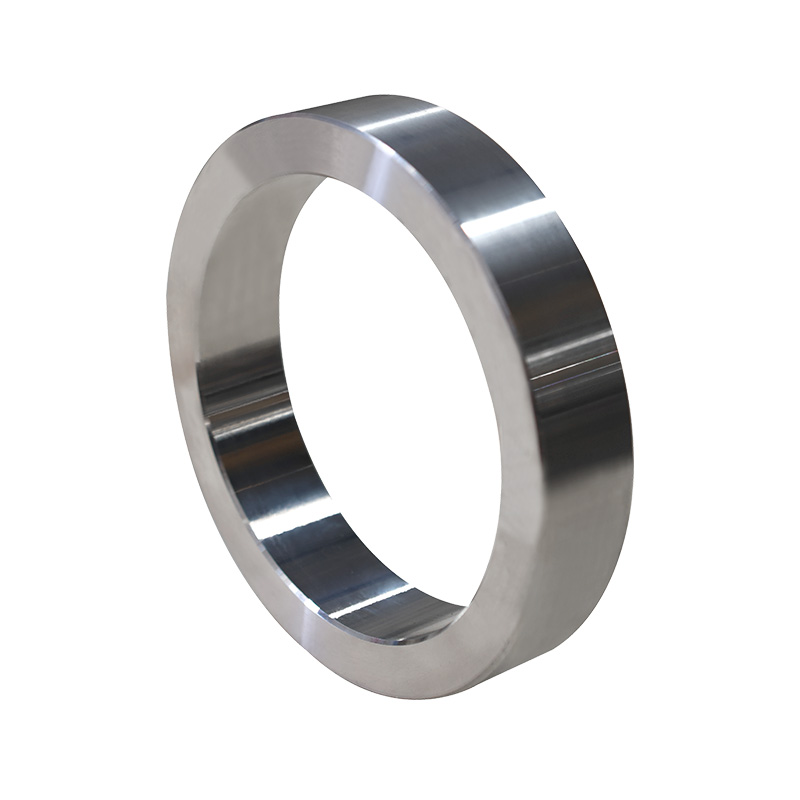
Seamless ring rolling produces rings with continuous grain flow. It is commonly used with alloy steel, stainless steel, and nickel alloy rings for bearings, flanges, and pressure vessels.
At Xinyu Forging, we have in-house capabilities for all three processes, allowing us to match the forging method to the metal's characteristics. Explore our full forging capabilities.
Metal Selection for Different Industrial Applications
Different industrial environments stress metals in different ways. The following sections summarize what metals work best in each field.
Oil, Gas, and Petrochemical Forgings
Oil and gas equipment sees corrosive fluids, high pressure, and often high temperatures. Forged parts in this sector typically use 316L stainless steel, duplex stainless steel, or nickel-based alloys such as Inconel 625. These metals resist chloride pitting and sulfide stress cracking.
For example, wellhead components made from forged stainless steel can handle pressures above 10,000 psi in sour gas service. The forged grain structure resists crack propagation much better than cast parts.
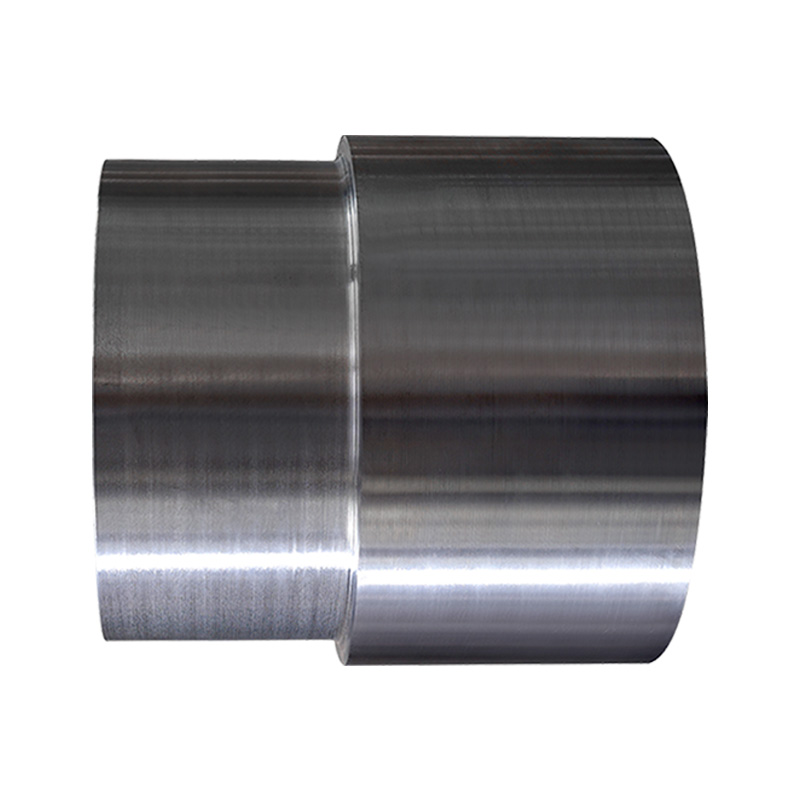
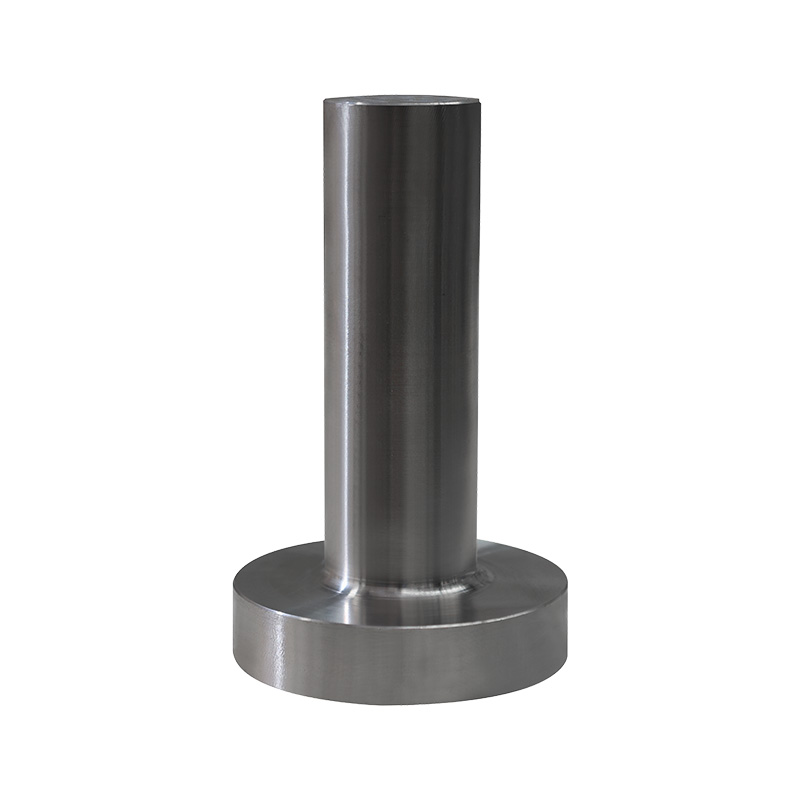
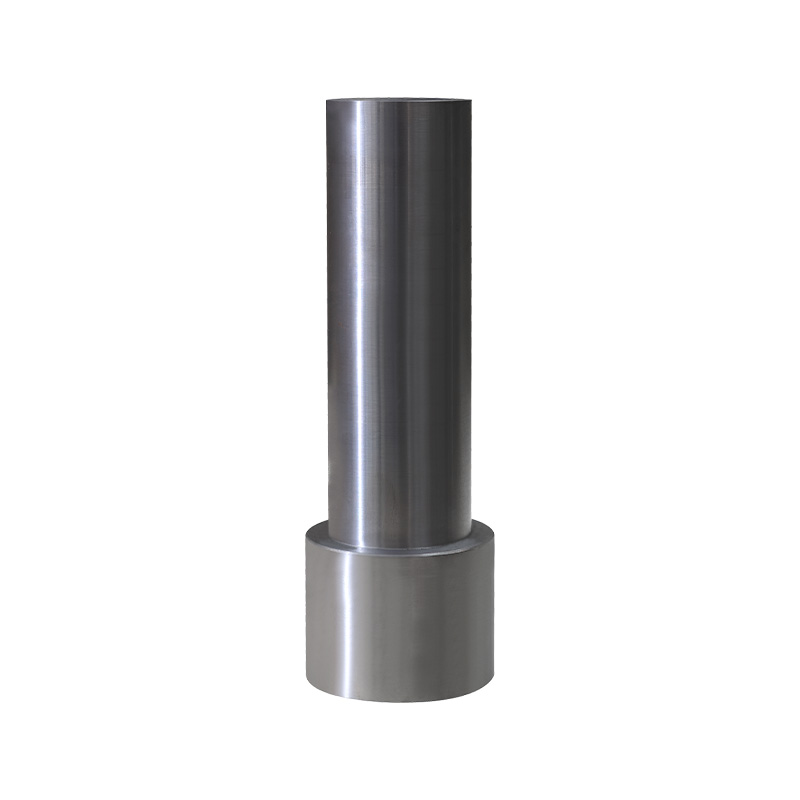
 Oil and Gas Petrochemical Forgings for High-Pressure ServiceThese forged components ensure pressure boundary integrity in harsh oil and gas environments. With materials like 17-4 PH stainless steel, they withstand extreme pressures and corrosion, making them essential for reliable operations.View Product →
Valve Forgings
Valves operate at a wide range of pressures and temperatures. The body, disc, and stem are commonly forged from 17-4 PH stainless steel, 316 stainless steel, or alloy steel. 17-4 PH is especially common because it offers high strength and good corrosion resistance in one material.
In high-pressure steam service, forged alloy steel valve bodies deliver the strength to contain up to 2500 pressure class ratings. Valve forgings must have a tight grain structure to prevent leakage paths along the pressure boundary.
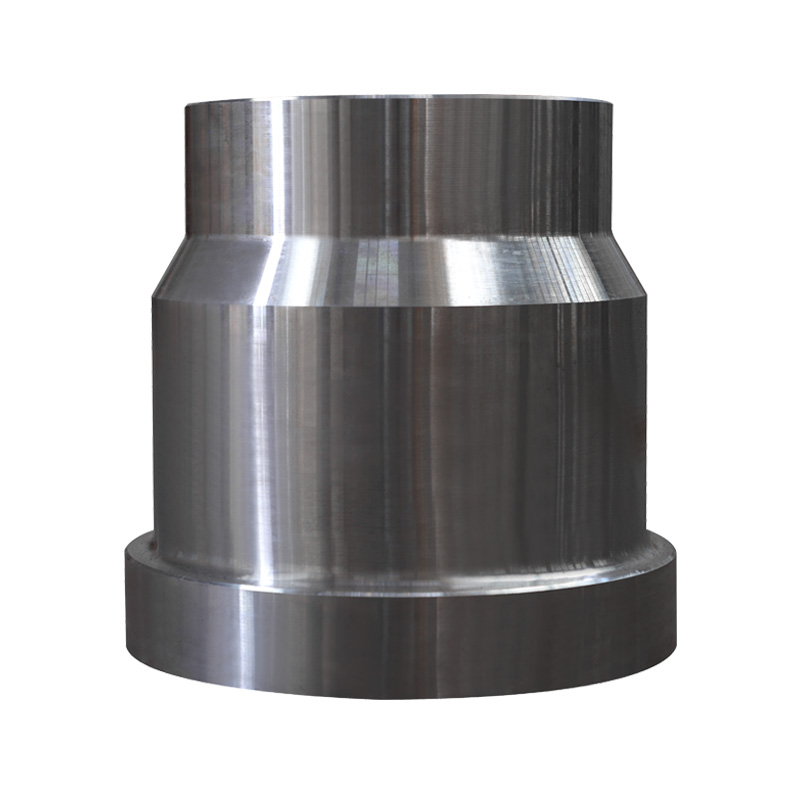
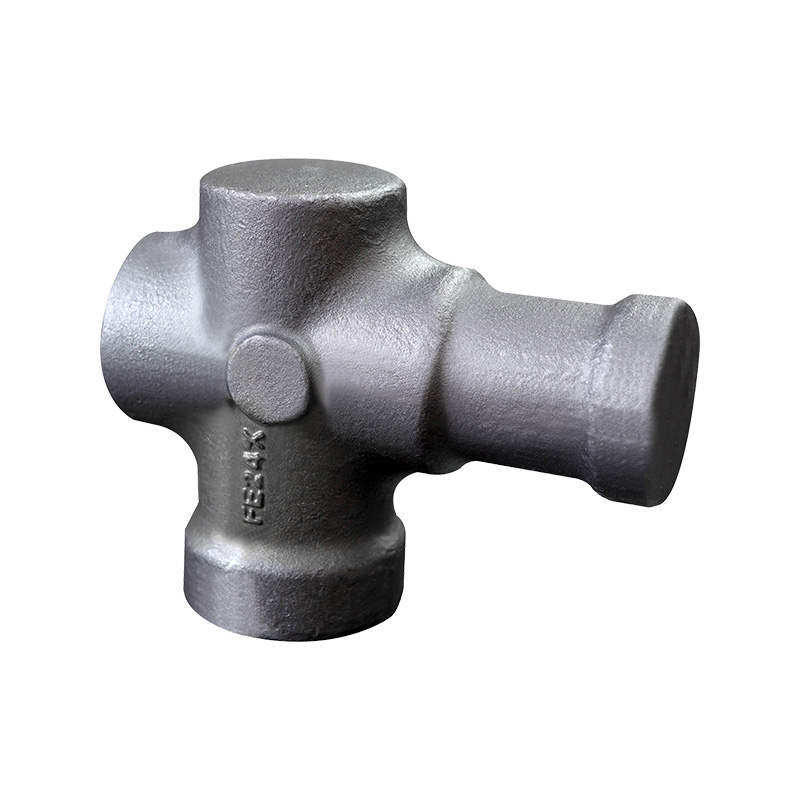
Valve Forgings for Fluid Control and Pressure VesselsValve forgings offer refined grain structure to prevent leakage paths and withstand high physical stresses. They are vital for safe fluid control in energy and industrial pipeline networks.View Product →
Mining Machinery Forgings
Mining equipment faces high-impact loads, abrasive wear, and frequent overloads. Forged parts for crushers, grinding mills, and conveyor systems are usually made from alloy steels like 4340 or manganese steels. These materials have high fatigue strength and can absorb shock without fracturing.
Mining machinery forgings from high-strength alloy steel can reduce downtime by up to 30% compared with cast alternatives, because the forged grain structure keeps cracks from growing.
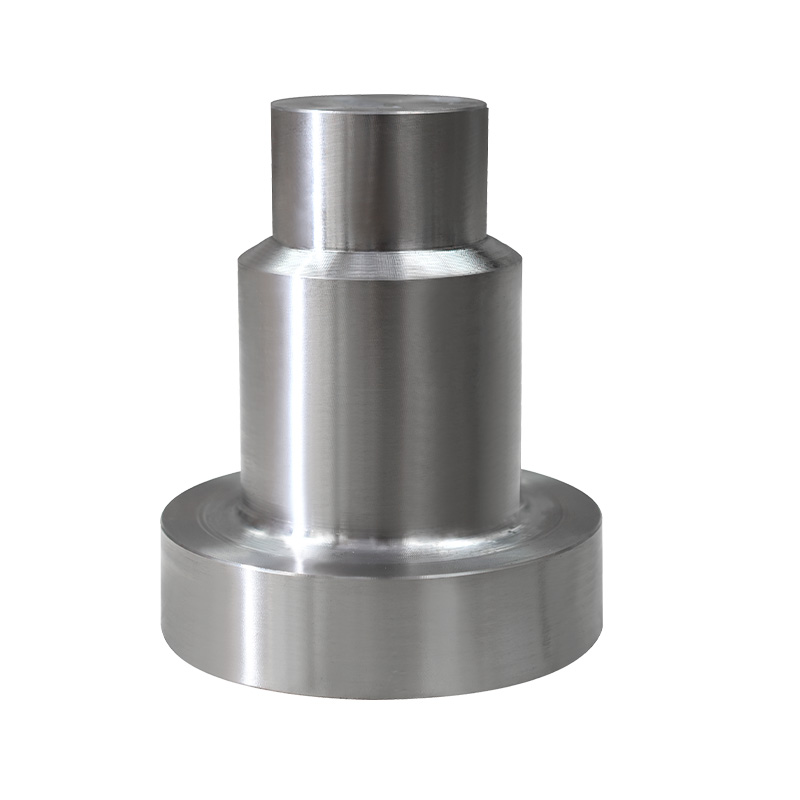
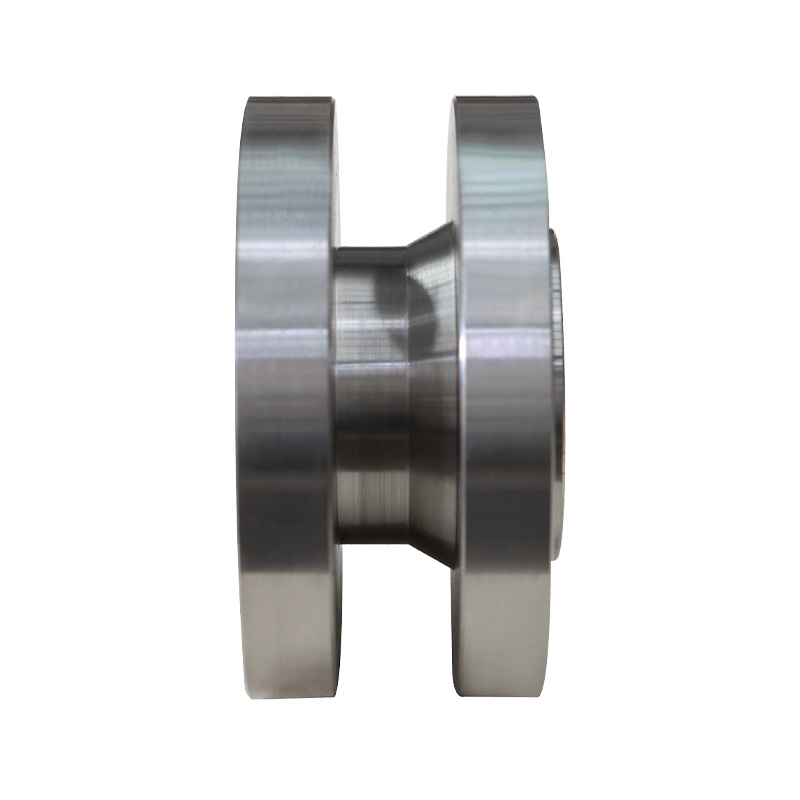
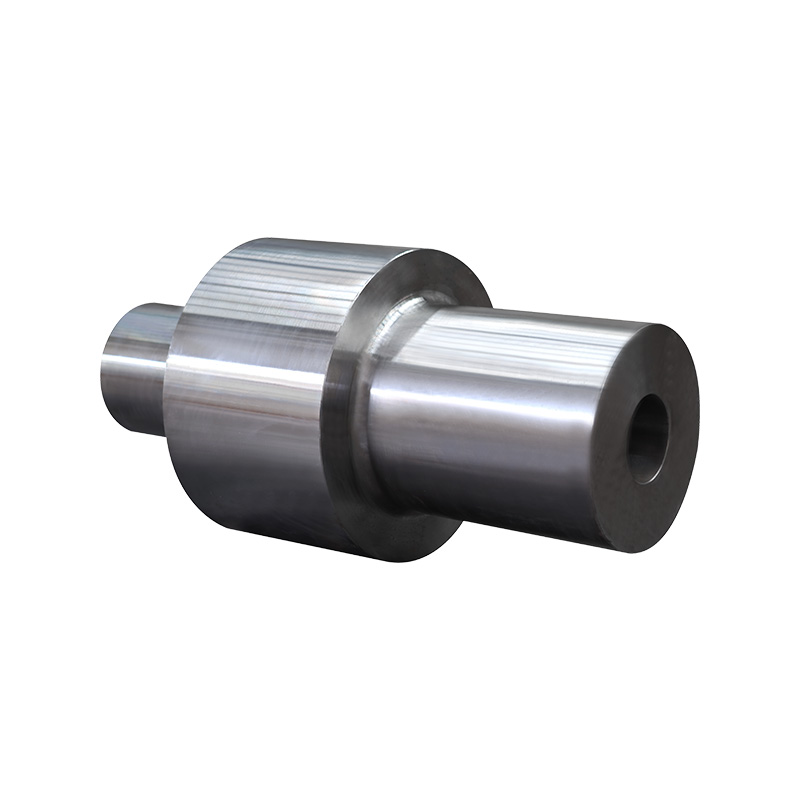
Mining Machinery Forgings for Heavy-Duty EquipmentForged parts for mining machinery provide high fatigue strength and shock absorption, reducing downtime in abrasive conditions. They are crucial for crushers, mills, and conveyors under heavy loads.View Product →
Nuclear Power Project Forgings
Nuclear power equipment requires materials that can withstand high temperatures, radiation, and long service cycles. Austenitic stainless steels and nickel-based alloys are standard choices for large forged rings and pressure vessel components. These alloys retain their mechanical properties at elevated temperatures.
Maximum Forging Size and Weight Limits
The size of a forged part is limited by the capacity of the forging press and the metal's flow strength at temperature. Large, heavy parts require greater press tonnage to achieve full deformation. For reference, industrial forging manufacturers can produce parts with outer diameters up to 20 feet (6.1 meters) and individual weights up to 40,000 pounds (18,100 kg) in a single forging. Restricting the part geometry can increase the range of metals you can use, because stronger metals need more force to deform.
- Max outer diameter: 20 feet / 6.1 meters
- Max single-piece weight: 40,000 pounds / 18,100 kg
- Delivery conditions: as-forged or fully machined
Frequently Asked Questions
Can cast iron be forged?
No. Cast iron contains high carbon levels that make it brittle. It breaks rather than deforming under a press. Forging is limited to ductile metals.
What metal is most commonly used in forging?
Carbon steel is the most common forging metal. It is cost-effective, easy to machine, and available in many standard grades.
Can aluminum forgings replace steel parts?
Yes, when weight is critical. 6061 and 7075 aluminum forgings have strength-to-weight ratios that allow lighter components. However, they do not match steel in raw strength.
Can titanium be forged?
Yes. Ti-6Al-4V is the most widely used titanium alloy for forgings. It requires heated dies and slow deformation to avoid cracking.
What metals cannot be forged?
Cast iron, some magnesium alloys, and certain high-carbon tool steels cannot be forged because they have low ductility. They crack during deformation.
Conclusion: How to Choose the Right Forgeable Metal
Selecting the right metal for a forged part is an engineering decision. Start with the operating conditions: temperature, pressure, corrosive media, and load type. Then compare the mechanical properties of candidate metals. Finally, verify that the metal can be shaped by your chosen forging process.
- Define the service requirements.
- List metals that meet those requirements.
- Evaluate forging process compatibility.
- Consider cost and machining.
If you are unsure about material selection, contact our engineering team. We can review your application requirements and recommend a suitable alloy, forging process, and finishing route.