

 英语
英语 德语
德语 阿拉伯语
阿拉伯语

Content
- 1 What Is Metal Forging?
- 2 How the Forging Process Works
- 3 Main Types of Metal Forging
- 4 Materials Used in Metal Forging
- 5 Forging vs. Casting: Which Is Better for Critical Parts?
- 6 Industrial Applications of Metal Forging
- 7 Quality Considerations for Forged Products
- 8 Frequently Asked Questions
- 9 Conclusion
What Is Metal Forging?
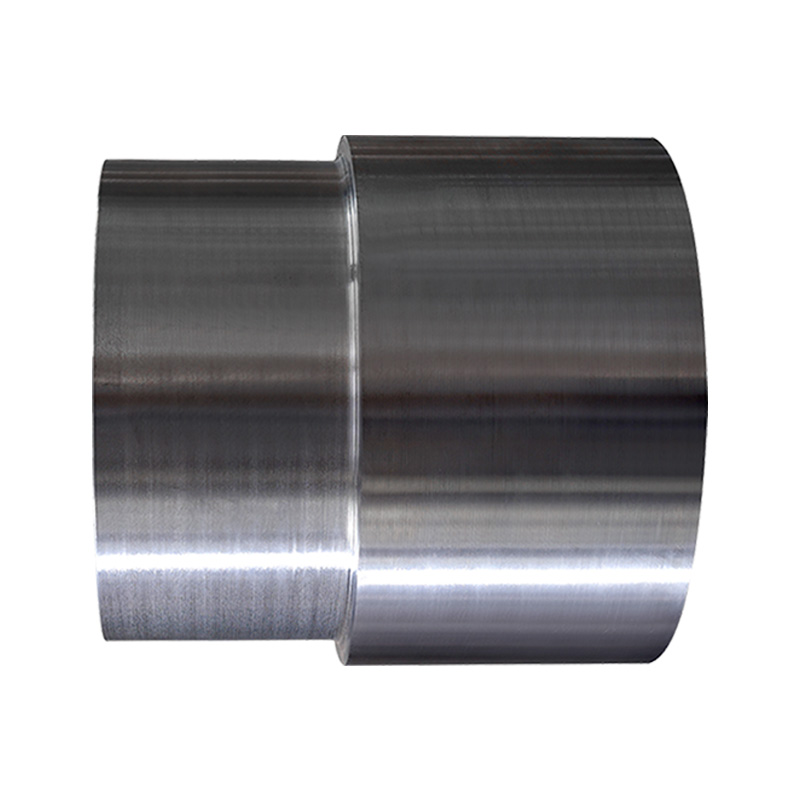
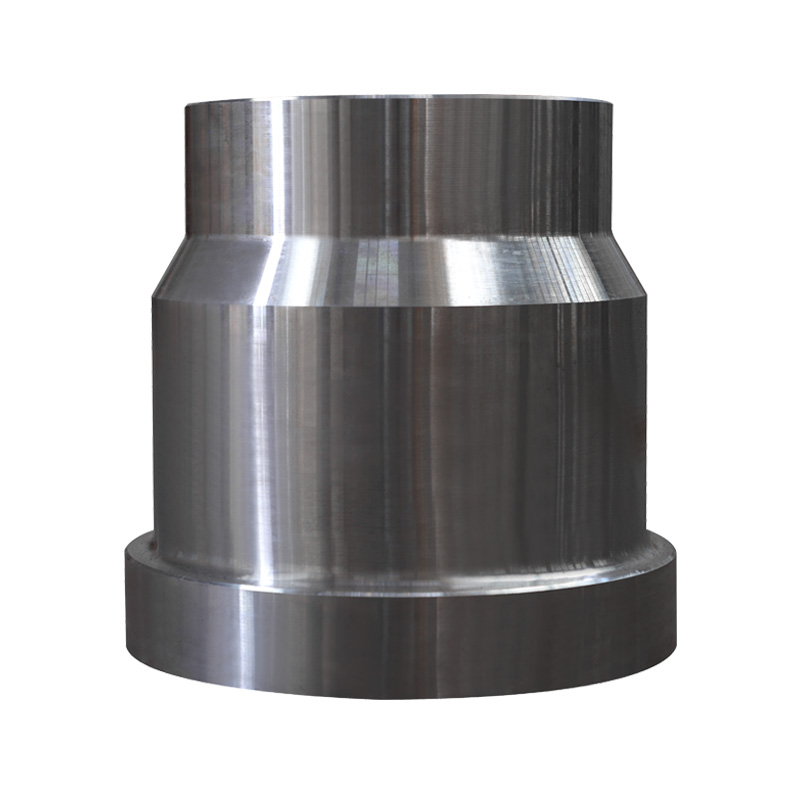
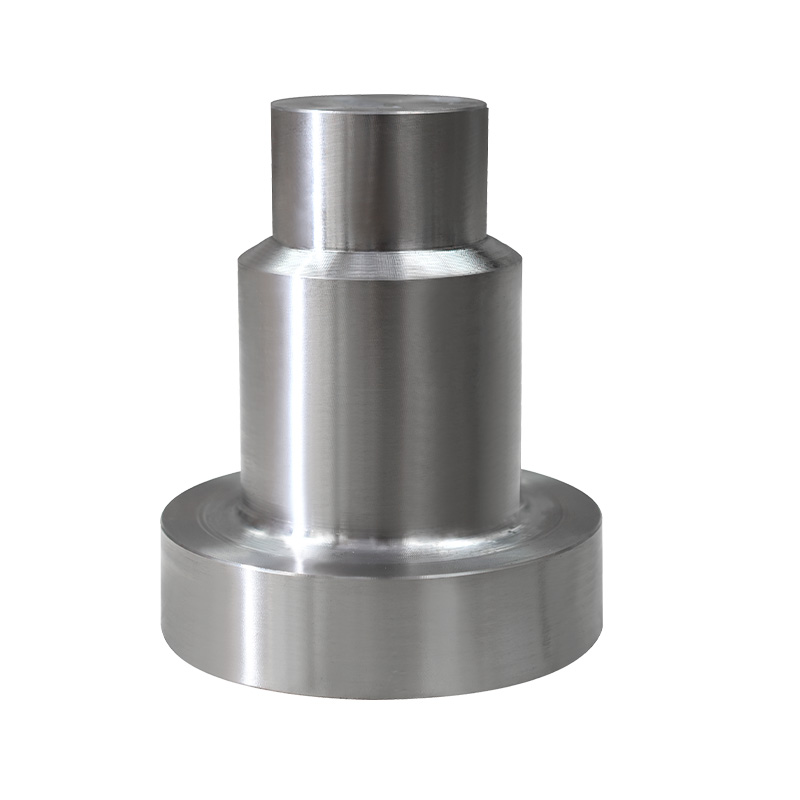
Metal forging is a manufacturing process that uses compressive force to shape metal into a desired form while keeping the metal below its melting point. Unlike casting, which relies on pouring molten metal into a mold, forging works with the metal in a solid, heated state. This distinction is what makes forged parts stronger and more reliable. When metal is pressed or hammered, its internal grain structure is compressed and aligned with the shape of the part, eliminating voids and producing a component that can withstand extreme loads, impacts, and cyclic stresses.
Almost every heavy industry depends on forged components for critical applications. Valve bodies in oil and gas pipelines, gear shafts in mining equipment, turbine rotors in power plants, and structural parts in construction machinery are all commonly forged. The process has been used for thousands of years, and modern production equipment now makes it possible to forge parts ranging from small hand tools to massive rings more than 20 feet in diameter.
How the Forging Process Works
The forging process follows a series of controlled steps. Each step matters because it directly affects the final mechanical properties and quality of the finished part. Below are the five main stages involved.
- Material selection. The process begins with choosing the correct billet or ingot. Carbon steel, alloy steel, stainless steel, aluminum, titanium, and nickel-based alloys are all forgeable. The chemistry of the starting material establishes the final strength, hardness, and corrosion resistance.
- Heating. The billet is heated in a furnace to the proper forging temperature. This softens the metal without melting it. Standard carbon steel forges between 1200°C and 1300°C (2200°F to 2400°F), while aluminum forges between 350°C and 500°C (660°F to 930°F). Titanium requires 900°C to 1100°C (1650°F to 2000°F).
- Deformation. The heated metal is placed between dies or on an anvil, then pressed or struck with a hammer. The compressive force deforms the material into the desired shape. The forging ratio, which is the starting cross-sectional area divided by the final area, typically needs to be at least 3:1 for good grain refinement.
- Heat treatment. After shaping, the part is heat-treated through annealing, normalizing, quenching, or tempering. This relieves internal stresses and balances hardness with toughness. Without this step, even a well-forged part could fail prematurely.
- Machining and finishing. Most forged parts need machining on critical surfaces to achieve final dimensions. Near-net shaping reduces the amount of material that needs to be removed, which saves time and cost. Surface treatments like shot blasting or coating may be applied for corrosion protection.
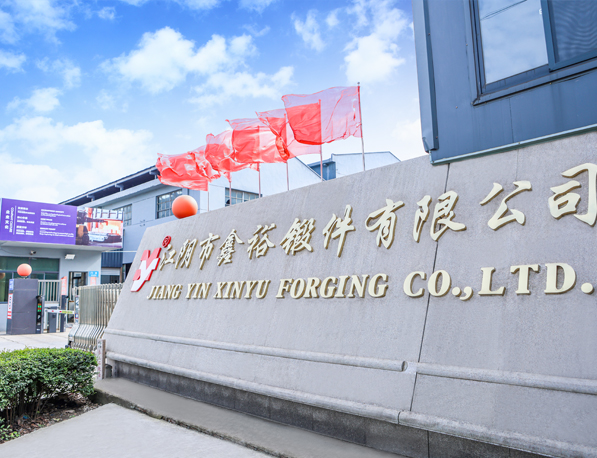
A reliable forging supplier controls each of these steps carefully. For example, Jiangyin Xinyu Forging is a manufacturer that handles material selection, forging, heat treatment, and machining under one roof, allowing better process control and shorter lead times for buyers.
Main Types of Metal Forging
Different part geometries and production volumes call for different forging techniques. There are three primary types of metal forging that cover nearly all industrial applications.
Open Die Forging
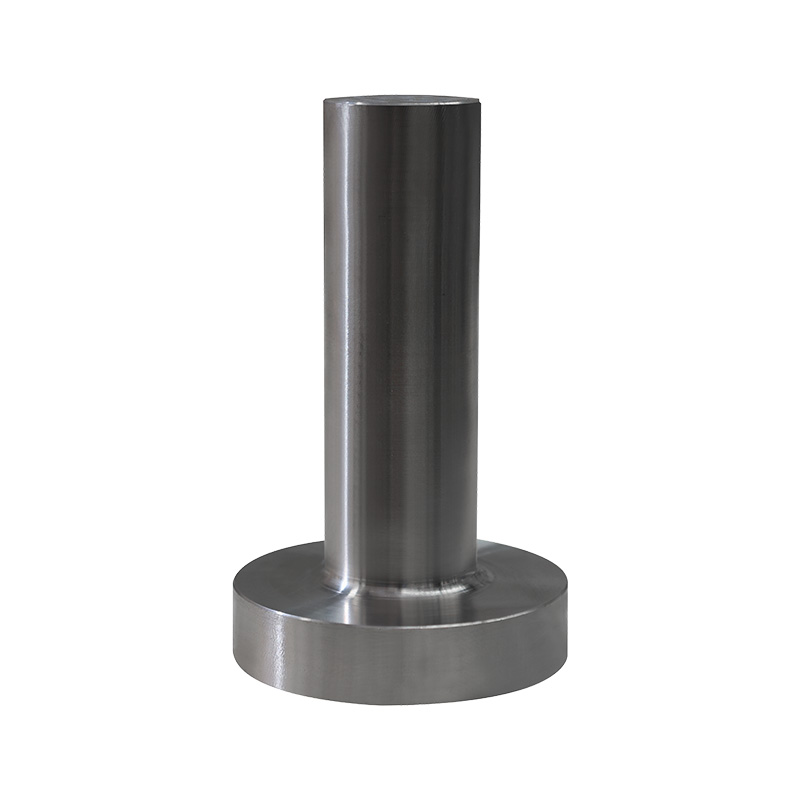
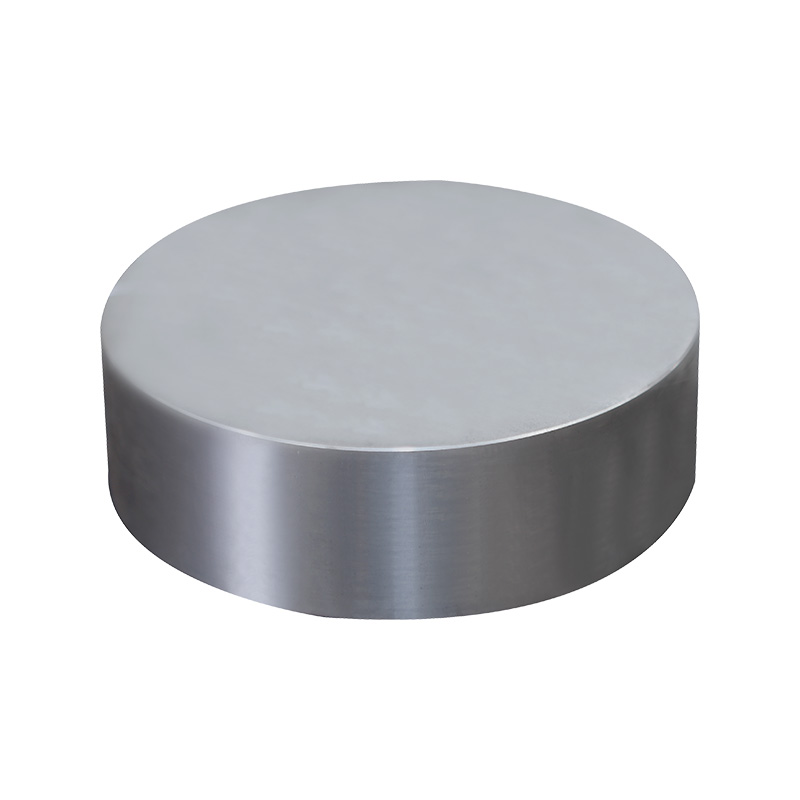
Open die forging uses two flat dies that do not fully enclose the metal. The workpiece is progressively shaped as the hammer or press strikes it. The operator moves the metal between blows to build the desired geometry. This method is ideal for large parts like shafts, discs, and blocks, where tooling costs must be kept low and production quantities are modest. A manufacturer that specializes in open die forging can produce parts with an outer diameter up to roughly 6.1 meters (20 feet) and a single-piece weight near 18.1 tons (40,000 pounds).
Closed Die Forging
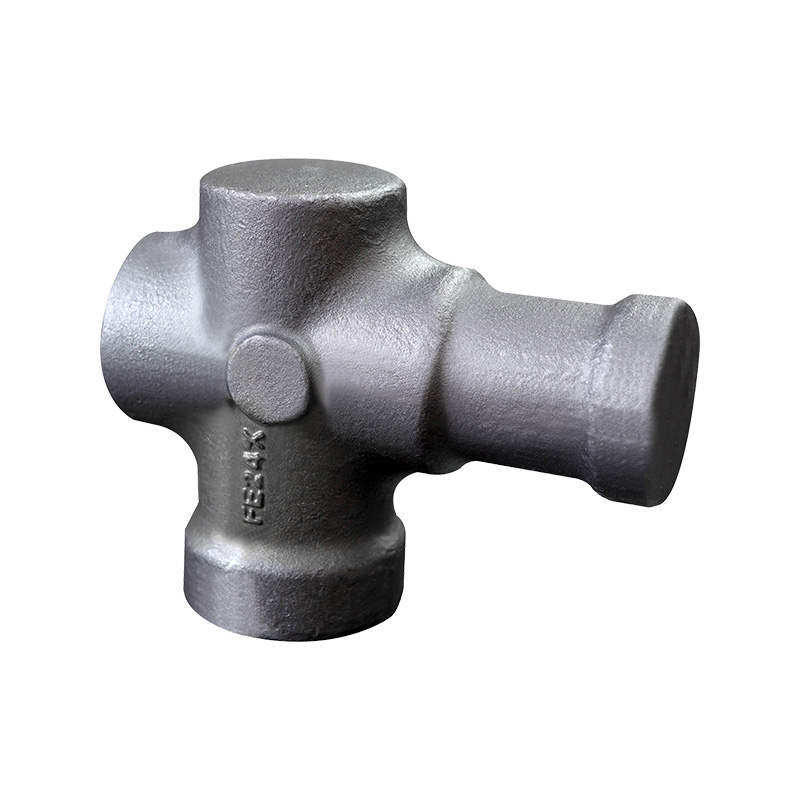
In closed die forging, also called impression die forging, the metal is placed inside a die cavity that carries the negative form of the final part. When pressure is applied, the metal flows into the cavity and adopts the die shape. Excess metal, known as flash, forms along the parting line and is trimmed later. Closed die forging offers excellent dimensional control and is used for complex shapes in higher volumes, such as valve bodies, connecting rods, and tool joints.
Seamless Ring Forging
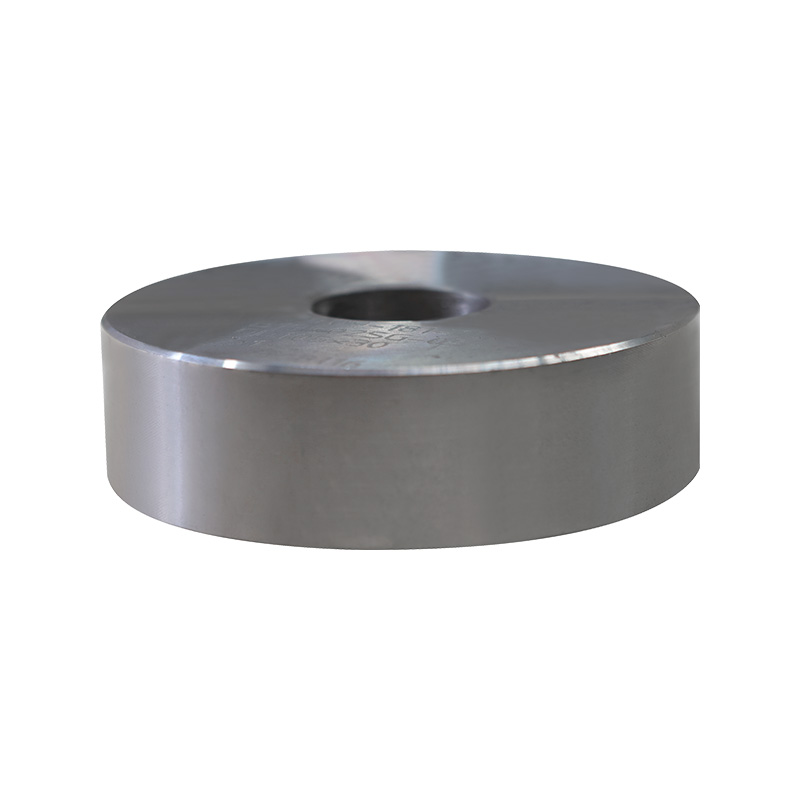
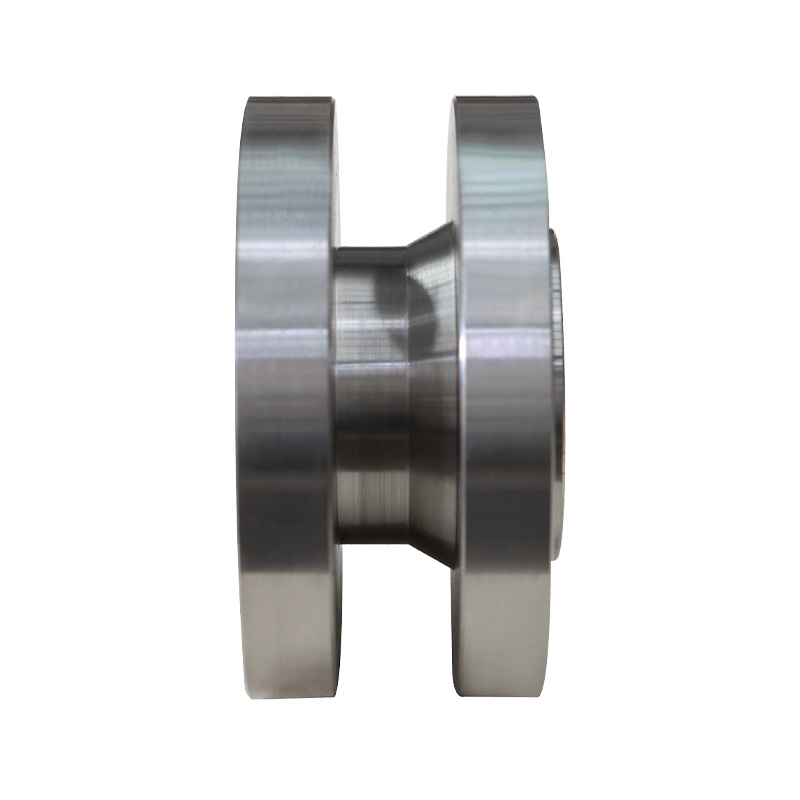
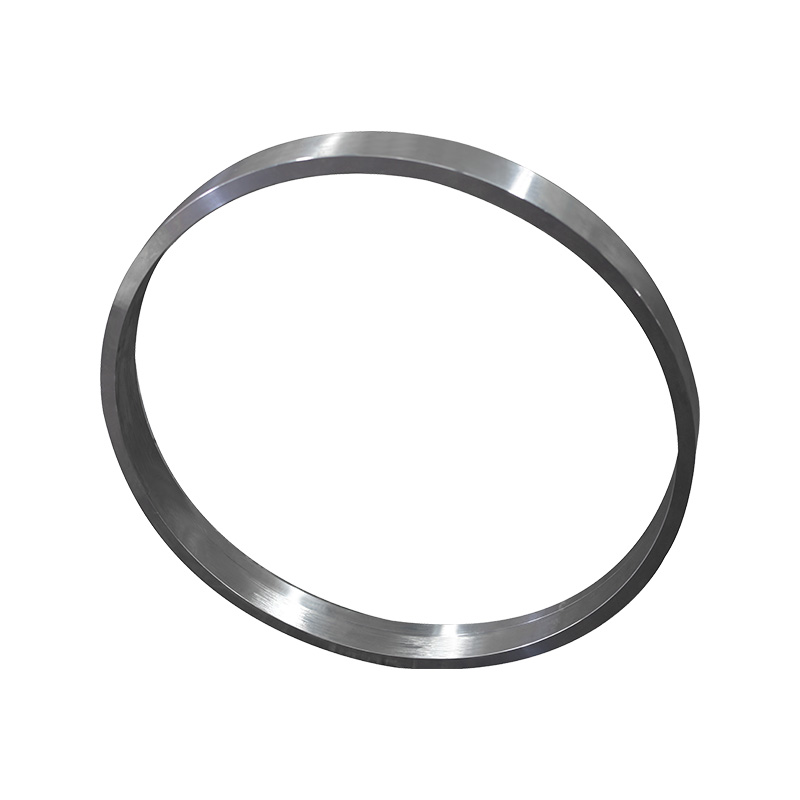
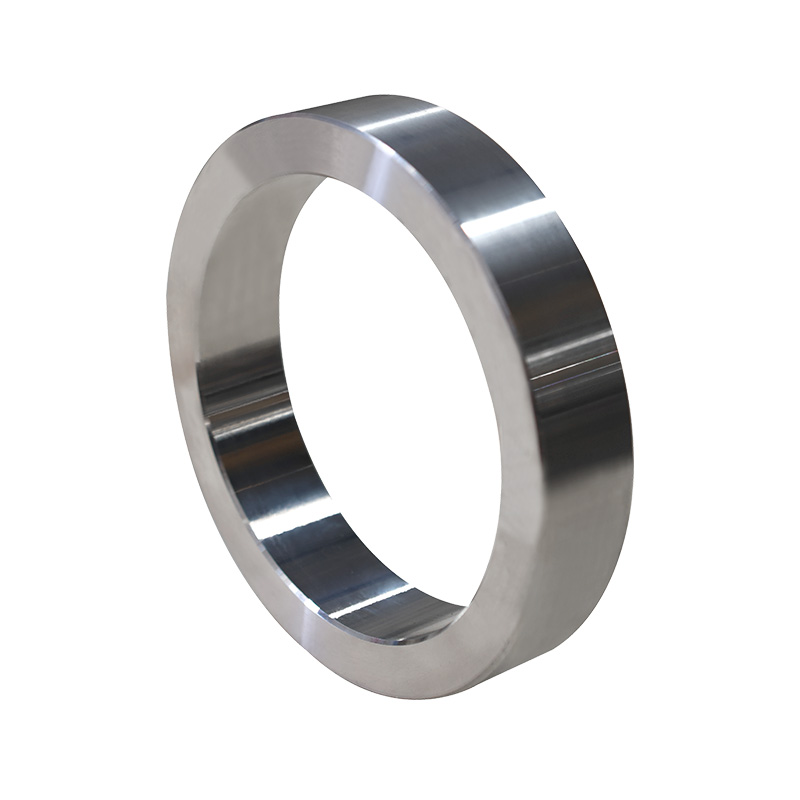
Seamless ring forging starts with a pierced billet. The ring is then expanded to the desired diameter and cross-section while being rolled or pressed over a mandrel. The grain flow follows the circumference of the ring, giving it excellent strength. Flanges, bearing races, gear blanks, and other ring-shaped components are commonly made this way. The seamless construction avoids the weak weld seams found in rolled-and-welded rings, making it the preferred choice for pressure-containing parts.
Materials Used in Metal Forging
The choice of material determines the forging process parameters and the final performance of the part. Each material has a specific temperature window for successful forging, as shown in the table below. Getting this right is a matter of engineering judgment based on decades of industry practice.
| Material | Forging Temperature Range | Primary Consideration |
|---|---|---|
| Carbon Steel | 1200°C - 1300°C | Good cost-performance balance |
| Alloy Steel | 1150°C - 1250°C | Higher strength with allowed alloying |
| Stainless Steel | 1150°C - 1250°C | Excellent corrosion resistance |
| Aluminum Alloy | 350°C - 500°C | High strength-to-weight ratio |
| Titanium Alloy | 900°C - 1100°C | Outstanding strength and corrosion resistance |
Among these, carbon steel and alloy steel are the most economical choices for general industrial use. Stainless steel is selected for equipment that handles corrosive media or food products. Aluminum is popular in aerospace and automotive components where weight matters. Titanium is reserved for the most demanding service, such as parts exposed to seawater or extreme temperatures.
Forging vs. Casting: Which Is Better for Critical Parts?
The debate between forging and casting comes down to one question: what level of mechanical performance do you need? For critical load-bearing components, forging is almost always the superior choice. The table below highlights the main differences.
| Aspect | Forging | Casting |
|---|---|---|
| Grain Structure | Aligned with the part contour | Random after solidification |
| Tensile Strength | Higher | Lower |
| Fatigue Resistance | Excellent | Moderate |
| Internal Defects | Very few | Porosity possible |
| Dimensional Accuracy | Very good | Excellent for complex shapes |
The mechanical advantage of forging comes from the physical deformation of the metal. The grains are literally folded and compressed together, which closes internal porosity and prevents crack initiation under load. Castings, on the other hand, depend on the solidification process. The random grain orientation and potential shrinkage cavities make cast parts more prone to failure in high-stress applications.
This is why pressure equipment, valve bodies, wellhead components, and rotating machine parts are specified as forged. It is also why a cast part is sometimes chosen despite lower strength: when the geometry is extremely complex and the service loads are modest, casting can offer a more economical solution. The decision should be made with the operating conditions in mind.
Industrial Applications of Metal Forging
Forged components are used across every major industrial sector. Their high strength, fatigue resistance, and load-bearing capacity make them indispensable in tough operating environments.
Oil and Gas Petrochemical Forgings
The oil and gas industry consumes a large share of forged parts. Valves, connectors, flanges, and pressure vessels must withstand high pressure and corrosive fluids. A forged valve body creates a sound pressure boundary that resists leaks even after years of service. For this reason, forgings are the standard choice for gate valves, ball valves, and check valves in wellhead and pipeline service.
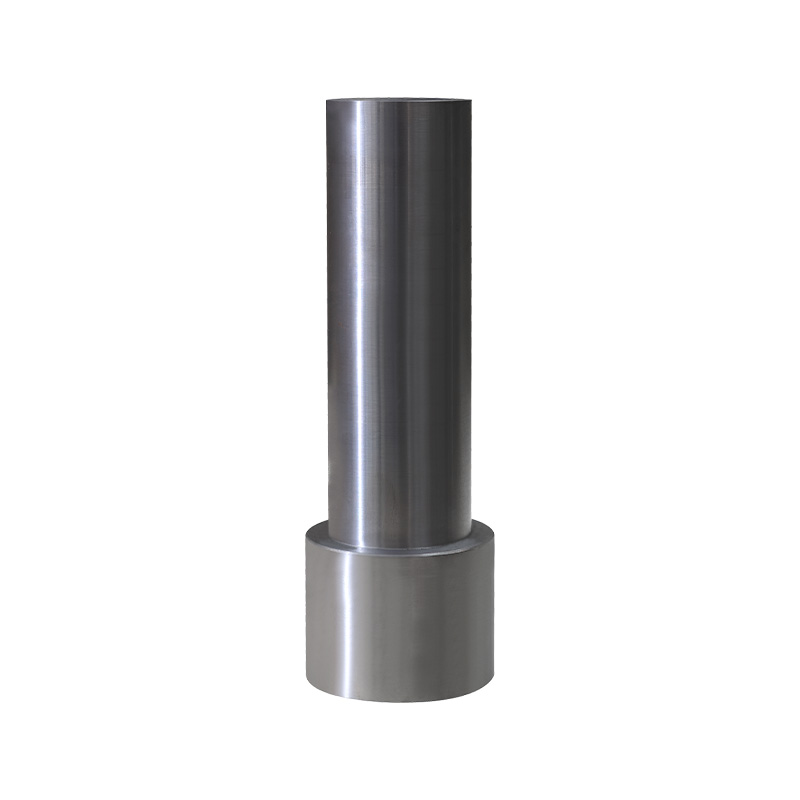
 Forged Components for Oil, Gas, and Petrochemical ApplicationsThese forgings ensure pressure boundary integrity and structural safety in extreme conditions. They are ideal for valves, flanges, and pressure vessels where reliability and corrosion resistance are critical.View Product →
Mining Machinery Forgings
Mining equipment is subjected to some of the most punishing conditions in industry. Crushers, conveyors, and drilling rigs all rely on forged shafts, gears, and wear plates. The forged grain structure gives these parts the inherent toughness to absorb repeated impacts without sudden failure. In mineral processing, forged rolls and components hold up better and require less frequent replacement than their cast counterparts.
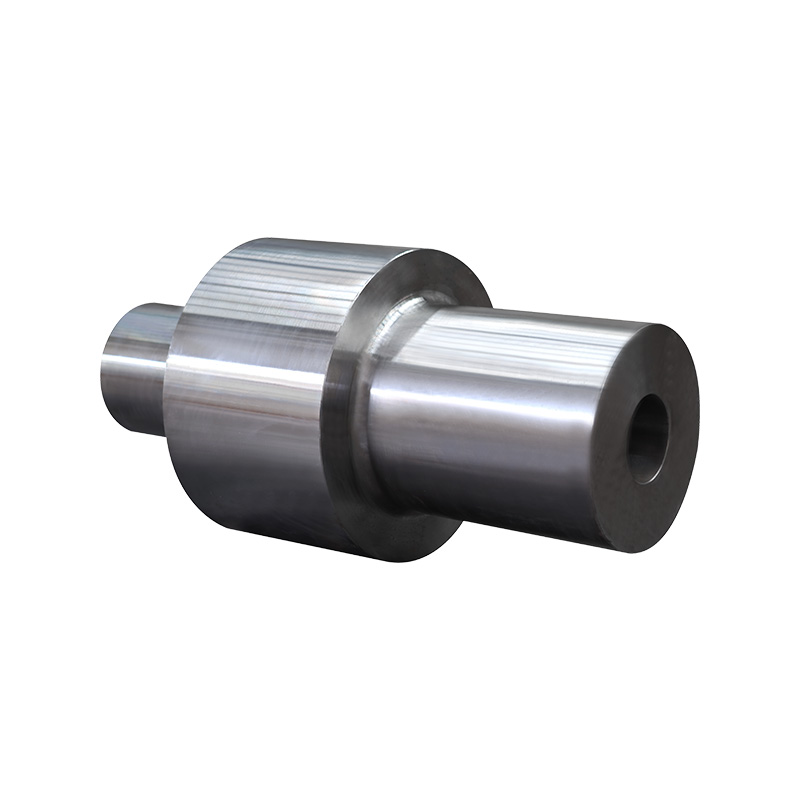
Forged Parts for Mining Machinery and EquipmentMining forgings provide toughness and wear resistance for crushers, conveyors, and drilling rigs, withstanding high impact and heavy loads for extended service life.View Product →
Valve Forgings
Valve bodies, bonnets, and stems are commonly forged to guarantee pressure containment and long-term reliability. Whether the valve connects oil pipelines, chemical reactors, or water treatment systems, a forged body gives engineers confidence that the component will hold pressure without developing leaks over time.
Forged Valve Bodies and Valve PartsValve forgings offer superior pressure containment and leak resistance. They are commonly used for gate, ball, and check valves in oil, chemical, and water systems.View Product →
Power Generation and Nuclear Components
Generator shafts, turbine rotors, and pump casings are forged because these parts must endure extreme rotational forces and temperature fluctuations. The forging process is particularly valuable in these applications because it ensures the metal behaves predictably under stress, which is essential for safety and efficiency.
Quality Considerations for Forged Products
Buying forged parts is a technical decision. The supplier must be evaluated on process knowledge, equipment capability, and willingness to document quality. Here are the most important factors to check.
- Material traceability. The starting billet must be traceable to its heat number. This is how you know the material actually matches the intended specification. Ask for a chemical composition report that matches the part you ordered.
- Forging ratio. A higher reduction ratio produces finer grain and better mechanical properties. For critical parts, a minimum forging ratio is usually specified. The manufacturer should be able to state the actual ratio used.
- Heat treatment documentation. The supplier should provide heat treatment records showing temperatures, times, and cooling methods. This is essential for verifying that the part has the correct hardness and toughness.
- Inspection methods. Ultrasonic inspection, magnetic particle inspection, and liquid penetrant inspection are common ways to detect defects. For safety-critical parts, inspection reports should be available on request.
- Process capability. It helps tremendously when one facility can handle material, forging, heat treatment, and machining. This reduces coordination risk and makes it easier to hold one supplier accountable for the whole part. You can review the forging capabilities of a supplier like Jiangyin Xinyu Forging, which operates this complete chain, on their capabilities page.
Forging capabilities of the supplier are critical when evaluating whether they can handle your specific part size and complexity.
Frequently Asked Questions
What is the simplest definition of metal forging?
Metal forging is a metalworking process that shapes metal using compressive force while the metal remains below its melting point. The process refines the internal grain structure, resulting in a component with higher strength, better fatigue resistance, and fewer internal defects than a cast part.
How is forging different from casting?
Casting melts metal and pours it into a mold. Forging shapes solid metal using pressure. Forged parts generally have better mechanical properties and are preferred for load-bearing components. Casting is useful for complex geometries where the freedom of shape is more important than strength.
What is the maximum size of a forged part?
The maximum size depends on the equipment available at the forging facility. Large open die forging presses can produce parts with outer diameters up to approximately 6.1 meters (20 feet) and single-piece weights nearing 18.1 tons (40,000 pounds).
Can all metals be forged?
Most metals can be forged, but the difficulty varies. Carbon steel, alloy steel, and stainless steel are common forging materials with well-established temperature ranges. Aluminum is straightforward to forge within its proper window. Titanium and nickel-based alloys require more specialized equipment and tighter process control.
What does forging ratio mean?
The forging ratio is the starting cross-sectional area divided by the final cross-sectional area. A higher ratio indicates more deformation, which generally yields finer grains and better mechanical properties. A ratio of 3:1 or more is commonly used in engineering practice.
How do I choose between open die and closed die forging?
Choose open die forging when you need very large parts with simple shapes in low volume. Choose closed die forging when you need complex shapes in high volume, where the cost of the die can be spread across many parts. Consider the expected annual quantity and part dimensions when making this decision.
Conclusion
Metal forging is one of the most reliable manufacturing processes for critical components. The grain refinement that occurs during deformation gives forged parts a clear mechanical advantage over cast alternatives. Understanding the different forging types, the materials available, and the key quality parameters helps engineers and buyers select the right part for their application.
When you need a component that must not fail, forging should be at the top of your list. If you are evaluating a supplier, a manufacturer that handles material, forging, heat treatment, and machining in one facility can simplify your supply chain and improve quality control. You can contact their team to discuss your project specifications and get a tailored recommendation.