Carbon is the single element that separates plain iron from steel, and the amount present, typically between 0.05% and 2.0% by weight, decides almost everything about how a piece of steel behaves under load, heat, and a forging hammer. Raise the carbon percentage and the metal gains hardness and tensile strength but loses ductility and weldability; lower it and the steel stays soft, formable, and easy to weld but cannot hold a hard edge or high strength without help from alloying elements. Every mill certificate, every forging drawing, and every grade designation such as 1045 or 4140 traces back to this one ratio.
What Carbon Actually Does Inside Steel
Iron on its own is a soft, relatively weak metal. When carbon atoms are introduced during smelting, they lodge between the iron atoms in the crystal lattice and form a compound called cementite (iron carbide, Fe3C) alongside a solid solution called ferrite. The balance between these two microstructures, and later between pearlite, martensite, and bainite after heat treatment, is what gives steel its mechanical personality.
A useful way to picture it: ferrite is the soft, magnetic, easily bent part of the structure, while cementite is hard and brittle. As carbon content climbs, more cementite forms, and the steel's hardness rises in a fairly predictable curve. Metallurgists have tracked this relationship since the early twentieth century, and it remains the basis of the iron-carbon phase diagram used in every metallurgy classroom today.
Why Carbon Content Is Measured in Fractions of a Percent
Because the effect of carbon is so strong, differences as small as 0.10% change a steel's classification and its suited application. A 1020 steel (0.20% carbon) behaves nothing like a 1095 steel (0.95% carbon) even though both are technically plain carbon steels. This is why steel producers report carbon content to the hundredth of a percent on mill test reports rather than rounding to the nearest whole number.
Carbon Steel Classifications by Percentage
Plain carbon steels are grouped into four broad families based on carbon content. Each family has a distinct set of typical uses, and forgers select among them based on the balance of strength, toughness, and machinability the finished part requires.
General carbon steel classification ranges as defined by SAE/AISI grade numbering.
| Classification |
Carbon Content |
Typical Grades |
Common Use |
| Low carbon (mild steel) |
0.05% - 0.30% |
1006, 1018, 1020 |
Structural shapes, sheet, wire |
| Medium carbon |
0.31% - 0.60% |
1035, 1045, 1050 |
Shafts, gears, forged crankshafts |
| High carbon |
0.61% - 1.00% |
1065, 1080, 1095 |
Springs, cutting tools, blades |
| Ultra-high carbon |
1.01% - 2.00% |
Specialty tool steels |
Wear plates, dies, punches |
Above roughly 2.0% carbon, the material is no longer classified as steel at all; it becomes cast iron, which is far more brittle and is shaped by casting rather than forging or rolling.
How Carbon Content Changes Mechanical Properties
The relationship between carbon and mechanical performance is one of the most consistent trends in materials engineering. As carbon percentage increases, four properties move in a predictable direction:
- Hardness rises — more cementite in the microstructure resists indentation and abrasion.
- Tensile strength rises — up to a point, additional carbon lets the steel carry more load before failure.
- Ductility falls — the steel bends and stretches less before cracking, so cold forming becomes harder.
- Weldability falls — higher carbon steels are more prone to cracking in the heat-affected zone unless preheated and controlled carefully.
This is why a forged automotive axle shaft, which needs both strength and the ability to absorb shock without shattering, typically uses a medium carbon grade such as 1045 rather than reaching for a high carbon steel that would be stronger in a lab test but too brittle for a road impact.
Carbon Content and the Steel Forging Process
Steel forging shapes metal by compressive plastic deformation, using hammers, presses, or rolls to force heated steel into a die or desired form. Carbon content governs almost every decision a forge shop makes before the first hammer blow lands.
Forging Temperature Windows
Low and medium carbon steels are typically forged between 1150°C and 1250°C (roughly 2100°F to 2280°F), where the material sits in its austenitic phase and flows readily under pressure. High carbon steels are usually forged toward the lower end of that range, since excessive heat combined with high carbon content encourages grain growth and surface decarburization, both of which weaken the finished part.
Why Forgers Prefer Medium Carbon Grades
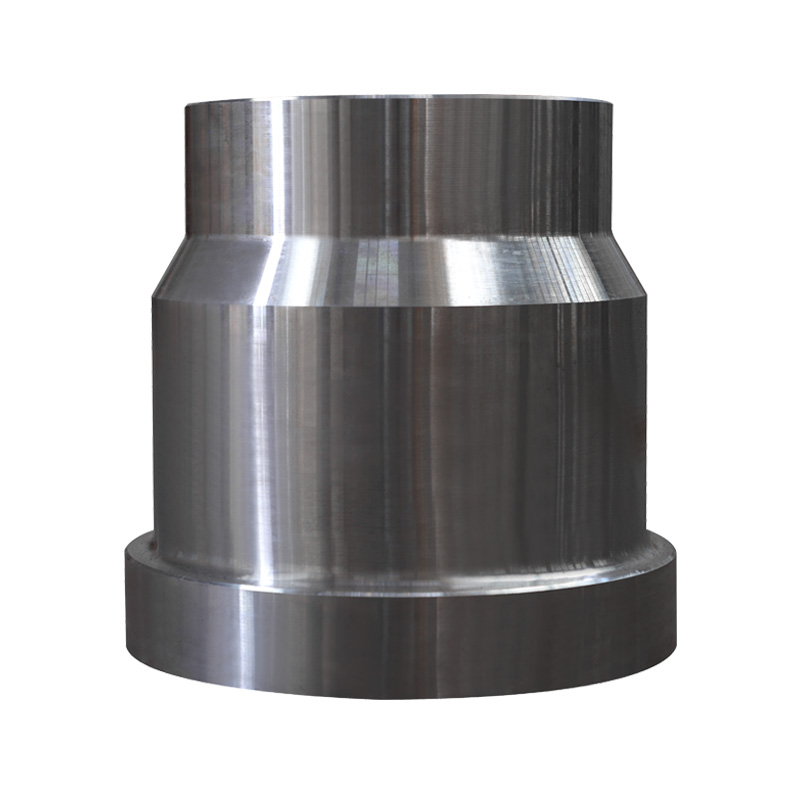
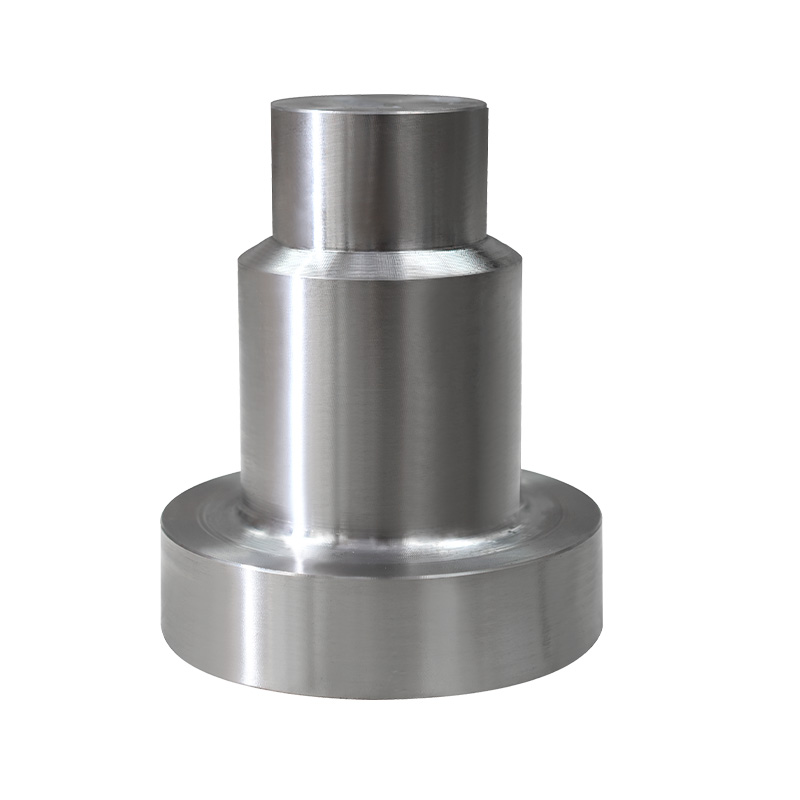
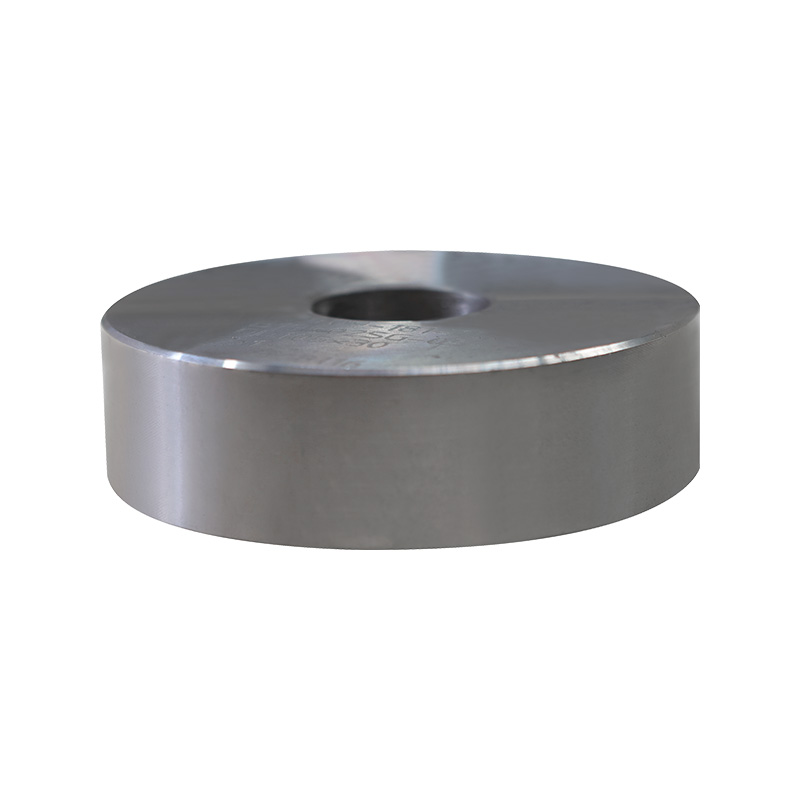
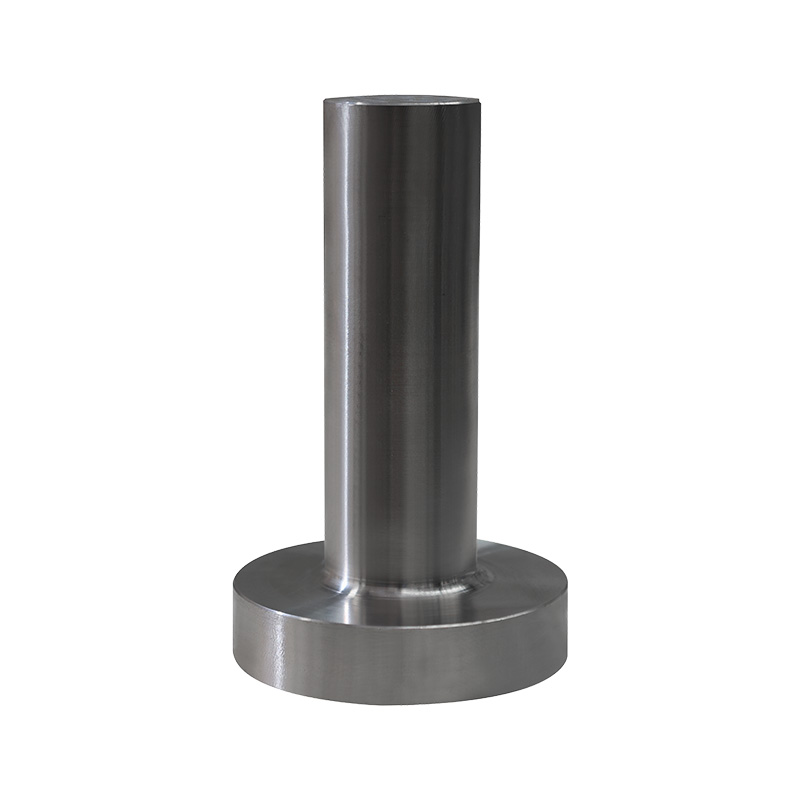
Medium carbon steels such as 1040, 1045, and 4140 dominate the forging industry because they strike a workable balance: enough carbon to respond well to post-forging heat treatment like quenching and tempering, but not so much that the billet cracks under the die. Components such as crankshafts, connecting rods, gears, flanges, and hand tools are almost always forged from this middle band rather than from the extremes.
Grain Flow and Strength Gains
Forging does more than shape steel; it aligns the internal grain structure along the contours of the part. A forged component follows continuous grain flow lines, while a machined or cast part cuts across the grain or has none at all. Industry testing has repeatedly shown that forged steel parts can carry meaningfully higher fatigue resistance than cast or machined parts of the identical chemical composition, which is why forged carbon steel remains the standard for safety-critical components like steering knuckles and crankshafts.
Carbon Steel Compared With Alloy Steel and Stainless Steel
Carbon content alone does not tell the whole story once other elements enter the mix. Understanding where plain carbon steel sits relative to its alloyed cousins helps explain why a forging drawing might call for one family over another.
Comparison of plain carbon steel with alloy and stainless steel families.
| Steel Family |
Key Additions |
Main Advantage |
Trade-off |
| Plain carbon steel |
Carbon only, trace manganese |
Low cost, easy to forge |
No corrosion resistance |
| Alloy steel (e.g. 4140) |
Chromium, molybdenum, nickel |
Deeper hardenability, higher strength |
Higher material cost |
| Stainless steel (e.g. 304, 17-4PH) |
Chromium 10.5%+, sometimes nickel |
Corrosion resistance |
Harder to forge, costlier |
In practice, a purchasing engineer chooses plain carbon steel when the part will be coated, painted, or kept indoors, and reaches for alloy or stainless grades when the application demands corrosion resistance or higher hardenability through thicker cross-sections.
Choosing a Carbon Steel Grade for a Forged Part
Selecting the right carbon percentage is a balancing act between three questions: how strong does the part need to be, how much shock or fatigue will it absorb, and how will it be machined or joined afterward.
- Identify the load type. Static loads tolerate higher carbon content; repeated impact loads favor medium carbon with good toughness.
- Check the post-forging operations. If the part will be welded downstream, keep carbon content under roughly 0.30% unless preheat and controlled cooling are part of the process plan.
- Confirm the heat treatment path. Medium and high carbon steels respond well to quench and temper cycles; low carbon steels rely on case hardening or carburizing instead.
- Weigh machinability against hardness. Higher carbon content generally means slower cutting speeds and faster tool wear during secondary machining.
A forge shop supplying automotive or agricultural equipment manufacturers will frequently standardize on a handful of grades, most commonly 1045 for general shafting and 4140 where higher strength-to-weight ratio is required, precisely because these grades sit in the sweet spot between forgeability and finished-part performance.
Heat Treatment After Forging
Forging alone rarely delivers a part's final mechanical properties. Carbon content determines which heat treatments are even possible afterward.
Normalizing
Nearly all carbon steel forgings are normalized after forging, heated above the critical temperature and air cooled, to refine grain structure and relieve the uneven stresses left behind by the forging process.
Quenching and Tempering
Medium and high carbon steels can be quenched in oil or water to form martensite, then tempered to trade some hardness back for toughness. The carbon percentage sets a ceiling on achievable hardness; a steel below about 0.30% carbon simply cannot reach the same as-quenched hardness as a 1060 or 1080 grade, regardless of quench severity.
Case Hardening for Low Carbon Parts
Low carbon steels that need a hard wear surface but a tough core, such as gears, are instead carburized: carbon is diffused into the outer surface at high temperature, then that surface layer alone is quenched hard while the low carbon core stays ductile.
Frequently Asked Questions
What carbon percentage makes steel hard enough for tools?
Tool applications generally start around 0.60% carbon and go up to roughly 1.0%, since this range hardens well through quenching and holds a sharp edge.
Does higher carbon always mean stronger steel?
Only up to a point. Tensile and yield strength climb with carbon content, but past roughly 0.80-0.90% the gains flatten while brittleness continues to increase, so more carbon is not automatically better for every application.
Why is medium carbon steel the most common forging material?
It offers the widest practical window: enough carbon to harden through heat treatment, yet ductile enough to withstand the compressive forces of forging without cracking the billet.
Can low carbon steel be forged?
Yes. Low carbon steel forges easily because of its high ductility, and it is commonly chosen for parts that will be welded or that need a tough, shock-resistant core rather than surface hardness.
How is carbon content measured in a finished steel part?
Producers use combustion analysis or optical emission spectroscopy to measure carbon percentage directly from a sample, and the result is reported on the mill test certificate that accompanies the material.
What happens if carbon content is too high for a forging application?
Excess carbon reduces ductility to the point where the billet can crack during compression, particularly at die corners and thin sections, which is why forge shops specify carbon content ranges rather than accepting broad mill tolerances.



 英语
英语 德语
德语 阿拉伯语
阿拉伯语