

 英语
英语 德语
德语 阿拉伯语
阿拉伯语

Content
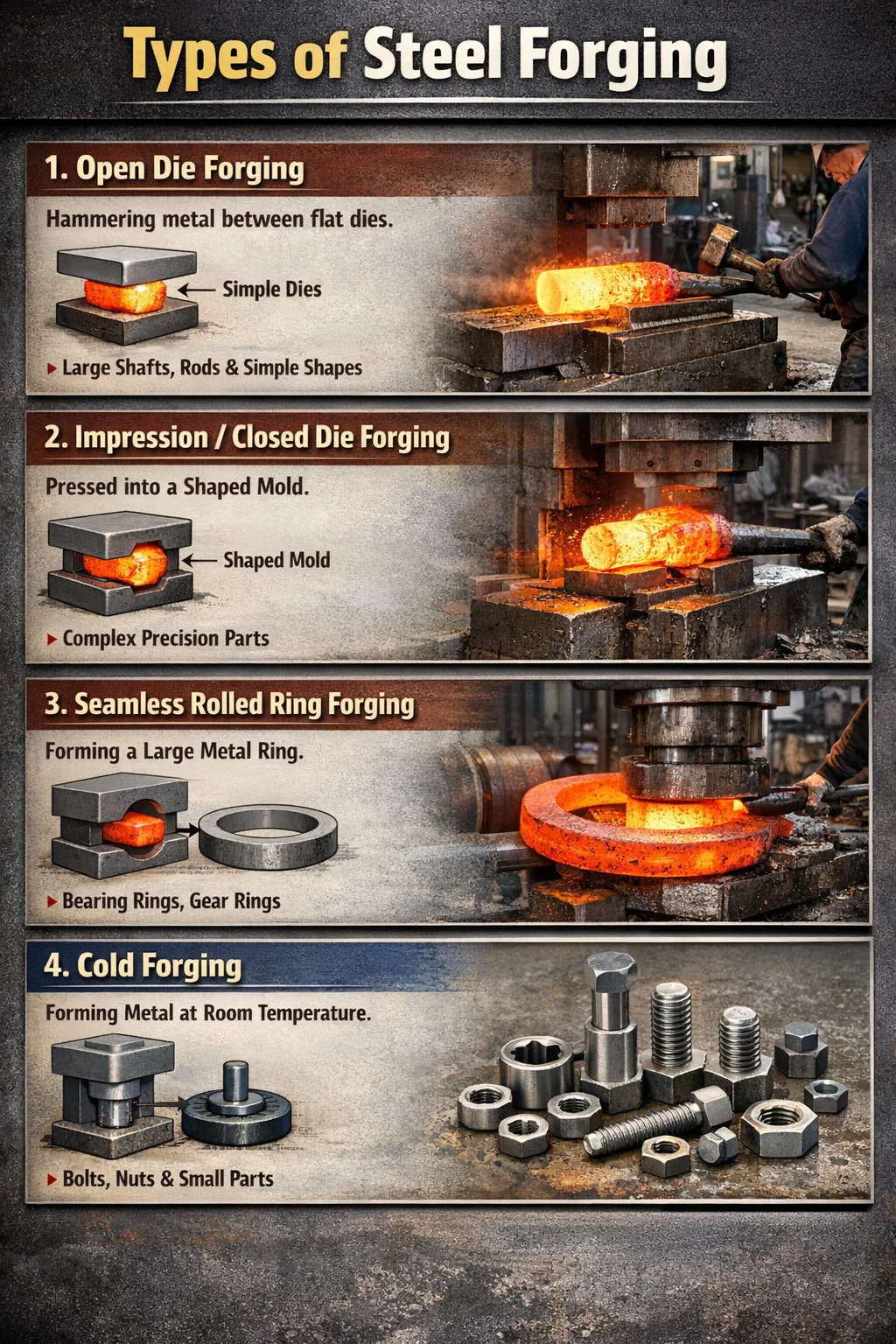
In the field of metal processing, there are many different forging processes. According to the most common classification method, steel forging can usually be divided into the following four categories:
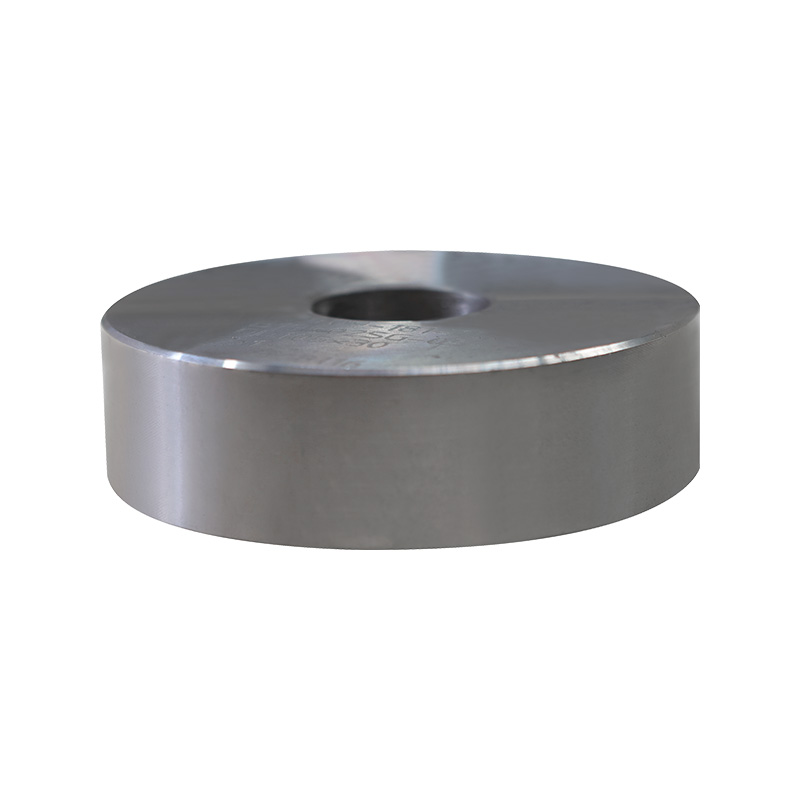
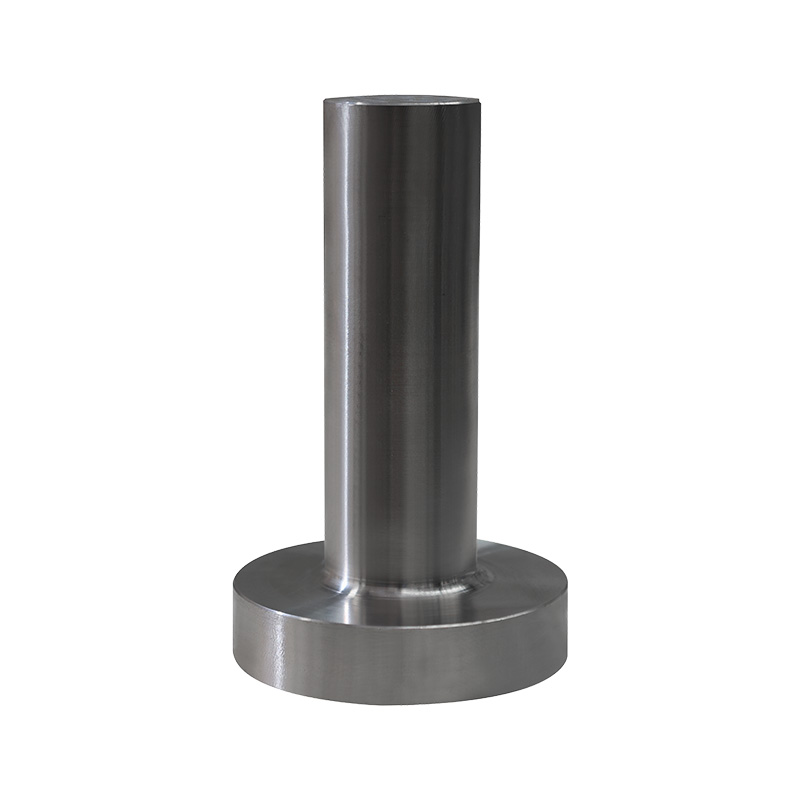
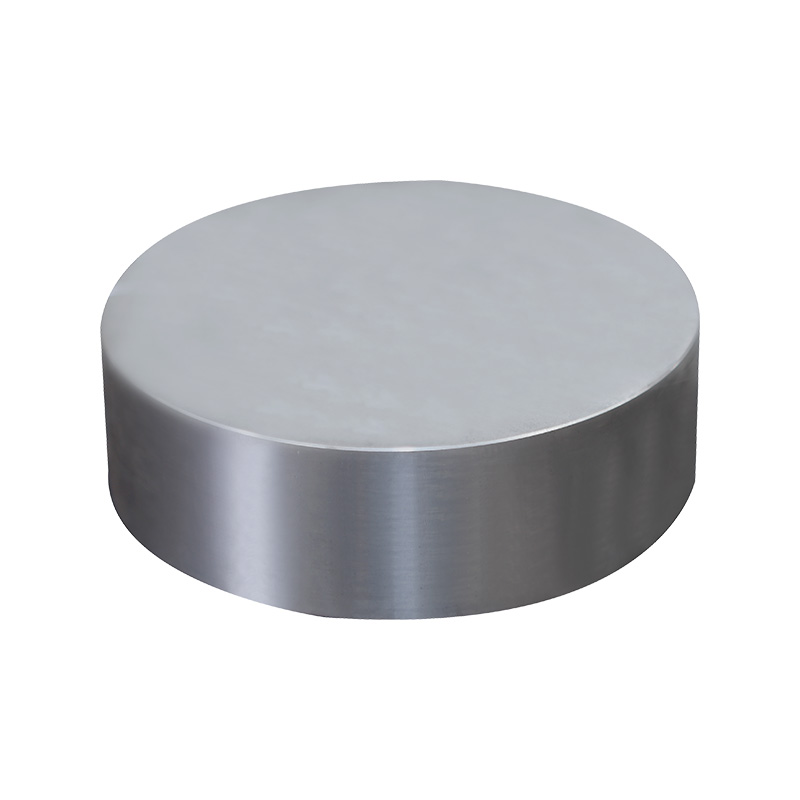
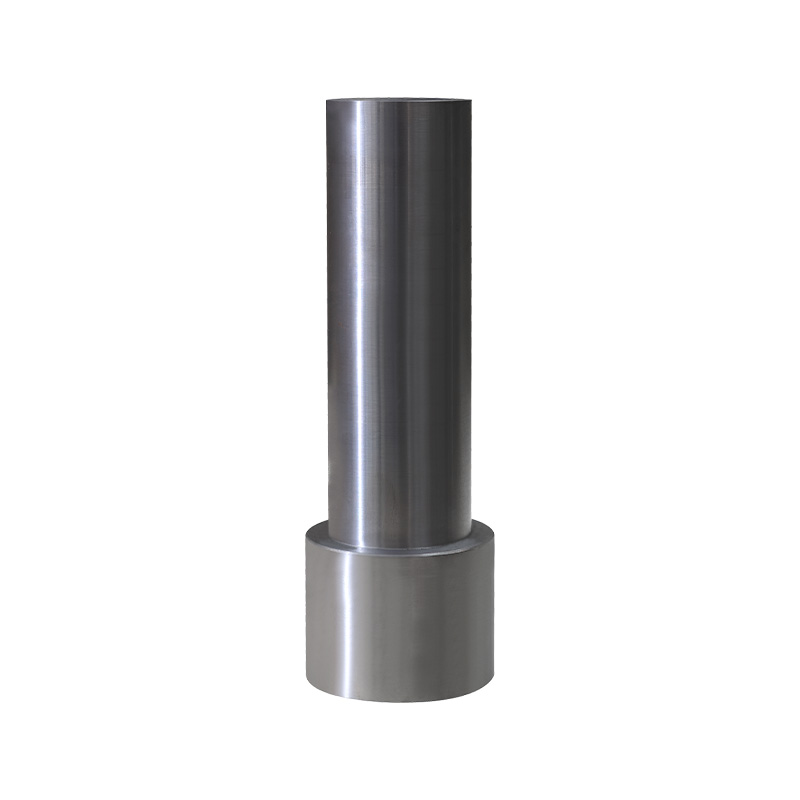
1. Open Die Forging
Simplified explanation: Imagine an old carpenter hammering wood on a flat table; the metal is "manipulated" between two flat or very simply shaped dies.
Characteristics: The metal can flow freely in all directions when compressed, and is not completely confined within the die.
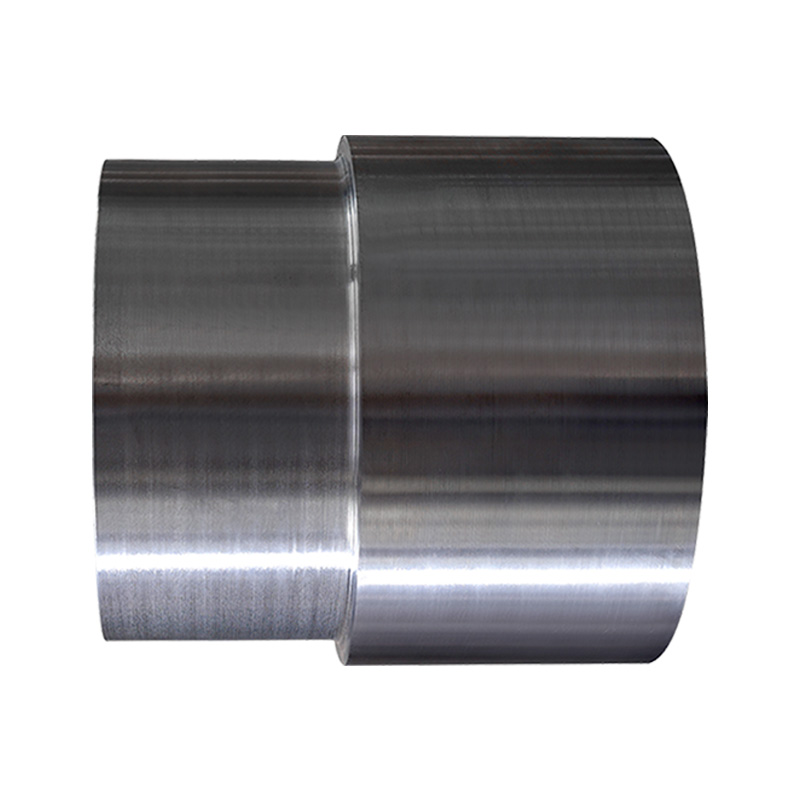
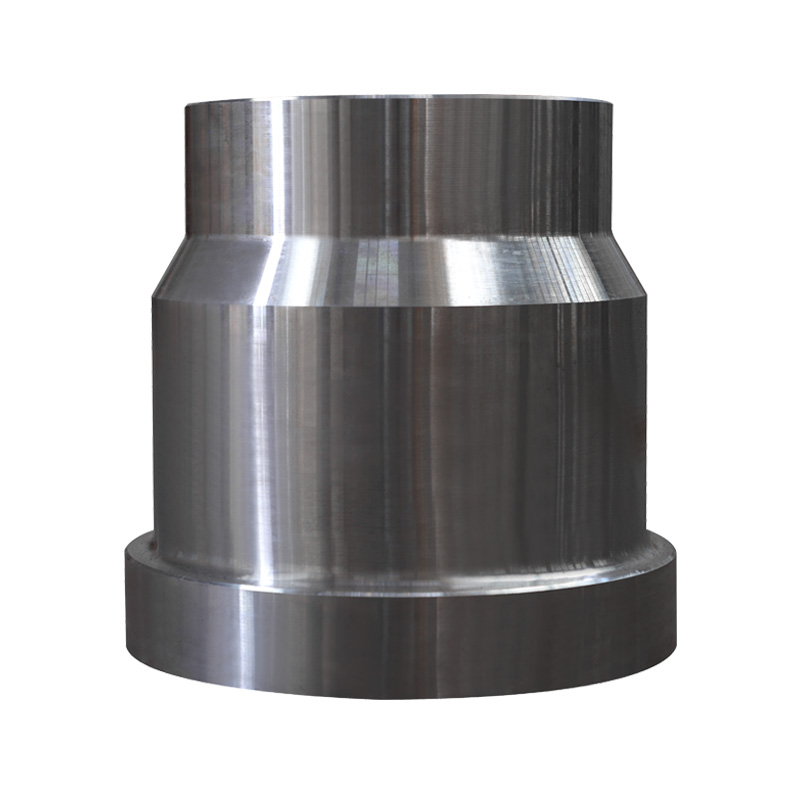
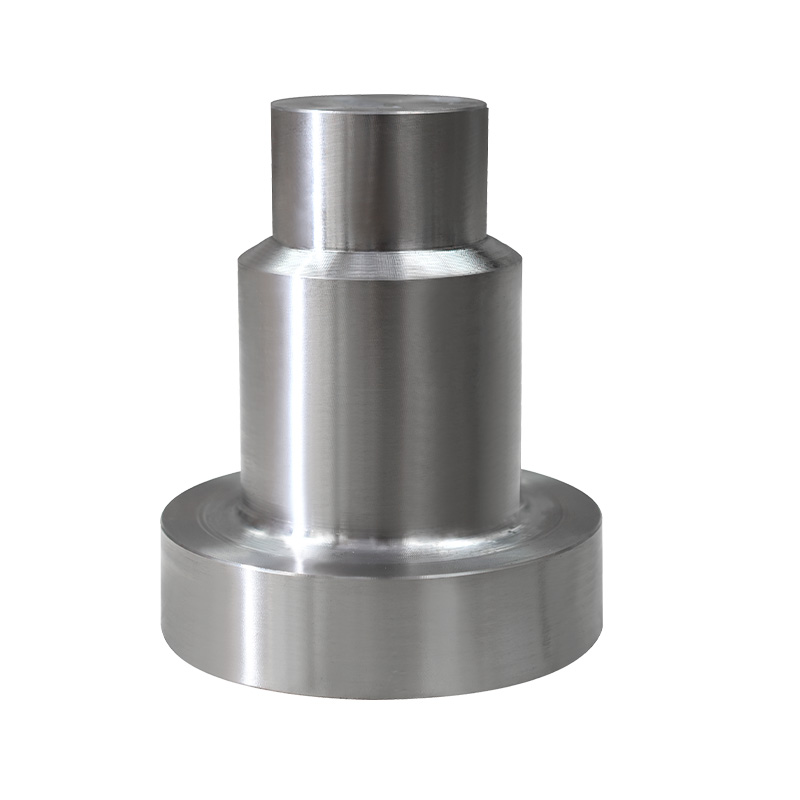
Uses: This method is best suited for making large objects, such as huge shafts, long rods, or parts with relatively simple shapes. It is highly flexible and does not require specially customized complex molds, making it suitable for small-batch or extra-large steel forgings.
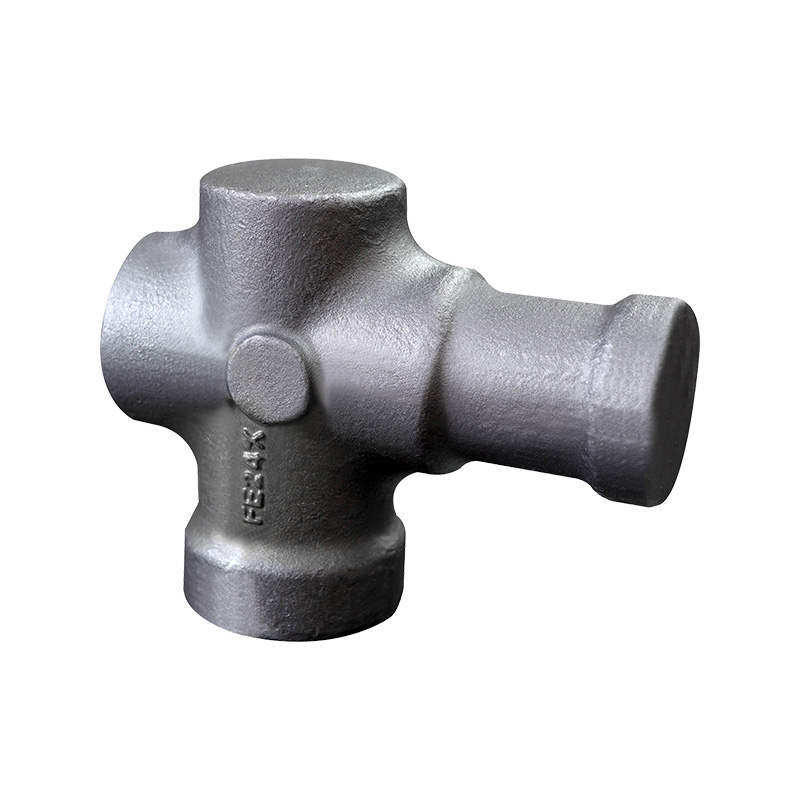
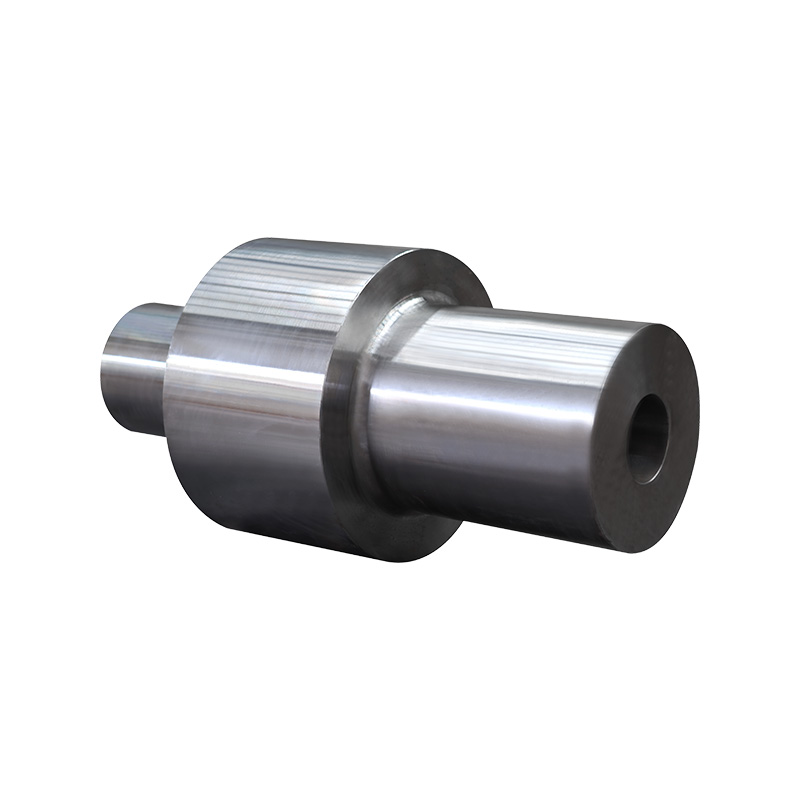
2. Impression Die Forging / Closed Die Forging
Simplified explanation: Imagine using a mold to press mooncakes. A metal block is placed into a metal box (mold) with a pre-engraved, precise shape, and then subjected to immense pressure, forcing the metal to fill every corner of the mold.
Characteristics: Can produce parts with very complex shapes and very precise dimensions. Although the molds are expensive, the production speed is fast, and each part is almost identical.
Uses: Common items in daily life, such as connecting rods for cars and wrenches, are mostly produced this way.
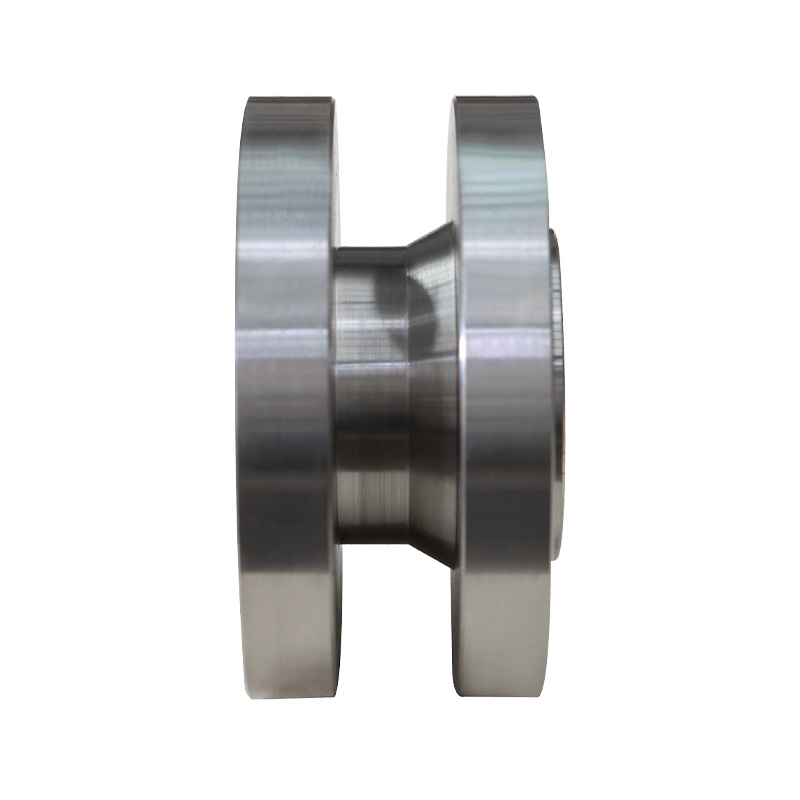
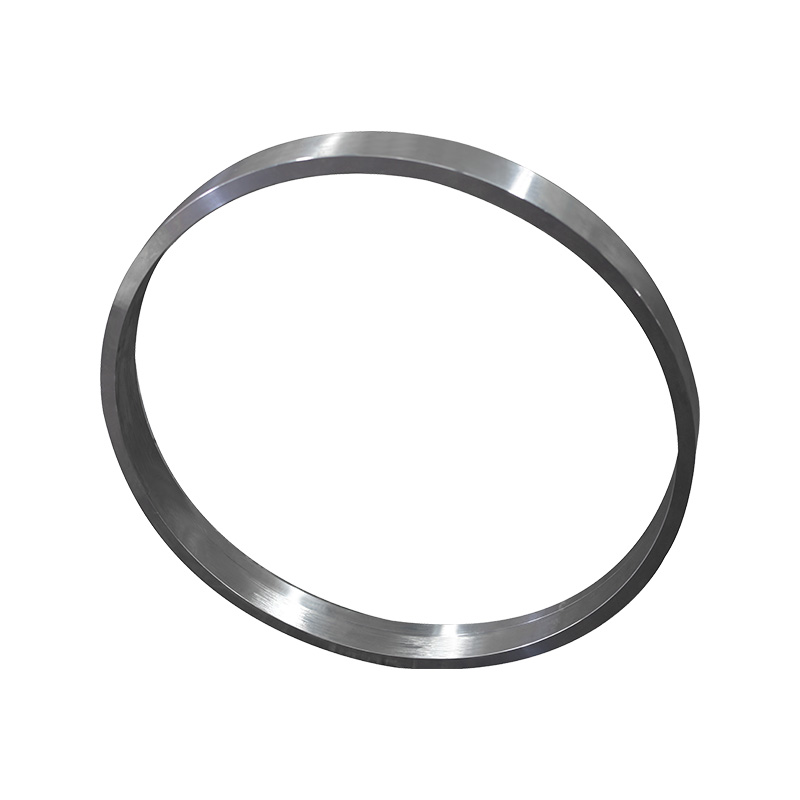
3. Seamless Rolled Ring Forging
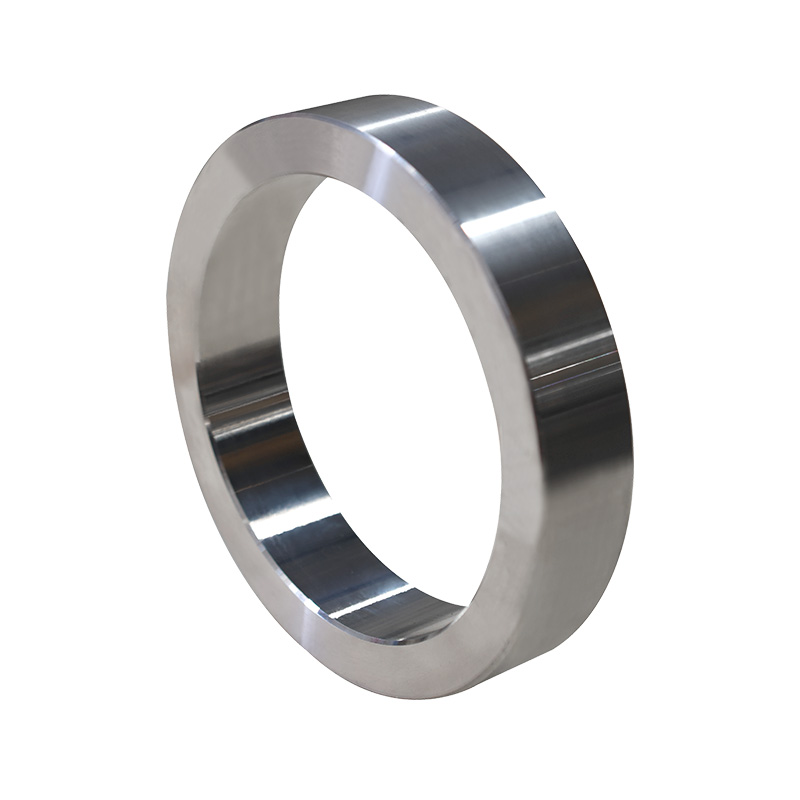
Simplified explanation: Imagine kneading dough to make a donut. First, a hole is made in the center of a metal disc, and then it is placed on a special machine, where it is rotated and compressed like a roller, making the ring larger and the wall thickness thinner.
Characteristics: The rings produced by this process have no seams and are very strong.
Uses: Specifically used to manufacture bearing rings, gear rings, or ring-shaped parts for aircraft engines.
4. Cold Forging
Simplified explanation: The previous three methods usually involve heating the metal to a red-hot state, but cold forging involves directly compressing the metal at room temperature (or with only slight heating).
Characteristics: Because it does not involve high temperatures, the surface of the metal is very smooth, and the material becomes denser and harder internally. It requires more force from the machine.
Applications: Suitable for producing large quantities of small parts, such as the bolts, nuts, and various precision small screws that we see everywhere.