

 英语
英语 德语
德语 阿拉伯语
阿拉伯语

Content
- 1 Is Stainless Steel or Carbon Steel Stronger? The Direct Answer
- 2 Understanding the Four Types of Strength That Actually Matter
- 3 Carbon Steel Strength by Grade: Mild, Medium, High-Carbon, and Alloy Steel
- 4 Stainless Steel Strength by Family: Austenitic, Ferritic, Martensitic, and Duplex
- 5 The Metallurgy Behind the Numbers: Why Carbon and Chromium Change Strength
- 6 How Steel Forging Changes the Strength Equation
- 7 Heat Treatment Options for Each Material
- 8 Hardness, Wear Resistance, and Impact Toughness Compared
- 9 Fatigue Life and Cyclic Loading Behavior
- 10 Corrosion Resistance: The Tradeoff Behind the Strength Numbers
- 11 Machinability and Weldability: Working With Each Material
- 12 Matching Strength to Application: Structural, Marine, Food-Grade, Tooling, and More
- 13 Side-by-Side Summary: Carbon Steel vs Stainless Steel Across Every Category
- 14 Cost and Long-Term Value Considerations
- 15 Common Myths About Steel Strength, Corrected
- 16 A Simple Decision Framework for Choosing Between Carbon Steel and Stainless Steel
- 17 Frequently Asked Questions
- 17.1 Is stainless steel always weaker than carbon steel?
- 17.2 Does steel forging make stainless steel stronger than carbon steel?
- 17.3 Which is better for load-bearing structural applications?
- 17.4 Why does stainless steel resist denting less than carbon steel?
- 17.5 Is forged stainless steel worth the added cost over forged carbon steel?
- 17.6 Can stainless steel be hardened the same way carbon steel is?
- 17.7 Why do some stainless grades perform better in cold environments than carbon steel?
- 17.8 Does higher carbon content always mean a stronger steel?
Is Stainless Steel or Carbon Steel Stronger? The Direct Answer
Carbon steel generally wins on raw yield and tensile strength in equivalent, ordinary grades, while high-performance stainless families such as duplex and precipitation-hardened stainless can match or exceed it. In plain terms: a standard structural carbon steel like A36 sits around 250 MPa yield strength, while a common austenitic stainless such as 304 sits closer to 205 to 215 MPa yield strength, so carbon steel edges ahead in that specific comparison. But stainless steel is not one material, it is a family of alloys with very different crystal structures, and grades like duplex 2205 or martensitic 17-4 PH regularly outperform ordinary carbon steel on both yield and tensile numbers.
The honest answer to "which is stronger" is that it depends entirely on which grade of each material you are placing side by side, whether the part has been forged, rolled, or cast, and what heat treatment it received afterward. A forged, quenched and tempered 4140 carbon steel bar and an annealed 304 stainless sheet are not a fair fight, and neither is a hardened 440C stainless blade against soft, low-carbon mild steel. This guide breaks the comparison down by strength type, by alloy family, by manufacturing process including steel forging, by heat treatment, and by real application, so the comparison actually means something once you finish reading it.
Because this question comes up constantly in procurement, fabrication, and design conversations, the sections below are organized so you can jump straight to the part that matters for your project, whether that is a structural beam, a marine fitting, a forged flange, or a cutting tool.
Understanding the Four Types of Strength That Actually Matter
Strength is not a single number, and treating it as one is the single biggest reason the carbon steel versus stainless steel debate keeps going in circles. Engineers actually track four separate mechanical behaviors, and carbon steel and stainless steel do not rank the same way across all four.
- Yield strength is the stress level at which a metal stops returning to its original shape and begins to deform permanently. This is the number engineers use for most safety margins.
- Tensile strength is the maximum stress a material can take before it fractures completely, measured after the material has already started to stretch and neck down.
- Hardness measures resistance to surface indentation and abrasion, which correlates with strength but is a distinct property tied more closely to wear performance.
- Fatigue strength measures how much repeated, cyclic stress a part can absorb before it cracks, which matters far more than a single static test for rotating shafts, springs, and structural members under vibration.
Why Carbon Steel and Stainless Steel Behave Differently Under Load
Carbon steel tends to show a clearly defined yield point, then a flat plastic region, then sudden fracture once the tensile limit is reached. Stainless steel, particularly the austenitic grades, has a more gradual, rounded stress curve with no sharply defined yield point, which is one reason engineers often quote a 0.2 percent proof stress for stainless instead of a true yield point. In practical terms, this means stainless steel frequently keeps absorbing load and deforming gradually well past the point where carbon steel would have already yielded, even in cases where carbon steel has the higher quoted yield number on a datasheet.
Why This Distinction Changes Design Decisions
A pressure vessel designer who only checks tensile strength might pick the wrong material entirely, because tensile strength describes the point of final failure, not the point where a part stops being safe to use. Most structural and mechanical designs are governed by yield strength with a safety factor applied, which is exactly where the strength gap between ordinary carbon steel and ordinary stainless steel is at its widest.
Carbon Steel Strength by Grade: Mild, Medium, High-Carbon, and Alloy Steel
Carbon steel is classified primarily by how much carbon it contains, and strength climbs steeply as carbon content rises, at the cost of ductility and weldability. Alloy additions such as chromium, molybdenum, and nickel push the strength ceiling even higher without changing the basic carbon steel classification.
| Carbon Steel Class | Carbon Content | Typical Yield Strength | Typical Tensile Strength |
|---|---|---|---|
| Low carbon (mild steel, A36) | 0.05 to 0.25 percent | approximately 250 MPa | 400 to 550 MPa |
| Medium carbon (1045 type) | 0.25 to 0.60 percent | up to 450 MPa | 690 to 830 MPa |
| High carbon (1080 to 1095 type) | 0.60 to 2.0 percent | 400 to 700 MPa | 1,000 MPa or higher after heat treatment |
| Low-alloy steel (4140, 4340 type) | 0.38 to 0.43 percent plus Cr, Mo, Ni | 655 to 1,100 MPa quenched and tempered | 950 to 1,400 MPa quenched and tempered |
Where Each Carbon Steel Class Gets Used
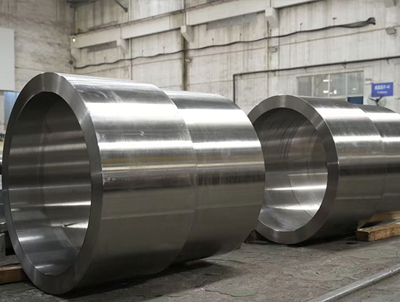
Low-carbon or mild steel is soft, cheap, and easy to weld, which is why it dominates general construction framing, sheet metal enclosures, and structural beams. Medium-carbon grades offer a workable middle ground for shafts, bolts, and general machinery parts. High-carbon grades are reserved for springs, cutting edges, and wear parts where hardness matters more than weldability. Low-alloy grades like 4140 and 4340 are the backbone of heavy forged components such as crankshafts, gears, and high-pressure fittings, precisely because they respond so well to quenching, tempering, and forging together.
The Role of Heat Treatment in Carbon Steel Strength
Carbon steel strength is not fixed by chemistry alone. The same 4140 billet can test dramatically differently depending on whether it was left in an annealed, soft condition or quenched and tempered to a specific hardness range. This is one of the most overlooked variables in any carbon steel versus stainless steel comparison, because a soft, annealed carbon steel bar can genuinely be weaker than a hardened stainless steel part of similar dimensions.
Stainless Steel Strength by Family: Austenitic, Ferritic, Martensitic, and Duplex
Unlike carbon steel, stainless steel splits into structurally distinct families based on crystal structure, and strength varies enormously between them. Chromium content of at least 10.5 percent is the one constant across all of them, but the way each family arranges its crystal lattice controls both strength and how the material responds to heat treatment.
| Stainless Family | Common Grades | Typical Yield Strength | Typical Tensile Strength |
|---|---|---|---|
| Austenitic | 304, 316 | 205 to 310 MPa | 505 to 620 MPa |
| Ferritic | 430, 439 | 205 to 310 MPa | 450 to 600 MPa |
| Martensitic | 410, 420, 440C | up to 700 MPa hardened | 700 to 1,100 MPa hardened |
| Duplex | 2205, 2507 | 450 to 550 MPa | 620 to 795 MPa |
| Precipitation-hardened | 17-4 PH | up to 1,100 MPa | up to 1,300 MPa |
Austenitic Stainless: Corrosion First, Strength Second
Austenitic grades such as 304 and 316 are by far the most widely used stainless steels, largely because they combine strong corrosion resistance with good formability and weldability. Their tradeoff is a comparatively low yield strength, which is why these grades are not the default choice for heavy structural load-bearing applications unless the section size is increased to compensate.
Duplex Stainless: A Genuine Strength Advantage
Duplex grades mix roughly equal parts austenite and ferrite in their microstructure, and that combination gives them close to double the yield strength of standard austenitic grades while retaining strong corrosion resistance. Duplex 2205 in particular has become a common substitute for both standard stainless and even some carbon steel applications in oil and gas, desalination, and marine structural work specifically because of this strength advantage.
Martensitic and Precipitation-Hardened Stainless: Matching Carbon Steel on Its Own Terms
Martensitic grades like 410, 420, and 440C, along with precipitation-hardened grades like 17-4 PH, can be heat treated in ways that closely resemble how carbon steel is quenched and tempered. This is how these grades manage to reach yield and tensile numbers that genuinely compete with, and in some cases beat, common carbon steel grades, while retaining a meaningful level of corrosion resistance that plain carbon steel simply does not have.
The most common stainless grade, 304, is actually weaker than most structural carbon steel on paper. But duplex and precipitation-hardened stainless steels close that gap and often overtake carbon steel entirely, which is why blanket claims about stainless always being weaker are misleading once you look past the entry-level grades.
The Metallurgy Behind the Numbers: Why Carbon and Chromium Change Strength
The strength differences above are not arbitrary, they trace back to how carbon and alloying elements sit inside the steel's crystal lattice.
How Carbon Strengthens Steel
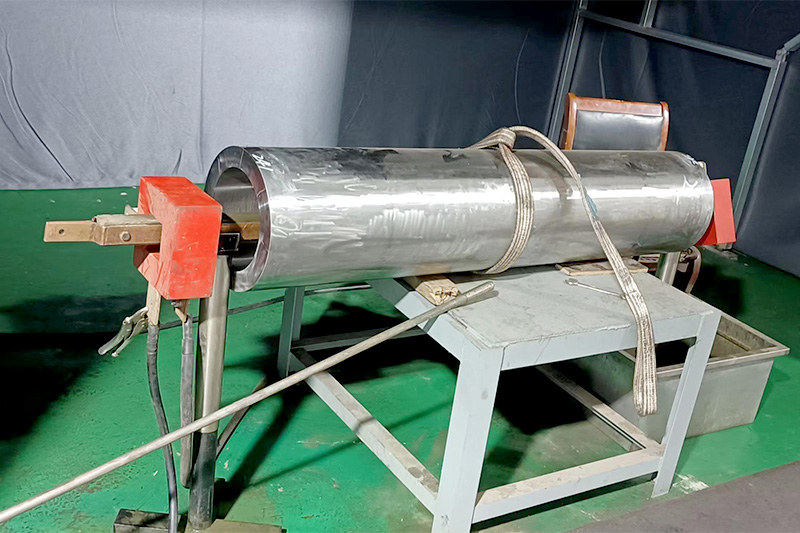
Carbon atoms are small enough to squeeze into the gaps of iron's crystal structure, distorting the lattice and making it harder for dislocations to move through the metal. More carbon means more of these distortions and, in high-carbon and alloy steels, the formation of iron carbide particles that further block dislocation movement. This is the direct mechanical reason high-carbon steel is so much harder and stronger than mild steel, and also why it becomes more brittle and harder to weld as carbon content climbs.
How Chromium and Nickel Change Stainless Steel's Behavior
Chromium's primary job in stainless steel is forming the passive chromium oxide layer responsible for corrosion resistance, but it also changes the crystal structure depending on how much is present and what else is alloyed alongside it. Nickel stabilizes the austenite phase at room temperature, which is why austenitic grades stay soft and ductile rather than transforming into the harder martensite phase the way carbon steel does when quenched. Martensitic stainless grades are formulated with less nickel specifically so that phase transformation, and the resulting hardness increase, remains available through heat treatment.
Why This Explains the Strength Gap Between Stainless Families
Because austenitic stainless is deliberately formulated to avoid the martensitic transformation, it cannot be hardened by quenching the way carbon steel or martensitic stainless can, and instead relies mostly on cold working for any strength increase. That single metallurgical choice is the real reason 304 and 316 stainless lag behind carbon steel on yield strength, while martensitic and precipitation-hardened stainless, which retain access to phase transformation or precipitate hardening, can close or exceed that gap.
How Steel Forging Changes the Strength Equation
Grade selection and heat treatment are only part of the story. Steel forging reshapes the internal grain structure of a billet under compressive force, and that grain structure has a direct impact on final strength for both carbon steel and stainless steel.
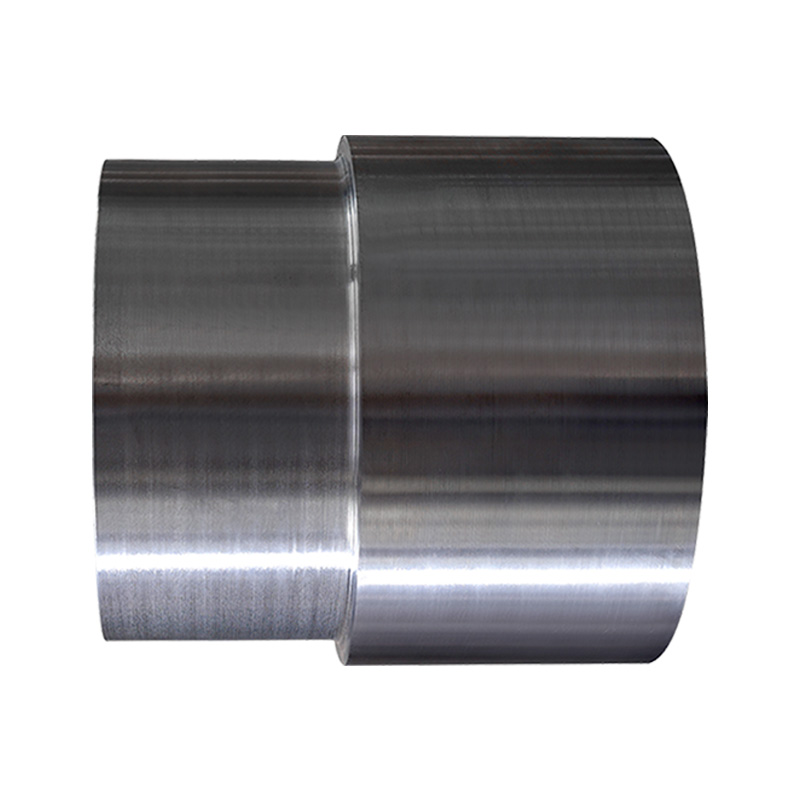
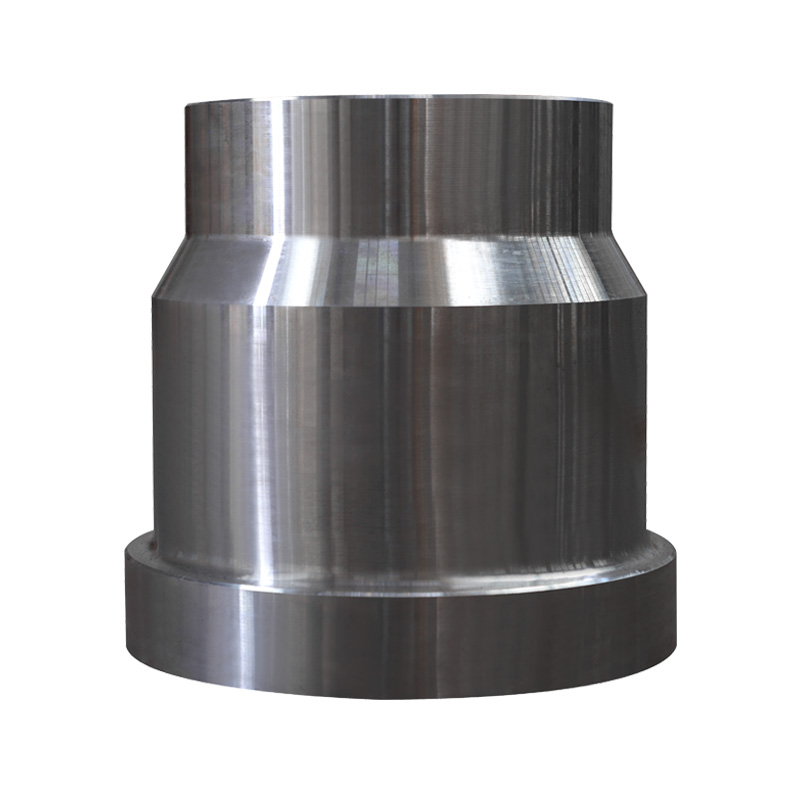
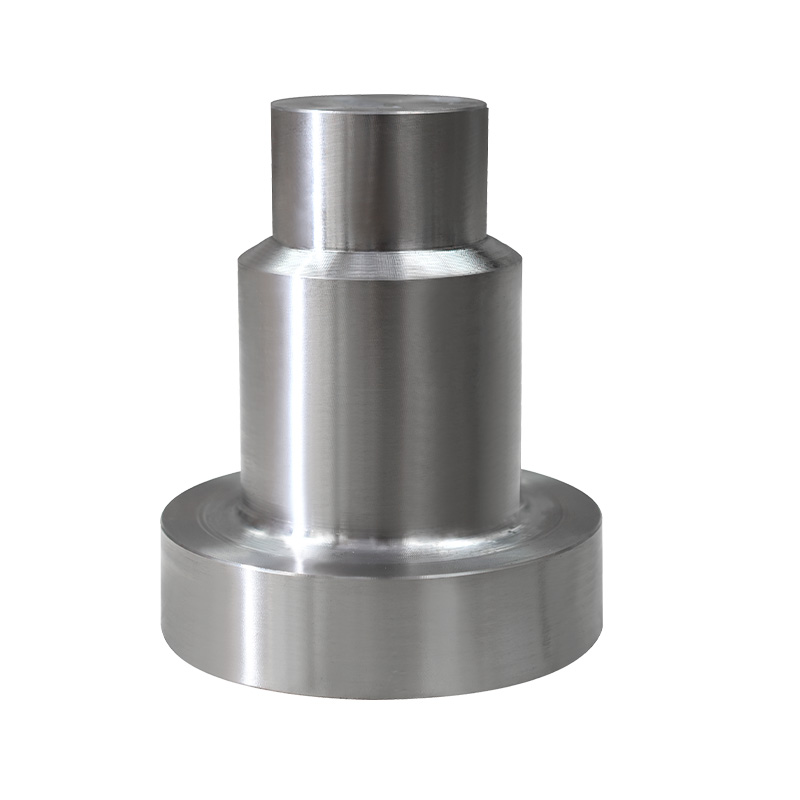
Cast steel cools with a random, unoriented grain pattern, which leaves pockets of weakness scattered through the part along with occasional porosity from trapped gas or shrinkage during solidification. Steel forging works the metal while it is still solid, pushing the grain flow to follow the contour of the finished component rather than settling wherever gravity leaves it during casting. That directional grain flow is the reason forged gears, shafts, flanges, and connecting rods routinely outperform cast or machined-from-bar equivalents on fatigue life and impact resistance, even when the base chemistry is identical.
Open-Die, Closed-Die, and Ring Forging
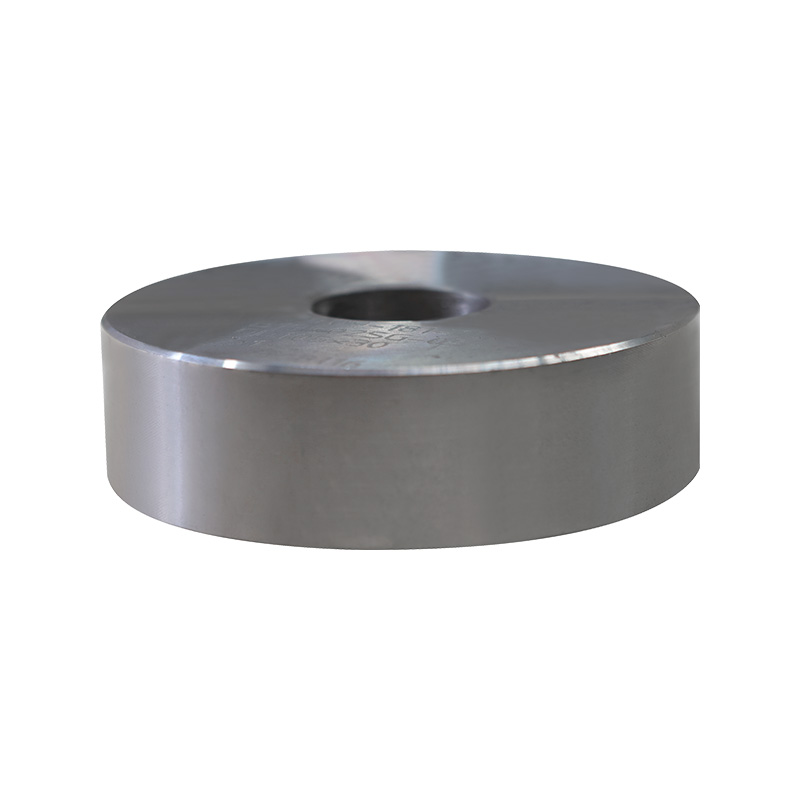
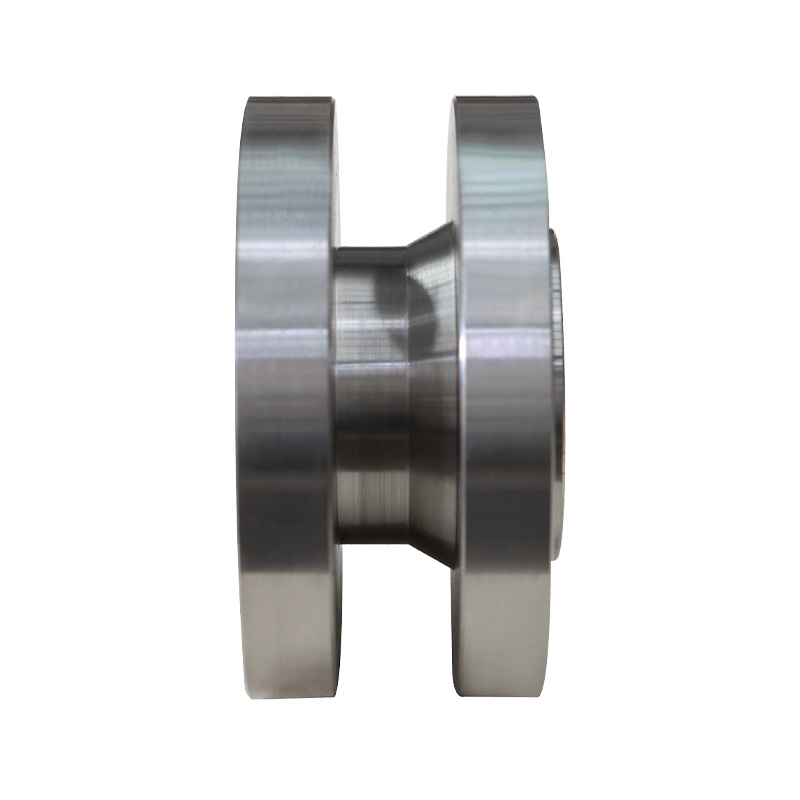
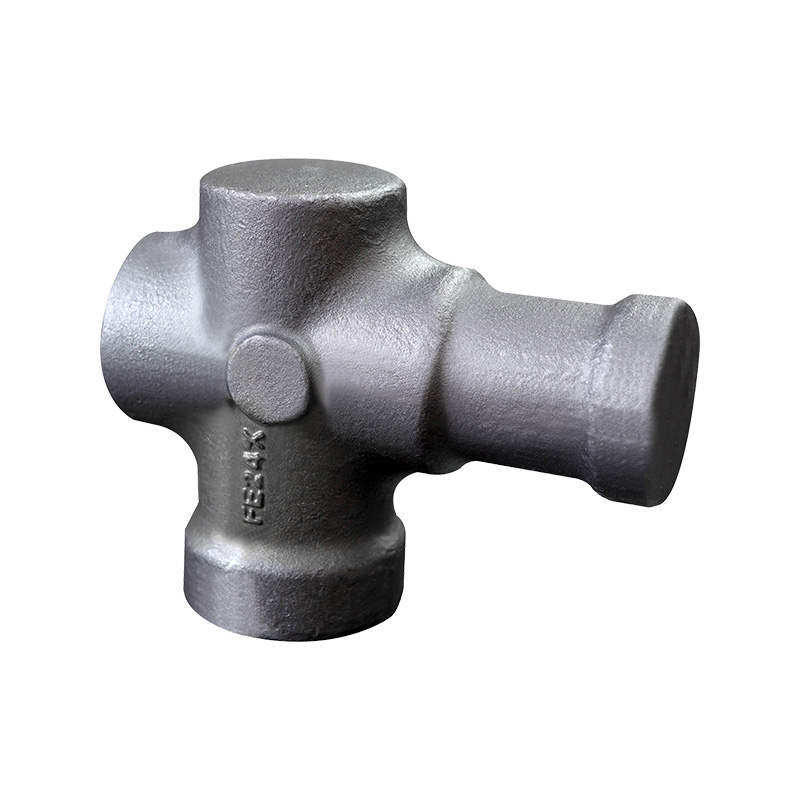
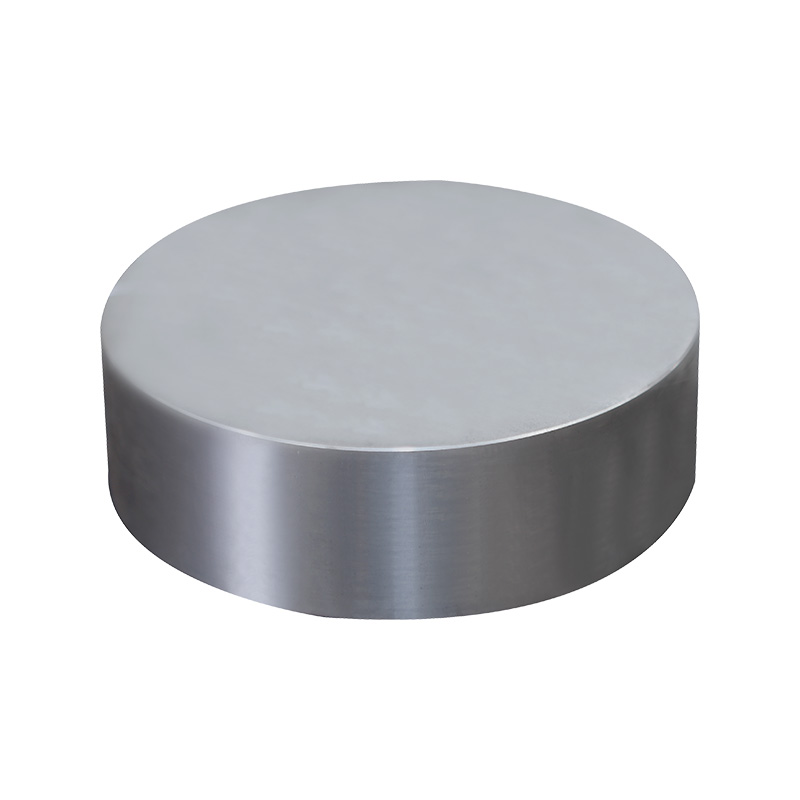
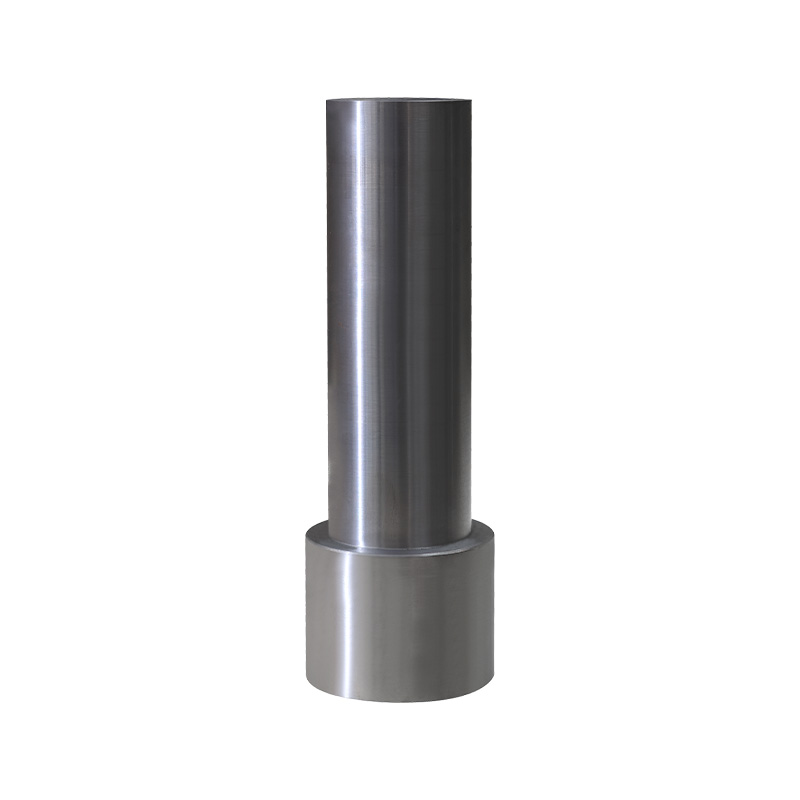
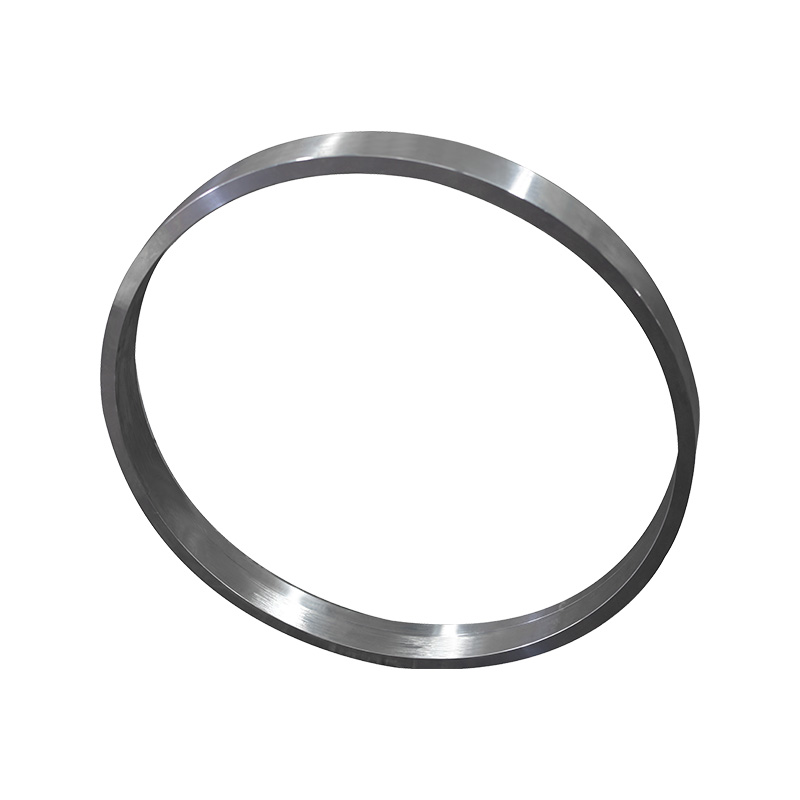
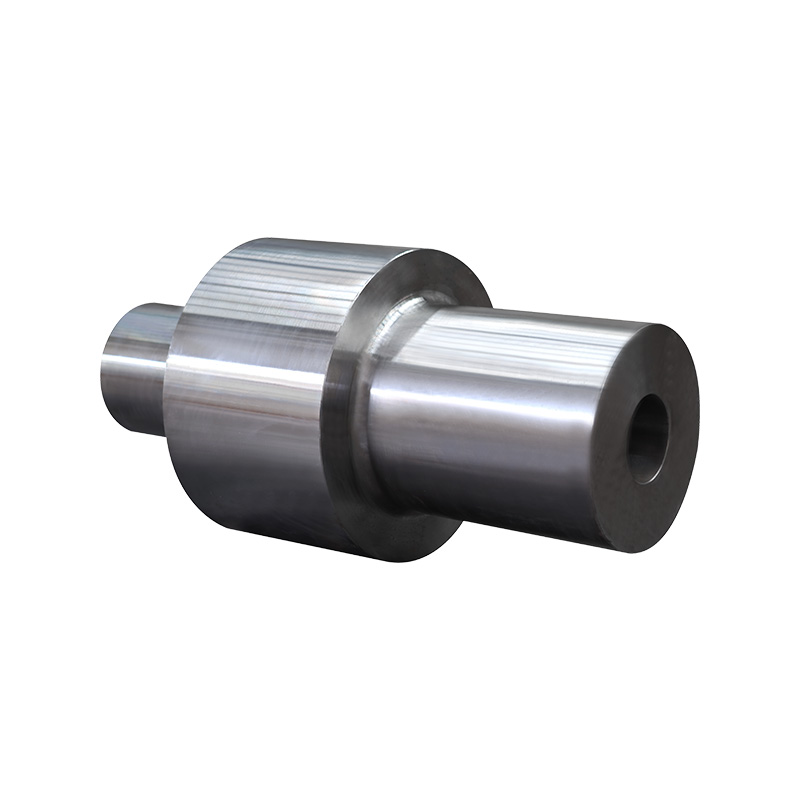
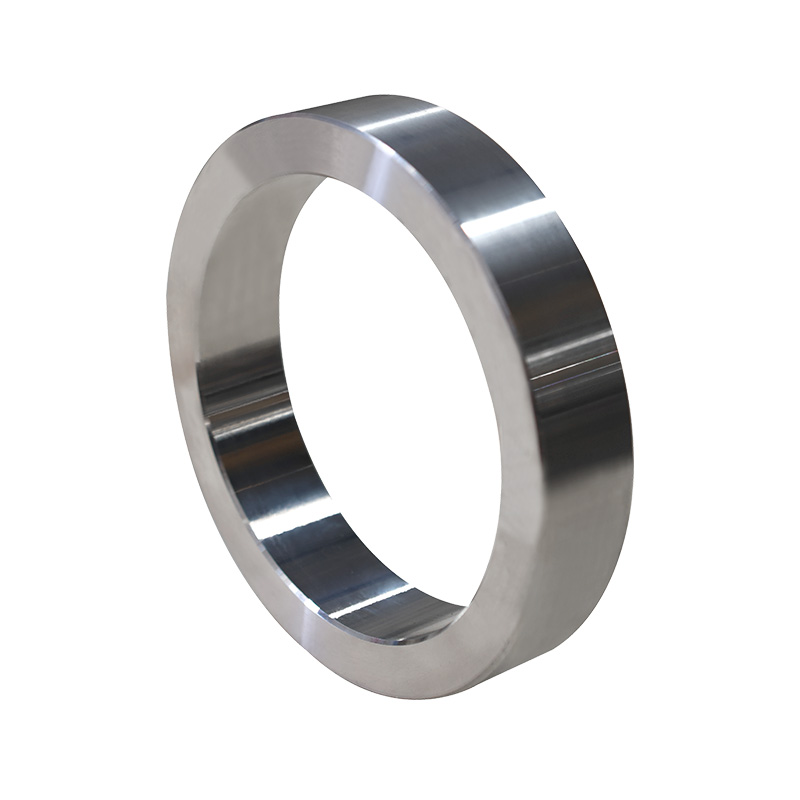
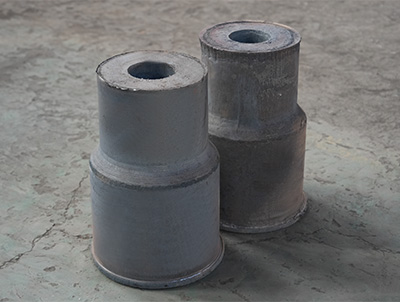
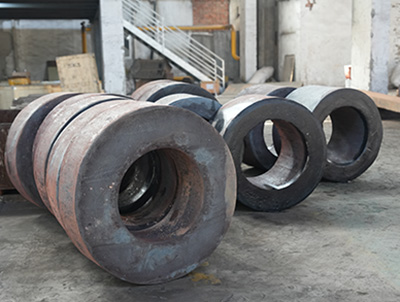
Steel forging is not a single process. Open-die forging shapes large, simple forms between flat or simple-shaped dies and is common for shafts and rollers. Closed-die forging presses the billet into a shaped cavity to produce more complex, near-net-shape parts such as gears and flanges with tighter tolerances. Ring forging produces seamless circular components, which is why it is the standard method for bearing races and flange rings that need consistent radial grain flow around the entire circumference.
What Forging Actually Improves
- Tensile strength, because continuous grain flow resists crack propagation better than random grain boundaries left behind by casting.
- Fatigue resistance, because forged parts have fewer internal voids and less porosity than cast parts.
- Impact toughness, because directional grain absorbs shock loading more evenly across the part.
- Dimensional consistency after machining, since forged billets have already had internal defects closed up under pressure.
Steel Forging Applies Equally to Carbon Steel and Stainless Steel
This matters equally for both material families. A forged carbon steel crankshaft can gain a meaningful margin in fatigue strength over a cast equivalent, and a forged stainless steel flange in a duplex or martensitic grade behaves the same way, gaining the same type of grain-flow benefit on top of whatever strength its chemistry and heat treatment already provide. In other words, the manufacturing route can move the needle on real-world strength just as much as the choice between carbon steel and stainless steel itself, so any comparison that ignores whether a part was forged, cast, or rolled is only telling part of the story.
Forging Ratio and Why It Matters
The forging ratio, or the amount of deformation a billet undergoes during forging, has a direct relationship with how thoroughly internal porosity is closed and how refined the final grain structure becomes. A higher forging ratio generally produces a stronger, more uniform part, which is why critical rotating components such as turbine shafts and aircraft landing gear forgings specify minimum forging ratios as part of their manufacturing standards, regardless of whether the base material is a carbon steel or a stainless alloy.
Heat Treatment Options for Each Material
Heat treatment is where a huge share of the final strength difference between individual parts actually comes from, more so than the base material choice in many cases.
Carbon Steel Heat Treatment
- Annealing softens carbon steel for easier machining or forming, lowering both hardness and strength.
- Normalizing refines grain size and provides a moderate strength increase over the as-rolled condition.
- Quenching and tempering is the main route to high strength, rapidly cooling the steel to form martensite, then tempering to balance hardness against toughness.
- Case hardening adds a hard, wear-resistant surface layer over a tougher core, common for gears and shafts under surface contact stress.
Stainless Steel Heat Treatment
- Solution annealing is used on austenitic grades to dissolve carbides and restore maximum corrosion resistance and ductility, though it does not raise strength.
- Quenching and tempering works on martensitic stainless in much the same way it works on carbon steel, since martensitic stainless retains the phase transformation carbon steel relies on.
- Aging or precipitation hardening is used on grades like 17-4 PH, forming fine copper-rich precipitates that block dislocation movement without a full quench and temper cycle.
- Cold working is the main strengthening route left for austenitic grades, since they do not respond to conventional hardening heat treatments.
This is a large part of why simple statements like "stainless is softer than carbon steel" break down under scrutiny. A solution-annealed 304 sheet will indeed be softer than a quenched and tempered carbon steel bar, but an aged 17-4 PH part treated to a high strength condition is playing an entirely different game.
Hardness, Wear Resistance, and Impact Toughness Compared
Hardness tracks closely with wear resistance, and here the picture again depends on the specific grade and heat treatment rather than the material family as a whole.
| Material | Typical Brinell Hardness | Wear Resistance |
|---|---|---|
| Low carbon steel | 120 to 150 HB | Moderate |
| High carbon steel, heat treated | up to 300 HB | High |
| Austenitic stainless (304) | approximately 200 HB | Moderate |
| Martensitic stainless (440C) | approximately 270 HB | High |
Why Hardness and Toughness Often Trade Against Each Other
High-carbon steel and martensitic stainless steel both respond well to heat treatment and can reach comparable hardness levels, which is why both show up in cutlery, bearings, and tooling. Austenitic stainless steel, by contrast, does not respond to conventional heat treatment in the same way and instead relies on cold working to gain hardness, which limits how far it can be pushed without sacrificing ductility.
Impact Toughness and Cold-Temperature Behavior
Impact toughness, or a material's ability to absorb sudden shock loading without cracking, is where austenitic stainless steel actually pulls ahead of most carbon steel grades. Austenitic stainless retains good toughness even at very low temperatures, while ordinary carbon steel can undergo a ductile-to-brittle transition in cold conditions, becoming noticeably more prone to sudden fracture. This is one reason austenitic stainless is specified for cryogenic equipment and cold-climate structural applications despite its lower yield strength.
Fatigue Life and Cyclic Loading Behavior
Static yield and tensile numbers rarely tell the whole story for parts that experience repeated loading, such as rotating shafts, springs, and vibrating structural connections. Fatigue failures start from a microscopic crack, usually at a surface defect or inclusion, that grows slightly with each load cycle until the remaining cross-section can no longer carry the load.
Why Grain Flow Matters More Than Static Strength for Fatigue
Because fatigue cracks tend to originate at internal defects or grain boundary discontinuities, a forged part with clean, continuous grain flow can significantly outlast a part with a higher static tensile strength but a rougher internal structure from casting or heavy machining. This is why forged crankshafts, forged gears, and forged connecting rods are standard in high-cycle, high-vibration applications regardless of whether the base material is a carbon steel or a stainless steel grade.
Corrosion Fatigue: Where Stainless Steel's Advantage Shows Up
In corrosive environments, carbon steel faces an additional problem called corrosion fatigue, where surface pitting from oxidation creates fresh crack initiation points that accelerate fatigue failure well beyond what a dry fatigue test would predict. Stainless steel's resistance to pitting corrosion protects it from this failure mode, which is a major reason stainless steel fasteners and structural members are specified for marine and offshore equipment even when their static strength numbers look unremarkable on paper.
Corrosion Resistance: The Tradeoff Behind the Strength Numbers
Strength numbers only tell half the story if the part is going to sit in a corrosive environment. Carbon steel has no meaningful built-in corrosion resistance, so unprotected carbon steel will oxidize when exposed to moisture, and any strength advantage on paper disappears once section thickness is lost to rust over time.
Stainless steel resists corrosion because of a chromium content of at least 10.5 percent, which forms a thin, self-healing chromium oxide layer on the surface. This is why food processing equipment, marine hardware, and medical devices default to stainless steel even in grades that are technically weaker than an equivalent carbon steel part, because the corrosion resistance protects the long-term strength of the component rather than a one-time mechanical test result.
Types of Corrosion That Affect Structural Performance
- Uniform corrosion gradually reduces section thickness across the whole surface, which is the dominant failure mode for unprotected carbon steel.
- Pitting corrosion attacks small, localized spots and can penetrate deep into a part while leaving the surrounding surface looking intact, a particular risk for lower-grade stainless in chloride-rich environments.
- Crevice corrosion occurs in tight gaps, such as under gaskets or bolt heads, where oxygen access is limited and the protective oxide layer can break down.
- Galvanic corrosion can occur when carbon steel and stainless steel are in direct contact in the presence of an electrolyte, accelerating corrosion of the less noble carbon steel.
Using PREN to Compare Stainless Grades
Metallurgists often use a Pitting Resistance Equivalent Number, calculated from chromium, molybdenum, and nitrogen content, to rank how well different stainless grades resist localized corrosion. Duplex grades typically score higher on this scale than standard austenitic grades, which is another reason duplex stainless has become popular in aggressive marine and chemical processing environments where both strength and corrosion resistance are critical at the same time.
Practical Rule of Thumb
If the part will be coated, painted, or kept dry, carbon steel usually delivers more strength per dollar. If the part will face moisture, chemicals, or salt exposure, stainless steel protects its strength over the life of the component even when its initial mechanical numbers are lower.
Machinability and Weldability: Working With Each Material
Strength on a datasheet means little if a shop cannot reliably machine or weld the part without introducing defects that undercut that strength.
- Carbon steel machines and welds easily across most carbon ranges, with medium carbon grades offering the best balance of strength and workability.
- Stainless steel work-hardens quickly during machining, which demands sharper tooling, slower feeds, and more careful cooling than carbon steel.
- Welding stainless steel requires tighter control of heat input to avoid sensitization, where chromium carbides form at grain boundaries and reduce corrosion resistance near the weld.
- High-carbon steel becomes harder to weld as carbon content rises, often requiring preheat and controlled cooling to avoid cracking.
Preheat and Interpass Temperature Control
Medium and high-carbon steels, along with low-alloy grades like 4140, often need preheating before welding and controlled interpass temperatures during welding to avoid hydrogen-induced cracking in the heat-affected zone. Stainless steel welding takes the opposite concern into account, since excessive heat input risks sensitization rather than cracking, so interpass temperatures are usually kept lower rather than higher compared to carbon steel practice.
Filler Metal Selection
Carbon steel welding typically uses filler metal closely matched to the base metal's carbon and alloy content. Stainless steel welding often uses filler metal with slightly higher alloy content than the base metal to compensate for dilution and to maintain corrosion resistance across the weld, particularly for critical joints in piping and pressure vessels.
Matching Strength to Application: Structural, Marine, Food-Grade, Tooling, and More
The right answer to the strength question changes depending on what the part actually has to do, and the environment it has to survive in over its service life.
- General structural framing: low to medium carbon steel delivers the strength needed at the lowest cost, especially when protected with coatings.
- Marine and coastal hardware: austenitic or duplex stainless steel protects strength over years of salt exposure.
- Food processing and medical equipment: austenitic stainless steel is the standard, balancing adequate strength with corrosion resistance and cleanability.
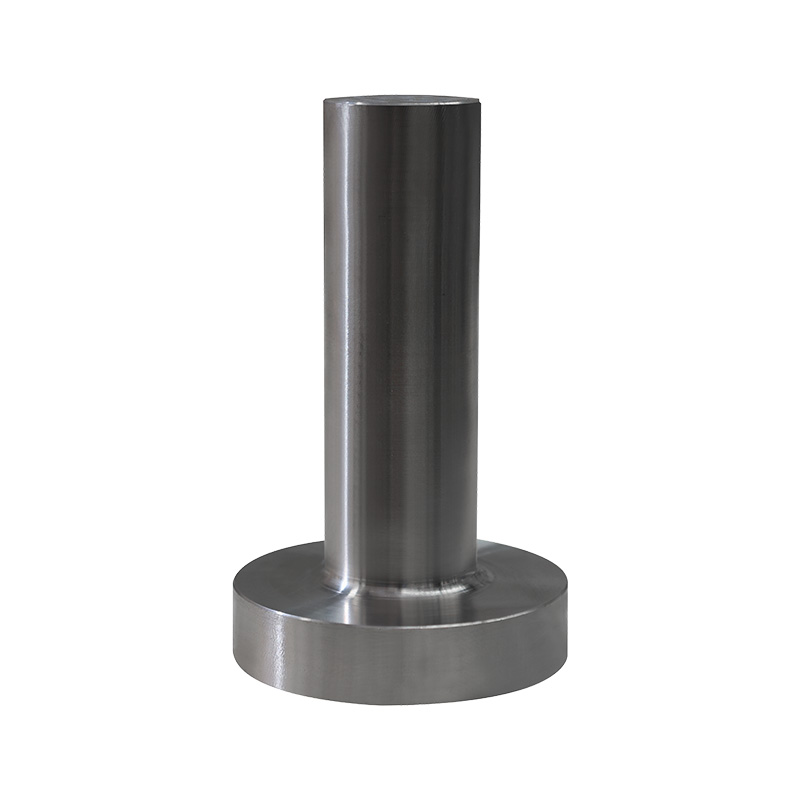
- High-load forged components such as shafts, flanges, and gears: both material families benefit heavily from steel forging, and the choice between forged carbon steel and forged stainless steel usually comes down to whether the environment demands corrosion resistance.
- Cutting tools and wear parts: high-carbon steel and martensitic stainless steel both offer the hardness needed, with stainless preferred where the tool will be exposed to moisture.
- Automotive components: low-alloy forged carbon steel dominates drivetrain parts like crankshafts and axles, while stainless steel is reserved for exhaust systems and trim exposed to heat and road moisture.
- Oil, gas, and chemical processing: duplex stainless steel is increasingly chosen for piping and valve bodies where both mechanical strength and resistance to chloride-rich or sour service conditions are required.
- Fasteners: high-strength alloy carbon steel bolts are common in dry structural connections, while stainless fasteners are chosen where corrosion would otherwise loosen or seize the joint over time.
Side-by-Side Summary: Carbon Steel vs Stainless Steel Across Every Category
| Category | Carbon Steel | Stainless Steel |
|---|---|---|
| Yield strength, ordinary grades | Higher | Lower |
| Tensile strength, high-performance grades | Comparable | Comparable to higher |
| Impact toughness at low temperature | Lower | Higher |
| Corrosion resistance | Low without coating | High |
| Machinability | Easier | More demanding |
| Upfront material cost | Lower | Higher |
| Long-term maintenance cost in wet environments | Higher | Lower |
| Response to steel forging | Strong improvement | Strong improvement |
Cost and Long-Term Value Considerations
Carbon steel almost always costs less upfront by weight than stainless steel, which reflects both raw material cost and the added expense of nickel, chromium, and molybdenum alloying in stainless grades. Over the service life of a component, though, the calculation can flip. A carbon steel part exposed to moisture may need recoating, replacement, or added maintenance labor that stainless steel avoids, and once those costs are factored in, stainless steel frequently ends up cheaper across the full lifespan of the part even though its purchase price is higher.
Factoring in Downtime, Not Just Material Price
For rotating equipment, structural connections, and process piping, unplanned downtime from a corrosion-related failure often costs far more than the price difference between carbon steel and stainless steel ever would. This is why procurement decisions for critical forged components increasingly weigh total cost of ownership rather than comparing raw material price per kilogram in isolation.
Common Myths About Steel Strength, Corrected
Myth: Stainless Steel Is Always Softer Than Carbon Steel
This is only true for austenitic grades compared against hardened carbon steel. Martensitic and precipitation-hardened stainless steels can be heat treated to hardness and strength levels that match or beat most carbon steel grades.
Myth: A Forged Part Is Automatically Stronger Than Any Rolled or Cast Part
Forging improves grain flow and reduces internal defects, but the final strength still depends heavily on the alloy chosen and the heat treatment applied afterward. A poorly heat-treated forging will not outperform a properly heat-treated rolled or cast part of a stronger alloy.
Myth: Stainless Steel Never Rusts
Stainless steel resists corrosion far better than carbon steel, but lower grades can still suffer from pitting or crevice corrosion in aggressive chloride environments, and even the best stainless grades are not entirely immune under extreme conditions.
Myth: Higher Carbon Content Always Means a Better Steel
Higher carbon content increases hardness and strength but reduces ductility, weldability, and toughness. The "best" carbon level depends entirely on whether the application prioritizes strength, machinability, or resistance to sudden impact.
A Simple Decision Framework for Choosing Between Carbon Steel and Stainless Steel
Rather than asking which material is stronger in the abstract, a more useful process is to work through the following questions in order for the specific part being designed or purchased.
- 1. Will the part be exposed to moisture, chemicals, or salt over its service life? If yes, weight the decision toward stainless steel regardless of the raw strength comparison.
- 2. What is the governing failure mode, static overload, fatigue, or wear? Fatigue-critical rotating parts favor forged material with clean grain flow in either family.
- 3. Does the application require heat treatment to hit a specific strength target? If so, confirm the chosen grade actually responds to hardening, since austenitic stainless does not.
- 4. What does total cost of ownership look like, including maintenance, recoating, and downtime risk, not just material price per kilogram?
- 5. Can the part be forged rather than cast or heavily machined from bar stock? If so, factor in the fatigue and toughness gains steel forging provides for whichever material is ultimately selected.
Working through these five questions in order almost always produces a clearer, more defensible answer than trying to settle the carbon steel versus stainless steel debate with a single strength number.
Frequently Asked Questions
Is stainless steel always weaker than carbon steel?
No. The most common stainless grade, 304, is generally weaker than structural carbon steel on yield and tensile strength, but duplex and precipitation-hardened stainless grades such as 2205 or 17-4 PH can match or exceed most carbon steel grades.
Does steel forging make stainless steel stronger than carbon steel?
Steel forging improves the strength of both materials by refining grain flow, but it does not change the underlying alloy chemistry. A forged stainless part gains the same type of improvement a forged carbon steel part would, so the comparison between the two still comes down to grade and heat treatment.
Which is better for load-bearing structural applications?
Carbon steel is the default choice for most structural framing because it delivers strong yield and tensile numbers at a lower cost, provided it is protected from corrosion with coatings or is kept in a dry environment.
Why does stainless steel resist denting less than carbon steel?
Common austenitic stainless grades have lower yield strength than carbon steel, so they begin to deform under lower loads, even though their tensile strength before fracture can be higher.
Is forged stainless steel worth the added cost over forged carbon steel?
It depends on the operating environment. In dry, low-corrosion settings, forged carbon steel usually delivers more strength per dollar. In wet, chemical, or marine environments, forged stainless steel protects that strength over the long term instead of losing section thickness to corrosion.
Can stainless steel be hardened the same way carbon steel is?
Only martensitic and precipitation-hardened stainless grades respond to hardening treatments similar to carbon steel. Austenitic grades like 304 and 316 do not transform the same way and rely on cold working instead.
Why do some stainless grades perform better in cold environments than carbon steel?
Ordinary carbon steel can become more brittle at low temperatures through a ductile-to-brittle transition, while austenitic stainless steel retains good toughness even in cryogenic conditions, making it a common choice for cold-service equipment.
Does higher carbon content always mean a stronger steel?
Higher carbon content raises hardness and strength but reduces toughness, ductility, and weldability, so the ideal carbon level depends on whether the part needs to resist wear, absorb impact, or be welded easily.