

 英语
英语 德语
德语 阿拉伯语
阿拉伯语

Content
- 1 The Bottom Line Before Specifications
- 2 What Separates 316 from 304: Composition and Mechanicals
- 3 Corrosion Resistance: The Real Measuring Stick
- 4 Cost, Fabrication, and Practical Trade-Offs
- 5 How a Forging Manufacturer Looks at 304 vs 316
- 6 Case Example: Same Forged Flange, Two Stainless Grades
- 7 A Practical Checklist for Choosing 304 or 316
- 8 Frequently Asked Questions
The Bottom Line Before Specifications
A maintenance engineer recently asked me whether he should buy 304 or 316 stainless steel for replacement flanges in a chemical dosing line. The 316 quote was roughly 30% higher. My first question was not about price, it was about the fluid. The line carried dilute sodium hypochlorite at 60 °C. That single detail settles the argument: specify 316.
Here is the direct conclusion: choose 316 when chlorides and temperature are present together; choose 304 when the environment is dry, indoor, or only mildly corrosive. The reason is molybdenum. 316 contains 2-3% molybdenum, which stabilizes the protective oxide film against chloride attack. 304 does not contain molybdenum. Everything else, including strength and weldability, is secondary to that difference.
What Separates 316 from 304: Composition and Mechanicals
Chemical Composition: The Two Numbers That Matter
In published AISI grade tables, 304 carries 18-20% chromium and 8-10.5% nickel. 316 carries 16-18% chromium and 10-14% nickel, plus 2-3% molybdenum. Some buyers are confused by 316's slightly lower chromium, but molybdenum is the defining addition. It is what changes the material's response to chlorides.
| Grade | Chromium | Nickel | Molybdenum | Carbon max |
|---|---|---|---|---|
| 304 | 18-20% | 8-10.5% | None | 0.08% |
| 316 | 16-18% | 10-14% | 2-3% | 0.08% |
Mechanical Properties: Similar Strength, Slightly Different Hardness
Drawings for forged components list tensile and yield strength, but the two grades are nearly twins. In the annealed condition, 304 and 316 both show a minimum tensile strength around 515 MPa and yield strength around 205 MPa. 316 runs slightly harder, which shows up as a bit more tool wear, not as a structural advantage. For a large forged ring or valve body, the actual mechanical result comes from forging reduction and heat treatment, not just from the grade name.
| Grade | Tensile strength min | Yield strength min | Elongation min | Hardness max |
|---|---|---|---|---|
| 304 | 515 MPa | 205 MPa | 40% | HRB 92 |
| 316 | 515 MPa | 205 MPa | 40% | HRB 95 |
Why Molybdenum Makes 316 the Specialist
Using the pitting resistance equivalent number (PREN) formula PREN = %Cr + 3.3 x %Mo + 16 x %N, 304 calculates to roughly 18-19, while 316 calculates to roughly 24-25. The gap is driven almost entirely by molybdenum. Higher PREN means better resistance to pitting and crevice corrosion in chloride-bearing media. This is the standard way corrosion engineers explain the practical difference between 304 and 316.
Corrosion Resistance: The Real Measuring Stick
How Chlorides Attack Stainless Steel
Both grades form a chromium oxide film, but chloride ions attack that film. Small local failures become pits. In stagnant, high-chloride conditions, the pits develop into crevice corrosion. The most dangerous failure mode is chloride stress corrosion cracking, which becomes more likely above roughly 60 °C. 304 is susceptible in that range when chlorides are present. 316 handles higher chloride levels and temperatures; it does not eliminate risk, but it shifts the threshold significantly.
Where 304 Is Still a Smart Choice
- Food service counters and kitchen equipment, where surfaces are cleaned, not soaked in chlorine.
- Indoor architectural hardware, handrails, and frames.
- Freshwater piping, tanks, and brewery utilities.
- Automotive trim and fasteners with no salt exposure.
Marine and Chemical Exposure: When to Pay for 316
In a coastal atmosphere, salt spray settles on surfaces. Under a chloride-laden deposit, 304 can show rust streaking within months. 316 resists this much longer. In direct seawater immersion, 316 is the minimum grade for many flanges, fittings, and valve bodies. Chemical processes that use sodium hypochlorite, or fluids that carry chlorides above room temperature, quickly separate the two grades. If the part sees seawater or chlorine-based process water, choose 316.
Cost, Fabrication, and Practical Trade-Offs
The Material Premium Is Not the Whole Picture
Current distributor pricing in many regions shows 316 costing 25-35% more than 304 per tonne. But for a forged part, material is only part of the cost. Heating, die wear, machining, and heat treatment are similar for both grades. A 30% material premium can become a 10-15% increase on the finished component. Asking a forge for a quote in both grades is the only way to see the real difference.
Machining and Welding Habits
Machinists often notice that 316 work-hardens a little faster than 304. Cutting speeds may need to drop 5-10%. Welding is straightforward with both grades, but for thick sections the low-carbon versions, 304L and 316L, are a safer choice. When you send drawings for forged parts, state whether the component will be welded after delivery. This detail determines the carbon grade and affects the final price.
Lead Time and Availability
304 is the default stock grade in most mills. 316 is scheduled more often as a specific melt. For standard bars, the lead time difference is small. For large custom forgings, rings above 6 m in diameter, or components over 18 t, 316 can add weeks if no billet is in stock. At our plant in Jiangyin, we review both grades for every large ring and valve forging, because the production window often matters as much as the material price.
How a Forging Manufacturer Looks at 304 vs 316
At our forging facility in Jiangyin, we do not treat 316 as better stainless. We treat it as the better answer in chloride environments. The drawings we quote share three common shapes: valve bodies, oil and gas fittings, and mining machine components. Here is how the grade choice typically breaks down in each one.
Valve Forgings and Flow-Control Components
For a standard gate valve on a freshwater line, 304 is often selected. For a chemical valve, a marine valve, or a high-pressure ball valve with trim exposed to process chlorides, specifications usually jump to 316. The corrosion allowance that 316 provides is not an inconvenience; it is the difference between a valve that lasts a decade and one that starts pitting after one maintenance cycle.
The quality of the forged body matters as much as the grade. A sound forging avoids micro-segregation and internal folds that could become corrosion initiation points. See our notes on valve forging quality control.
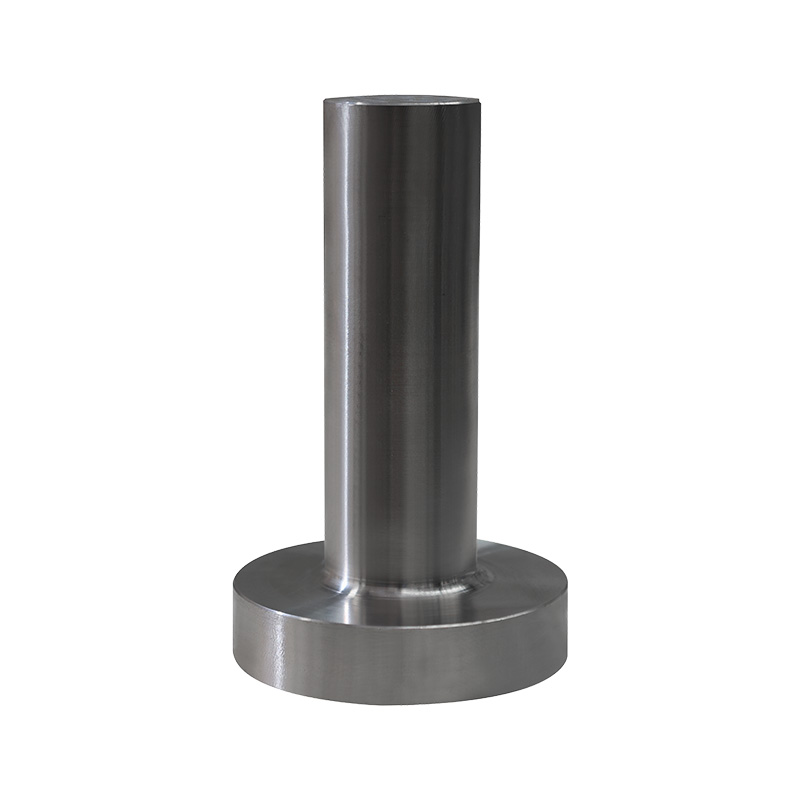
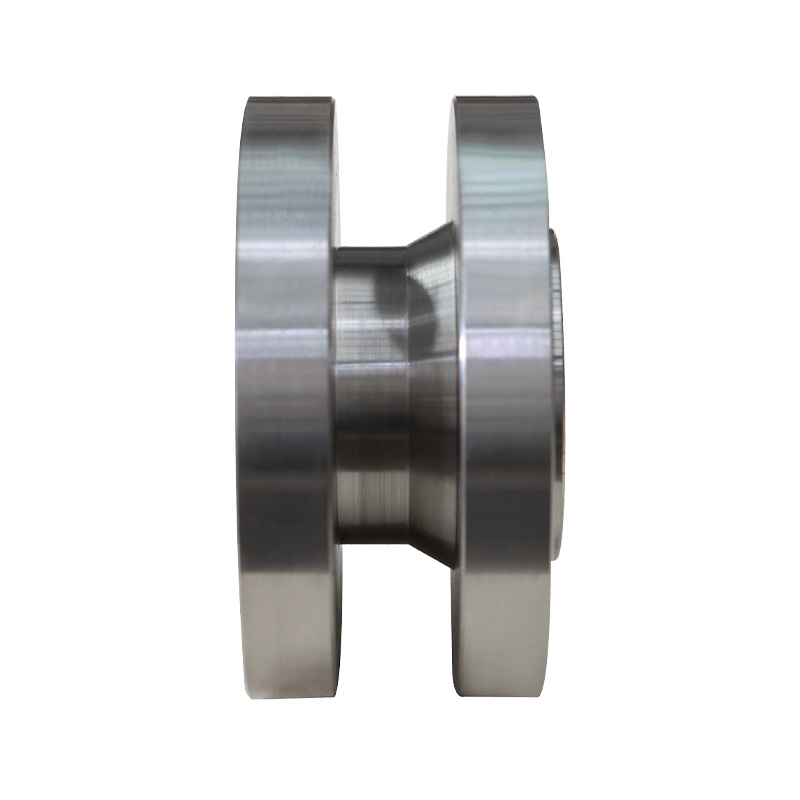
For a project-specific quote, our forged valve components are available in both 304 and 316, with geometry from small trim pieces to fully machined bodies.
 Custom Valve Parts Forgings Manufacturer, Supplier, FactoryJiangyin Xinyu Forging Co., Ltd is China OEM/ODM valve parts forgings manufacturer and valve parts forgings company, We professional whol...View Product →
Oil, Gas, and Petrochemical Equipment
Oil and gas facilities are full of chlorides. Production water, completion fluids, and marine platform air all attack austenitic stainless steel. In this sector, 316 is the frequent default for flanges, rings, and instrument manifolds. 304 appears mostly in topside structural parts and dry gas processing where chlorides are absent.
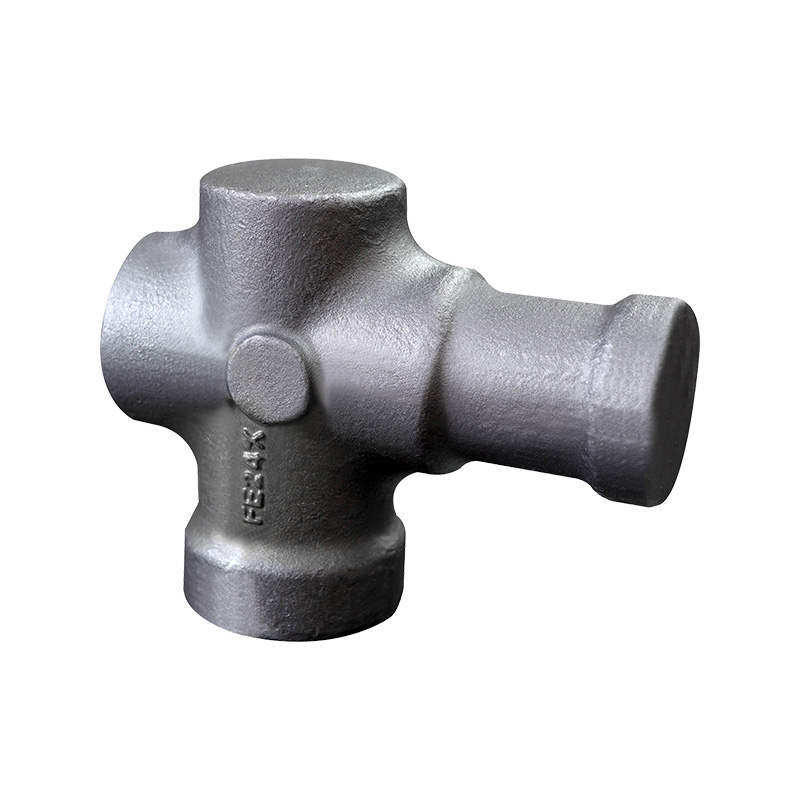
Because many of these components are forged and then welded into piping systems, the low-carbon 316L version is often specified. Our oil and gas petrochemical forgings cover seamless rings, closed-die valve bodies, and open-die flanges in these grade ranges.
Oil and Gas Petrochemical Forgings Manufacturer, Supplier, FactoryAs a China OEM/ODM oil and gas petrochemical forgings supplier and Oil and oil and gas petrochemical forgings company, Jiangyin Xinyu For...View Product →
Mining Machinery and Abrasive Process Areas
In mining, abrasion tends to dominate wear, and neither 304 nor 316 is a wear-grade steel. But corrosion still appears in chutes, washdown equipment, flotation cells, and leaching circuits that use acidic or chloride-rich water. For those areas, 316 provides visible longevity over 304. For dusty, dry components such as conveyor covers and structural supports, 304 remains a cost-effective choice.
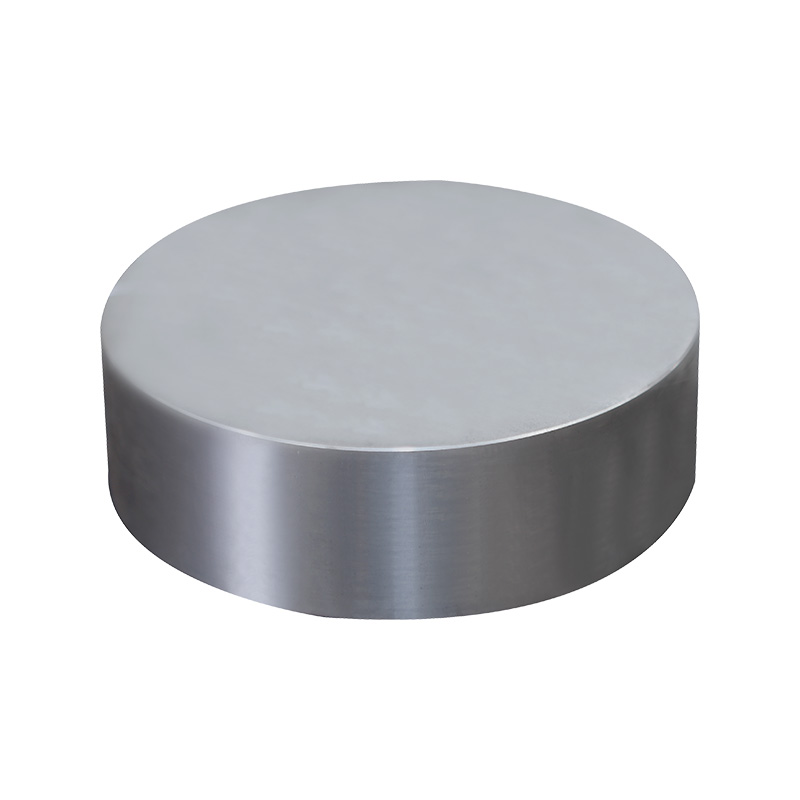
Our mining machinery forgings include shafts, gears, rings, and custom shapes in both austenitic grades.
Custom Mining Machinery Forgings Manufacturer, Supplier, FactoryJiangyin Xinyu Forging Co., Ltd is China OEM/ODM mining machinery forgings manufacturer and mining machinery forgings company, We special...View Product →
How We Confirm the Right Grade Before Quoting
When a drawing arrives with no grade note, we ask four things: fluid composition, chloride level, operating temperature, and whether the part is welded after delivery. The answers are usually enough to pick 304 or 316. The same discipline keeps forged prices under control. Our forging and machining capabilities allow us to adjust the process without changing the grade.
Case Example: Same Forged Flange, Two Stainless Grades
Consider a 12-inch class 150 flange destined for a coastal processing plant. It sits in a pipe rack, exposed to marine air and occasional washdown with process water containing 500 ppm chlorides at 40 °C. A drawing with no grade note could be produced in either 304 or 316. Here is how the two options compare.
| Criterion | 304 Forged Flange | 316 Forged Flange |
|---|---|---|
| Illustrative material cost | $2.60/kg | $3.40/kg |
| PREN | Roughly 18-19 | Roughly 24-25 |
| Salt spray exposure | Rust streaks possible within months | Much slower pitting |
| Chloride SCC at 60 °C | Susceptible | More resistant |
| Common service | Freshwater, food, indoor | Marine, chemical, offshore |
The point is not that 316 is always better. The point is that a flange with the same dimensions and same forging process can deliver completely different service life in the same location. The 304 flange is cheaper to buy and may still be right for a dry interior line. The 316 flange is the safer call when chloride contact is likely.
A Practical Checklist for Choosing 304 or 316
Use this before you release a purchase order:
- Identify the chloride source. Seawater, bleach, road salt, cooling water, and process chemicals all count. If any is present, 316 is the default.
- Check the operating temperature. Above roughly 60 °C, 304's risk of chloride stress corrosion cracking climbs sharply. 316 stretches the safe range.
- Separate material cost from total part cost. A 30% material premium often becomes only a 10-15% increase on the forged part. Quote both grades before deciding.
- Check the welding plan. If the forging will be welded later, request 304L or 316L.
- Ask about billet traceability and heat treatment. Forged parts are only as reliable as their source material.
- When the application is borderline, test. Drop a 304 and a 316 coupon into the actual service medium for one month. That beats guesswork.
Frequently Asked Questions
Is 316 stainless steel stronger than 304?
In the annealed condition, both grades have the same minimum tensile strength of about 515 MPa and yield strength of about 205 MPa. For forged parts, strength depends more on forging reduction and heat treatment than on grade. Neither 304 nor 316 is selected for higher strength.
Can 304 stainless steel rust?
Yes, when the passive oxide film is attacked by chlorides. In coastal or chemical environments, 304 can show surface rust and pitting. The word stainless does not mean corrosion-proof.
Why is 316 stainless steel more expensive?
It contains 2-3% molybdenum and slightly more nickel than 304. Both elements add cost to the melt. These same additions are exactly what improve chloride resistance.
Is 304 stainless steel food safe?
Yes, 304 is a common food-contact grade. 316 is preferred under aggressive cleaning chemicals or salt-laden food products because it resists pitting better.
Is 316 magnetic?
Both 304 and 316 are normally non-magnetic after full annealing. Heavy cold work or forging can make either grade slightly magnetic. Magnetism is not a reliable way to identify the grade.
Should I choose 316 for a marine dock application?
Yes, 316 is the practical minimum for saltwater exposure. Direct seawater contact with 304 will usually lead to pitting and rust staining within a short period.