

 英语
英语 德语
德语 阿拉伯语
阿拉伯语

Content
- 1 What Is the Alloy of Steel — A Direct Answer
- 2 The Core Alloying Elements in Steel and Their Roles
- 3 Common Alloy Steel Grades and Their Compositions
- 4 What Makes Alloy Steel Forgings Different from Other Forms
- 5 The Forging Process for Alloy Steel — From Billet to Finished Component
- 6 Industries That Rely Heavily on Alloy Steel Forgings
- 7 Standards and Specifications Governing Alloy Steel Forgings
- 8 Mechanical Properties: How Alloy Steel Forgings Compare
- 9 Heat Treatment Options for Alloy Steel Forgings
- 10 Alloy Steel vs. Carbon Steel vs. Stainless Steel — Clarifying the Distinctions
- 11 Quality Control and Inspection of Alloy Steel Forgings
- 12 Emerging Trends in Alloy Steel and Forging Technology
- 13 Selecting the Right Alloy Steel Grade for a Forged Component
What Is the Alloy of Steel — A Direct Answer
Steel is fundamentally an alloy of iron and carbon, where carbon content typically ranges from 0.02% to 2.14% by weight. However, when people ask "what is the alloy of steel," they are often specifically referring to alloy steel — a category of steel that goes beyond plain carbon steel by incorporating one or more additional alloying elements such as chromium, nickel, molybdenum, vanadium, manganese, silicon, or tungsten. These additional elements are deliberately introduced to enhance specific mechanical, physical, or chemical properties that carbon alone cannot achieve.
In practical terms, alloy steel is divided into two broad categories: low-alloy steel, where total alloying content is below 8%, and high-alloy steel, where total alloying content exceeds 8%. Stainless steel, tool steel, and high-speed steel all fall under the high-alloy category. The specific combination and concentration of alloying elements directly determine the steel's strength, hardness, toughness, corrosion resistance, and weldability.
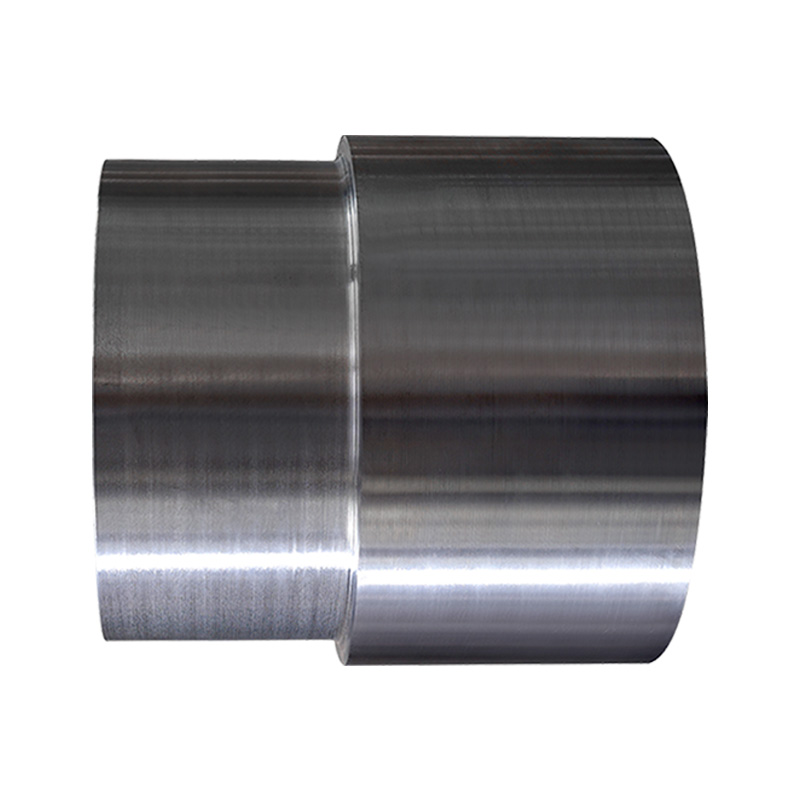
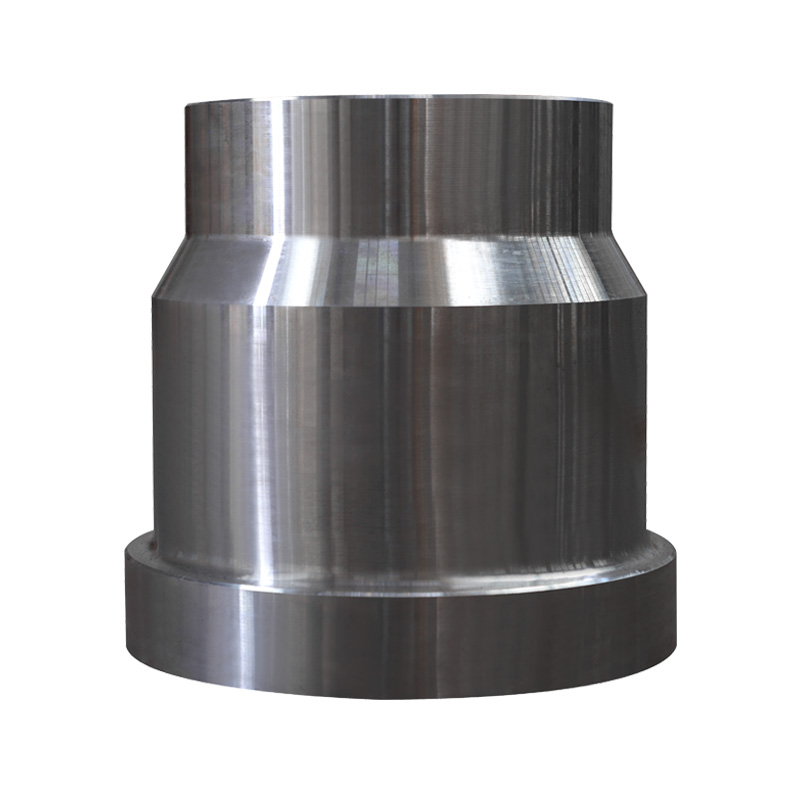
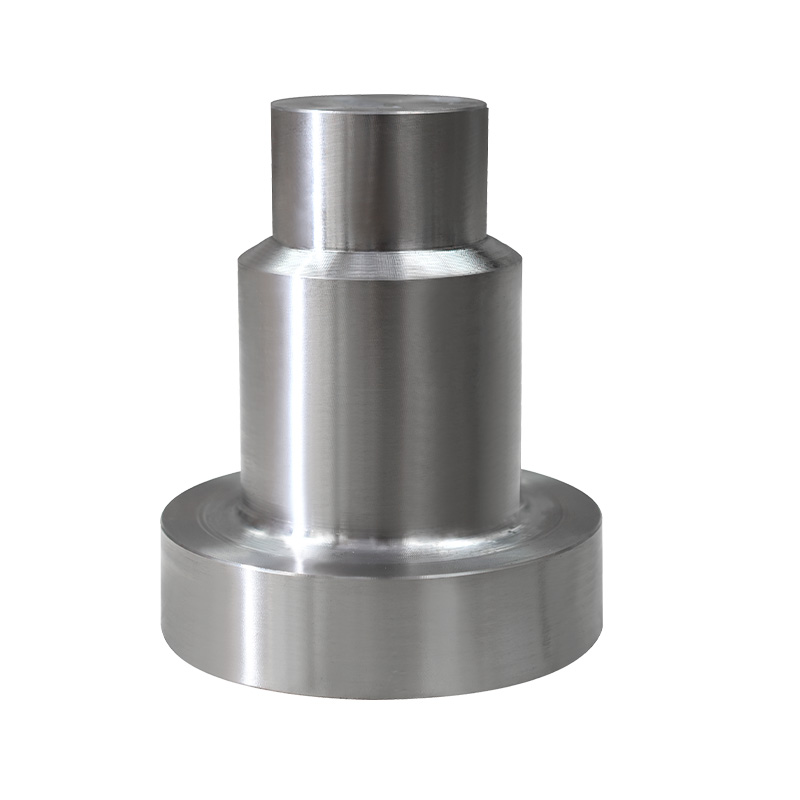
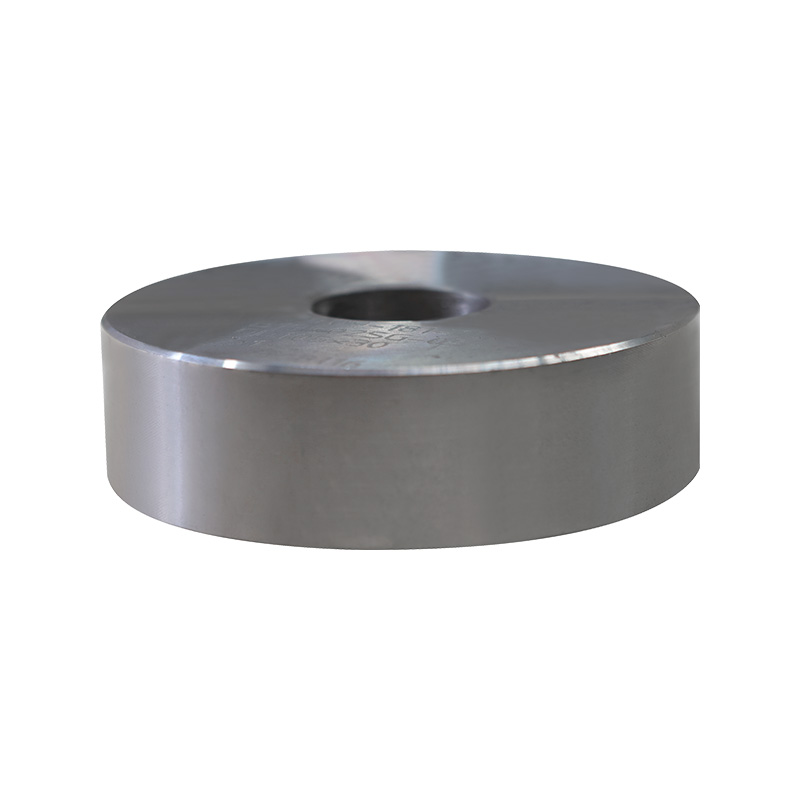
One of the most industrially significant applications of alloy steel is in the production of Alloy Steel forgings — components shaped through compressive forces that deliver superior grain structure and mechanical properties compared to castings or machined bar stock. Understanding the composition of alloy steel is therefore inseparable from understanding how these forgings are engineered and applied across industries.
The Core Alloying Elements in Steel and Their Roles
Each alloying element added to steel serves a distinct metallurgical purpose. The following breakdown covers the most commonly used elements and the specific properties they impart:
Chromium (Cr)
Chromium is added in amounts ranging from 0.5% to 30% depending on the application. At concentrations above 10.5%, it forms a passive oxide layer on the steel surface, giving rise to what we know as stainless steel. In lower concentrations, chromium improves hardenability, wear resistance, and high-temperature strength. Grades like AISI 4140 and 4340 both contain chromium as a key element, and these are among the most commonly specified grades for Alloy Steel forgings in load-bearing applications.
Nickel (Ni)
Nickel enhances toughness, particularly at low temperatures, making it indispensable for cryogenic applications and Arctic-environment equipment. Typically used between 1% and 9%, nickel also improves corrosion resistance and helps maintain ductility after hardening. Grade 9Ni steel, which contains approximately 9% nickel, is widely used for liquefied natural gas (LNG) storage tanks operating at temperatures as low as −196°C.
Molybdenum (Mo)
Even in small quantities — typically 0.15% to 0.30% — molybdenum dramatically improves hardenability, creep resistance at elevated temperatures, and resistance to pitting corrosion. In chromium-molybdenum (CrMo) steels, which are standard materials for high-pressure piping and Alloy Steel forgings in the power generation sector, molybdenum is critical for long-term structural integrity under thermal cycling.
Vanadium (V)
Vanadium is used in concentrations typically below 0.2%, yet its grain-refining effect is significant. It forms fine carbides and nitrides that pin grain boundaries, resulting in finer microstructures and improved fatigue strength. Vanadium-modified grades are commonly used in forged crankshafts, connecting rods, and gear blanks where fatigue life is paramount.
Manganese (Mn)
Manganese is present in virtually all steels, typically between 0.3% and 1.6%. It acts as a deoxidizer, combines with sulfur to prevent hot shortness, and increases strength and hardenability. Higher manganese steels — such as Hadfield steel with around 12–14% Mn — exhibit exceptional work-hardening behavior, making them suitable for impact-resistant applications like mining equipment and railway crossings.
Silicon (Si)
Silicon is primarily a deoxidizer but also improves strength and hardness. In spring steels and electrical steels, silicon content can be as high as 4.5%, where it significantly reduces magnetic losses and improves electrical resistivity. In structural alloy steels, silicon content is usually controlled between 0.15% and 0.35%.
Tungsten (W) and Cobalt (Co)
Tungsten forms stable carbides that maintain hardness at elevated temperatures — up to 600°C and above — making it essential in high-speed tool steels such as M2 and T1. Cobalt further increases hot hardness and is used in conjunction with tungsten in premium cutting tool applications.
Common Alloy Steel Grades and Their Compositions
The table below summarizes several widely used alloy steel grades, their nominal compositions, and their primary application areas, particularly in relation to Alloy Steel forgings:
| Grade | C (%) | Cr (%) | Ni (%) | Mo (%) | Primary Use |
|---|---|---|---|---|---|
| AISI 4140 | 0.38–0.43 | 0.80–1.10 | — | 0.15–0.25 | Shafts, gears, forgings |
| AISI 4340 | 0.38–0.43 | 0.70–0.90 | 1.65–2.00 | 0.20–0.30 | Aerospace, heavy forgings |
| AISI 8620 | 0.18–0.23 | 0.40–0.60 | 0.40–0.70 | 0.15–0.25 | Carburized gears, camshafts |
| AISI 52100 | 0.93–1.05 | 1.35–1.60 | — | — | Bearings, rolling contact fatigue |
| EN 24 (817M40) | 0.36–0.44 | 1.00–1.40 | 1.30–1.70 | 0.20–0.35 | High-strength forged components |
| F22 (2.25Cr-1Mo) | 0.05–0.15 | 2.00–2.50 | — | 0.87–1.13 | Pressure vessel forgings, refinery |
What Makes Alloy Steel Forgings Different from Other Forms
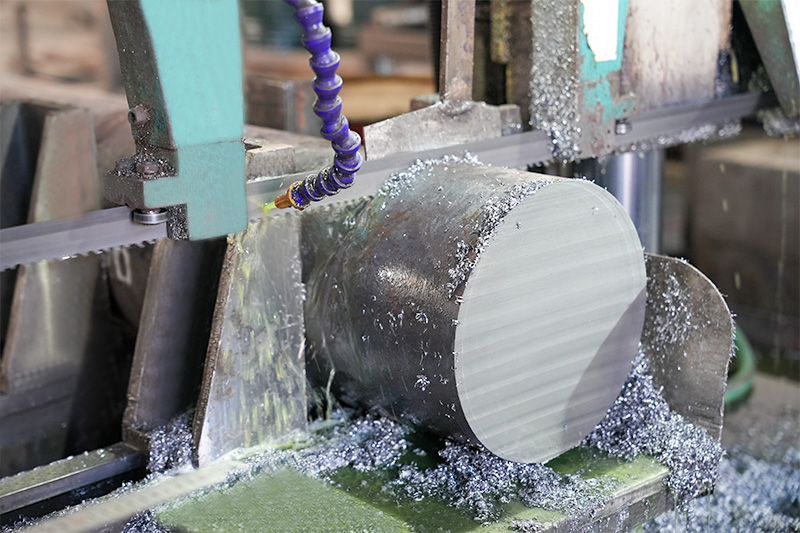
When alloy steel is processed through forging — as opposed to casting, rolling, or machining from billet — the resulting component exhibits a fundamentally different internal structure. Forging works the metal under compressive force, either hot or cold, which achieves several critical metallurgical outcomes:
- Grain refinement: The forging process breaks down coarse cast grain structures into fine, equiaxed grains. Finer grains mean higher toughness and better fatigue resistance. In Alloy Steel forgings, this is amplified by grain-refining elements like vanadium and niobium.
- Grain flow alignment: When alloy steel is forged to near-net shape, the grain flow follows the contour of the part rather than being cut across by machining. This directional grain structure significantly improves tensile strength and fatigue life in the primary stress direction — a critical advantage in components like crankshafts, connecting rods, and flanges.
- Elimination of internal voids: Hot forging at temperatures typically between 1100°C and 1250°C closes any internal porosity or shrinkage cavities that might have formed during solidification of the original ingot, resulting in a homogeneous, dense product.
- Improved impact resistance: The combination of fine grain structure and directional fiber flow in Alloy Steel forgings results in Charpy V-notch impact values that can be 30% to 50% higher than equivalent castings tested in the transverse direction.
For example, an AISI 4340 forging heat-treated to a tensile strength of 1000 MPa can exhibit a Charpy impact energy of over 80 J at room temperature, while a casting of similar composition and heat treatment might only achieve 50–60 J under identical conditions. This difference is not merely academic — in safety-critical applications, it determines whether a component survives an overload condition or fractures catastrophically.
The Forging Process for Alloy Steel — From Billet to Finished Component
Producing high-quality Alloy Steel forgings requires careful control of every stage in the manufacturing process. Below is a typical production sequence for hot-forged alloy steel components:
- Raw material selection and certification: Alloy steel billets or ingots are sourced from steelmakers with documented heat chemistry, confirming that all alloying element concentrations meet specification. Ultrasonic testing of the incoming billet is standard practice for critical applications.
- Heating: Billets are heated in gas-fired or electric furnaces to the appropriate forging temperature, typically between 1100°C and 1250°C for most low-alloy grades. Precise temperature control prevents decarburization of the surface layer and ensures uniform plasticity through the cross-section.
- Forging operations: Depending on the geometry and required grain flow, the billet may be upset forged, drawn out, or pressed in closed dies. Large Alloy Steel forgings — such as pressure vessel flanges exceeding 500 mm bore — are commonly produced on hydraulic presses ranging from 2,000 to 10,000 tonnes capacity.
- Controlled cooling: After forging, controlled cooling — either in air, in a furnace, or under insulating blankets — prevents the formation of hard martensite that could crack the component or introduce residual stresses unsuitable for subsequent heat treatment.
- Heat treatment: Most Alloy Steel forgings undergo austenitizing, quenching, and tempering (QT) to achieve the final mechanical property specification. The austenitizing temperature, quench medium (water, oil, or polymer), and tempering temperature and time are all critical variables. For example, AISI 4140 forgings destined for oil country tubular goods (OCTG) applications are typically tempered between 540°C and 650°C to achieve the required balance of strength and toughness.
- Non-destructive testing (NDT): Final forgings are subjected to ultrasonic testing (UT), magnetic particle inspection (MPI), or dye penetrant inspection (DPI) to verify internal and surface integrity before delivery.
- Mechanical testing and certification: Test rings or prolongations forged integrally with the component are machined for tensile, hardness, and impact testing. Results are documented on a material test report (MTR) that accompanies the forging to the customer.
Industries That Rely Heavily on Alloy Steel Forgings
The demand for Alloy Steel forgings is driven by industries where structural integrity is non-negotiable and where failure carries severe consequences — whether economic, environmental, or in terms of human safety. The following sectors are the most significant consumers:
Oil and Gas
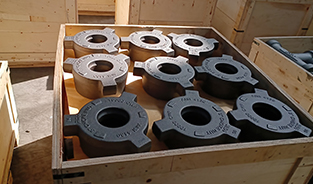
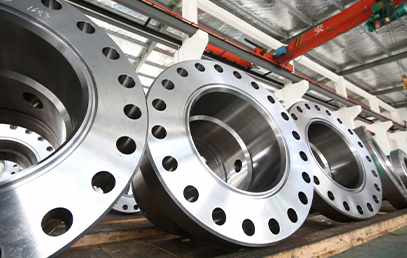
Wellhead equipment, Christmas tree bodies, gate valves, flanges, and subsea connectors are all routinely manufactured as Alloy Steel forgings. Grades such as F22 (2.25Cr-1Mo), F91 (9Cr-1Mo-V), and low-temperature grades like F8 and F44 are specified under ASTM A182 for flanges and fittings operating under high pressure and elevated or sub-ambient temperatures. The combination of alloy chemistry and forging process ensures these components withstand wellhead pressures exceeding 15,000 psi and resist hydrogen-induced cracking (HIC) in sour service environments.
Aerospace and Defense
Landing gear components, structural airframe members, engine shafts, and weapon system parts are produced as Alloy Steel forgings from grades including AISI 4340, 300M (a modified 4340 with vanadium and silicon additions), and maraging steels. The ultimate tensile strength requirements for these applications routinely exceed 1,700 MPa, with strict fracture toughness minimums. The forging process is essential here because no casting process can reliably achieve the required combination of strength and toughness at these levels.
Power Generation
Steam turbine rotors, generator shafts, pressure vessel shells, and turbine discs in both conventional thermal and nuclear power plants are among the largest and most demanding Alloy Steel forgings produced. A single large turbine rotor forging can weigh over 100 tonnes and require weeks of controlled cooling and heat treatment after forging. Materials such as CrMoV steel (e.g., 1Cr-1Mo-0.25V) and nickel-chromium-molybdenum-vanadium (NiCrMoV) grades are specified for their long-term creep resistance at steam temperatures up to 565°C and their resistance to temper embrittlement.
Automotive and Heavy Transport
The automotive sector uses Alloy Steel forgings extensively for powertrain components — crankshafts, connecting rods, camshafts, transmission gears, and steering knuckles. Medium-carbon alloy grades such as AISI 4140, 4340, and 8620 are the most common choices. Modern microalloyed forging steels (containing small additions of niobium, vanadium, or titanium) have gained traction because they achieve adequate strength through controlled thermomechanical processing without requiring a separate quench-and-temper operation, reducing manufacturing cost and energy consumption.
Mining and Construction Equipment
Drive shafts, bulldozer track links, hydraulic cylinder ends, and bucket pins for mining shovels and excavators are routinely produced as large Alloy Steel forgings. These components experience high cyclic loading combined with abrasive wear and occasional shock loads. Grades offering high surface hardness after heat treatment — typically Brinell hardness values of 300 to 400 HB — are preferred for wear resistance, while adequate core toughness is maintained to resist fracture under impact.
Standards and Specifications Governing Alloy Steel Forgings
International standards define both the chemical composition limits and the mechanical property requirements for Alloy Steel forgings used in regulated industries. Buyers and engineers must understand which standard applies to their application before specifying a material. The most widely referenced standards include:
- ASTM A182: Standard specification for forged or rolled alloy and stainless steel pipe flanges, forged fittings, and valves for high-temperature service. Covers grades F5, F9, F11, F22, F91, and many others by their CrMo designations.
- ASTM A336: Covers steel forgings for pressure and high-temperature parts, used for vessels, valves, and fittings in power generation and chemical processing.
- ASTM A508: Quenched and tempered vacuum-treated carbon and alloy steel forgings for pressure vessels — heavily used in nuclear pressure vessel applications.
- EN 10250: European standard for open-die steel forgings for general engineering purposes, with parts covering non-alloy steels, alloy special steels, and stainless steels.
- ISO 9606 and AS 1085: Regional standards governing alloy steel forging qualification in specific national markets.
- NACE MR0175 / ISO 15156: Not a forging standard per se, but specifies requirements for alloy steel components used in hydrogen sulfide (H₂S)-containing environments — including hardness limits critical to forgings in oil and gas sour service.
For many critical applications, specifying the standard alone is insufficient. Supplementary requirements — such as Supplement S1 (Charpy testing at low temperature), ultrasonic examination per ASTM A388, or PWHT simulation testing — are added to the purchase order to address application-specific risks that the base standard does not fully cover.
Mechanical Properties: How Alloy Steel Forgings Compare
The mechanical properties achievable with Alloy Steel forgings span a very wide range depending on grade, heat treatment condition, and section size. The following table provides representative property data for commonly forged alloy steel grades in the quenched and tempered condition:
| Grade | UTS (MPa) | 0.2% YS (MPa) | Elongation (%) | Charpy CVN (J) at 20°C | Hardness (HB) |
|---|---|---|---|---|---|
| AISI 4140 QT | 1000–1100 | 850–950 | 12–15 | 55–80 | 300–340 |
| AISI 4340 QT | 1100–1300 | 900–1100 | 10–14 | 65–100 | 330–400 |
| F22 (2.25Cr-1Mo) QT | 515–690 | 310–515 | 20–22 | ≥27 | 156–207 |
| 300M (Modified 4340) QT | 1900–2000 | 1650–1750 | 8–10 | 20–35 | 550–600 |
| EN 24 (817M40) QT | 850–1000 | 680–850 | 13–16 | 50–75 | 248–302 |
An important concept for users of Alloy Steel forgings is the section size effect. As forging cross-section increases, the core of the component cools more slowly during quenching, resulting in lower hardness and strength values compared to the surface. This is characterized by hardenability — typically measured by the Jominy end-quench test. Grades with higher hardenability (such as AISI 4340 versus AISI 4140) maintain hardness more consistently across larger sections, which is why 4340 is the preferred choice for heavy-section forgings like large-diameter shafts and thick discs.
Heat Treatment Options for Alloy Steel Forgings
Heat treatment is where the alloy chemistry of the steel is translated into the final mechanical properties of the forging. Different treatment routes produce drastically different property profiles from the same alloy steel grade:
Normalizing
Heating to 870°C–950°C and air-cooling refines the grain structure and removes internal stresses from the forging process. Normalized Alloy Steel forgings have moderate strength and reasonable toughness but are generally not used in demanding structural applications where quenched-and-tempered properties are required.
Quench and Temper (QT)
The most common heat treatment for structural Alloy Steel forgings. Austenitizing (typically 840°C–880°C for most CrMo grades), rapid quenching in oil or water to form martensite, followed by tempering at a controlled temperature to decompose brittle martensite into a tougher tempered martensite structure. The tempering temperature is the primary lever for adjusting the strength-toughness balance — higher tempering temperatures reduce strength but increase toughness and ductility.
Annealing
Full annealing (heating above Ac3 and furnace-cooling) produces the softest, most machinable condition — useful for forgings requiring extensive subsequent machining before final heat treatment. Spheroidize annealing, used for high-carbon alloy steels like 52100, converts carbides into spherical particles, maximizing machinability and dimensional stability before hardening.
Carburizing and Case Hardening
For gears, camshafts, and bearing races forged from low-carbon grades like AISI 8620, carburizing (gas or vacuum) introduces carbon to the surface layer to a depth of typically 0.8 mm to 2.0 mm, followed by quenching and low-temperature tempering. The result is a hard surface (60–63 HRC) with a tough, fatigue-resistant core — a combination that is essential for contact-stress-dominated applications.
Post-Weld Heat Treatment (PWHT)
Alloy Steel forgings that are welded into fabricated assemblies — particularly in pressure vessel and piping applications — typically require PWHT to stress-relieve the weld heat-affected zone and restore toughness. For CrMo grades, PWHT temperatures are specified precisely in codes such as ASME Section VIII, typically in the range of 650°C to 760°C, held for a minimum time depending on section thickness.
Alloy Steel vs. Carbon Steel vs. Stainless Steel — Clarifying the Distinctions
Understanding what alloy of steel is being specified requires clarity on the boundaries between different steel categories, which are often confused in practice:
| Property | Plain Carbon Steel | Low-Alloy Steel | Stainless Steel (High-Alloy) |
|---|---|---|---|
| Total alloy content | <1% | 1%–8% | >10.5% Cr minimum |
| Corrosion resistance | Low | Moderate | High |
| Achievable tensile strength | Up to ~800 MPa | 600–2,000+ MPa | 500–1,800 MPa (grade dependent) |
| Weldability | Good to excellent | Moderate (preheat often needed) | Varies by grade; austenitic easiest |
| Relative material cost | Lowest | Moderate | High to very high |
| Typical forging applications | Structural beams, simple flanges | Gears, shafts, pressure vessels | Valves, pumps, food processing |
The choice between these categories for a forged component is fundamentally an engineering economics problem. In most cases, low-alloy Alloy Steel forgings offer the best balance of cost, mechanical performance, and machinability. Stainless steel forgings are chosen only when the corrosion requirement or hygiene requirement genuinely justifies the significant cost premium — typically 3× to 6× the material cost compared to a low-alloy grade of comparable strength.
Quality Control and Inspection of Alloy Steel Forgings
The quality assurance process for Alloy Steel forgings in safety-critical applications is comprehensive and multi-layered. A robust inspection program typically covers the following areas:
- Heat analysis review: The steelmaker's ladle analysis and product analysis are verified against the applicable standard's composition limits. Critical elements such as phosphorus and sulfur are maintained below 0.025% and 0.015% respectively for high-quality forgings, as these elements segregate to grain boundaries and reduce toughness.
- Dimensional inspection: Forgings are checked against the drawing at defined stages — as-forged dimensions, rough-machined dimensions, and final machined dimensions — using calibrated measuring tools, CMM equipment, or 3D scanning for complex geometries.
- Hardness testing: Brinell or Rockwell hardness is measured on the forging at multiple locations after heat treatment to verify uniform response and confirm the property band has been achieved. For large forgings, hardness surveys across the cross-section may be required.
- Ultrasonic testing (UT): Straight-beam and angle-beam UT is used to detect internal inclusions, laps, seams, or cracks not visible from the surface. For critical components, 100% volumetric coverage is required, with rejection criteria as tight as equivalent flat-bottom hole (FBH) sizes of 3 mm or smaller.
- Magnetic particle inspection (MPI): Applied to detect surface and near-surface discontinuities. MPI is particularly effective on alloy steel due to its ferromagnetic nature, providing a highly sensitive method for identifying forging laps, quench cracks, and surface seams.
- Destructive testing from test blocks: Tensile specimens, Charpy impact specimens, and fracture toughness specimens (where required by specification) are machined from dedicated test coupons that experienced the same thermal history as the production forging. Test results are documented in the material test report (MTR), which constitutes the traceability record for the forging.
Third-party inspection by a recognized inspection authority — such as DNV, Bureau Veritas, Lloyd's Register, or TÜV — is standard practice for Alloy Steel forgings destined for nuclear, offshore, or other regulated applications, providing an independent verification that the manufacturer's processes and test results meet the stated requirements.
Emerging Trends in Alloy Steel and Forging Technology
The field of alloy steel and Alloy Steel forgings is not static. Several significant developments are reshaping the landscape of material selection, production methods, and application boundaries:
Microalloyed (HSLA) Forging Steels
High-strength low-alloy (HSLA) steels achieve strength comparable to quenched and tempered grades through controlled thermomechanical processing and micro-additions of niobium (0.03%–0.05% Nb), vanadium, and titanium. In automotive forging, this has enabled the elimination of the quench-and-temper step for connecting rods and crankshafts, reducing energy consumption, cycle time, and distortion. Precipitation-hardening during controlled cooling provides yield strengths of 600–900 MPa without a separate heat treatment step.
Advanced High-Strength Steels for Wind Energy
Offshore wind turbine main shafts and planet carrier housings represent a growing demand sector for large Alloy Steel forgings. These components require high toughness at temperatures down to −40°C combined with long fatigue life under variable amplitude loading. Dedicated grades with optimized CrNiMo chemistries and controlled sulfur shape treatment (rare earth or calcium additions) have been developed specifically to meet the 20+ year design life requirements of these applications.
Simulation-Driven Forging Process Design
Finite element analysis (FEA) software such as DEFORM, Simufact, and QForm is now routinely used to simulate the metal flow, die fill, strain distribution, and temperature evolution during forging of alloy steel components. This allows process engineers to optimize die geometry, forging sequence, and reduction ratios before the first physical trial, reducing scrap rates and shortening development timelines for complex Alloy Steel forgings. Coupled microstructure models can also predict grain size evolution and phase transformation behavior during forging and subsequent heat treatment.
Hydrogen Storage and Fuel Cell Applications
The growth of the hydrogen economy is driving demand for Alloy Steel forgings that can resist hydrogen embrittlement — a particularly challenging degradation mechanism where atomic hydrogen diffuses into the steel lattice and reduces ductility and fracture toughness. Grades with reduced carbon content, controlled grain size, and tempered martensite or bainitic microstructures are being specified for hydrogen pressure vessels and pipeline components, with fracture mechanics assessment methods being applied to set safe operating stress limits.
Selecting the Right Alloy Steel Grade for a Forged Component
Choosing the correct alloy steel grade for a specific forging application requires balancing multiple competing requirements. The following checklist provides a structured approach to grade selection:
- Define the mechanical property requirements: Minimum tensile strength, yield strength, elongation, and impact energy at the design temperature. These values, combined with appropriate safety factors, determine the strength level required.
- Determine the section size: As discussed, larger sections require higher hardenability grades to achieve through-hardening. For sections above 100 mm in diameter or thickness, grades with nickel and molybdenum additions — such as 4340 or EN24 — are generally preferred over simpler CrMo grades like 4140.
- Evaluate the operating environment: Is corrosion, oxidation, or hydrogen exposure a factor? High-temperature service above 400°C generally requires CrMo or CrMoV grades. Corrosive environments may require a surface treatment, cladding, or a shift to stainless steel if the corrosion allowance is prohibitive.
- Consider weldability and fabrication constraints: Higher carbon equivalent (CE) values increase weld cracking risk. If the forging will be welded, select a grade with CE below 0.45 where possible, or plan for appropriate preheat, interpass temperature control, and PWHT.
- Check availability and cost: Premium grades like 4340 and EN24 are readily available globally, whereas more specialized grades may have longer lead times and higher premiums. Confirm availability from the intended supplier in the required size before specifying.
- Confirm compliance with the applicable code or standard: Many industries do not allow arbitrary grade selection — the applicable design code (ASME, EN, DNV, MIL-SPEC) may restrict the permissible grades. Always verify that the selected alloy steel grade is listed or approved under the governing standard for the application.
When these factors are systematically evaluated, the selection of an appropriate alloy steel for Alloy Steel forgings becomes a well-defined engineering decision rather than a guess. The investment in correct material selection at the design stage consistently yields lower total lifecycle cost, reduced failure risk, and more predictable service performance than correcting a poor material choice after the fact.