What Is Steel An Alloy Of, And Why Does It Matter For Forgings
Steel is fundamentally an alloy of iron and carbon, with carbon content typically ranging from 0.02% to roughly 2.1% by weight. Beyond this base pairing, modern engineering steel almost always carries additional alloying elements such as manganese, chromium, nickel, molybdenum, vanadium, and silicon, each added in controlled percentages to change hardness, toughness, wear resistance, or corrosion behavior. When these secondary elements are deliberately increased beyond trace levels, the material is classified as alloy steel rather than plain carbon steel. This distinction is the starting point for understanding alloy steel forgings, since the forging process depends heavily on how the base alloy responds to heat, pressure, and cooling.
In practical terms, a forging shop does not simply heat a bar of "steel" and hammer it into shape. The exact alloy composition dictates the forging temperature window, the number of forging blows or press strokes required, the risk of cracking during deformation, and the mechanical performance of the finished part. A gear shaft made from 4140 chromium-molybdenum steel behaves very differently under the hammer than a flange made from plain 1045 carbon steel, even though both are technically "steel."
The Core Alloying Elements Found In Steel
Iron on its own is relatively soft and lacks the strength needed for demanding mechanical parts. Carbon is the first element added to iron to create steel, and it is the single biggest driver of hardness and strength. However, most forging-grade steels rely on a combination of elements working together. The table below summarizes the most common alloying elements and the property each one primarily influences.
Typical alloying elements used in forging-grade steel and their functional role
| Element |
Typical Range |
Primary Effect |
| Carbon |
0.02% - 2.1% |
Hardness and tensile strength |
| Manganese |
0.3% - 1.9% |
Hardenability, reduces brittleness |
| Chromium |
0.5% - 18% |
Wear resistance, corrosion resistance |
| Nickel |
0.5% - 5% |
Toughness at low temperature |
| Molybdenum |
0.15% - 0.4% |
Strength retention at high heat |
| Vanadium |
0.1% - 0.3% |
Grain refinement, fatigue resistance |
| Silicon |
0.15% - 2.5% |
Deoxidizing agent, boosts elasticity |
None of these elements work in isolation. A forging engineer looks at the full recipe, since chromium combined with molybdenum produces a very different forging response than chromium combined with nickel, even at similar total alloy percentages.
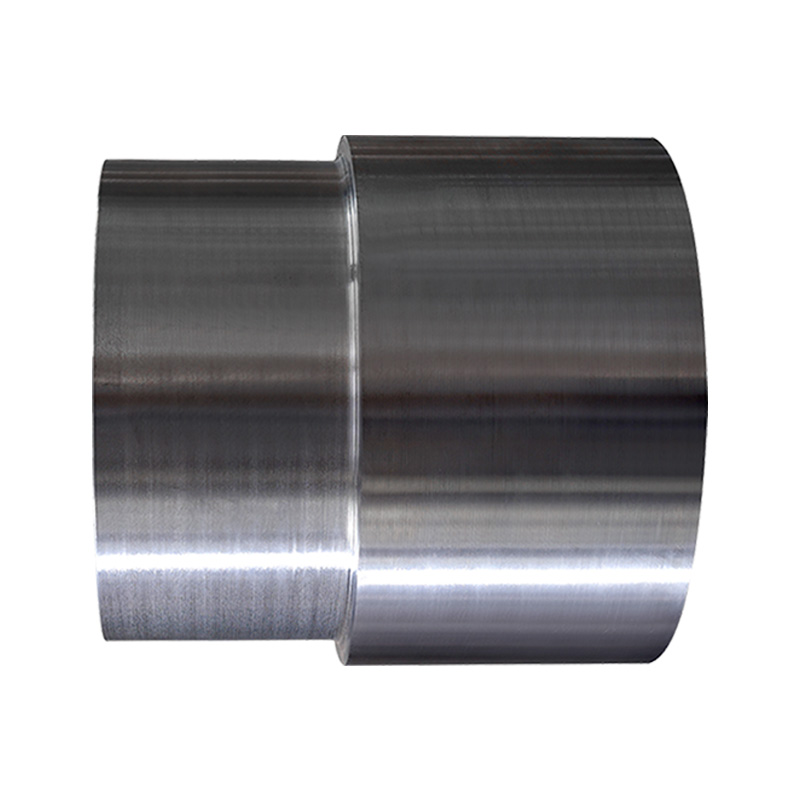
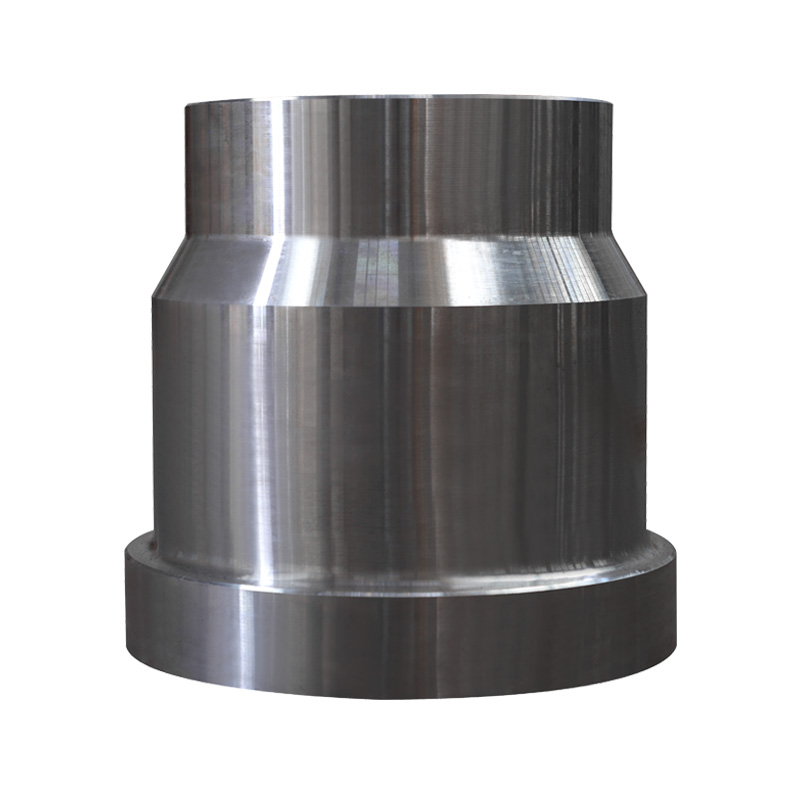
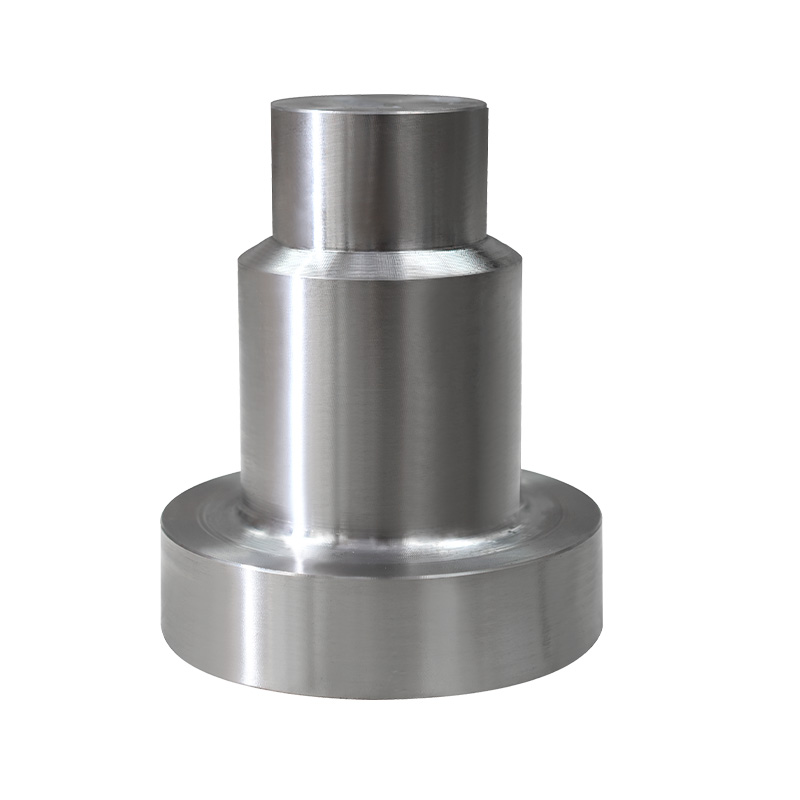
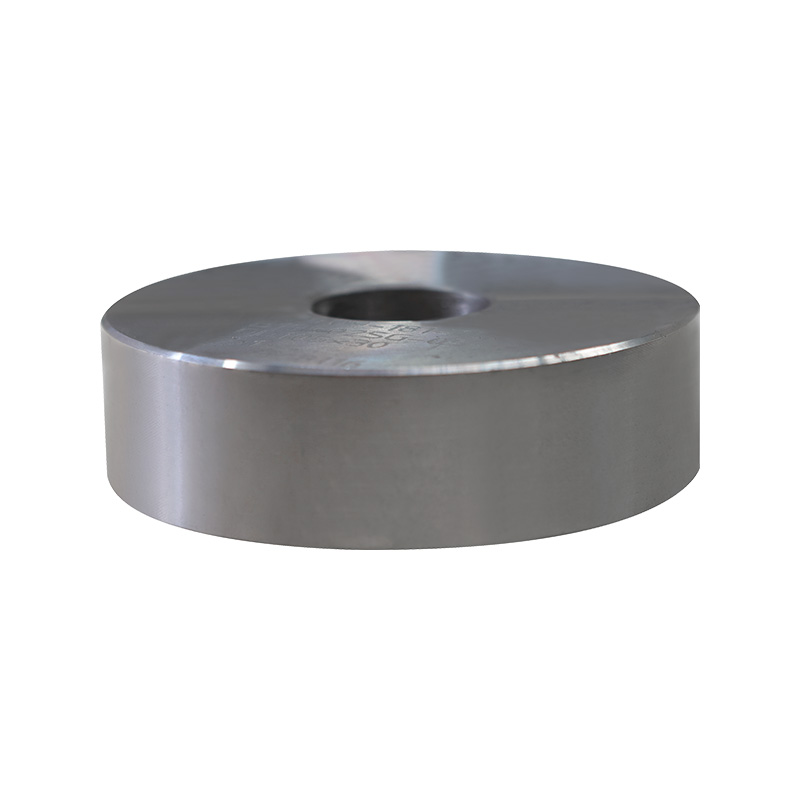
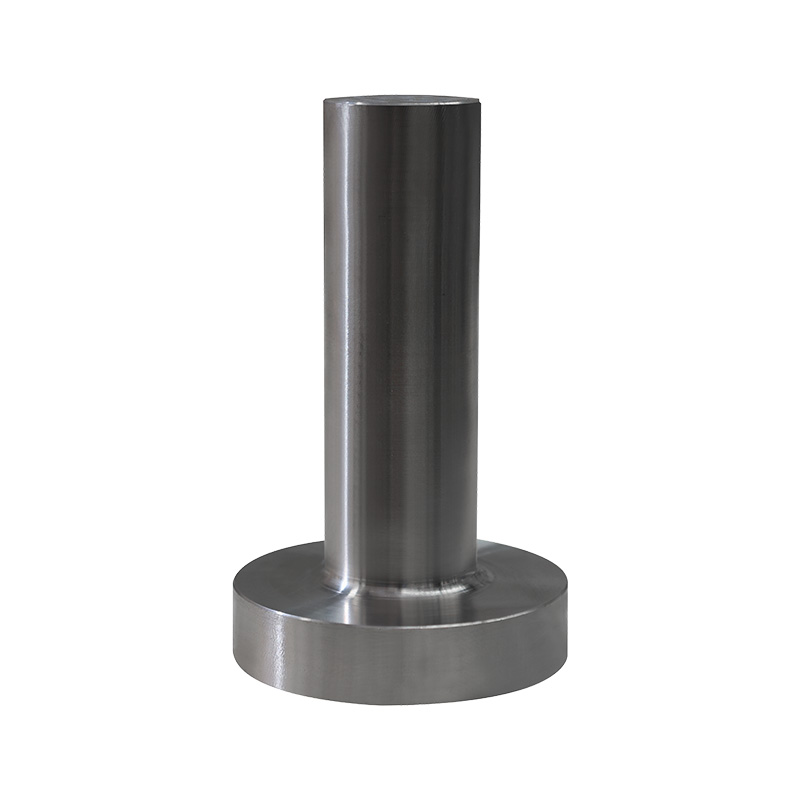
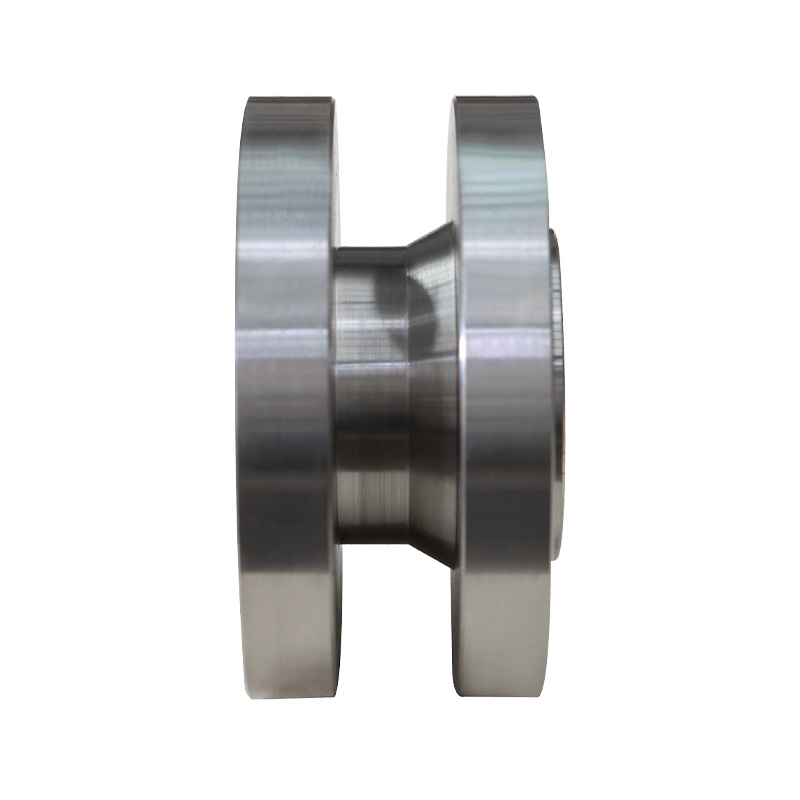
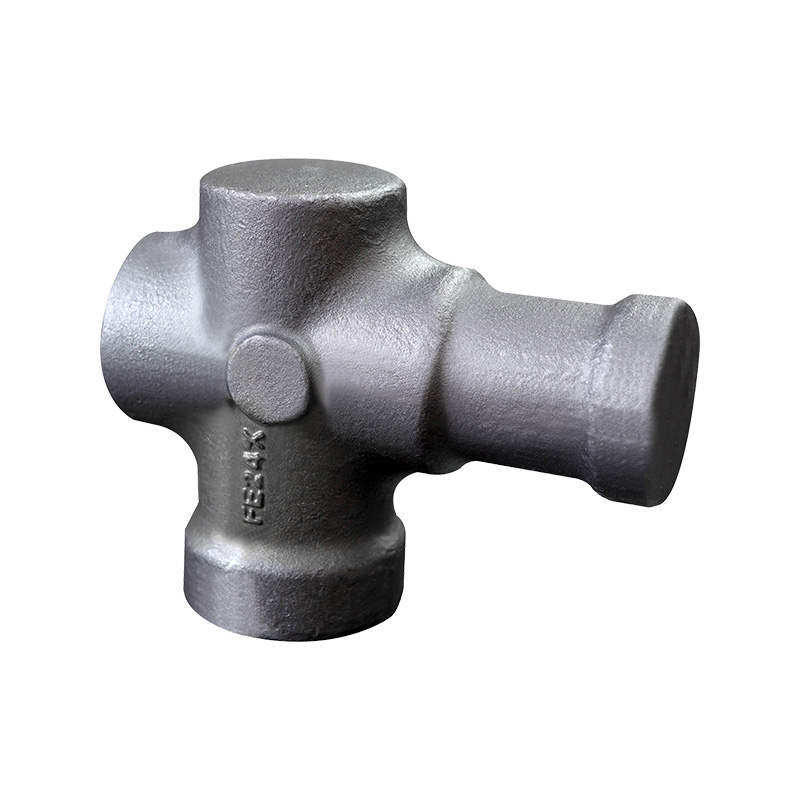
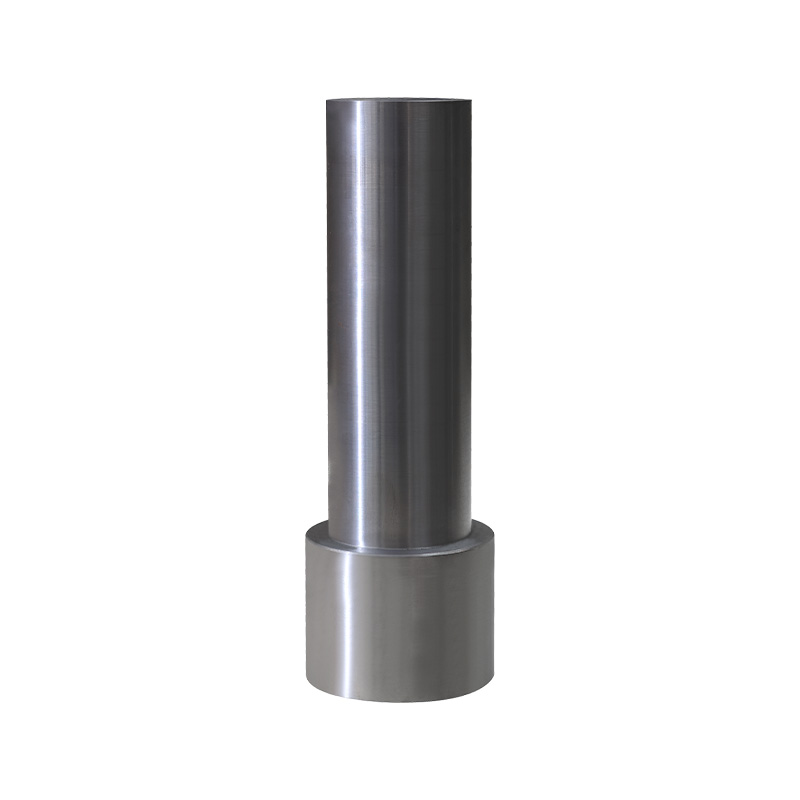
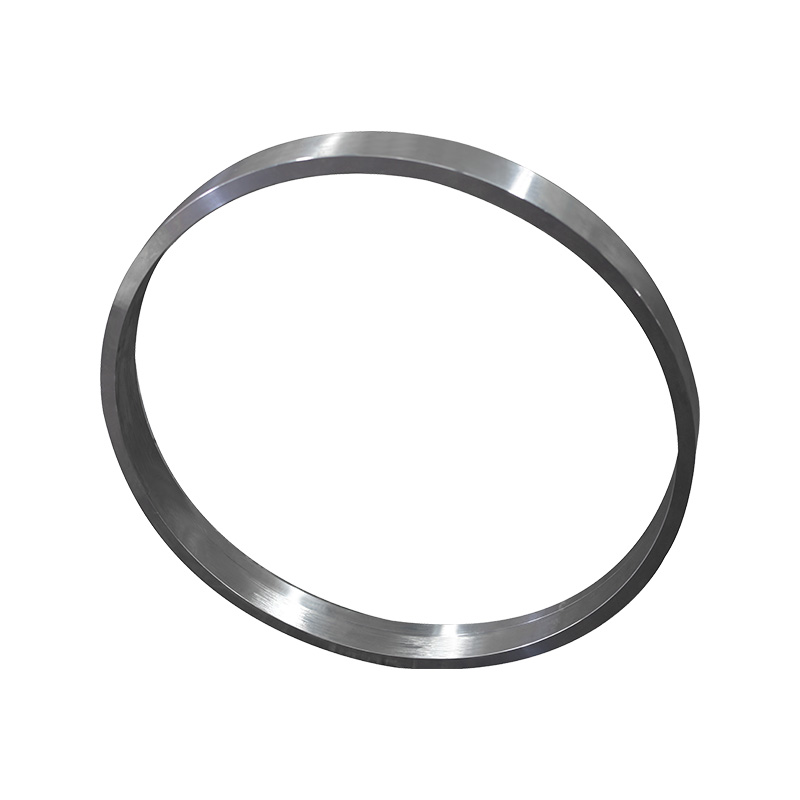
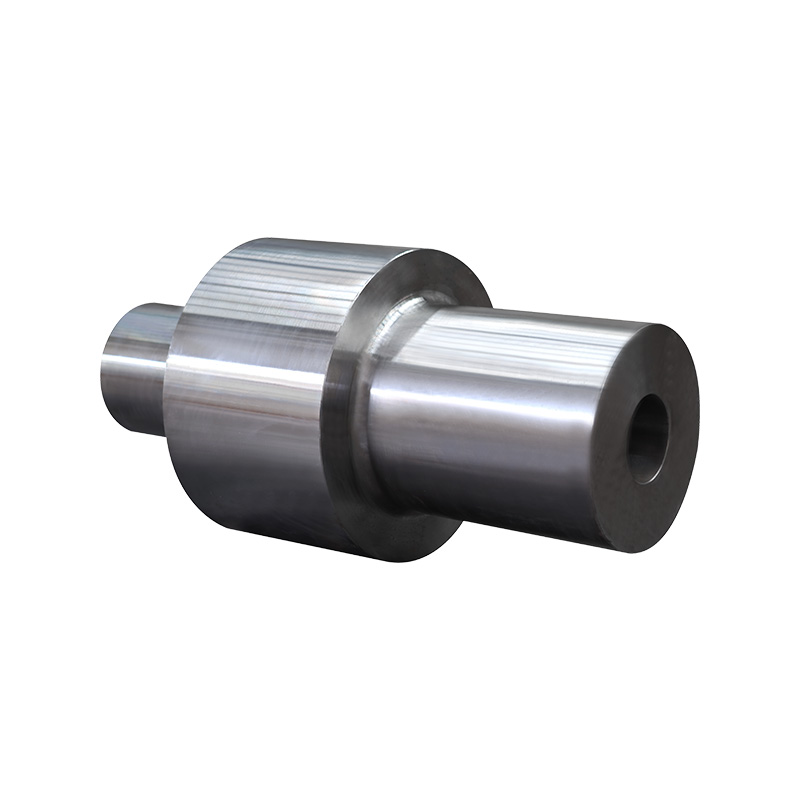
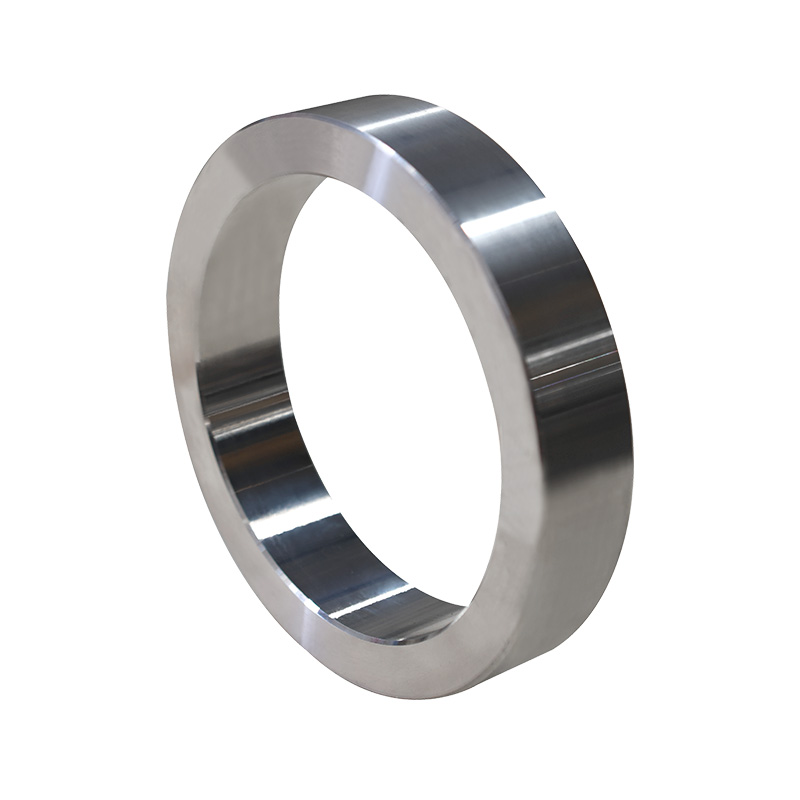
An alloy steel forging is a metal component shaped by applying compressive force to a heated alloy steel billet or ingot, causing the internal grain structure to deform and align along the shape of the part rather than being cut away as with machining. This grain alignment is what gives forged parts their characteristic strength advantage over cast or machined equivalents of the same alloy.
- The starting material is a solid alloy steel bar, billet, or ingot, not a liquid pour.
- Heat is applied to bring the steel into a workable plastic range, usually between 1,100°C and 1,250°C for most medium-alloy grades.
- Mechanical force from a hammer, press, or upsetter deforms the heated material into a die or a rough shape.
- The resulting grain flow follows the contour of the part, improving fatigue life and impact resistance.
How The Forging Process Actually Works
Most alloy steel forgings pass through a repeatable sequence of stages before they reach final dimension. While exact steps vary by part geometry and shop equipment, the general workflow is fairly consistent across the industry.
- Billet cutting and inspection for surface defects or internal voids.
- Induction or furnace heating to the correct forging temperature range for the specific alloy.
- Rough forming, often called blocking, to bring the mass into an approximate shape.
- Finish forging in a closed die or open die setup to achieve near-final geometry.
- Trimming of flash material left at the die parting line.
- Controlled cooling to avoid internal stress cracking.
- Heat treatment such as normalizing, quenching, or tempering to hit target hardness.
- Machining allowance removal and final dimensional check.
Temperature control during step two is arguably the most critical variable in the entire chain. Forge the alloy too cold and the grain will tear rather than flow smoothly, leaving micro-cracks that are difficult to detect visually. Forge it too hot and grain growth becomes excessive, which quietly reduces toughness even though the part may look perfectly sound.
Common Alloy Steel Grades Used In Forging
Forging shops draw from a fairly consistent pool of alloy families because these grades have well-understood forging behavior and predictable post-forge properties. Below is a summary of grades that appear most often on forging drawings across automotive, oil field, construction, and general machinery sectors.
Frequently forged alloy steel grades and their common end use
| Grade Family |
Key Alloying Elements |
Typical Forged Part |
| 41xx (chromium-molybdenum) |
Chromium, molybdenum |
Gear shafts, connecting rods |
| 86xx (nickel-chromium-moly) |
Nickel, chromium, molybdenum |
Gears, transmission parts |
| 43xx (nickel-chromium-moly) |
Nickel, chromium, molybdenum |
Aircraft landing gear, high stress shafts |
| 51xx (chromium) |
Chromium |
Bearing races, springs |
| 93xx (nickel-chromium-moly) |
Nickel, chromium, molybdenum |
Heavy truck axles, pinions |
The naming convention above follows the widely used two-digit-plus-two-digit numbering system, where the first two digits point to the alloy family and the last two digits indicate approximate carbon content in hundredths of a percent. A grade ending in "40," for example, points to roughly 0.40% carbon.
Mechanical Property Advantages Of Forged Alloy Steel
The reason engineers specify forgings instead of castings or heavy machining for critical load-bearing parts comes down to internal grain structure. During forging, the metal's internal grains are compressed and elongated to follow the part's outer contour, rather than being randomly oriented as in a casting.
This directional grain flow increases fatigue resistance by a wide margin compared to cast parts of identical chemical composition, because cracks have a harder time propagating across aligned grain boundaries. Forged alloy steel parts typically show:
- Higher impact toughness, particularly at low ambient temperatures.
- Better fatigue life under repeated cyclic loading, which matters greatly for rotating shafts and gears.
- Fewer internal voids or porosity compared to sand or investment castings.
- More consistent hardness after heat treatment across the cross section.
A commonly cited engineering rule of thumb is that a properly forged and heat-treated 4140 alloy steel part can reach a fatigue strength roughly 20% to 30% higher than an equivalent cast steel part of the same nominal composition, largely due to the absence of casting porosity and the presence of aligned grain flow.
Open Die Versus Closed Die Forging For Alloy Steel
Not every alloy steel forging goes through the same shaping method. The choice between open die and closed die forging depends on part size, production volume, and geometric complexity.
Open die versus closed die forging comparison for alloy steel parts
| Factor |
Open Die Forging |
Closed Die Forging |
| Typical part size |
Large, heavy shafts and blocks |
Small to mid-size complex shapes |
| Dimensional precision |
Lower, needs more machining |
Higher, closer to net shape |
| Tooling cost |
Low, minimal dedicated dies |
Higher, custom die sets required |
| Best production volume |
Low volume, one-off parts |
Medium to high volume runs |
Heat Treatment After Forging Changes Everything
A freshly forged alloy steel part is rarely used as-is. The forging process itself leaves internal stress and a grain structure that, while aligned, still needs refinement through heat treatment to hit the exact hardness and toughness targets on the engineering drawing.
Normalizing is often the first step, where the part is reheated to just above its critical transformation temperature and air cooled to relieve forging stress and refine grain size. Quenching and tempering follow for parts requiring higher strength, where rapid cooling in oil or water locks in a hard martensitic structure, and a subsequent tempering cycle at a lower temperature restores enough ductility to prevent brittleness.
The specific alloy content directly determines how the part responds to these cycles. Molybdenum and chromium both raise hardenability, meaning the steel can be hardened to greater depth without requiring an extremely fast quench, which lowers the risk of cracking on larger cross-section forgings.
Where Alloy Steel Forgings Are Actually Used
Because forged alloy steel combines strength, toughness, and predictable fatigue behavior, it shows up across almost every sector that involves rotating, load-bearing, or impact-prone components.
- Automotive drivetrain parts including crankshafts, connecting rods, and axle shafts.
- Heavy construction equipment pins, bushings, and bucket teeth.
- Oil field drilling tool joints, couplings, and downhole tool bodies.
- Wind turbine main shafts and gearbox internals.
- Rail transportation wheels, axles, and coupler knuckles.
- Industrial gearboxes, pump shafts, and valve bodies for high-pressure service.
Wind turbine main shafts deserve a special mention, since these components can weigh several tonnes and must withstand millions of load cycles over a 20-year service life, making forged alloy steel with controlled grain flow essentially the only realistic material choice for this application.
Advantages Of Choosing Forged Alloy Steel Over Alternatives
When an engineer weighs forged alloy steel against casting or plate fabrication, a handful of practical advantages tend to drive the decision.
Strength-To-Weight Efficiency
Because forged alloy steel achieves higher strength per unit mass than plain carbon steel castings, designers can often reduce cross-sectional dimensions while still meeting load requirements, saving overall part weight without sacrificing safety margin.
Predictable Grain Behavior
Since the grain structure follows the die shape in a repeatable way, quality control teams can predict where the strongest and weakest orientations will be before the part ever leaves the forge, which supports more confident engineering calculations.
Reduced Internal Defects
The compressive nature of forging tends to close up small internal voids that might otherwise form during solidification in a casting process, resulting in fewer hidden defects that could later grow into cracks under cyclic loading.
Quality Checks Commonly Performed On Alloy Steel Forgings
Before a forged part ships, most shops run through a series of checks to confirm the part matches drawing requirements and shows no signs of internal or surface flaw.
Typical inspection methods applied to finished alloy steel forgings
| Inspection Method |
What It Detects |
| Magnetic particle inspection |
Surface and near-surface cracks |
| Ultrasonic testing |
Internal voids, inclusions |
| Hardness testing |
Confirms heat treatment result |
| Dimensional inspection |
Geometric accuracy against drawing |
| Chemical composition analysis |
Confirms alloy grade matches specification |
Choosing The Right Alloy For A Forged Part
Selecting an alloy steel grade for a forging is rarely about picking the "strongest" option available. Instead, it is a balancing act between strength, toughness, cost, and how easily the alloy responds to forging temperatures.
Parts that see high impact loading at low temperature, such as mining equipment components, often lean toward nickel-bearing grades because nickel improves toughness without dramatically raising forging difficulty. Parts that see sustained high heat, such as exhaust system components or certain pump shafts, tend to favor molybdenum-bearing grades since molybdenum helps the steel resist softening at elevated service temperature.
Cost also plays a real role. Straight carbon steel forgings remain the cheapest option, but once a part needs improved fatigue life, wear resistance, or toughness beyond what carbon and manganese alone can offer, the added cost of chromium, nickel, or molybdenum is usually justified by longer service life and fewer field failures.
Frequently Asked Questions About Steel Alloys And Forgings
What is steel actually an alloy of?
Steel is an alloy of iron and carbon at its most basic definition, with carbon usually making up less than 2.1% of the total weight. Most commercial and industrial steel also contains additional elements such as manganese, silicon, chromium, nickel, or molybdenum to adjust specific mechanical properties.
Is alloy steel stronger than plain carbon steel?
In most cases, yes. Adding elements such as chromium, nickel, or molybdenum generally raises hardenability and toughness beyond what plain carbon steel can achieve, particularly after proper heat treatment, though the exact strength gain depends on the specific alloy recipe and treatment applied.
Why is forging preferred over casting for critical alloy steel parts?
Forging aligns the internal grain structure along the shape of the part and tends to close up internal porosity through compressive force, which generally produces higher fatigue resistance and impact toughness compared to a cast part of identical chemical composition.
Does every alloy steel grade forge the same way?
No. Each grade has a distinct forging temperature window and a different sensitivity to cracking. Grades with higher chromium or nickel content, for example, often require tighter temperature control to avoid surface tearing during deformation.
What happens if an alloy steel forging is not heat treated afterward?
Without proper heat treatment, a forged part typically retains uneven internal stress and an unrefined grain structure, which can leave hardness and toughness well below the levels the alloy is actually capable of delivering.
How is the size of a forged part limited?
Size is mostly limited by the tonnage capacity of the available hammer or press and by how evenly heat can be maintained through a large cross section during forming, since uneven temperature across a big billet can lead to inconsistent grain flow.
Can alloy steel forgings be re-forged if a mistake happens?
In many cases a part can be reheated and re-forged if it has not developed cracks, though repeated heating cycles can promote grain growth, so shops generally limit how many times a single piece is reheated before quality starts to suffer.
Key Takeaways On Steel Alloys And Forged Components
Steel begins as an alloy of iron and carbon, and the moment additional elements like chromium, nickel, or molybdenum are added in meaningful amounts, it becomes alloy steel with a distinct set of mechanical advantages. When that alloy steel is shaped through forging rather than casting or heavy machining, the resulting part gains directional grain flow, reduced internal porosity, and generally superior fatigue life, which is exactly why forged alloy steel remains the standard choice for shafts, gears, and other high-stress rotating or load-bearing components across heavy industry.
Getting a reliable forged part ultimately comes down to three things working together: choosing an alloy suited to the service condition, controlling forging temperature tightly enough to avoid cracking or excessive grain growth, and applying the correct post-forge heat treatment to unlock the alloy's full potential.



 英语
英语 德语
德语 阿拉伯语
阿拉伯语