

 英语
英语 德语
德语 阿拉伯语
阿拉伯语

**What is "Steel"? (Ordinary Steel/Carbon Steel)**
• Basic Composition:
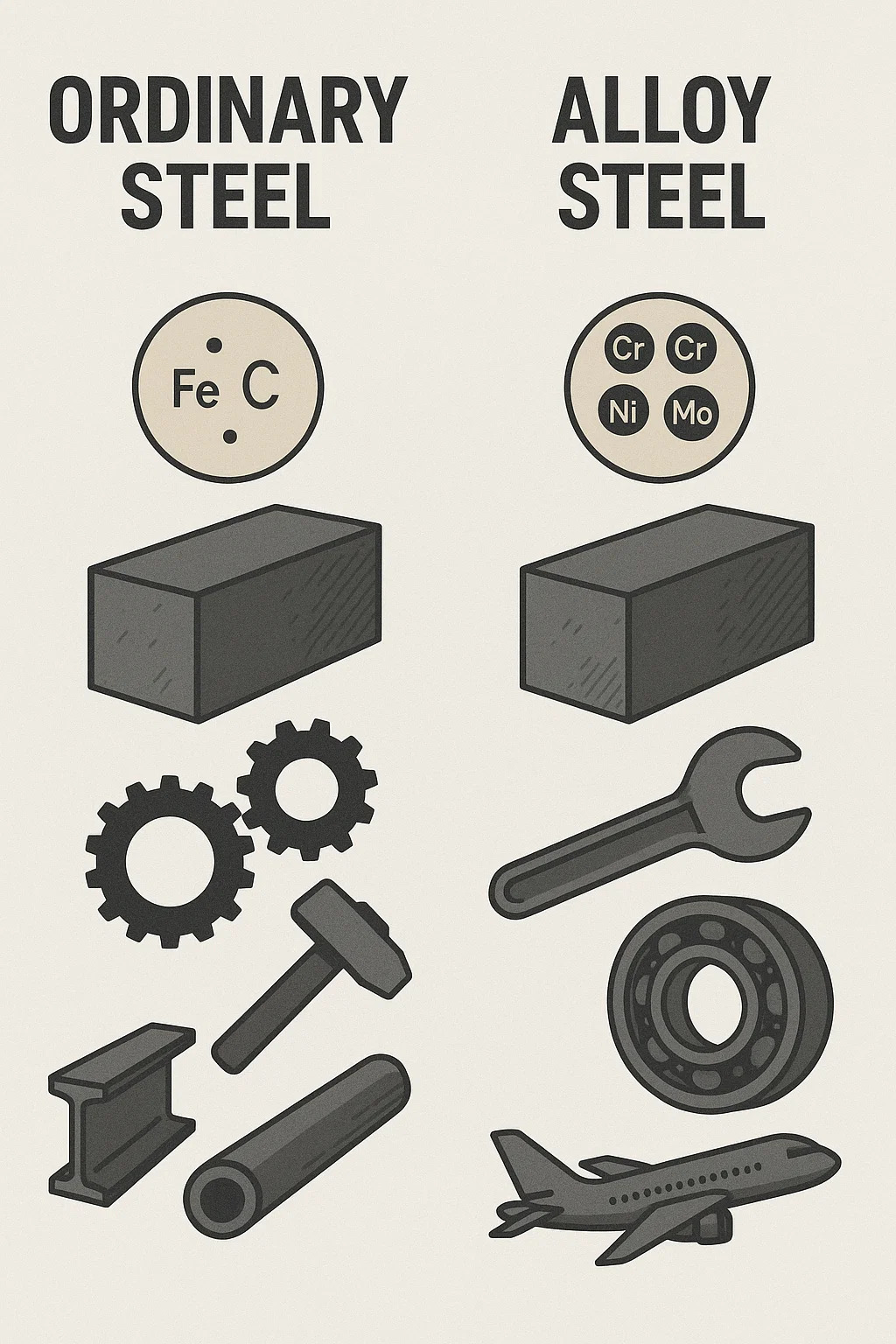
The most common type of steel, also known as carbon steel, is like the fundamental member of the steel family. It is primarily composed of iron and a small amount of carbon.
• Function:
The carbon content is crucial in determining the basic properties of this type of steel. The more carbon, the harder the steel usually is, but it may also become more brittle.
• Overview of Characteristics:
Its advantages include lower cost, ease of processing and welding, and a wide range of applications, such as in building frames, pipes, and simple everyday objects.
• Limitations:
However, its strength and corrosion resistance are generally not as good as alloy steel, and its performance is limited in harsh environments or where ultra-high strength is required.
**What is "Alloy Steel"?**
• Additional "Ingredients":
Alloy steel is made by adding other metallic or non-metallic elements to ordinary steel (iron and carbon), like adding various "functional ingredients" to the steel.
• Common "Ingredients":
These additives include chromium, nickel, molybdenum, vanadium, manganese, etc. Each has its own unique properties.
• Changing Properties:
The purpose of adding these elements is to enhance one or more key properties of the steel.
For example, adding chromium can significantly improve corrosion resistance (stainless steel is a type of high-alloy steel).
Adding molybdenum and vanadium can improve the steel's ability to maintain strength at high temperatures.
• Overview of Characteristics:
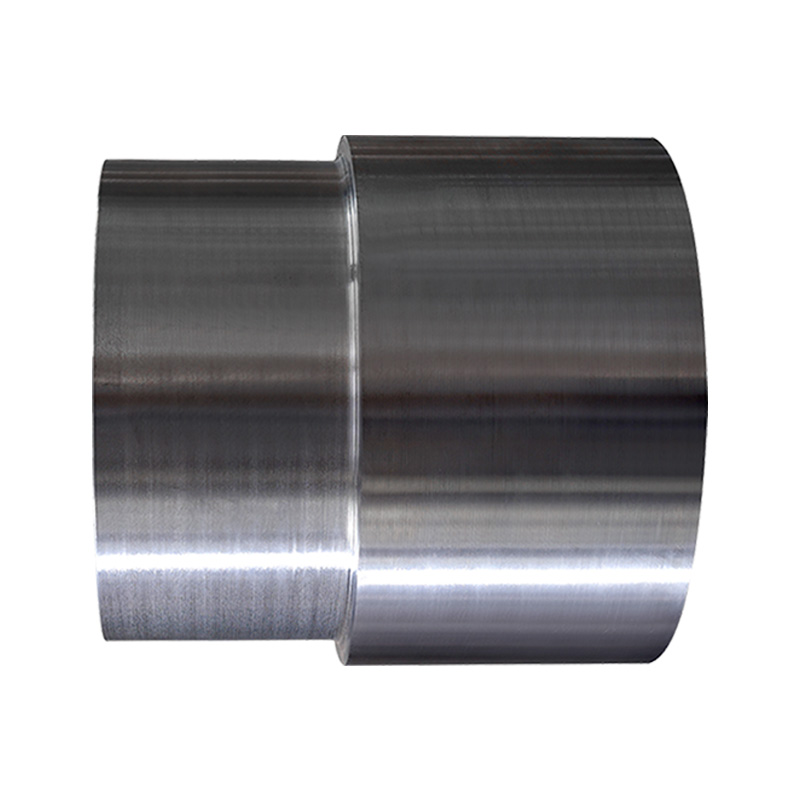
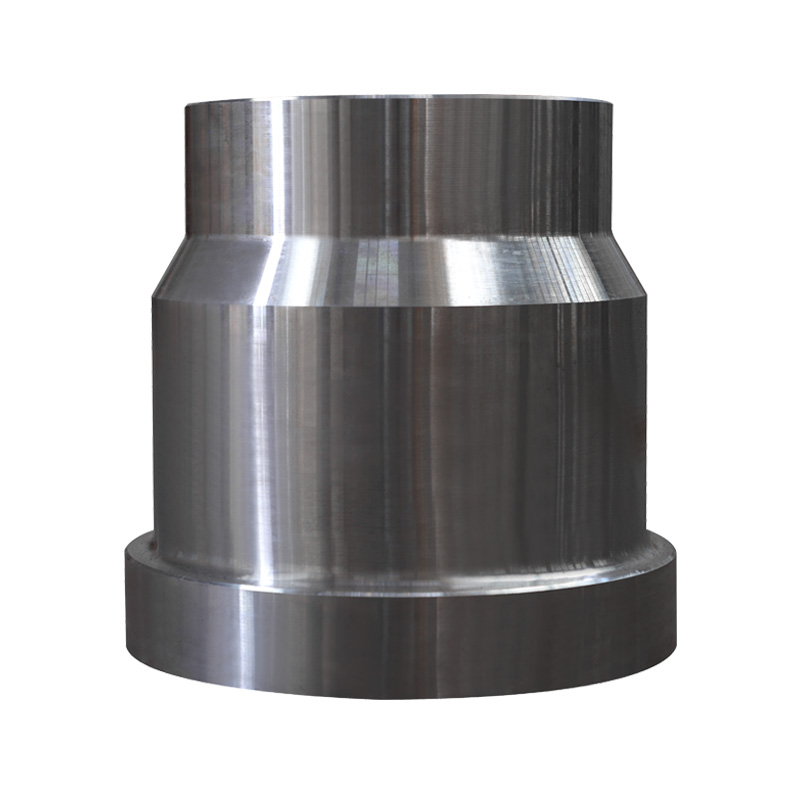
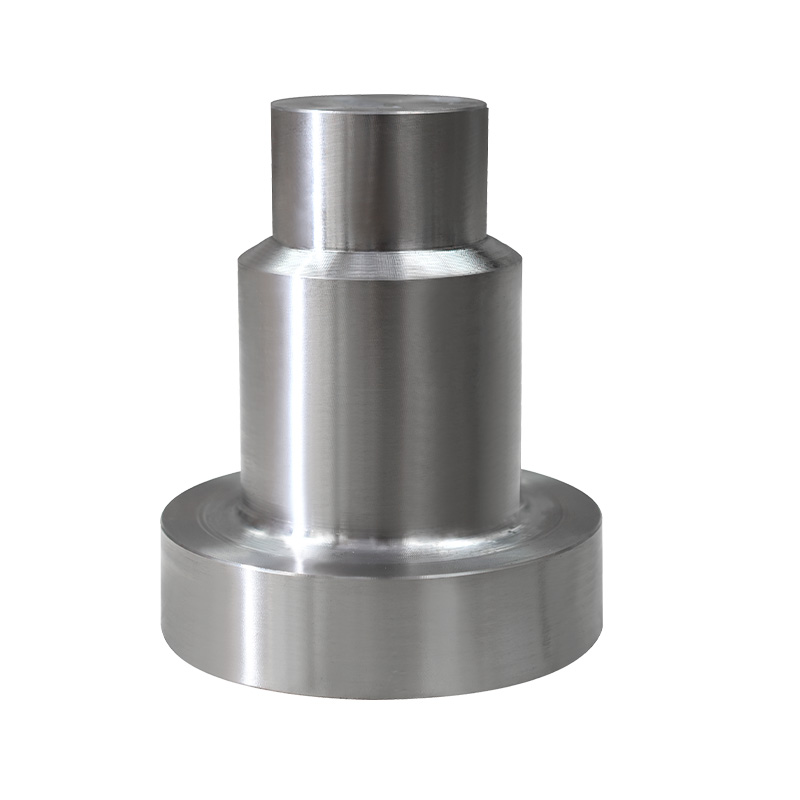
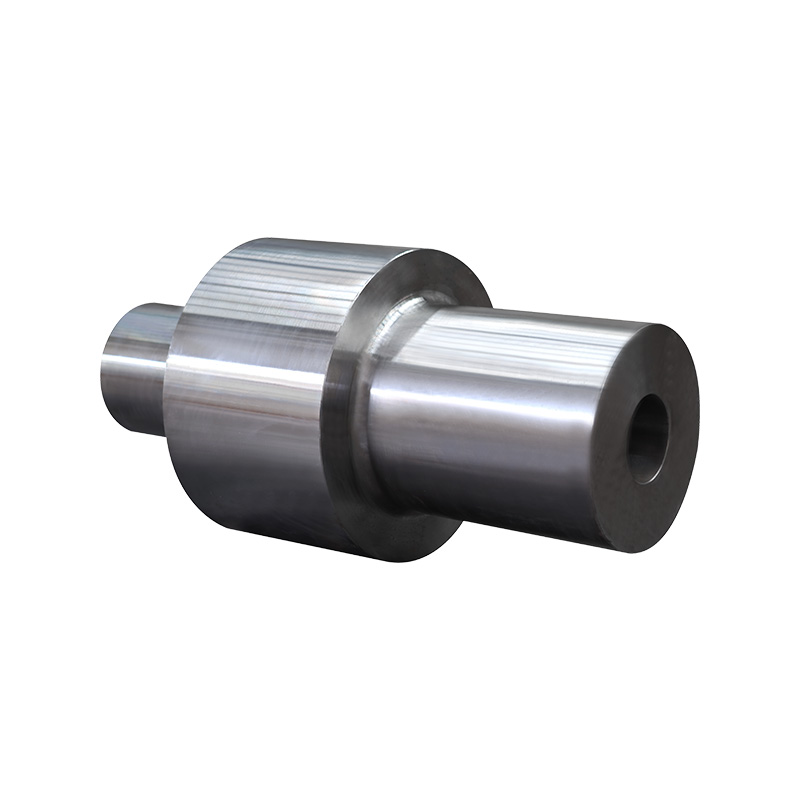
Higher strength and hardness: Particularly suitable for manufacturing alloy steel forgings, used in parts that withstand heavy loads and high impact forces, such as aircraft and automotive transmission components and heavy machinery bearings.
Better wear resistance and corrosion resistance: Allows for long-term use in more demanding environments.
• Cost:
Due to its more complex composition and more refined manufacturing process, alloy steel is usually more expensive than ordinary steel, and some special alloy steels are also more difficult to weld and process.
Carbon Steel vs. Alloy Steel Comparison
| Feature | Carbon Steel (Ordinary Steel) | Alloy Steel |
| Primary Composition | Iron + Carbon (with minimal trace impurities) | Iron + Carbon + Significant added alloying elements (e.g., Chromium, Nickel, Molybdenum) |
| Performance | Moderate strength, hardness, and corrosion resistance—sufficient for general use. | Possesses superior and highly specific properties, such as ultra-high strength, excellent heat resistance, or extreme corrosion resistance. |
| Cost | Lower cost; generally economical and budget-friendly. | Higher cost due to complex raw materials and specialized manufacturing/treatment processes. |
| Applications | General structures, non-critical parts, and environments with mild requirements. | High-performance, heavy-load, high-temperature, high-pressure, or highly corrosive critical environments. |