

 英语
英语 德语
德语 阿拉伯语
阿拉伯语

Content
- 1 Defining Carbon Steel: Composition and Typical Grades
- 2 Defining Alloy Steel: What the Added Elements Actually Do
- 3 Carbon Steel vs Alloy Steel: Key Differences at a Glance
- 4 Strength, Hardness, and Toughness: Which Material Wins?
- 5 Weldability, Machinability, and Heat Treatment Behavior
- 6 Cost Considerations: Material Price vs Lifecycle Value
- 7 How to Choose: Application-Based Guidance
- 8 Carbon Steel vs Alloy Steel for Forgings: What a Supplier Evaluates
- 9 FAQ: Carbon Steel vs Alloy Steel
- 9.1 Which is stronger, carbon steel or alloy steel?
- 9.2 Can both carbon steel and alloy steel be welded?
- 9.3 What carbon content is best for a forged shaft?
- 9.4 Is alloy steel always more expensive?
- 9.5 What alloy steel grades are typical for valve forgings?
- 9.6 Does carbon steel rust faster than alloy steel?
- 9.7 Which material is better for high-temperature service?
- 10 Final Takeaway for Your Next Forging Inquiry
The short answer: choose carbon steel when weldability, formability, and material cost matter most, and choose alloy steel when the part must hold high loads, resist wear, or survive heavy impact. The two families look similar before machining, but the difference in chemistry changes how a part behaves during forging, heat treatment, machining, and service.
In industrial forging, this decision is usually made before the die is even designed, because chemical composition determines the forging temperature range, cooling behavior, scale formation, and final heat treatment route. A forging supplier that works with both families, such as Jiangyin Xinyu Forging, will ask about service loads, operating temperature, and welding plans before recommending a grade. This guide lays out the same comparison a forging engineer would run, based on commonly published engineering data.
Defining Carbon Steel: Composition and Typical Grades
Carbon steel is an iron-carbon alloy with up to 2% carbon by weight, together with small amounts of manganese (up to about 1.65%), silicon (up to 0.60%), and copper (up to 0.60%). No minimum content of chromium, nickel, molybdenum, or other alloying elements is specified, so the material relies on carbon and section size to reach its mechanical properties.
Engineering practice divides carbon steel into three ranges, and each range behaves differently in forging and service:
- Low-carbon steel (below 0.30% C): very weldable, ductile, and inexpensive. Grades such as 1018 and 1020 are common for structural parts, brackets, flanges, and lightly loaded machine components. Typical tensile strength is 400–450 MPa in the hot-rolled condition, according to common mill data.
- Medium-carbon steel (0.30–0.60% C): the workhorse for shafts, gears, couplings, and forged machine parts. Grade 1045 has a typical tensile strength of about 570–630 MPa hot-rolled, and it can be quenched and tempered to a higher range.
- High-carbon steel (0.60–1.00% C): used where hardness and wear resistance matter more than ductility, such as springs, hand tools, and wear plates. Grade 1095 in the hardened-and-tempered condition can exceed 1,200 MPa tensile strength, with reduced elongation.
Defining Alloy Steel: What the Added Elements Actually Do
Alloy steel contains intentional additions of elements such as chromium, nickel, molybdenum, vanadium, manganese, silicon, or boron at levels that go beyond normal residual amounts. These elements modify the steel's response to heat treatment, its hardenability, and its final mechanical properties.
- Chromium improves hardenability, wear resistance, and high-temperature strength.
- Nickel improves toughness and low-temperature impact resistance.
- Molybdenum raises high-temperature strength and resists temper embrittlement.
- Vanadium refines the grain structure and improves fatigue strength.
- Boron in trace amounts strongly increases hardenability at low cost.
Common alloy forging grades include 4140 (chromium-molybdenum), 4340 (nickel-chromium-molybdenum), and carburizing grades such as 8620. Typical published data show 4140 in the quenched-and-tempered condition reaching 655–980 MPa tensile strength, while 4340 in high-strength heat treatments can reach 1,200 MPa or more. The exact value depends on tempering temperature and section size.
Carbon Steel vs Alloy Steel: Key Differences at a Glance
The table below condenses the practical comparison that design engineers and purchasing teams use when specifying a forged part, based on typical published values for common structural and forging grades.
| Property | Carbon Steel | Alloy Steel |
|---|---|---|
| Typical carbon content | 0.05–1.00% (plain grades) | 0.05–1.10% with added elements |
| Main alloy additions | Mn, Si, Cu only as residuals | Cr, Ni, Mo, V, Mn, B, etc. |
| Through-hardening depth | Limited (about 12–20 mm for 1045 in water) | Deep with oil quench (50–60+ mm for 4140) |
| Weldability | Excellent for low C; fair for medium; poor for high C | Fair to good with preheat and PWHT |
| Corrosion resistance | Low (uncoated) | Low to moderate unless chromium-rich |
| Relative material cost | Baseline (lowest) | Typically 20–40% higher per ton |
| Typical forged products | Flanges, shafts, brackets, rings | Valve parts, gears, axles, mining components |
Strength, Hardness, and Toughness: Which Material Wins?
If the comparison came down to one number, alloy steel would win on the upper end of strength, but the real difference is hardenability. Carbon steels reach high hardness only in thin sections and with a water quench, which can cause distortion or cracking. Alloy steels can be oil-quenched and still transform to martensite through a much thicker section.
Four data points explain the gap:
- 1045 quenched and tempered: about 250 HB hardness and roughly 700–800 MPa tensile strength in typical sections, with moderate toughness.
- 4140 quenched and tempered: about 280–340 HB hardness and 850–1,000 MPa tensile strength in sections up to roughly 50 mm, with better notch toughness than plain carbon at the same hardness.
- 4340 quenched and tempered: can reach 1,200–1,500 MPa tensile strength while keeping an elongation of 10% or more, which is why it appears in highly loaded energy and heavy machinery components.
- Impact energy: alloy steels, especially nickel-bearing grades, generally retain higher Charpy impact energy at low temperatures than plain carbon steels of the same strength level.
For fatigue-loaded forgings such as crankshafts and gear shafts, the combination of higher hardenability and a cleaner grain structure in alloy steel gives a higher endurance limit, provided the heat treatment produces a uniform tempered martensite structure.
Weldability, Machinability, and Heat Treatment Behavior
Weldability and machining behavior often decide the material as much as strength does. Carbon content is the main control variable.
- Low-carbon steel: weldable by all common processes without preheat up to about 20 mm thickness. Machining produces stringy chips but tool life is generally acceptable.
- Medium-carbon steel: needs preheat of 150–300°C and slow cooling after welding to avoid hard, crack-sensitive heat-affected zones. Machinability is good in the annealed or normalized condition.
- High-carbon steel: welding is difficult and requires high preheat plus post-weld heat treatment; mechanical fastening or brazing is usually preferred.
- Alloy steel: preheat of 200–350°C and low-hydrogen welding processes are typical. Post-weld heat treatment is often specified to restore toughness and relieve stress.
In forging, carbon steels offer a wide hot-working window (roughly 850–1,200°C) and are forgiving if the operator holds the part a little long in the furnace. Alloy steels demand tighter temperature control, because overheating risks grain coarsening and the cooling rate after forging directly influences the final structure, especially for grades that are used without a separate quench.
Cost Considerations: Material Price vs Lifecycle Value
On a per-ton basis, plain carbon steel is nearly always cheaper than alloy steel. Typical market relationships place common alloy steels such as 4140 roughly 20–40% higher in raw material cost than equivalent plain carbon sections, and the gap grows when the alloy grade requires controlled melting or special billet quality.
The lower material price can be misleading. A plain carbon shaft that must be oversized to survive fatigue, or that cracks during hardening, is more expensive than an alloy part that performs reliably the first time. When comparing quotes, look at total manufacturing cost, including:
- Billet price and minimum order quantity.
- Forging time: alloy steels often need slower heating and tighter temperature control.
- Heat treatment cost: alloy steels usually go through quench-and-temper with inspection.
- Machining cost: higher hardness extends tool wear unless the part is machined annealed.
- Scrap and rework cost from cracking or failed hardness tests.
For short production runs of simple shapes, carbon steel almost always wins on cost. For high-stress parts where one failure shuts down a plant, alloy steel usually wins on lifecycle value.
How to Choose: Application-Based Guidance
Use the service conditions of the part, not habit, to choose the family. The following list reflects how forging suppliers typically route material selection:
- Welded structural frames, brackets, and support plates: low-carbon steel, typically 1018 or 1020.
- General machine shafts, couplings, and non-critical gears: medium-carbon 1045, heat treated to the required hardness.
- Highly loaded gears, axles, crankshafts, and pinions: alloy steel such as 4140, quenched and tempered.
- Valve bodies, bonnets, and trim in high-pressure oil and gas service: chromium-molybdenum alloy steels for strength and resistance to hydrogen-induced damage in sour environments.
- Mining equipment components subject to impact and abrasive wear: alloy steels with a good balance of hardness and toughness, such as 4140 or a low-alloy wear-grade.
- Parts that will be welded in the field without controlled preheat: stay below about 0.30% carbon or specify a low-alloy grade with low carbon equivalent.
A useful rule of thumb: if the part must survive more than about 600 MPa of design stress, or if impact loads hit below -20°C, alloy steel should be in the discussion from the start.
Carbon Steel vs Alloy Steel for Forgings: What a Supplier Evaluates
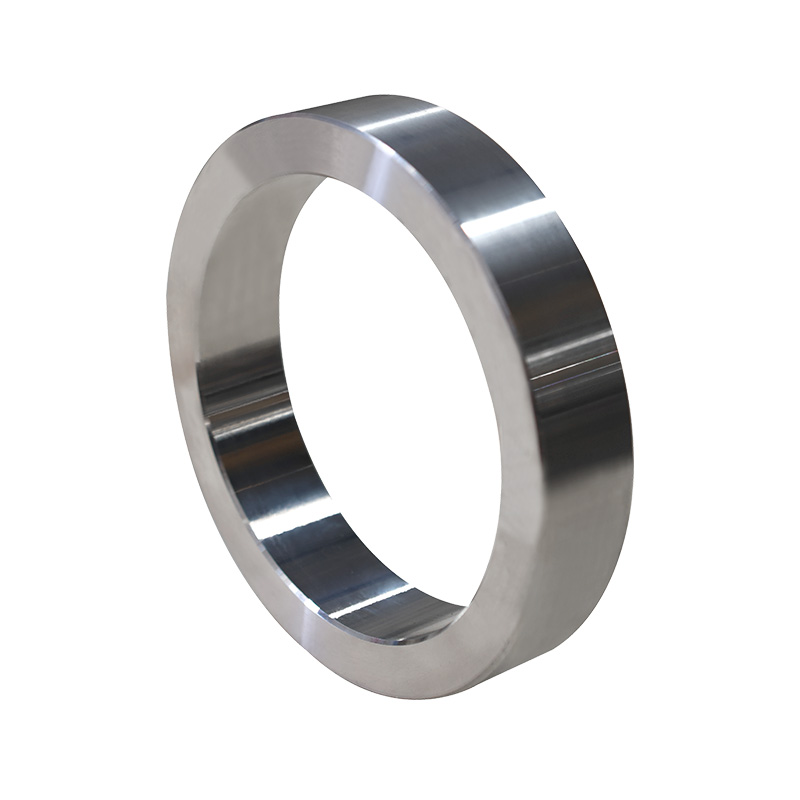
Before quoting a forged part, a forging manufacturer checks how the grade will behave in the shop. Chemistry influences billet heating time, scale formation, die wear, load requirements, grain flow, and final machinability. Both carbon and alloy steels are forged routinely; the difference shows up in how precisely the process must be controlled. A supplier with mature open-die and closed-die forging capabilities can produce rings and complex shapes in either family, up to 20 feet in outer diameter and 40,000 pounds per piece.
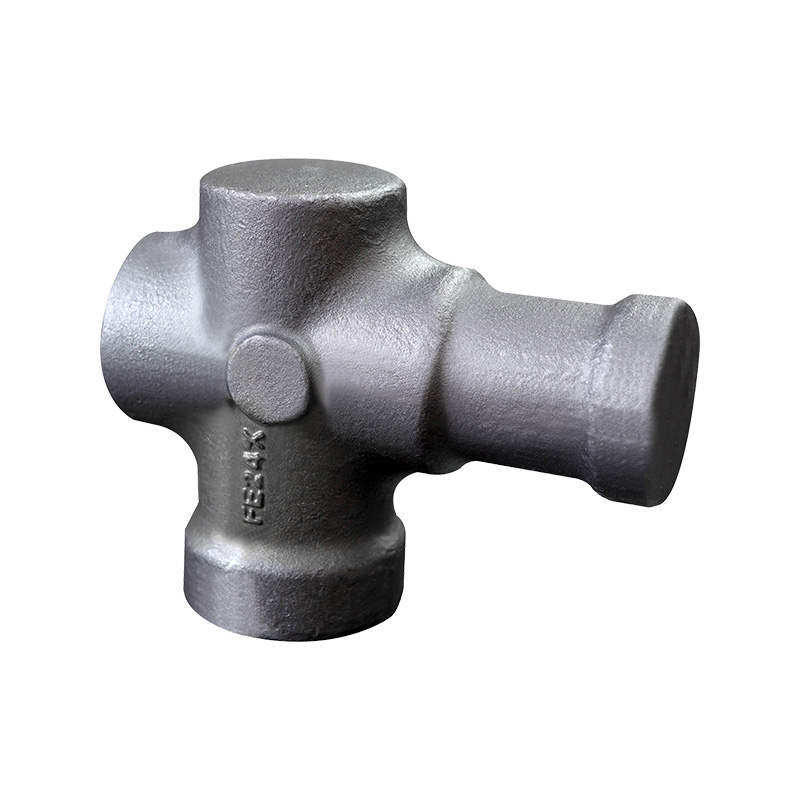
In valve manufacturing, material selection is tied to the strength performance of valve forgings under pressure. Alloy grades such as chromium-molybdenum steel are specified when the valve must hold high pressure at elevated temperature. Jiangyin Xinyu Forging supplies forged blanks for valve bodies and trim as part of its dedicated valve forging line.
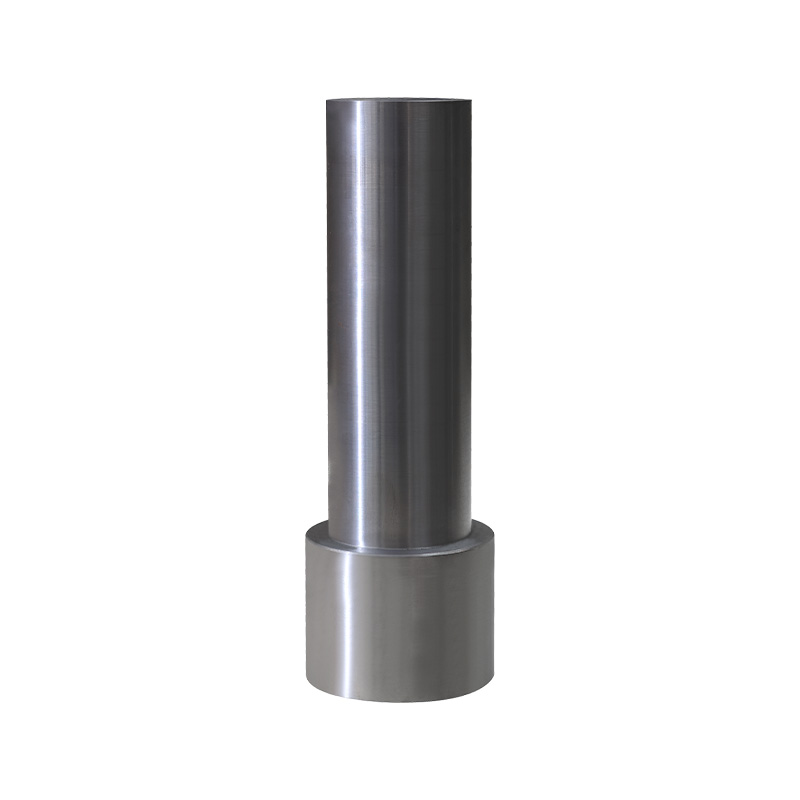
 Valve Parts Forgings for High-Pressure ServiceXinyu supplies forged blanks for valve bodies and trim, using alloy grades like chromium-molybdenum steel to meet high-pressure and high-temperature requirements in fluid control systems.View Product →
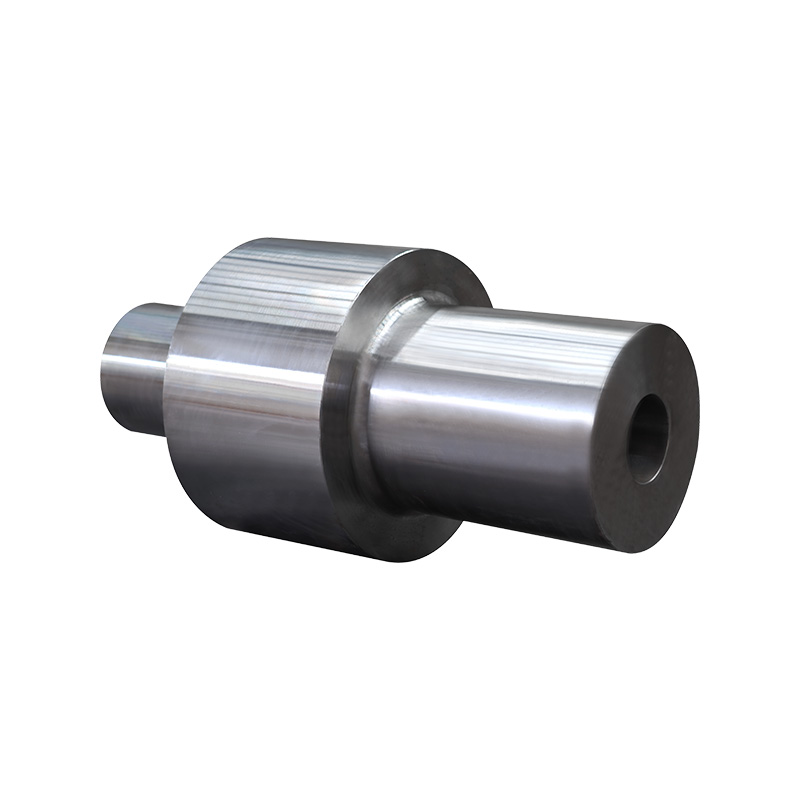
Mining equipment runs in a different regime: impact, vibration, and abrasive particles. Forged components such as gears, shafts, and roller assemblies from alloy steel resist fatigue better than equivalent carbon steel parts because of deeper hardening and higher toughness. Xinyu's mining machinery forging range covers these parts.
Mining Machinery Forgings for Impact and WearForged gears, shafts, and roller assemblies from alloy steel offer deeper hardening and higher toughness, making them suitable for impact, vibration, and abrasive conditions in mining.View Product →
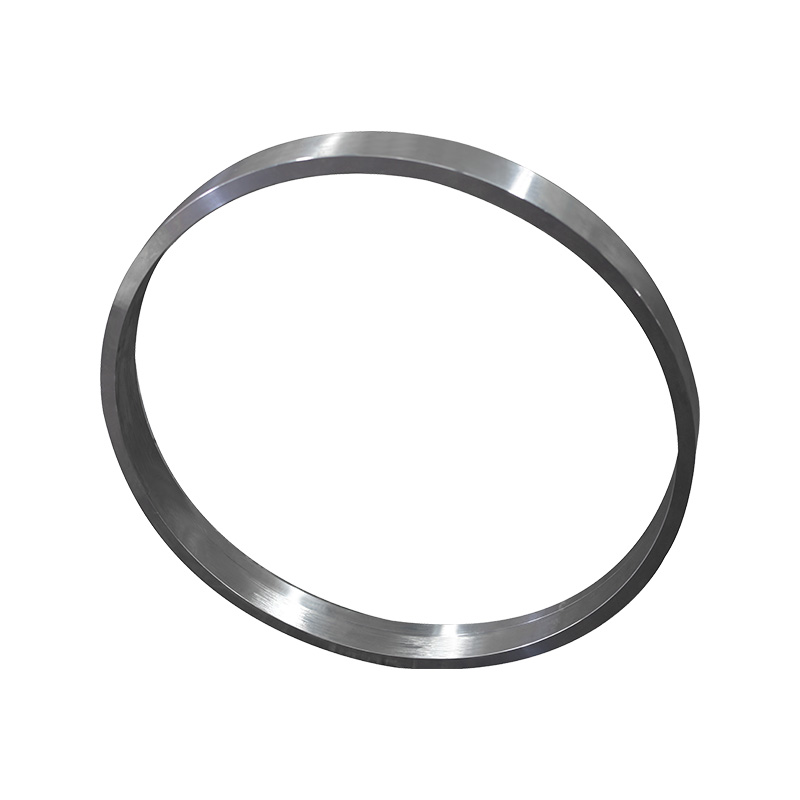
Oil and gas petrochemical systems add sour media and cyclical pressure. Flanges, connectors, and pressure-containing parts are frequently forged from alloy steel with controlled composition. The manufacturing route includes forging, heat treatment, and machining to final tolerances, which is exactly the sequence Xinyu follows in its oil and gas petrochemical forging line.
Oil and Gas Petrochemical Forgings for Sour ServiceXinyu produces flanges, connectors, and pressure-containing parts with controlled composition alloy steel, designed to resist sour media and cyclical pressure in petrochemical systems.View Product →FAQ: Carbon Steel vs Alloy Steel
Which is stronger, carbon steel or alloy steel?
In identical section sizes, alloy steel reaches higher tensile and fatigue strength after heat treatment, mainly because of better hardenability. A medium-carbon steel like 1045 tops out around 700–800 MPa in typical quenched-and-tempered sections, while 4140 and 4340 can reach 1,000–1,500 MPa with the right temper.
Can both carbon steel and alloy steel be welded?
Low-carbon steel welds easily; medium-carbon steel needs preheat; high-carbon steel is very difficult. Alloy steels generally require preheat and often post-weld heat treatment. The carbon equivalent value is a better guide than the name of the family.
What carbon content is best for a forged shaft?
For a lightly loaded shaft, 0.30–0.45% carbon (like 1045) is a strong, machinable choice. For heavily loaded or fatigue-critical shafts, an alloy grade such as 4140 is safer because it hardens deeper and tolerates notches better.
Is alloy steel always more expensive?
The raw material price is higher by roughly 20–40% per ton than plain carbon, and processing costs can also rise. But when a part is redesigned smaller, heat treated reliably, or replaced less often, the alloy grade often ends up cheaper per year of service.
What alloy steel grades are typical for valve forgings?
Chromium-molybdenum grades such as 4140 are common for valve bodies and pressure parts in oil and gas service. For more demanding conditions, higher nickel-chromium-molybdenum grades may be used. The final grade should always be matched to the pressure class, temperature, and media.
Does carbon steel rust faster than alloy steel?
Uncoated carbon steel and ordinary low-alloy steel corrode at roughly similar rates in atmospheric exposure. Chromium in high enough amounts changes the picture, but standard alloy grades like 4140 offer only modest corrosion resistance. If corrosion is the main threat, consider a coating, plating, or a high-chromium grade instead of assuming the alloy family solves it.
Which material is better for high-temperature service?
At operating temperatures above roughly 400°C, plain carbon steel loses load capacity quickly. Molybdenum-bearing alloy steels retain strength at elevated temperatures and resist creep better, which is why chromium-molybdenum grades appear in hot piping and boiler-related components.
Final Takeaway for Your Next Forging Inquiry
When you set carbon steel against alloy steel, the right answer depends on the loads, the environment, and the manufacturing route. Carbon steel handles simple, welded, and cost-sensitive parts well. Alloy steel earns its higher price where hardness, toughness, fatigue strength, or corrosion-related performance is the priority.
When requesting a forging quote, provide the service temperature, working pressure, load cycles, and any welding plans. That information lets the supplier recommend the most economical grade that still meets the design life. If you are still comparing grades, start with the forged blank size: both carbon and alloy steel can be produced to your drawing up to 20 feet in outer diameter and 40,000 pounds in weight.