

 英语
英语 德语
德语 阿拉伯语
阿拉伯语

Technical Features and Specifications
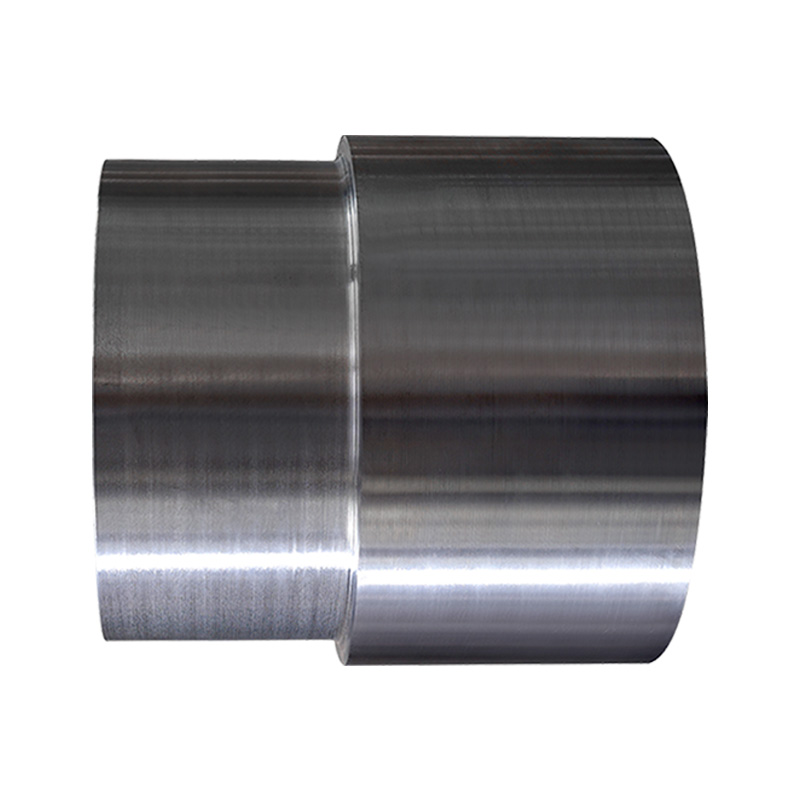
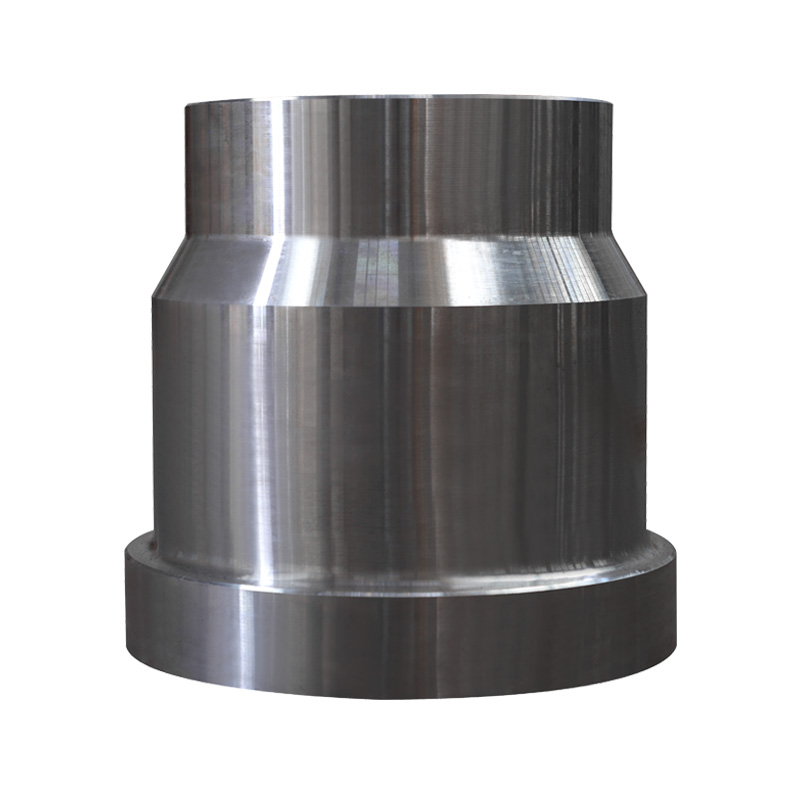
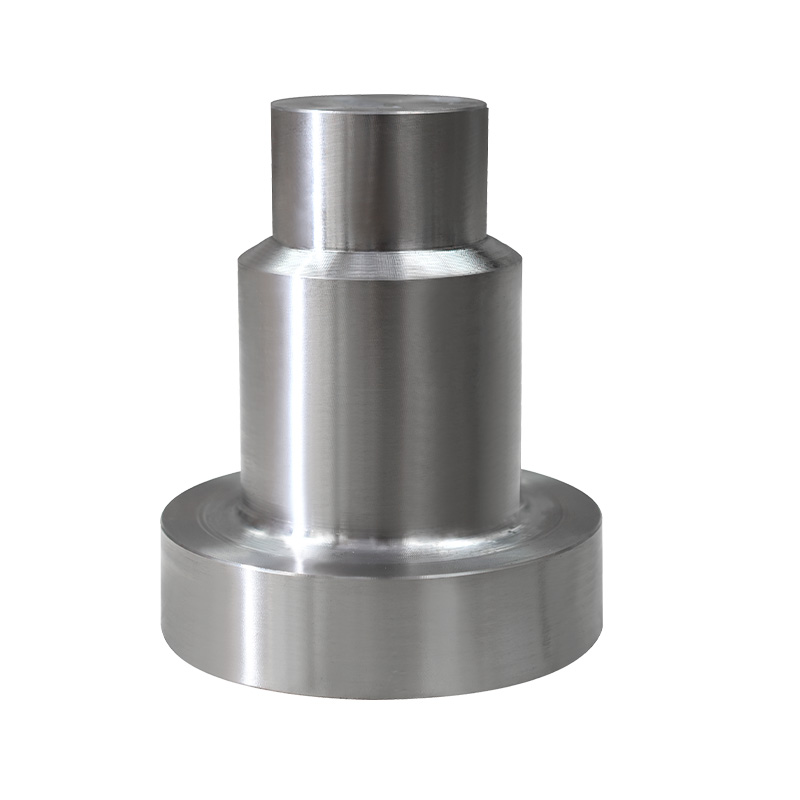
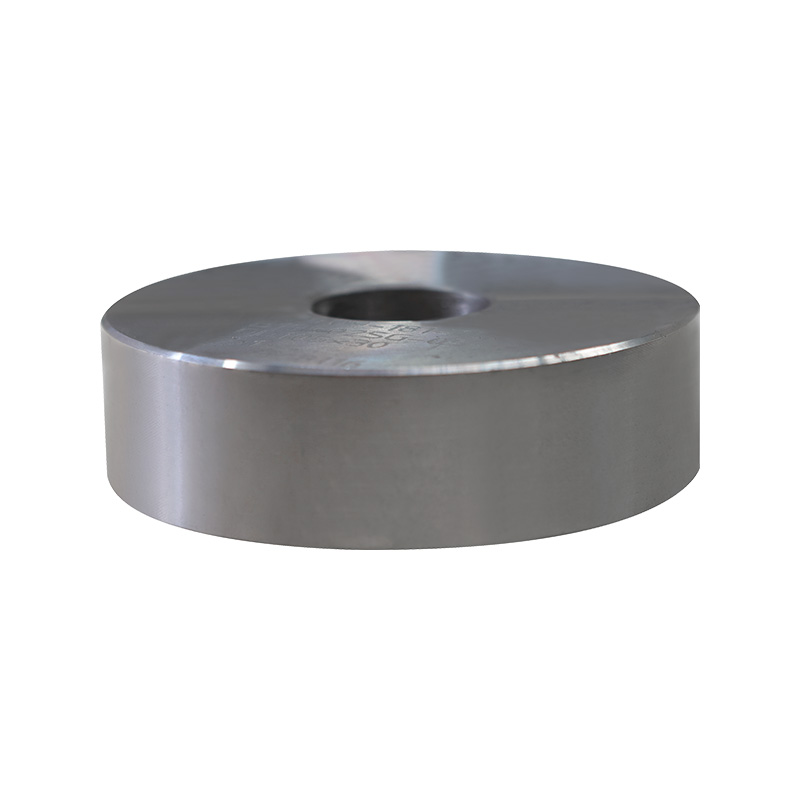
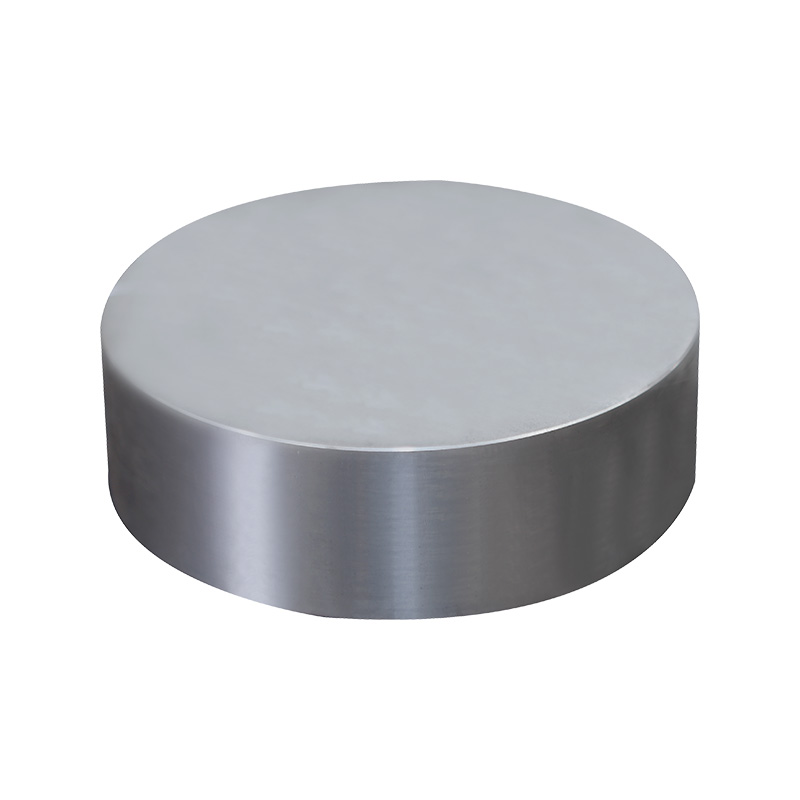
Tube sheet forgings are defined by their flatness, thickness, and the precision of their internal grain flow.
| Feature | Requirement Detail |
|---|---|
| Manufacturing | Open-die forging followed by precision machining. |
| Standards | ASME Section VIII, TEMA Standards (R, B, and C). |
| Materials | A105, F316L, F51 Duplex, B462 (Alloy 20). |
| Surface Finish | Fine-lapped finish for gasket seating areas. |
The forging ratio is carefully managed to ensure uniform hardness across the entire face of the disk. This uniformity is vital for the "tube-to-tube-sheet" joint; if the hardness varies, the tubes may not expand correctly, leading to leaks. Every tube sheet undergoes 100% Ultrasonic Testing (UT) to ensure that the core of the forging is as sound as the surface, a critical requirement for high-pressure boilers and nuclear heat exchangers.
-
 Development Conceptscientific and technological innovation as the driving force.
 -
 Quality PolicyPeople, integrity, truth-seeking, innovation
 -
 Core ValueCommon development to achieve symbiosis and win-win.
Procurement and Selection Criteria
When sourcing tube sheet forgings, the focus should be on the material’s long-term stability and weldability:
- Thermal Expansion: Ensure the forged material's expansion coefficient matches the tubes to prevent the joints from loosening during temperature swings.
- Hole Precision: Specify tight tolerances for the tube hole "ligaments" (the space between holes). Forged steel's density allows for closer hole spacing without compromising strength.
- Cladding Options: For corrosive fluids, consider a forged carbon steel base with an exploded-bonded or weld-overlaid stainless steel face to save costs.
- Flatness Tolerance: Request a post-heat-treatment flatness check to ensure the sheet won't warp during the final machining of the gasket grooves.
Advantages of Forged Tube Sheets
Forged tube sheets offer significant safety and performance benefits over rolled plate alternatives.
| Advantage | Operational Benefit |
|---|---|
| Zero Delamination | Eliminates the risk of "internal layers" splitting under pressure. |
| Superior Machining | Dense grain flow allows for smoother, more accurate hole drilling. |
| Joint Integrity | Provides a better substrate for tube-to-sheet strength welding. |
| Longevity | Resists the "bowing" effect caused by high pressure-differentials. |
In high-pressure "Breech Lock" heat exchangers used in hydrocrackers, only forged tube sheets can handle the extreme bolting loads required for sealing. The homogeneity of the forging ensures that the stress is distributed evenly, preventing localized cracking at the outer edge of the tube bundle. This reliability is what keeps refineries running for years between major turnarounds.
Global Industry Applications
Tube sheets are the "unsung heroes" of thermal management across the industrial spectrum.
| Industry | Usage Context |
|---|---|
| Petrochemical | Condensers, evaporators, and reactor cooling. |
| Power Generation | Steam surface condensers and feed water heaters. |
| Marine/Shipping | Engine oil coolers and desalination units. |
| HVAC Systems | Large-scale centrifugal chillers for district cooling. |
In the emerging "Green Hydrogen" sector, forged tube sheets are used in large-scale electrolyzers and cooling units. The purity of the forged metal is vital for preventing hydrogen embrittlement, ensuring that these new energy systems can operate safely for decades.
- Q: What is a "Ligament" in a tube sheet?
- A: The ligament is the narrow strip of metal between two adjacent tube holes. In a forged tube sheet, these ligaments are exceptionally strong due to the dense grain structure.
- Q: Can tube sheets be repaired?
- A: Minor leaks can be addressed by re-expanding or re-welding tubes, but if the forged tube sheet itself develops a crack, it generally requires a full component replacement to ensure safety.