

 英语
英语 德语
德语 阿拉伯语
阿拉伯语

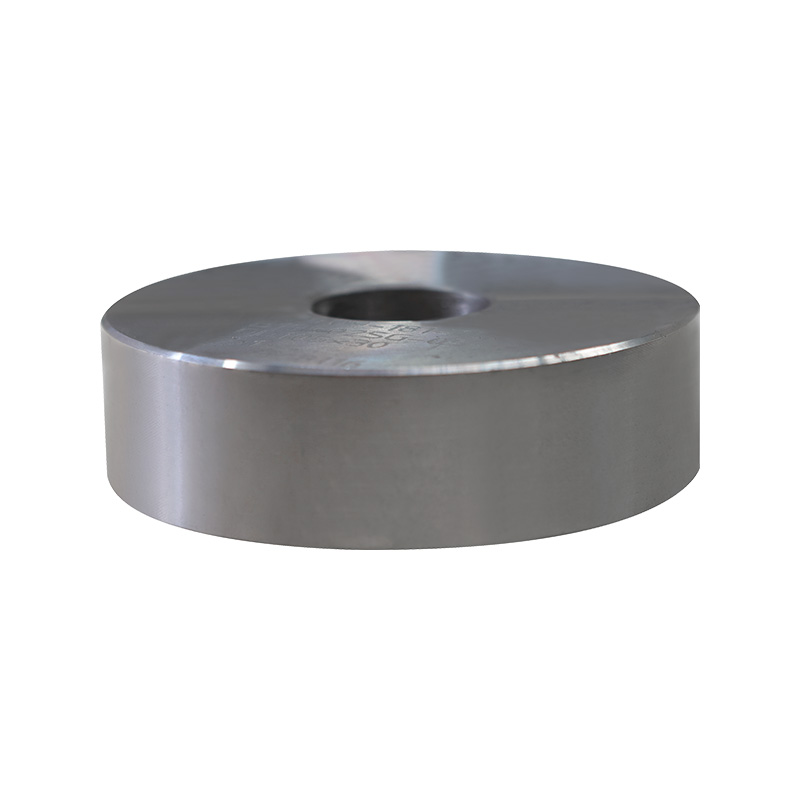
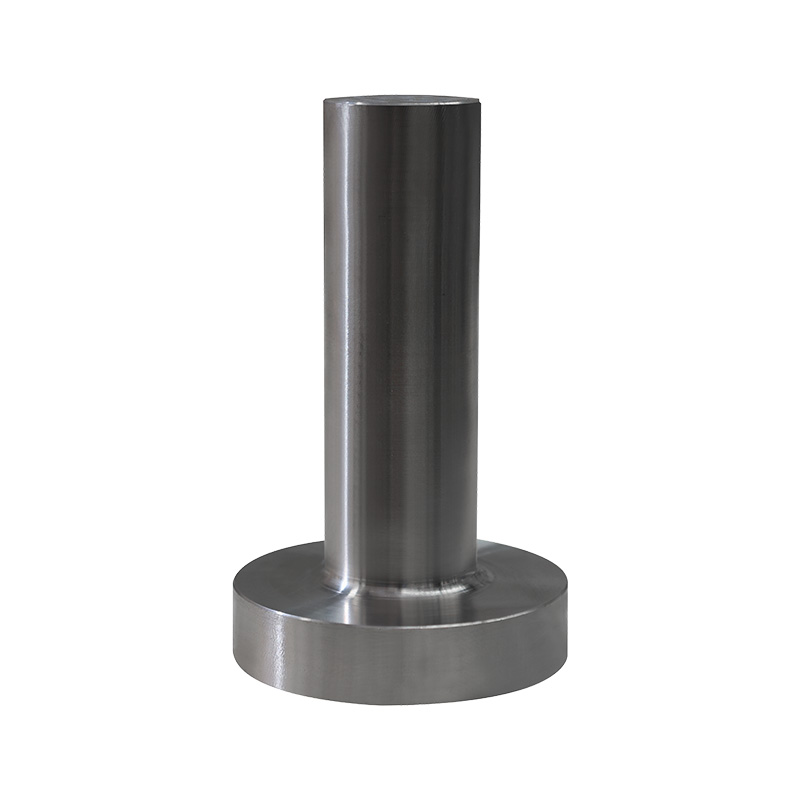
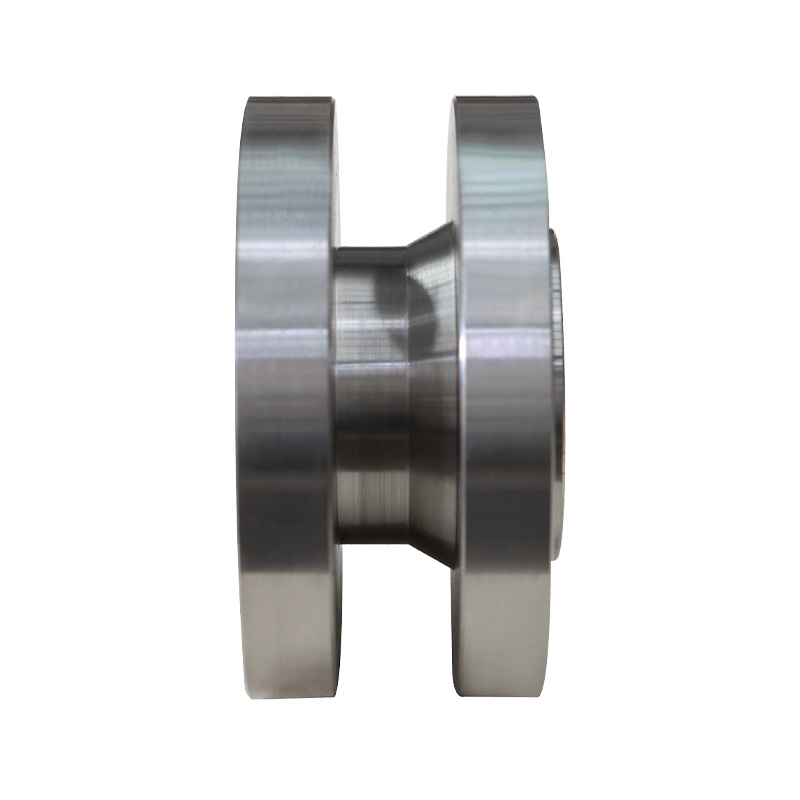
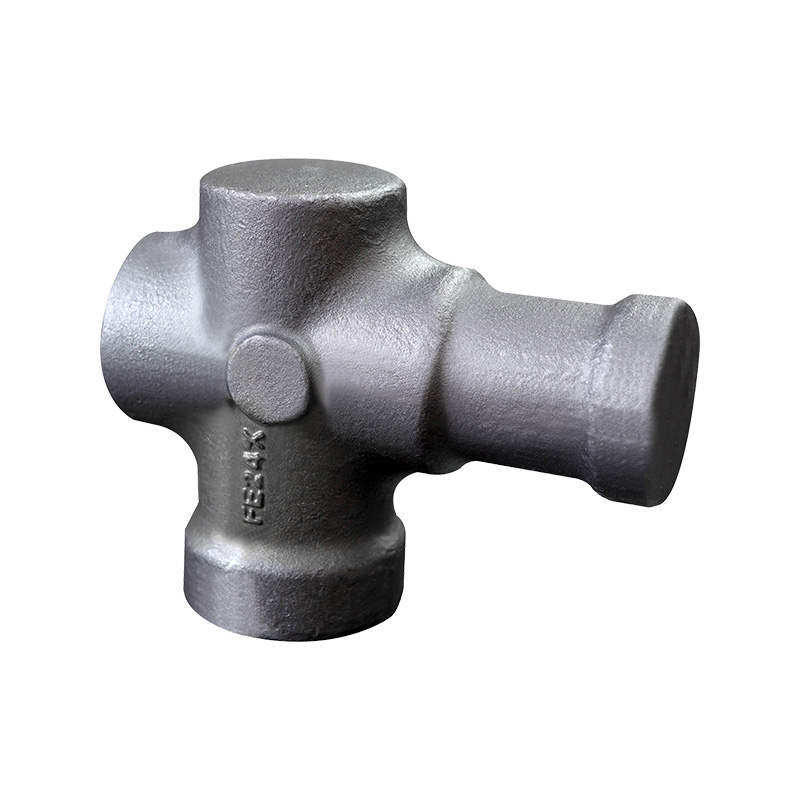
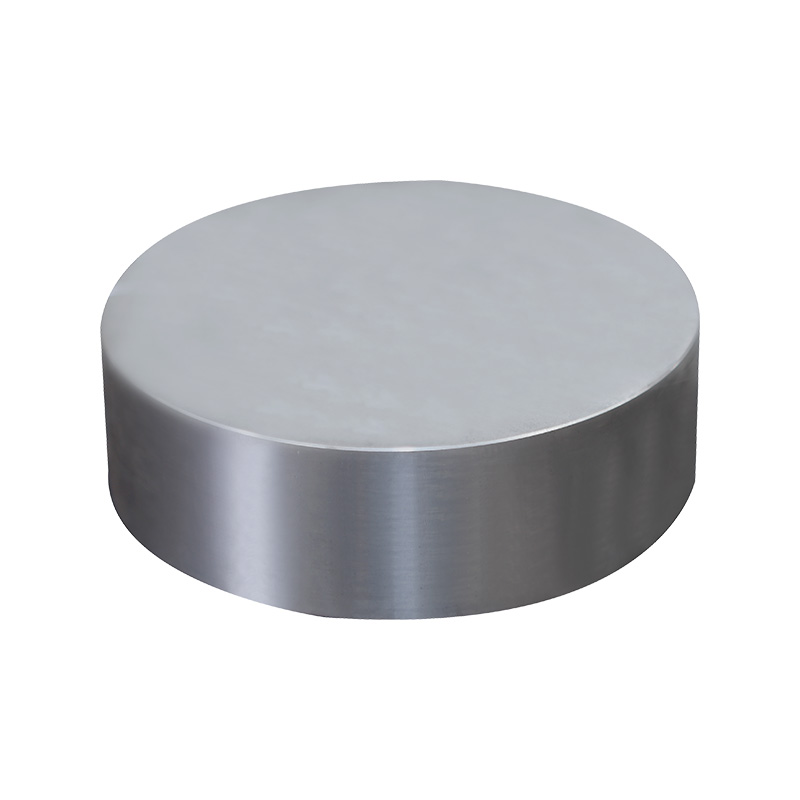
Technical Features and Specifications
| Feature | Detail |
|---|---|
| Grades | Grade 2 (Commercially Pure), Grade 5 (6Al-4V), Grade 7 (with Palladium). |
| Tensile Strength | Up to 900+ MPa for Grade 5. |
| Density | ~4.5 g/cm³ (roughly half the weight of steel). |
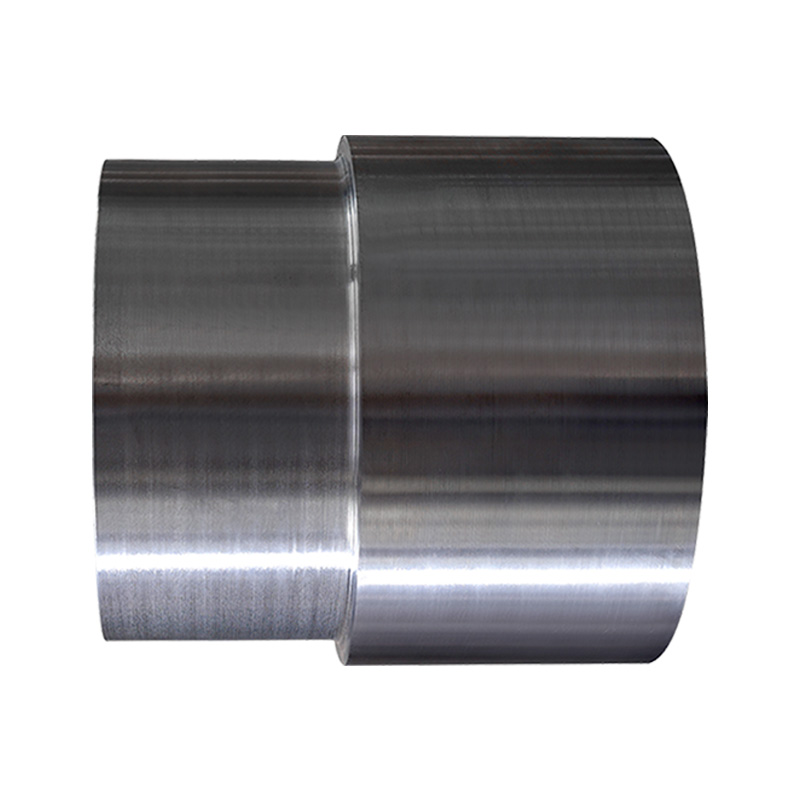
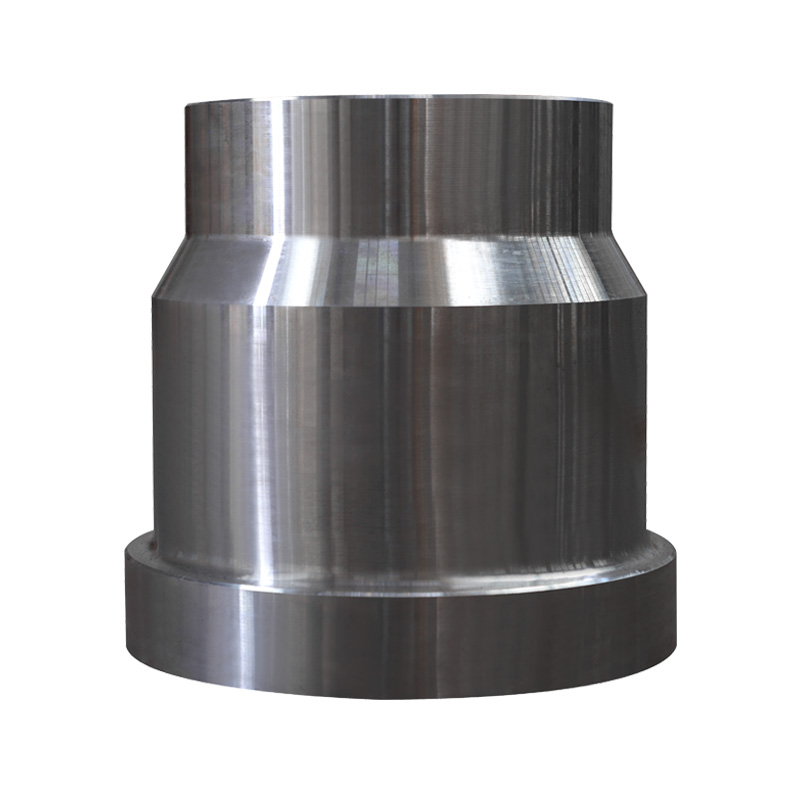
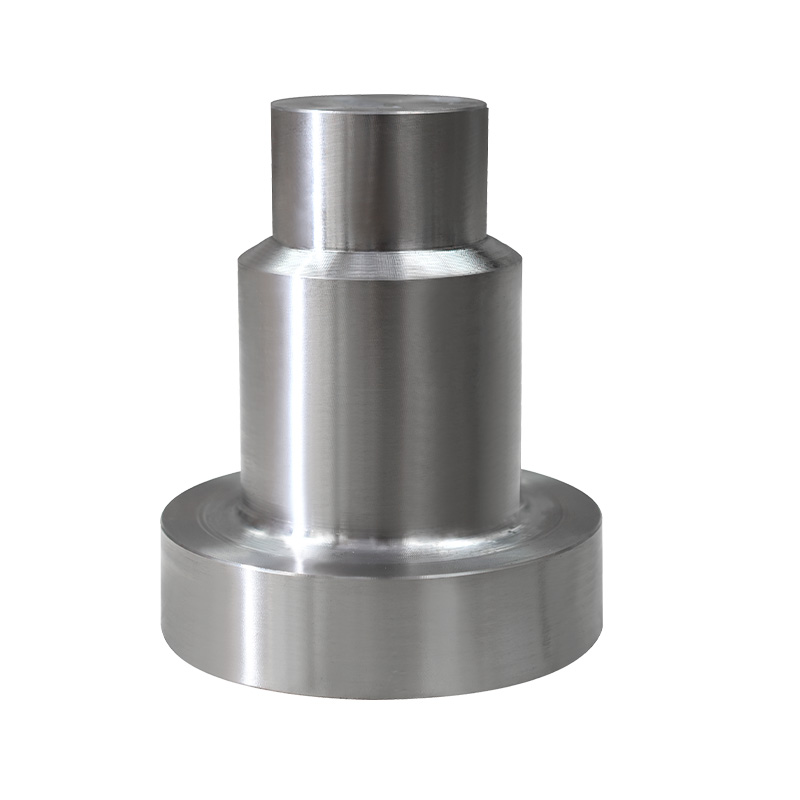
Titanium’s low modulus of elasticity makes it excellent for "flex-joints" and components subject to high vibration. Our forging techniques focus on controlling the "Beta Transus" temperature to ensure the final part has the specific mechanical properties—whether high ductility or high strength—required by the aerospace or subsea engineer.
Corporate Culture and Development Philosophy
-
 Development Conceptscientific and technological innovation as the driving force.
 -
 Quality PolicyPeople, integrity, truth-seeking, innovation
 -
 Core ValueCommon development to achieve symbiosis and win-win.
Buying Tips for Titanium
- Alpha-Case Removal: Ensure the manufacturer machines off the "alpha-case" (the brittle oxygen-enriched surface layer) after forging.
- Hydrogen Content: Verify that the hydrogen levels are below 150ppm to prevent hydrogen embrittlement.
- Inert Heating: Ask if the forge uses vacuum or protective coatings during the heating cycle to maintain material purity.
Advantages of Forging Titanium
| Advantage | Field Benefit |
|---|---|
| Extreme Weight Savings | Reduces fuel consumption in aerospace and ship systems. |
| Zero Corrosion | Lasts indefinitely in seawater without the need for coatings. |
| Biocompatibility | Ideal for medical implants and pharmaceutical equipment. |
Primary Applications
| Industry | Usage Context |
|---|---|
| Aerospace | Landing gear components and engine fan blades. |
| Deepsea Robotics | Pressure housings for AUVs and ROVs. |
| Military Marine | Exhaust systems and sonar domes. |
- Q: Why is titanium forging so expensive?
- A: Due to the cost of the raw material and the specialized, high-temperature equipment needed to forge it without contamination.